What a Port Belt Conveyor Pulley Does
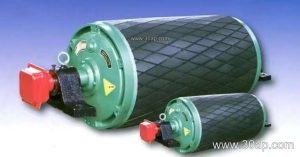
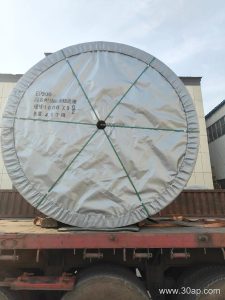
A port belt conveyor pulley is the rotating drum that drives, tensions, or redirects the conveyor belt in a bulk terminal. At a ship loader, stacker-reclaimer, or quay-side transfer line, the pulley is the point where motor torque becomes belt motion. Without a properly sized drum, a 1200mm or 1800mm wide belt carrying iron ore, coal, or fertilizer will slip, mistrack, or wear prematurely.
The same assembly is often called a conveyor pulley or conveyor drum. It is not a idler roller: idlers support the belt along its run, while the pulley turns at the head, tail, or bend of the conveyor. These roles are distinct and should not be confused when specifying spare parts.
Construction and Surface Options
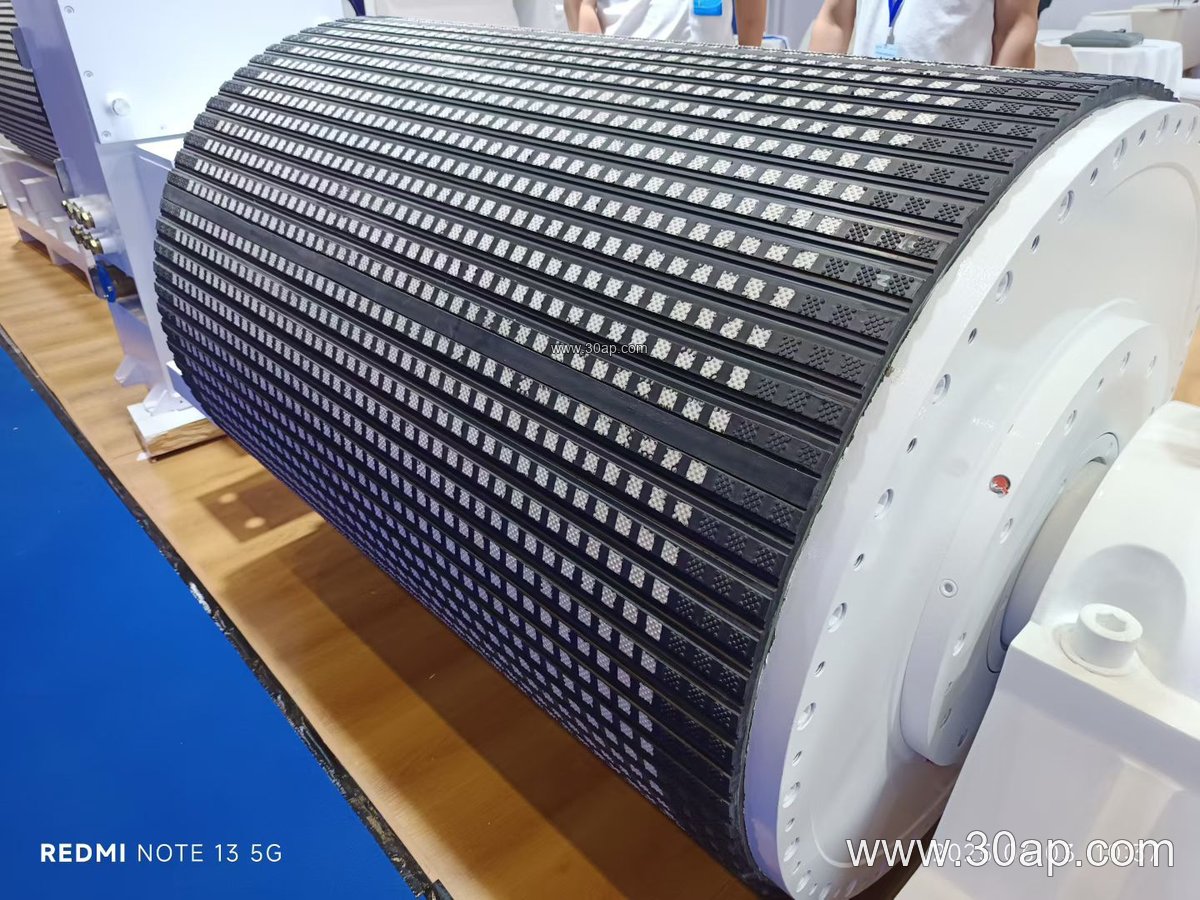
Most port pulleys use a welded steel shell with shaft, hubs, and end discs. The shell is machined, then covered with lagging to improve grip and protect the belt. Common surface forms include:
- Plain machined face for light duty or non-drive positions
- Hot vulcanized rubber lagging, often 8–12 mm thick
- Diamond or herringbone grooved lagging for wet, dusty conditions
- Ceramic lagging for high-torque drives on abrasive ore
Lagging thickness may reach 15 or 20 mm on heavy drives. The pulley face width usually exceeds belt width, for example a B1200 belt on a roughly 1400 mm face. Shaft diameter is determined by torque and bearing load, not by belt width alone; typical shafts run from Ø80 to Ø200 depending on the drive.
Where It Fits in a Port Terminal
Ports handle a wide mix of cargo, so the pulley must suit the belt and the material. A coal terminal may use a flame retardant conveyor belt and anti-static grades, while a fertilizer or grain terminal may favor oil resistant or food grade belting. Iron ore and copper ore lines usually pair a heavy-duty conveyor belt with abrasion resistant lagging.
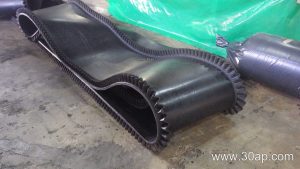
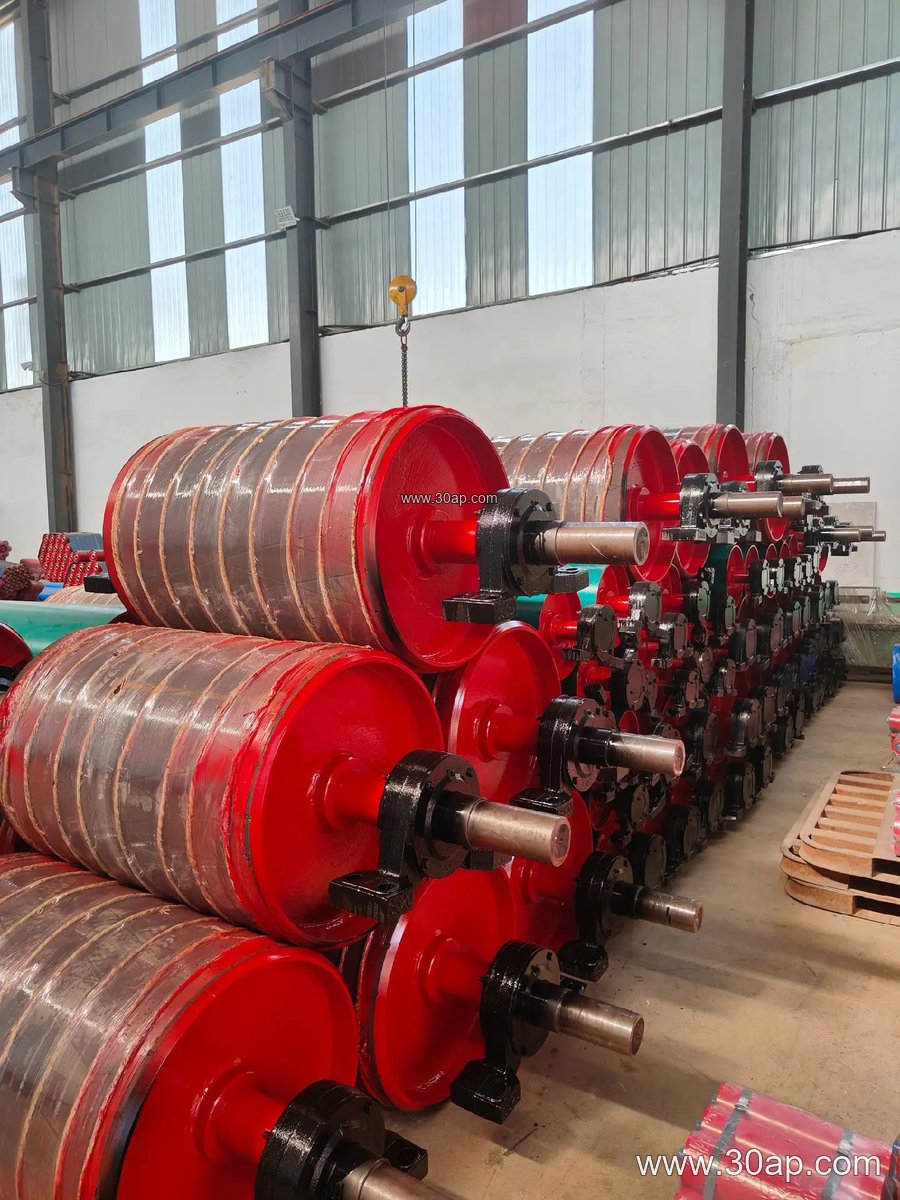
Drive pulleys sit at the head of the main line, tail pulleys at the loading end, and bend or take-up pulleys redirect the belt through transfer towers. A ship loading conveyor may use a large head pulley with ceramic lagging, while a short shuttle conveyor might use a smaller plain-face drum. Matching the pulley to the belt type, whether EP Conveyor Belt, Steel Cord Conveyor Belt, or a corrugated sidewall belt, keeps the system stable.
Common Reference Dimensions
The table below shows typical combinations seen in port and bulk material projects. Values are reference data, not fixed rules.
| Belt width | Pulley face (approx.) | Typical diameter range |
|---|---|---|
| B650 | 750 mm | Ø315–Ø500 |
| B800 | 950 mm | Ø400–Ø630 |
| B1000 | 1150 mm | Ø500–Ø800 |
| B1200 | 1400 mm | Ø630–Ø1000 |
| B1400 | 1600 mm | Ø800–Ø1250 |
| B1800 | 2000 mm | Ø1000–Ø1400 |
A B1200 × Ø1000 drive pulley and a B800 × Ø500 tail pulley are common combinations, but a smaller or larger diameter may be correct depending on wrap angle and belt tension.
Buyer Checklist
Before ordering, confirm the belt width, belt type, and material being handled. Check whether the position is drive, tail, bend, or take-up, because each has different load and lagging needs. Ask for the shaft diameter, bearing size, and lagging thickness in writing. For a coal mining conveyor belt or a quarry conveyor belt, specify flame retardant and abrasion resistant properties separately.
Also confirm the conveyor bracket and conveyor pulley mounting dimensions, and whether the drum must fit an existing bearing housing. A pulley that matches the belt but not the frame will still stop the line. For port projects, keep a spare lagged drum and check wear at the lagging edges, where belt mistracking usually shows first.