What a Conveyor Bracket Does
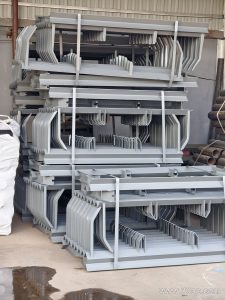
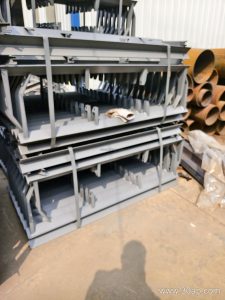
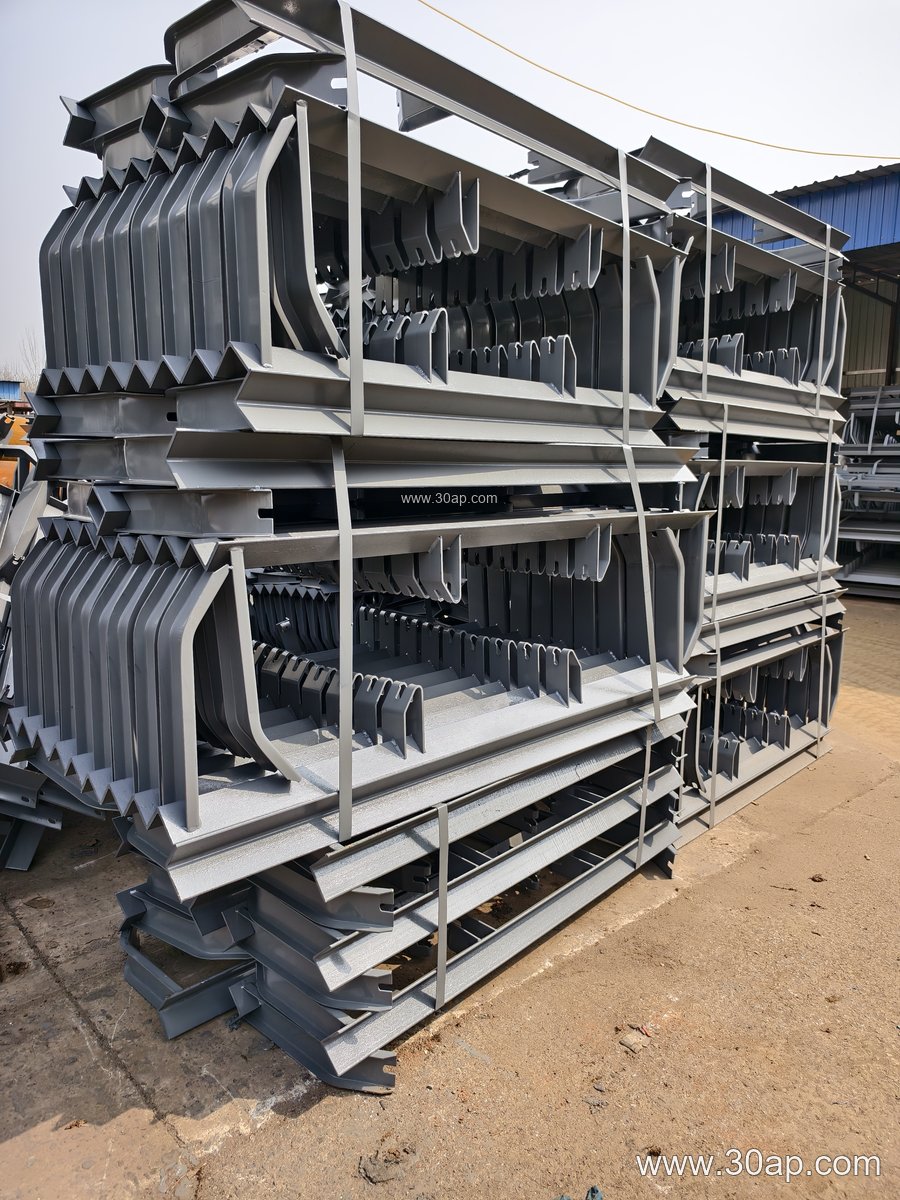
A conveyor bracket is the structural interface that holds idler rollers in the correct position relative to the conveyor belt. It is not a glamorous component, but it determines whether the belt tracks smoothly, whether the load is distributed evenly, and how quickly maintenance can be completed. In a quarry, a cement plant, or a coal handling system, a poorly matched bracket can cause misalignment, edge damage, and unnecessary downtime. The bracket itself is usually a fabricated steel assembly made from angle, channel, or folded plate, and it is designed to fit a specific belt width and trough angle.
Common Types and Where They Fit
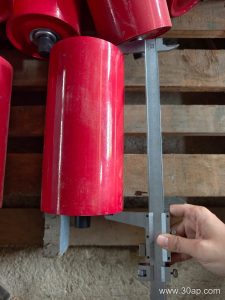
Brackets are not interchangeable across all positions on a conveyor. The main types include troughing brackets for the carrying side, return brackets for the lower run, impact brackets at loading points, and self-aligning brackets for sections where the belt tends to wander. A transition bracket is used near pulleys to guide the belt from a flat profile into a trough. Adjustable brackets allow the trough angle to be changed on site, which is useful when material characteristics vary. For example, a B800 conveyor might use a 35-degree troughing bracket with Ø108 idlers, while a B1200 system in a power plant coal yard could run 45-degree brackets with Ø133 rollers. These are common combinations, not fixed rules; the final choice depends on belt width, load, and transition requirements.
Construction and Materials
Most conveyor brackets are built from low-carbon steel. Angle and channel sections are common for smaller belt widths, while folded plate offers stiffness for wider belts or heavy-duty mining conveyor belt applications. The bracket must resist bending under the weight of the loaded belt and the dynamic forces from material impact. Welded or bolted construction is typical, and mounting holes are positioned to match the idler frame. The horizontal distance between mounting points and the overall beam length change with belt width and trough angle, so a bracket for a B650 system will not fit a B1400 conveyor. Buyers should confirm the idler diameter and the shaft end type before ordering, because a bracket designed for Ø89 rollers will not accept Ø159 shafts without modification.
Selection Notes for Buyers
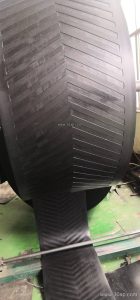
Start with the belt width and the required trough angle. Standard trough angles are 20, 30, 35, and 45 degrees; adjustable brackets can cover a range of these angles. The idler diameter should match the bracket’s mounting slot and the load expectations. For a B1000 conveyor carrying abrasive ore, a 35-degree bracket with Ø133 idlers is a common starting point. For a B1800 wide belt in a port application, a 45-degree bracket with Ø159 idlers may be more appropriate. Do not assume that one belt width corresponds to only one idler diameter or trough angle. Also consider the environment: a washdown area may call for galvanized or painted brackets, while a coal mine may require flame retardant conveyor belt compatibility and robust construction to handle fines and moisture.
Installation and Maintenance Tips
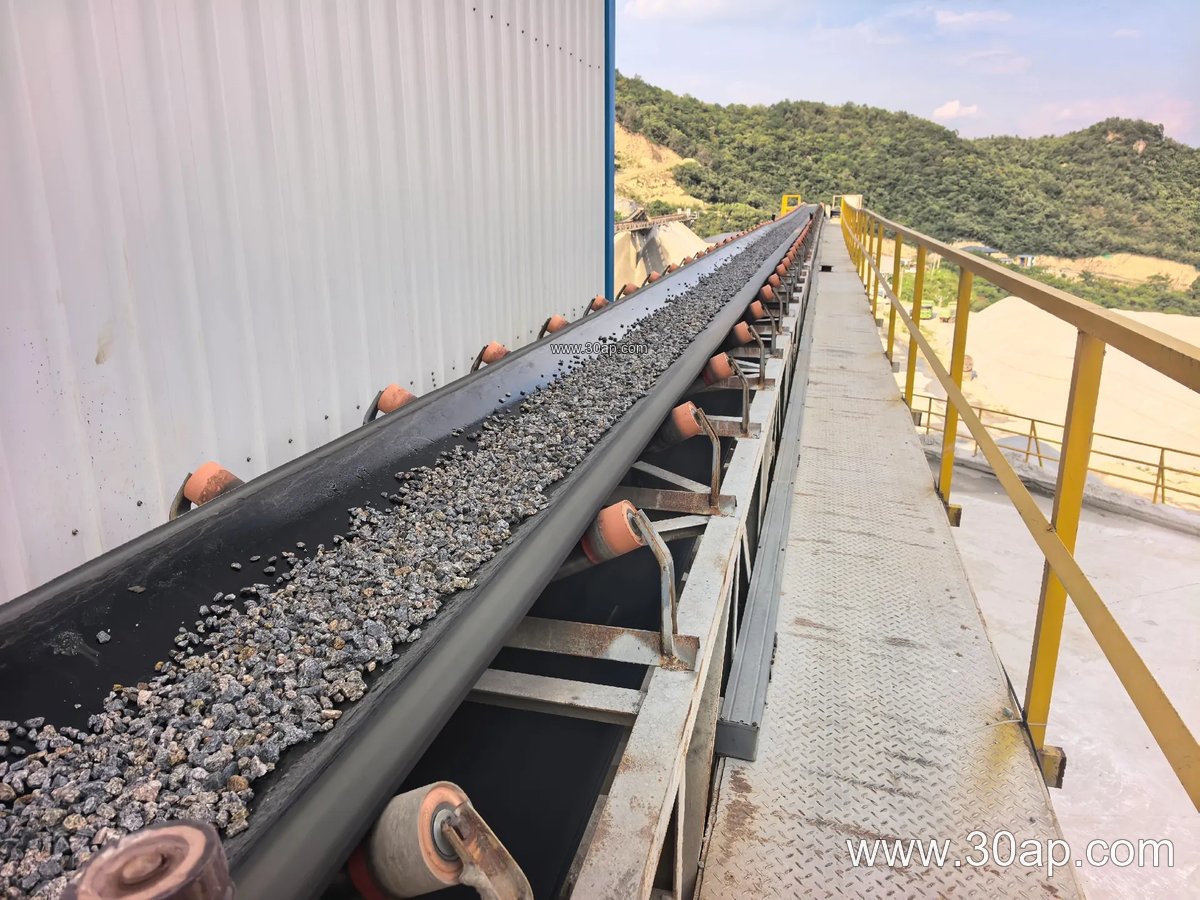
Proper alignment during installation is critical. Brackets should be square to the conveyor centerline and at a consistent height so the belt sits evenly on the idlers. On the return side, a V-return bracket helps keep the belt centered and reduces material buildup. Self-aligning brackets are useful in transition zones but should not be used as a substitute for correct pulley alignment. Inspect brackets periodically for loose bolts, bent beams, or cracked welds. In a crushing plant, impact brackets at the loading point take the most abuse and may need more frequent checks. Replacing a worn bracket before it fails prevents belt damage and keeps the material flow steady.
Working Alongside Other Components
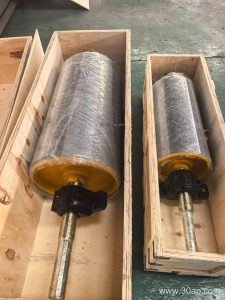
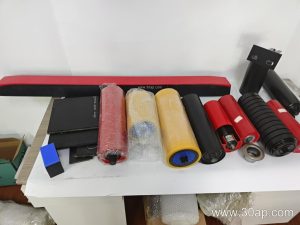
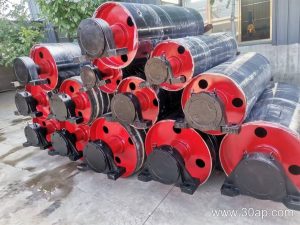
A conveyor bracket does not work alone. It connects the idler roller to the conveyor structure, and together they support the conveyor belt. In a cement plant, a set of troughing brackets with Ø108 idlers might carry clinker, while a steel cord conveyor belt runs over larger pulleys and heavier brackets. The bracket must be compatible with the idler shaft, the frame spacing, and the belt width. For a B1200 conveyor in an iron ore yard, a 35-degree bracket with Ø133 idlers is a typical arrangement, but the final selection should consider the belt tension and the transition distance to the drive pulley. Remember that the bracket is part of a system; matching it to the belt and idlers is more important than choosing the heaviest option available.