What a 1000mm Diameter Conveyor Pulley Is
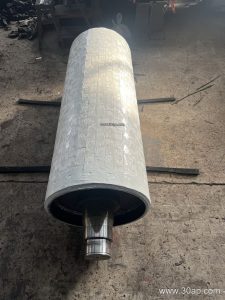
A 1000mm diameter conveyor pulley is a large-diameter drum used to drive, tension, or redirect a conveyor belt in demanding bulk material handling systems. At this size, the pulley is typically a heavy-duty component found in primary crushing circuits, long overland conveyors, and high-tonnage load-out facilities. The 1000mm diameter refers to the outer shell measurement, which directly influences belt wrap angle, tension distribution, and the overall footprint of the conveyor drive station. Unlike smaller tail or bend pulleys, a 1000mm diameter conveyor pulley often serves as the main drive or head pulley where high torque and continuous operation are expected.
Construction and Key Components
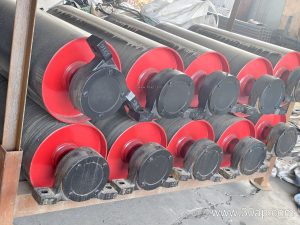
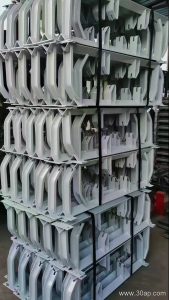
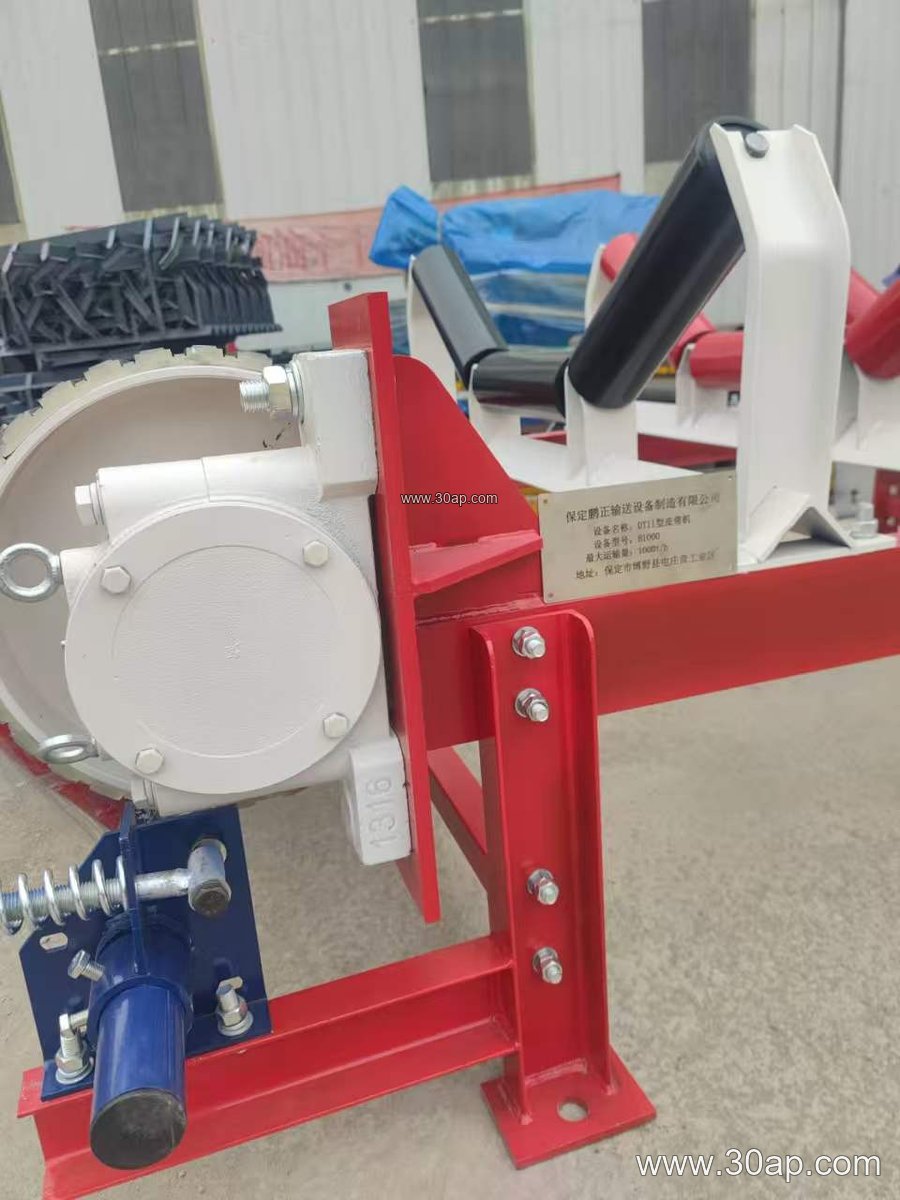
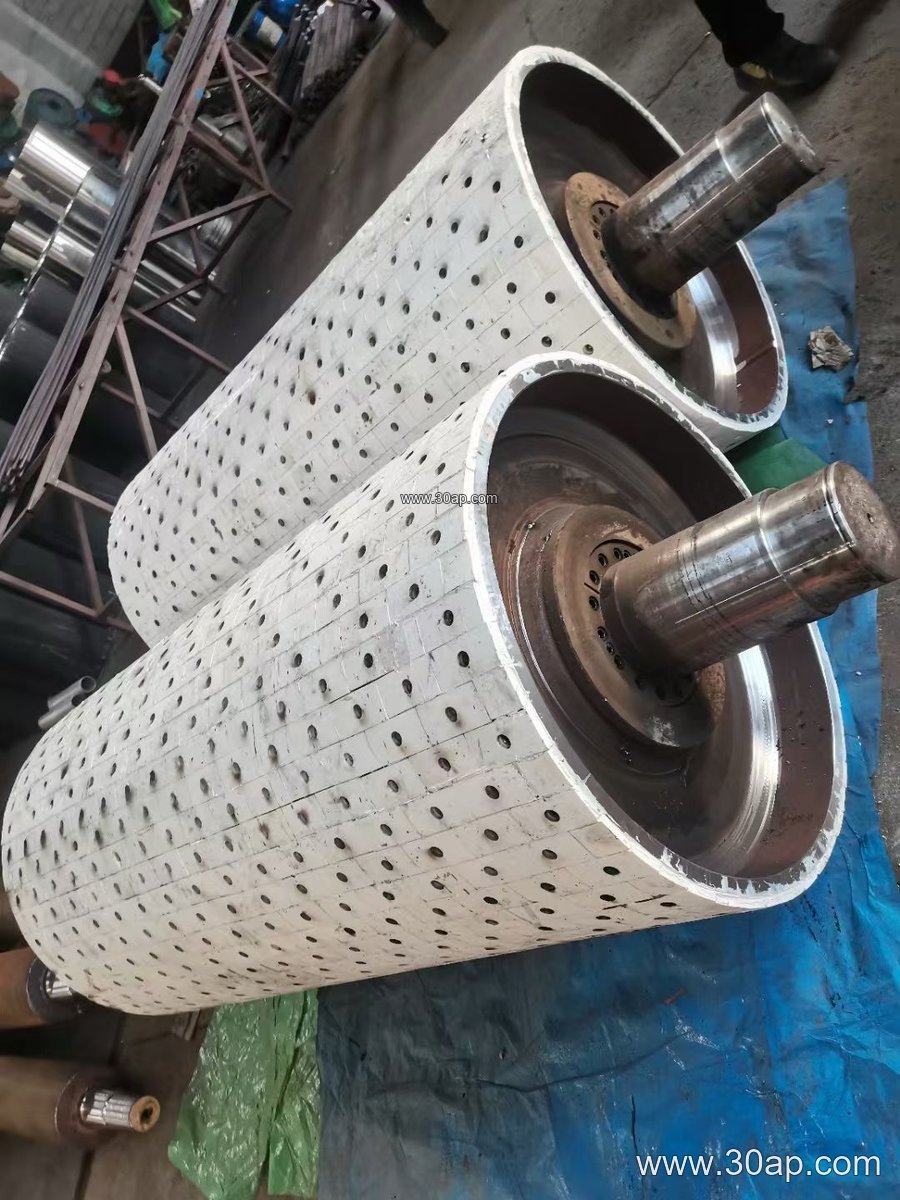
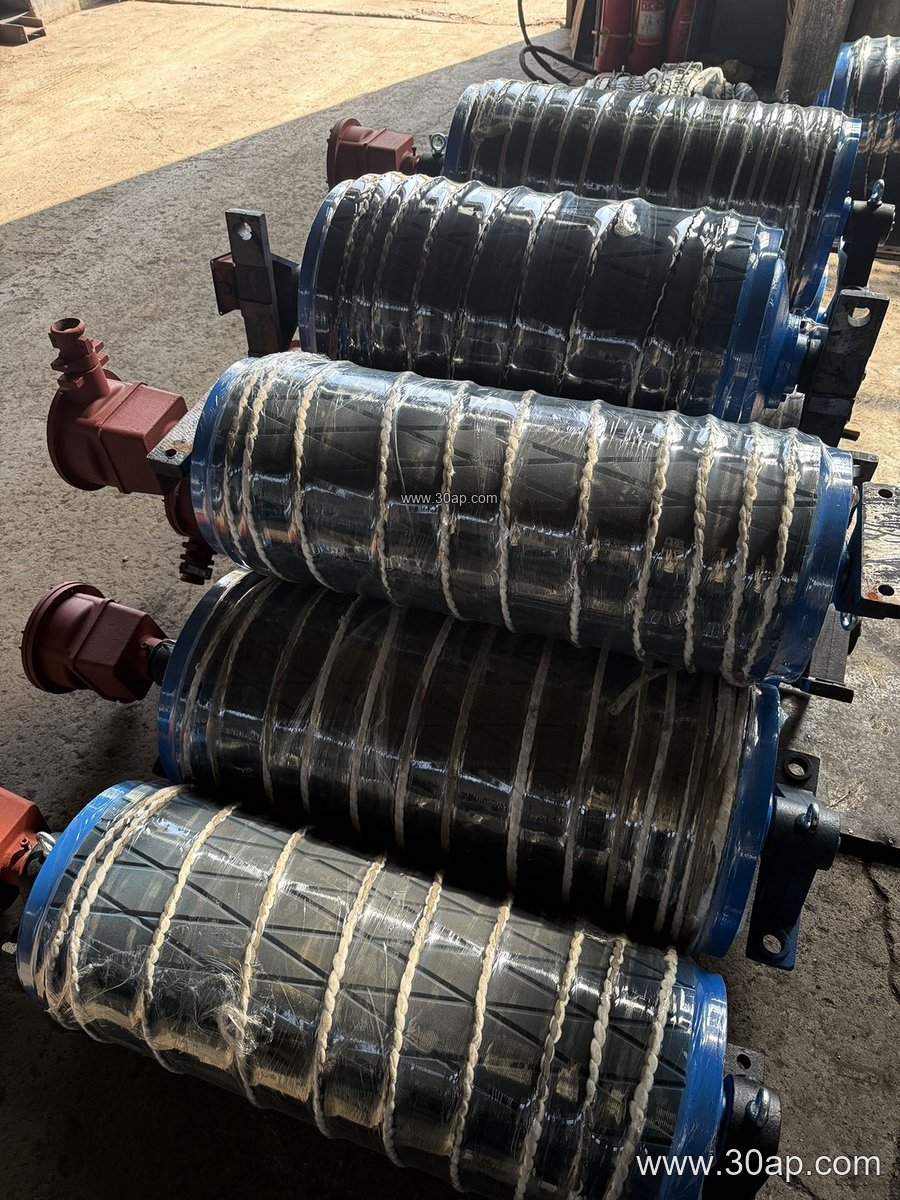
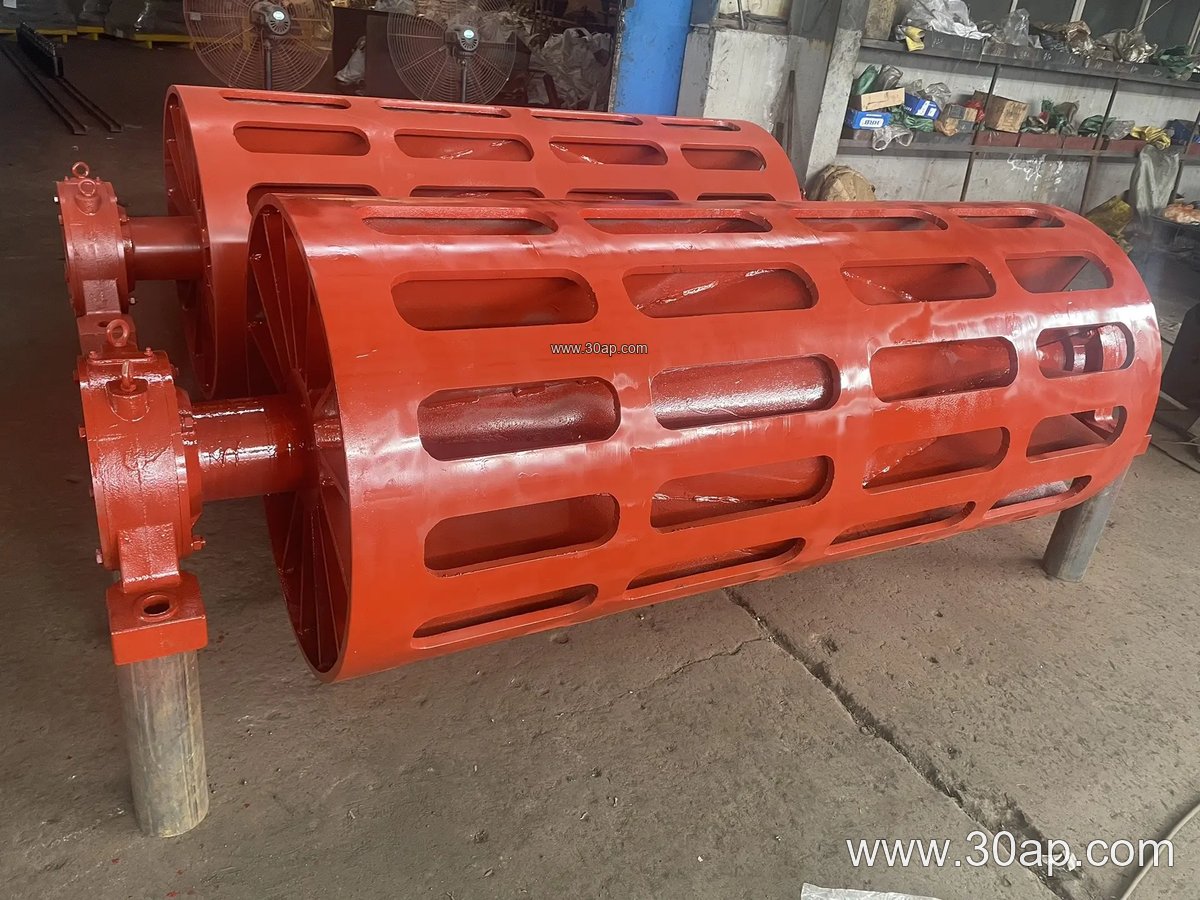
The construction of a 1000mm diameter conveyor pulley involves a robust shell, end discs, a shaft, and bearing housings. The shell is usually rolled from steel plate and machined to ensure concentricity. End discs are welded to the shell and hub, and the shaft is keyed or shrink-fitted into the hub. Common surface options include plain steel, rubber lagging (cold-bonded or hot-vulcanized), diamond grooving, and ceramic lagging. Lagging thickness often ranges from 8 mm to 20 mm depending on the required friction and wear resistance. The pulley is supported by bearing assemblies mounted on a conveyor bracket or frame, and the shaft diameter is determined by torque and radial loads, not by belt width alone.
Typical Applications in Bulk Handling
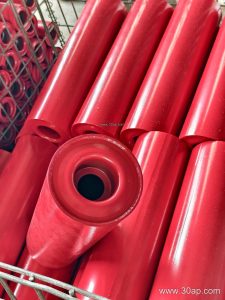
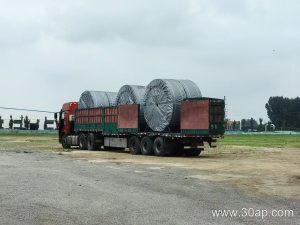
This large pulley is frequently specified for primary crusher discharge conveyors in quarry and aggregate operations, where high impact and abrasive rock loads demand a robust drive solution. In coal mining and coal preparation plants, a 1000mm diameter conveyor pulley may be used on main haulage conveyors or drift conveyors where flame retardant and anti-static properties are important. Cement plants use such pulleys on clinker and raw material conveyors, while power plants rely on them for coal handling systems. Port bulk terminals and ship loading conveyors also employ large diameter pulleys to handle high belt tensions and long spans. The pulley works in concert with the conveyor belt, idler roller sets, and conveyor bracket structures to maintain reliable material flow.
Matching Belt Width and Pulley Diameter
While a 1000mm diameter pulley can be paired with various belt widths, the selection is not arbitrary. Common combinations include B1000, B1200, and B1400 belts, but the final match depends on belt tension, pulley location, and drive requirements. The pulley face width is typically wider than the belt to allow for belt tracking. For example, a B1000 belt may use a pulley face width around 1150 mm, while a B1200 belt may use approximately 1400 mm. However, there is no fixed rule that one belt width only matches one pulley diameter. The table below shows reference combinations, not mandatory pairings.
| Belt Width (mm) | Typical Pulley Face Width (mm) | Example Pulley Diameter (mm) |
|---|---|---|
| B800 | 950 | Ø800 |
| B1000 | 1150 | Ø1000 |
| B1200 | 1400 | Ø1000 |
| B1400 | 1600 | Ø1000 |
These values are for reference only; actual dimensions are determined by conveyor design.
Selection and Maintenance Notes for Buyers
When specifying a 1000mm diameter conveyor pulley, buyers should consider the drive type (head or tail), lagging material, shaft size, bearing type, and the compatibility with the conveyor belt. For high-abrasion applications such as iron ore or copper ore handling, abrasion resistant conveyor belt and ceramic lagging may be appropriate. In coal mining, flame retardant conveyor belt and anti-static properties are often required. The pulley should be balanced for the operating speed and checked for runout. Regular maintenance includes inspecting lagging wear, checking bearing lubrication, and verifying shaft alignment. The pulley must be compatible with the conveyor bracket and idler roller arrangement to avoid belt misalignment. For extreme conditions, such as heat or oil exposure, special belt types like heat resistant conveyor belt or oil resistant conveyor belt may be used, but the pulley itself must also be protected with suitable lagging.
Installation Position and System Integration
A 1000mm diameter conveyor pulley is most often installed at the head or drive position, where it transmits power to the belt. It can also serve as a tail pulley or tension pulley in certain configurations, but these roles are not interchangeable. The pulley works with the conveyor belt to create the necessary friction and tension. Proper integration with the conveyor bracket, idler roller spacing, and take-up system ensures smooth operation. In underground mining or tunnel projects, space constraints may influence the choice between a 1000mm diameter pulley and a smaller bend pulley, but the large diameter offers better belt wrap and reduced bending stress on the belt.
For more information on conveyor pulleys, conveyor belts, and related components, visit examplesite.com/conveyor-pulley and examplesite.com/conveyor-belt.