What the idler frame actually does
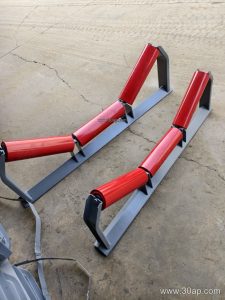
A belt conveyor idler frame is the steel structure that holds the idler rollers at the right angle and spacing under or above the conveyor belt. It is not a rotating part, yet it decides how evenly the belt is supported, how the trough is shaped, and how quickly rollers can be replaced during maintenance. On a quarry conveyor belt line or a power plant coal handling system, a weak frame shows up as belt sag, misalignment, and premature roller wear.
The same assembly is often called a conveyor idler bracket or idler support frame. These names describe the same product; they are not a different component such as a drive pulley or a tail pulley. A conveyor pulley turns and transmits power, while the idler frame stays fixed and carries load.
Construction and common forms
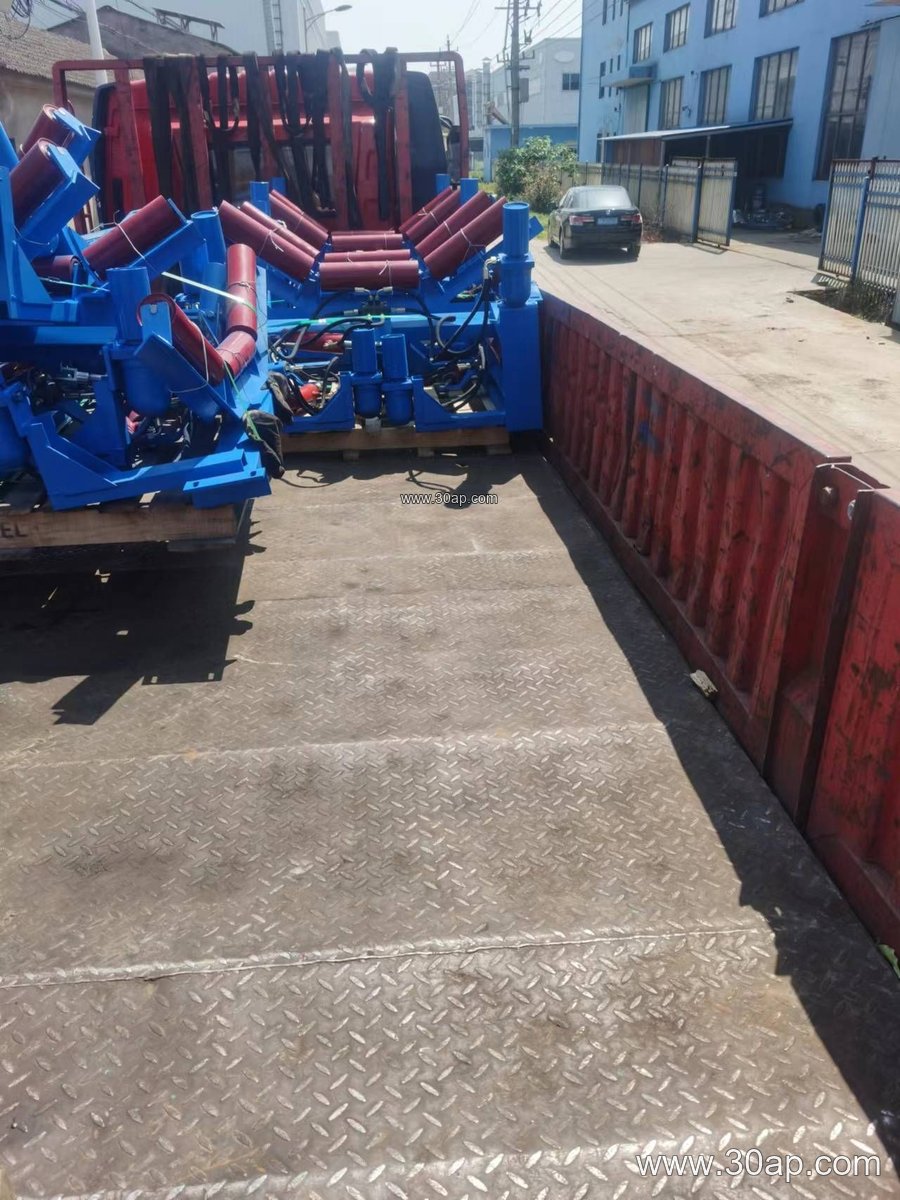
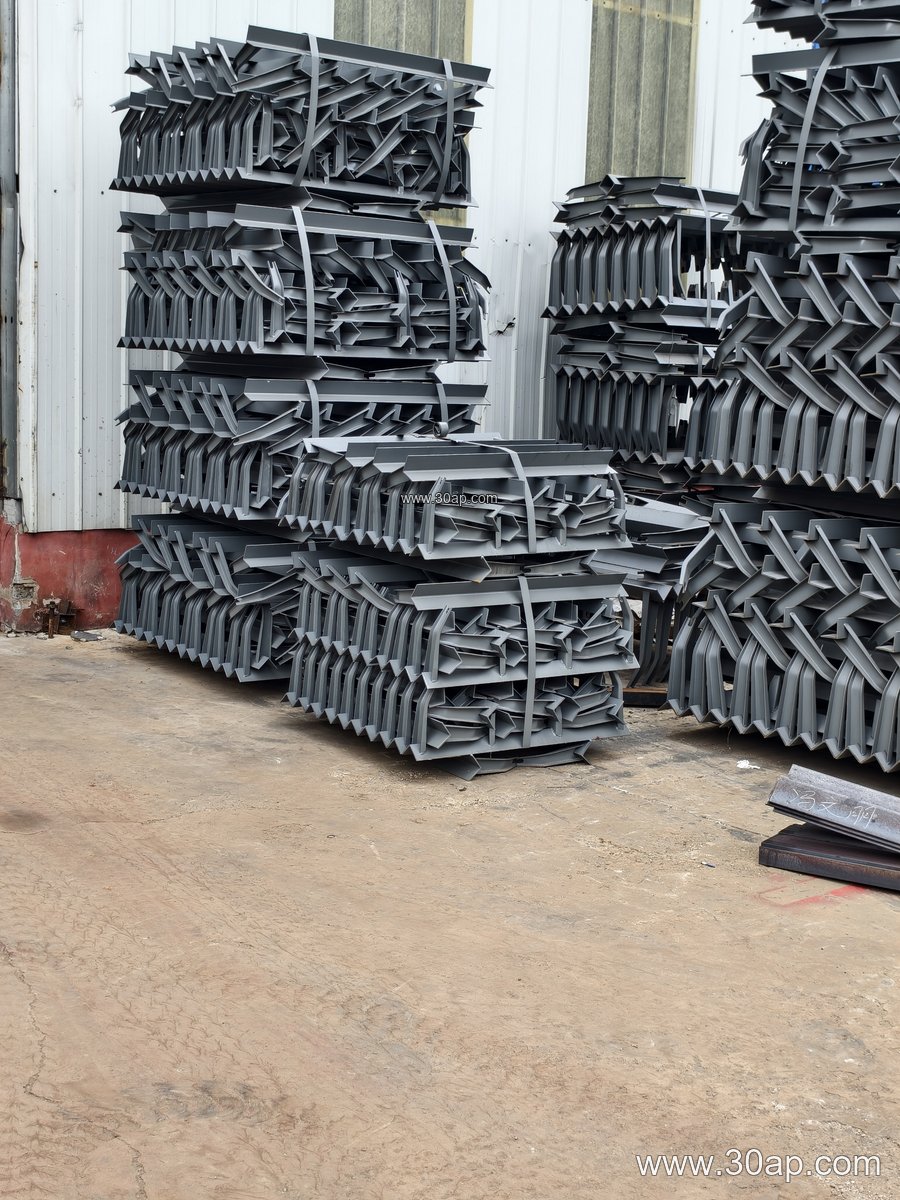
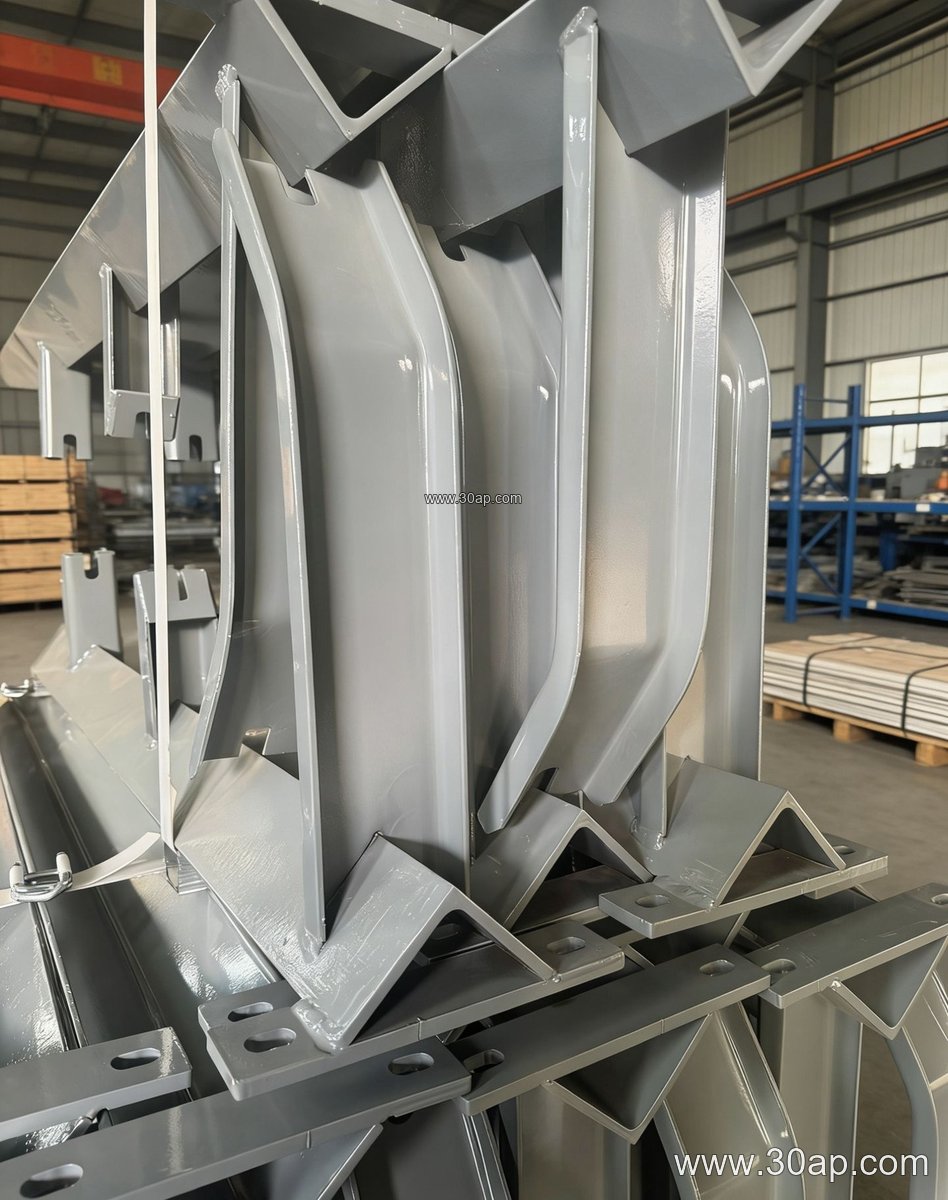
Most frames are fabricated from angle steel, channel steel, or folded steel plate, then drilled or punched for roller shafts and bolted to the conveyor stringer. The main types follow the belt line position:
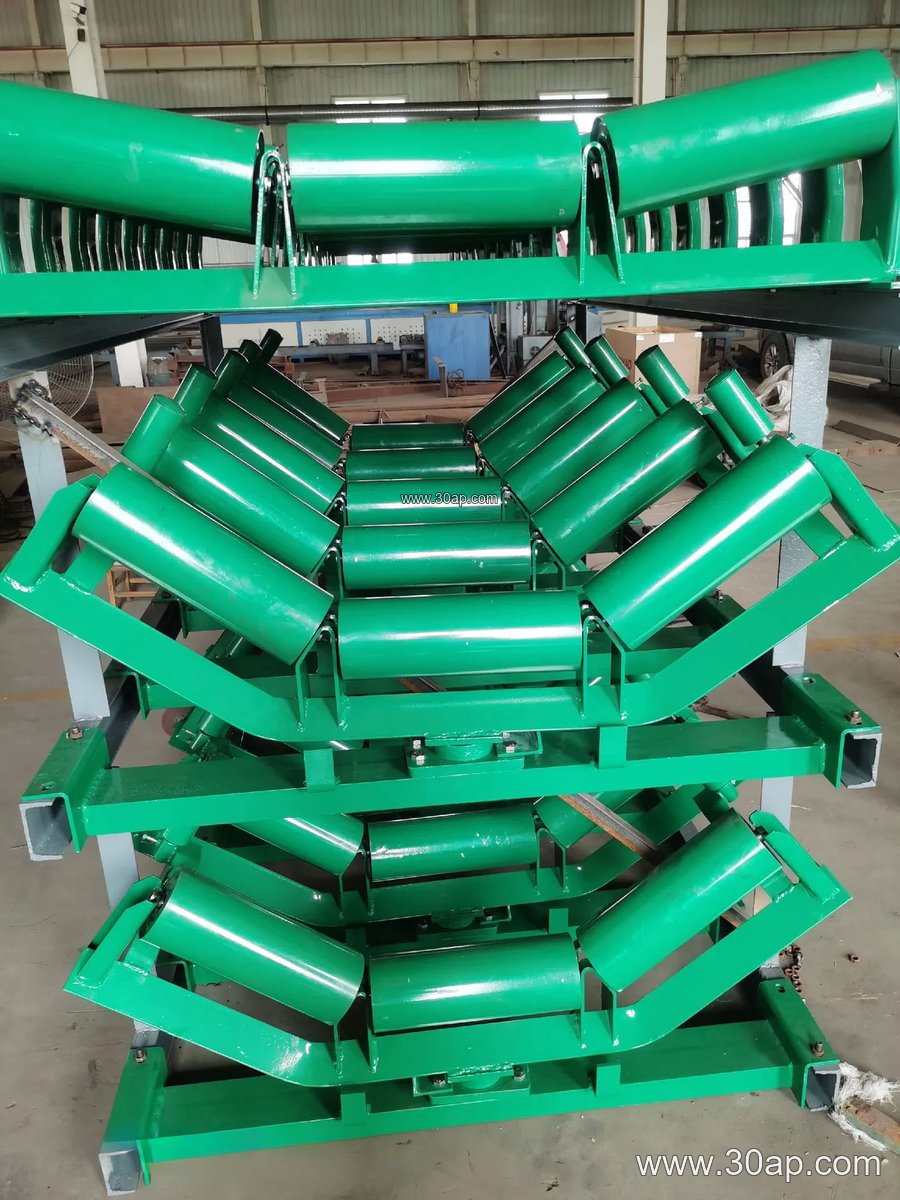
- Troughing frames on the carrying side, usually with two or three rollers
- Transition frames near pulleys, where the belt changes from flat to troughed
- Return frames and V-return frames on the lower strand
- Impact frames under loading points, paired with impact idler rollers
- Self-aligning and forward-leaning frames for belt tracking
- Adjustable frames that allow the trough angle to be changed on site
The trough angle is commonly 20, 30, 35, or 45 degrees. Forward-leaning frames usually sit at about 1.5 to 2 degrees. Roller diameter choices such as Ø89, Ø108, Ø133, Ø159, and Ø194 depend on belt width, load, and speed rather than on one fixed rule.
Matching frame, roller, and belt width
Frame dimensions are tied to the conveyor belt width and the selected trough angle. Common belt widths run from B500 and B650 up to B2000 and B2200, but the mounting hole spacing and crossbeam length are determined by design, not by a single universal number. The table below shows reference combinations only.
| Belt width | Trough angle | Roller diameter | Typical frame form |
|---|---|---|---|
| B650 | 30 degrees | Ø89 | Troughing frame |
| B800 | 35 degrees | Ø108 | Troughing or transition frame |
| B1000 | 35 degrees | Ø108 / Ø133 | Troughing frame |
| B1200 | 45 degrees | Ø133 | Troughing or impact frame |
| B1400 | 35 degrees | Ø159 | Troughing frame |
| B1600 | 45 degrees | Ø159 / Ø194 | Heavy troughing frame |
These pairings are examples. A B1200 line may use a 35 degree frame with Ø133 rollers, and a B800 line may run a 30 degree frame in a lighter duty section. The frame must match the roller shaft, the belt load, and the available stringer spacing.
Where these frames are used
In a limestone quarry, troughing frames support an abrasion resistant conveyor belt carrying crushed rock from the crusher. In a coal preparation plant, flame retardant conveyor belt and self-aligning frames work together to keep the belt centered through transfer points. Similar assemblies appear in cement plants, steel plants, port ship loading systems, and tunnel spoil removal lines.
The frame choice also follows the belt type. A heavy-duty mining conveyor belt with a steel cord conveyor belt carcass needs rigid frames and larger rollers, while a fabric core conveyor belt on a shorter aggregate line can use lighter channel frames. Impact frames are placed where a crusher conveyor belt receives falling material, often combined with impact idler rollers.
Buyer checklist
- Confirm belt width, trough angle, and roller diameter before ordering.
- State the mounting hole pattern and stringer spacing on the drawing.
- Choose material thickness for the actual load, not only for belt width.
- Decide between fixed and adjustable frames based on maintenance practice.
- Check that the frame finish suits dusty, wet, or corrosive conditions.
For a fast quote, send the belt width, the required trough angle, the roller size, and a sketch of the mounting points. A well-matched idler frame keeps the conveyor belt running straight and extends roller life across mining, cement, and power plant operations.