What a Belt Conveyor Bend Pulley Does
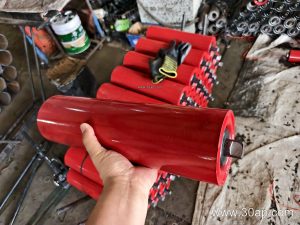
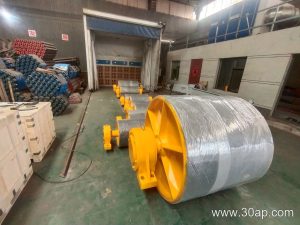
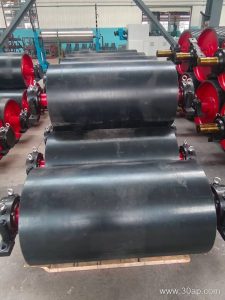
A belt conveyor bend pulley is a non-driven roller that changes the path of the conveyor belt, typically redirecting it around a curve or back toward the tail. Unlike the drive pulley, which transmits power, or the tail pulley, which maintains belt tension at the loading end, the bend pulley simply guides the belt with minimal friction. It is often mounted on a conveyor bracket near the take-up or along the return run, working in tandem with idler rollers to keep the belt tracking smoothly.
In industries such as coal mining, cement plants, and power plant coal handling, bend pulleys help route the belt around obstructions or increase wrap angle on the drive pulley. They are also common in quarry and aggregate lines where space constraints require a compact conveyor layout. Because they do not drive the belt, their design focuses on low rolling resistance, adequate load capacity, and reliable bearing life.
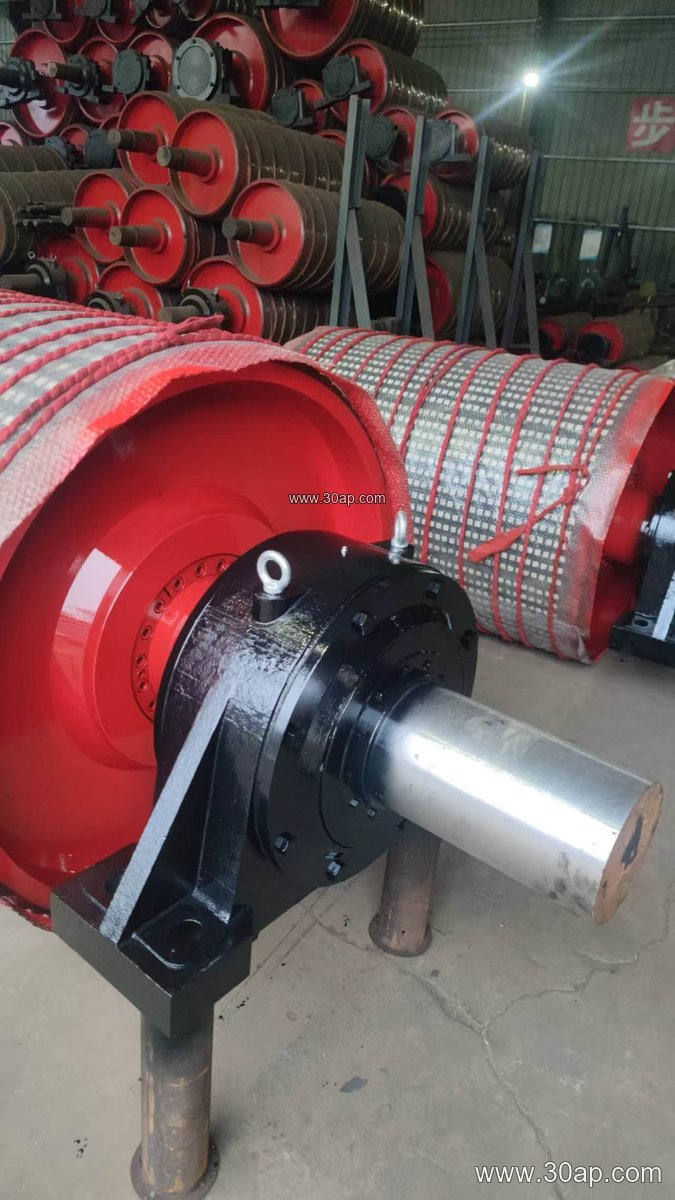
Construction and Key Components
A typical bend pulley consists of a cylindrical shell, shaft, bearings, and bearing housings. The shell is usually made from seamless steel tube or welded steel, machined to ensure concentricity. Shafts are sized by torque and radial load rather than belt width alone; common shaft diameters include Ø50, Ø60, Ø70, Ø80, Ø90, Ø100, Ø120, Ø140, Ø160, Ø180, and Ø200 mm. Bearings may be self-aligning ball or spherical roller types, depending on load and environmental conditions.
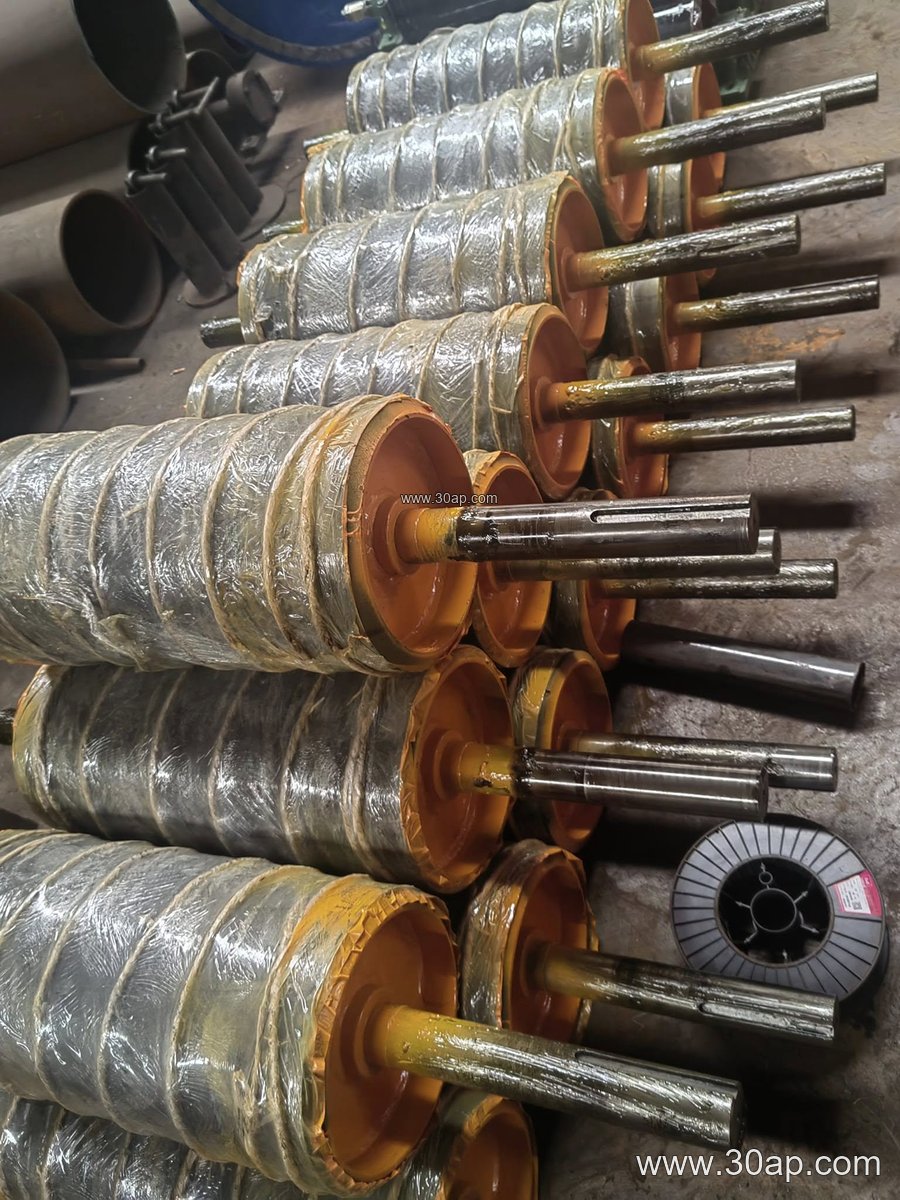
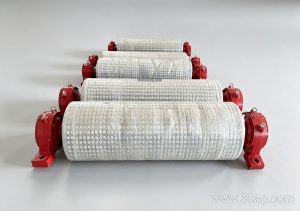
Surface options include plain finish, rubber lagging (cold-bonded or hot-vulcanized), diamond grooving, and ceramic lagging. Lagging thickness commonly ranges from 8 to 15 mm, with 20 mm for heavy-duty applications. The pulley face width usually exceeds belt width to ensure full support; for example, a B800 belt often uses a pulley face around 950 mm, while a B1200 belt may use about 1400 mm. These are typical references, not fixed rules.
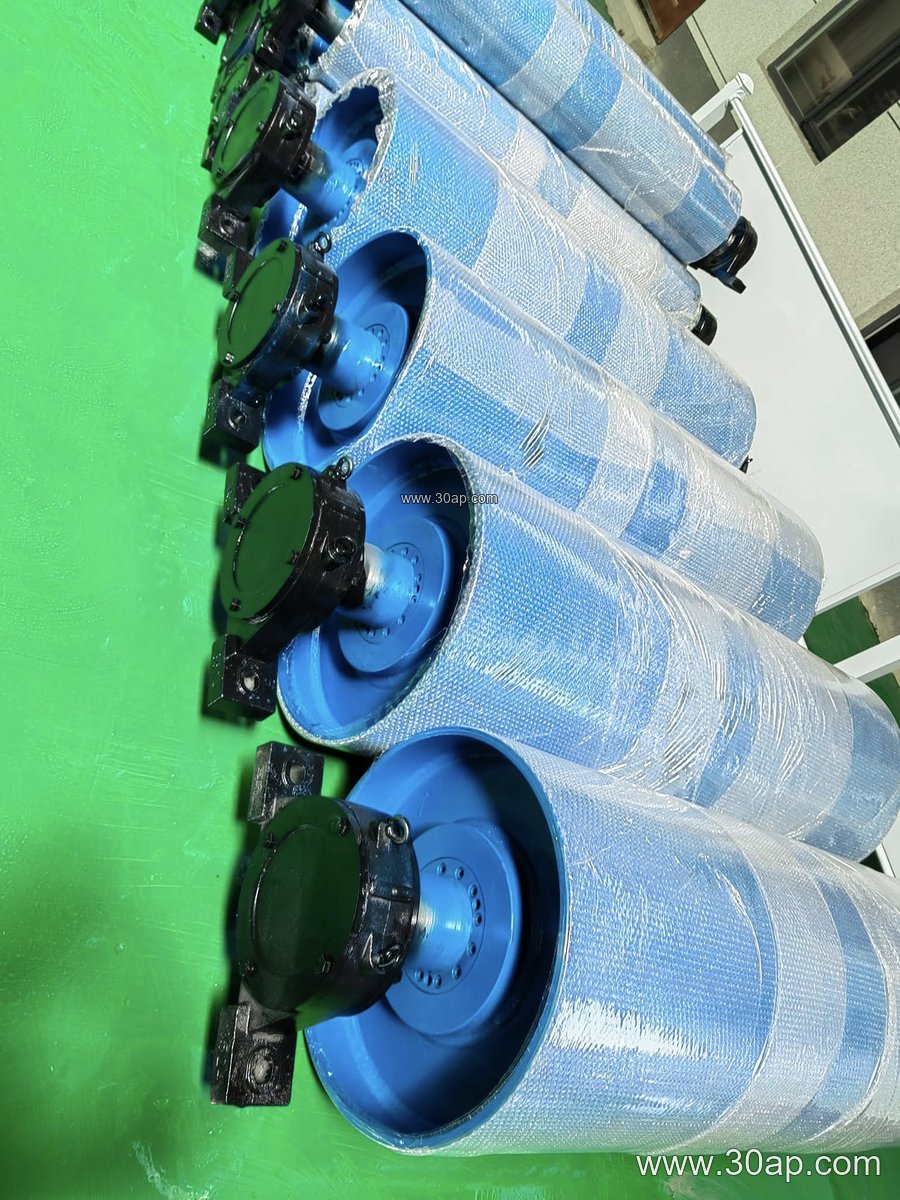
Where Bend Pulleys Fit in a Conveyor System
Bend pulleys are frequently installed at the head or tail area to route the belt around the drive or take-up. In a typical arrangement, the belt passes over the drive pulley, then around a bend pulley to reverse direction before entering the return run. This configuration is common in underground mining conveyors and long overland systems in iron ore and copper ore operations. In cement plants, bend pulleys help navigate clinker transport lines with limited space.
They also appear in ship loading and port bulk material systems, where the belt path must be compact. When used with a corrugated sidewall conveyor belt or a chevron conveyor belt, the bend pulley must be sized to accommodate the cleat height and maintain proper belt tracking. Similarly, in recycling and aggregate lines, a bend pulley may work alongside a skirted conveyor belt to guide material without spillage.
Matching the Bend Pulley to the Conveyor Belt
Belt type influences bend pulley selection. A heavy-duty mining conveyor belt or steel cord conveyor belt requires a pulley with sufficient face width and robust lagging to handle high tension. For fabric core belts such as EP conveyor belt or NN conveyor belt, the pulley diameter should be large enough to prevent excessive bending stress. Common diameter references include Ø200, Ø250, Ø315, Ø400, Ø500, Ø630, Ø800, Ø1000, and Ø1250 mm. The appropriate diameter depends on belt thickness, ply count, and operating tension—not on belt width alone.
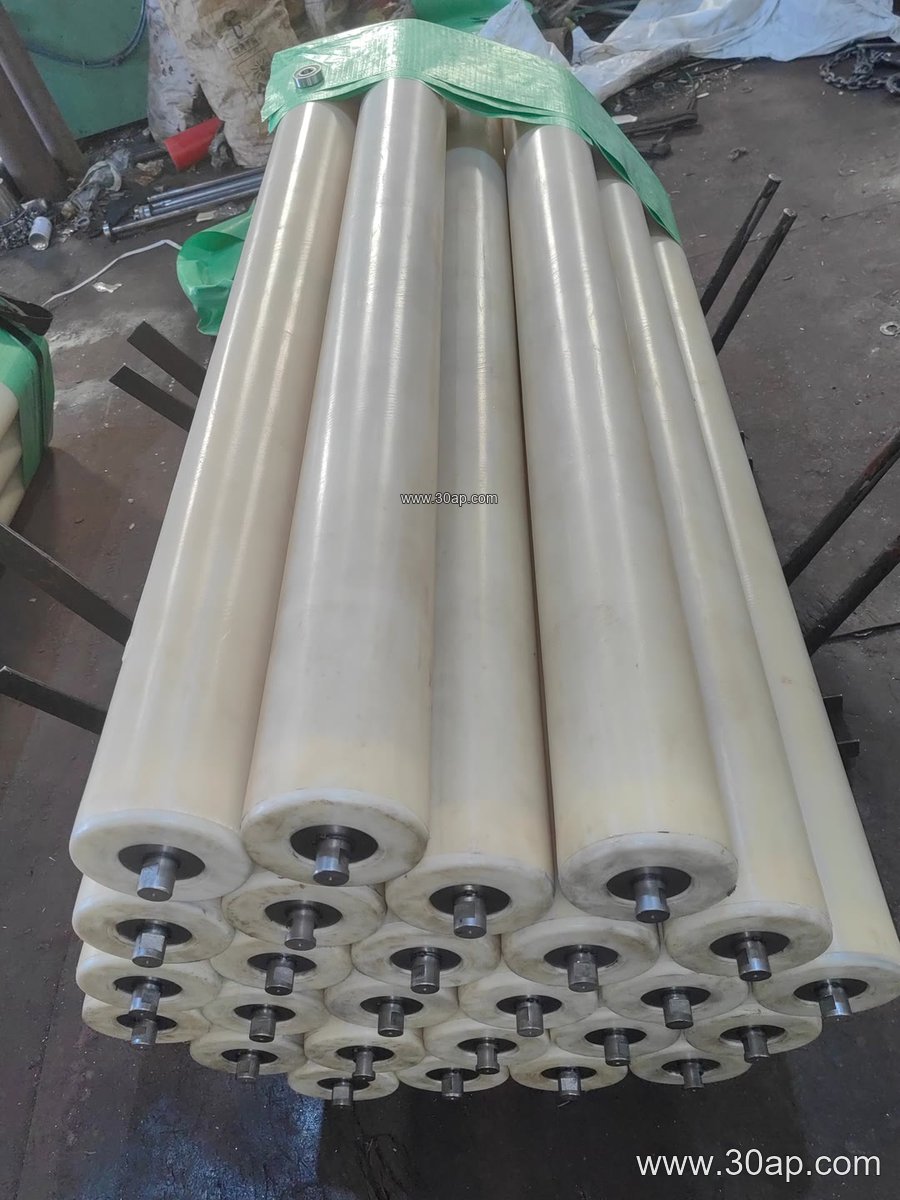
In coal mining, flame retardant conveyor belt and fire resistant conveyor belt are often paired with bend pulleys that have anti-static properties. For hot material like cement clinker, a heat resistant conveyor belt may be used, and the bend pulley should be positioned to avoid heat buildup. Oil resistant conveyor belt and abrasion resistant conveyor belt are common in recycling and aggregate applications, where lagging choice affects slip and wear.
Buyer Checklist for Bend Pulley Selection
- Belt width and type: Confirm the conveyor belt specification (e.g., EP1000, ST1600, PVG800S) and whether it is a fabric core or steel cord belt.
- Pulley diameter: Verify the required diameter based on belt minimum bend radius and tension. Do not assume a fixed relationship between belt width and pulley diameter.
- Shaft and bearing: Check shaft diameter and bearing type against actual load calculations, not just belt width.
- Lagging: Choose plain, rubber, diamond, or ceramic lagging based on grip requirements and environment. Thickness typically 8–15 mm, with 20 mm for severe conditions.
- Face width: Ensure the pulley face is wider than the belt, e.g., B650 ≈ 750 mm, B1000 ≈ 1150 mm, B1400 ≈ 1600 mm.
- Mounting: Confirm compatibility with conveyor bracket and available space.
For assistance with bend pulley specifications, contact our engineering team at beltconveyorpulley.com or explore our range of conveyor pulley solutions at conveyor pulley. We also supply matched conveyor belt and idler roller components for complete system integration. Visit conveyor belt for belt selection guidance.