What a Spiral Return Idler Does
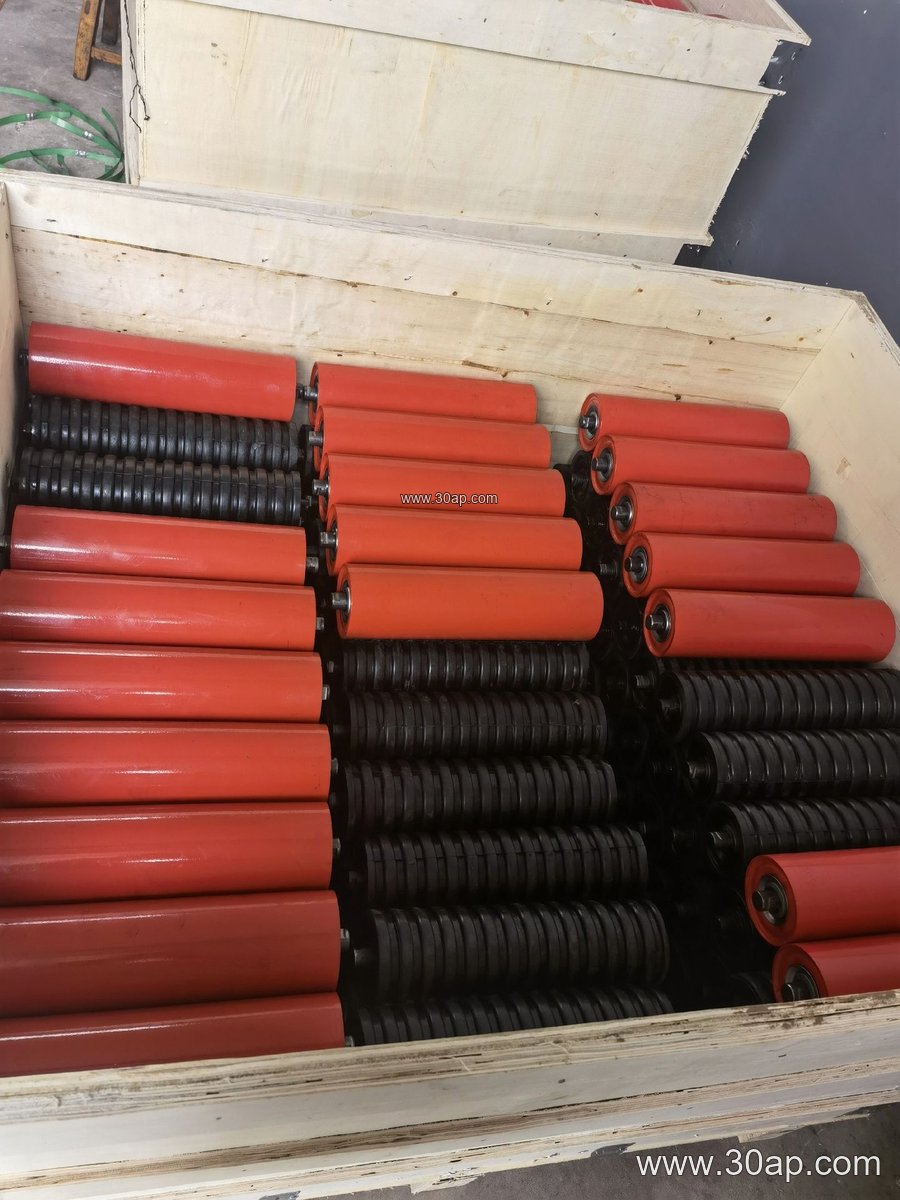
A spiral return idler is a return-side roller wrapped with a continuous helical flight, often called a spiral roller or helical return roller. It sits under the carrying run and supports the empty conveyor belt on its way back to the tail. The spiral profile does more than carry load: as the belt passes over it, the helix gently works the surface, knocking off loose dust, fines and sticky material before it reaches the tail pulley. In a quarry, a limestone mine or a cement plant, that small cleaning action can reduce build-up on the return side and keep the belt tracking more predictably.
This is a return idler, not a drive, tail or bend pulley, and it should not be confused with a troughing idler on the carrying side. It belongs to the same family as the plain flat return roller and the V-type return roller, but its spiral surface gives it a different job.
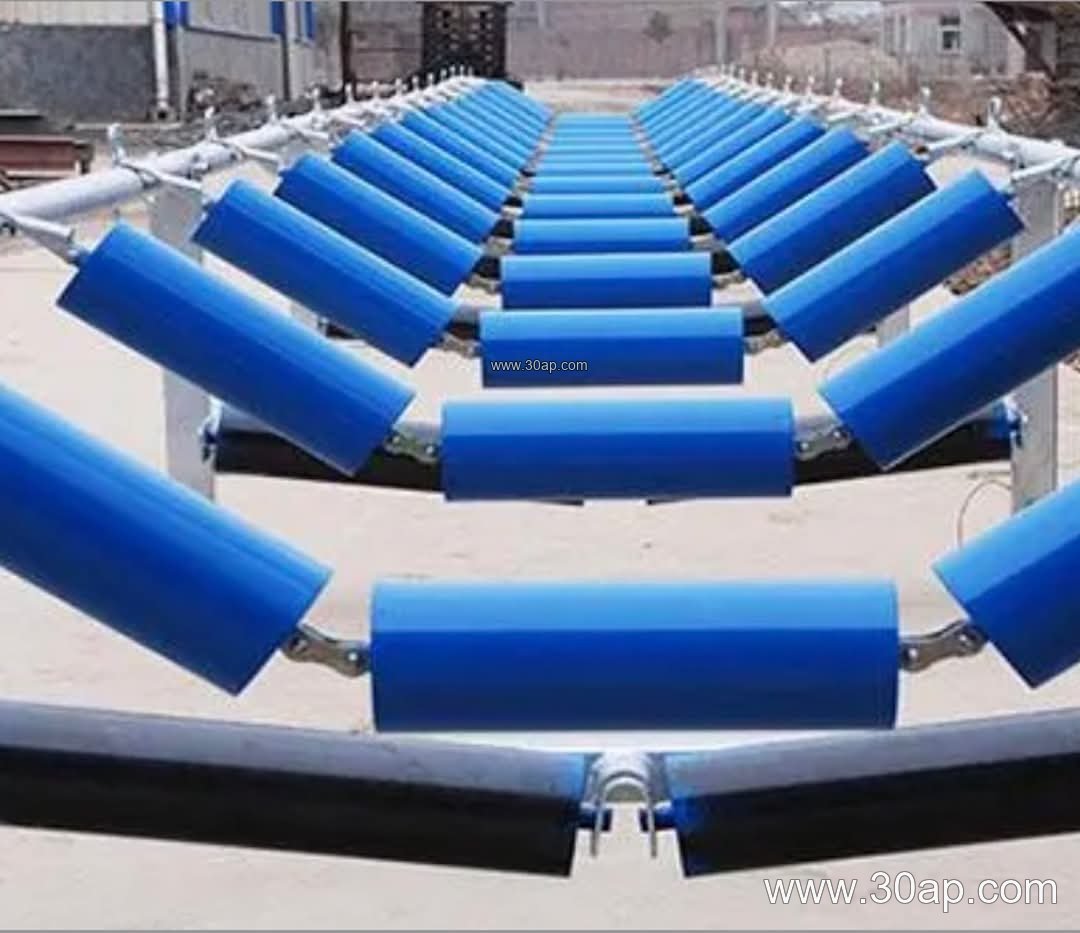
How the Roller Is Built
The body is usually a steel tube with a helical flight welded around it. The flight can be a flat strip or a formed profile, and the ends are fitted with bearing housings and shafts. Sealing matters on the return side because dust and water collect near the ground; a good labyrinth seal and a greased or sealed-for-life bearing keep the roller turning freely.
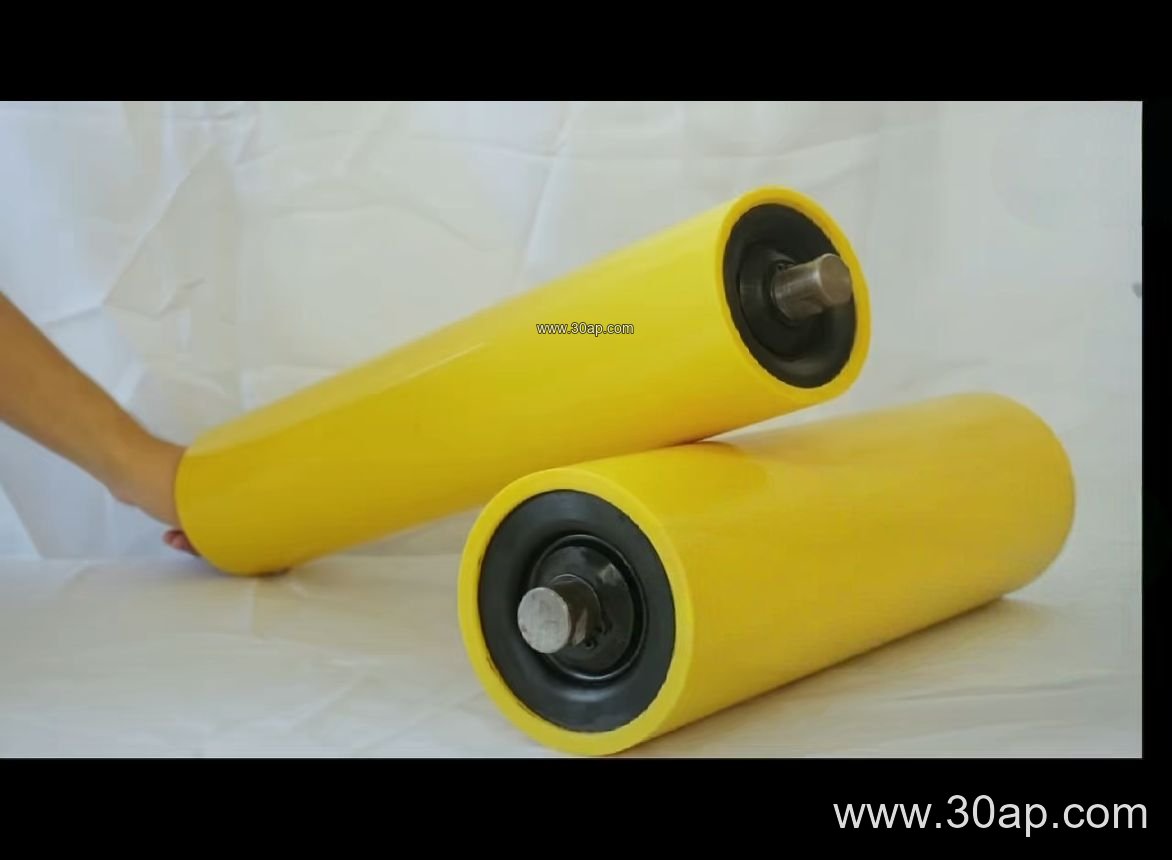
Common roller diameters include Ø89, Ø108, Ø127, Ø133 and Ø159, with larger sizes such as Ø178 and Ø194 used on heavy conveyors. Bearing selection follows the load and shaft design, and common sizes include 6204, 6205, 6305, 6306, 6308 and 6310. These are reference values, not fixed pairings, and the final shaft and bearing choice is set by the conveyor designer.
| Parameter | Typical reference |
|---|---|
| Roller diameter | Ø89, Ø108, Ø127, Ø133, Ø159, Ø178, Ø194 |
| Belt width | B500, B650, B800, B1000, B1200, B1400, B1600 |
| Roller length | Set by belt width and frame design, for example about 200 mm at B500 and about 380 mm at B1000 |
| Bearing | 6204, 6205, 6305, 6306, 6308, 6310 |
| Surface | Steel spiral flight, sometimes with rubber or wear-resistant coating |
The roller length is not fixed by belt width alone; side rollers, frame spacing and the return idler group arrangement all influence it. A buyer should confirm the shaft end type, the mounting bracket dimensions and the distance between the conveyor bracket centres before ordering.
Where It Fits on the Conveyor
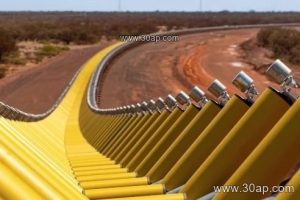
Spiral return idlers are common in sand and gravel lines, crushing and screening plants, coal handling at power stations, and bulk terminals where the belt surface stays damp or dusty. They are also used in fertilizer and grain handling, where fines cling to the belt and fall off along the return run. On a long overland conveyor, a series of spiral return idlers can be spaced between plain return rollers, especially in the zone after the discharge point where the belt is dirtiest.
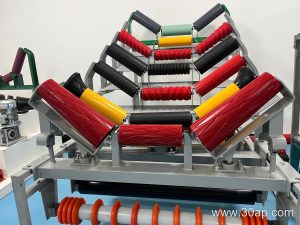
They work alongside the conveyor belt, the conveyor pulley at each end, the idler roller groups on the carrying side and the conveyor bracket that holds everything in line. A heavy-duty mining conveyor with a thick abrasion resistant conveyor belt may use a larger spiral roller, while a lighter aggregate line may be fine with a smaller diameter. The spiral does not replace a V-type return idler where belt training is the main concern, and it is not a substitute for a troughing idler on the load side.
Selection and Maintenance Notes
- Match the roller diameter and bearing to the belt width, belt weight and expected load; a wider belt such as B1400 or B1600 usually calls for a sturdier shaft and housing.
- Check the spiral pitch and flight height. A coarse flight clears lumpy material, while a finer flight is gentler on the belt cover.
- Confirm sealing for wet or washdown conditions; dusty coal or ore circuits need a seal that keeps grit out of the bearing.
- Keep the return run aligned. A spiral roller will not correct serious belt misalignment, so use training idlers where needed.
- Inspect for worn flights, seized bearings and material wrapping around the shaft, and replace damaged rollers before they damage the belt edge.
For a plant handling abrasive bulk material, the spiral return idler is a practical addition to the return side, but it should be specified as part of the whole conveyor layout. Buyers comparing quotes should ask for the roller diameter, shaft size, bearing type, seal design and mounting dimensions in writing, and should confirm that the roller suits the actual belt width and frame rather than assuming one size fits every line.