What an EP Conveyor Belt Is
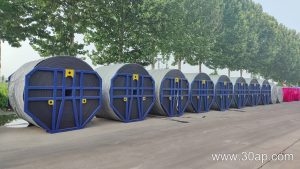
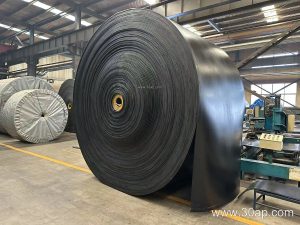
An EP conveyor belt is a fabric-core belt built on polyester warp and nylon weft plies. The carcass gives the belt its tensile strength and tracking stability, while the rubber covers protect the fabric from abrasion, moisture and impact. In many plants the product is simply called an EP rubber conveyor belt, and buyers may also see it listed as an EP fabric core conveyor belt. It is one of the most common choices for moving bulk material over long distances and moderate inclines.
The carcass differs from an NN conveyor belt, which uses nylon in both warp and weft. EP construction usually offers lower elongation under load, which helps when start-stop cycles and long spans make belt stretch a concern. For very high tensions or very long overland routes, a steel cord conveyor belt may be the better fit, but it is a different product family and should not be treated as a drop-in substitute.
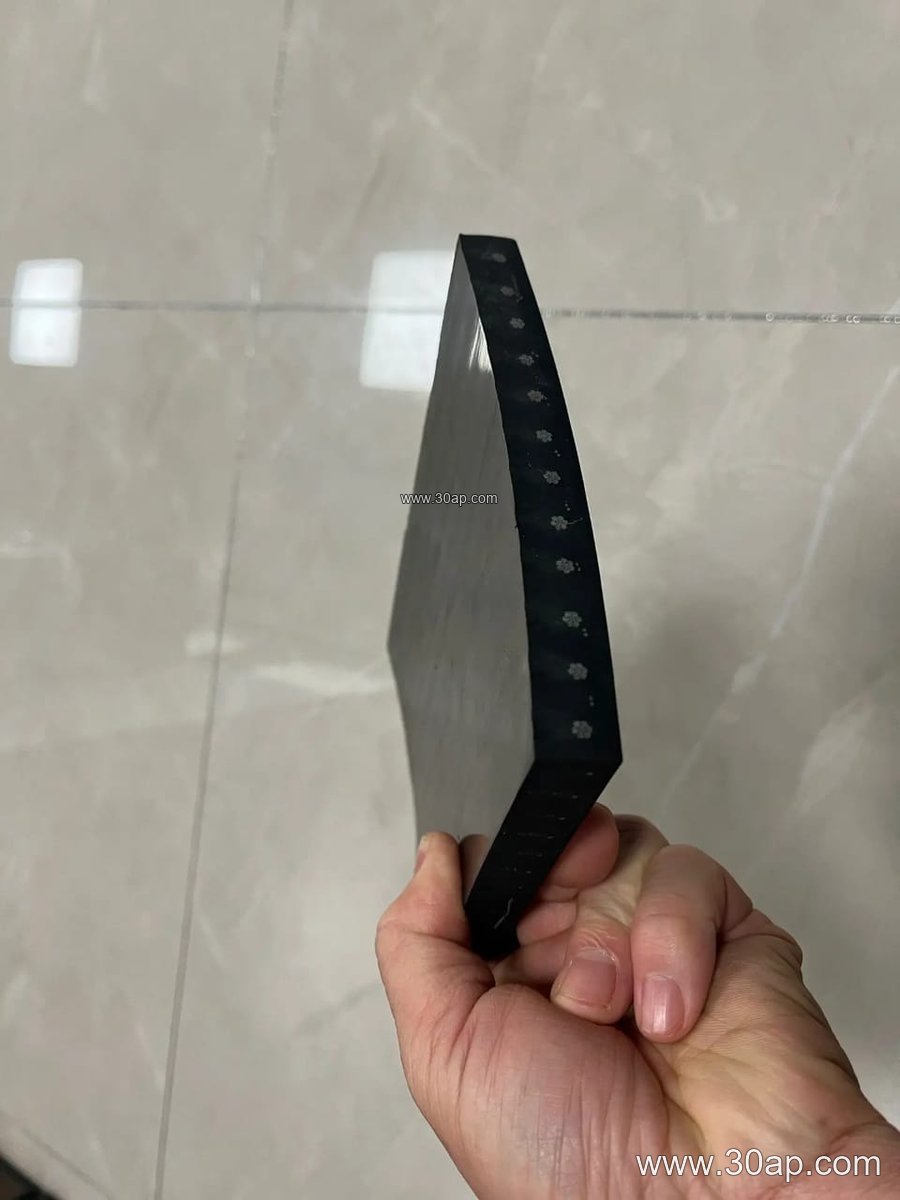
How the Belt Is Built
A typical EP belt stacks two to six fabric plies, bonds them with skim rubber, and adds top and bottom covers. Cover thickness is often written as a pair, for example 4+2 mm or 6+2 mm. The first number is the carrying-side cover; the second is the pulley-side cover. Common cover grades include abrasion resistant, heat resistant, oil resistant, flame retardant and anti-static versions, and these can be combined when a site needs more than one property.
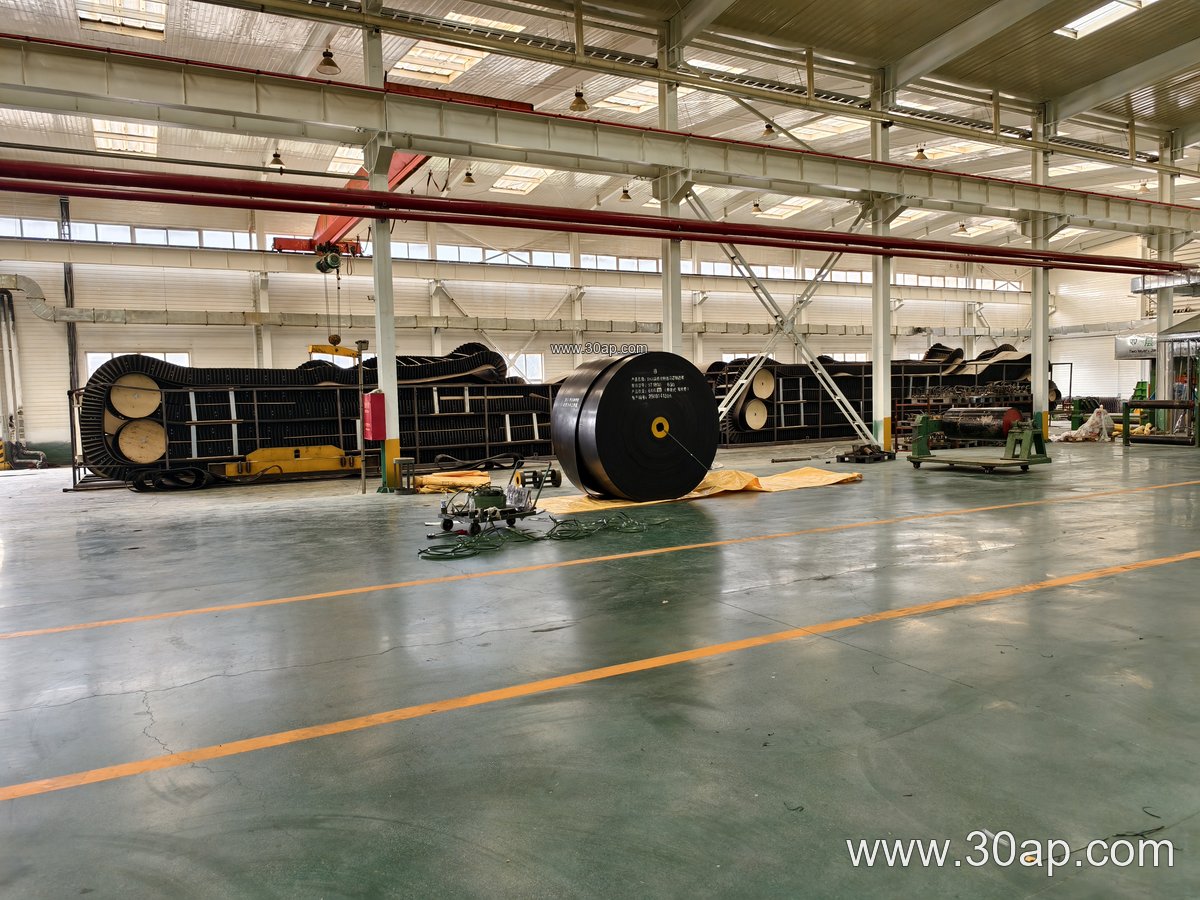
Common strength and width references
The table below shows typical reference values. Actual selection depends on the conveyor design, and different manufacturers publish different ranges.
| Property | Common reference values |
|---|---|
| Strength grade | EP200, EP315, EP400, EP500, EP630, EP800, EP1000, EP1250, EP1600, EP2000 |
| Belt width | B500, B650, B800, B1000, B1200, B1400, B1600, B1800, B2000 |
| Cover thickness | 3+1.5 mm, 4+2 mm, 5+2 mm, 6+2 mm, 8+3 mm |
| Ply count | Usually 2 to 6 plies |
These figures are starting points, not fixed pairings. A given belt width does not dictate one pulley diameter, and shaft sizes must come from the conveyor designer rather than from the belt width alone.
Where It Fits in the Plant
EP belting appears across mining, coal preparation, cement, power generation, quarries and sand and gravel operations. A primary crusher discharge or a quarry conveyor belt often uses a heavy-duty grade with thick covers and impact resistance at the loading point. Cement plants use it on clinker and raw meal lines, sometimes with heat resistant covers near kiln areas. Power plants and ports rely on it for coal and other bulk material, while a ship loading conveyor belt needs good troughability and steady tracking over long booms.
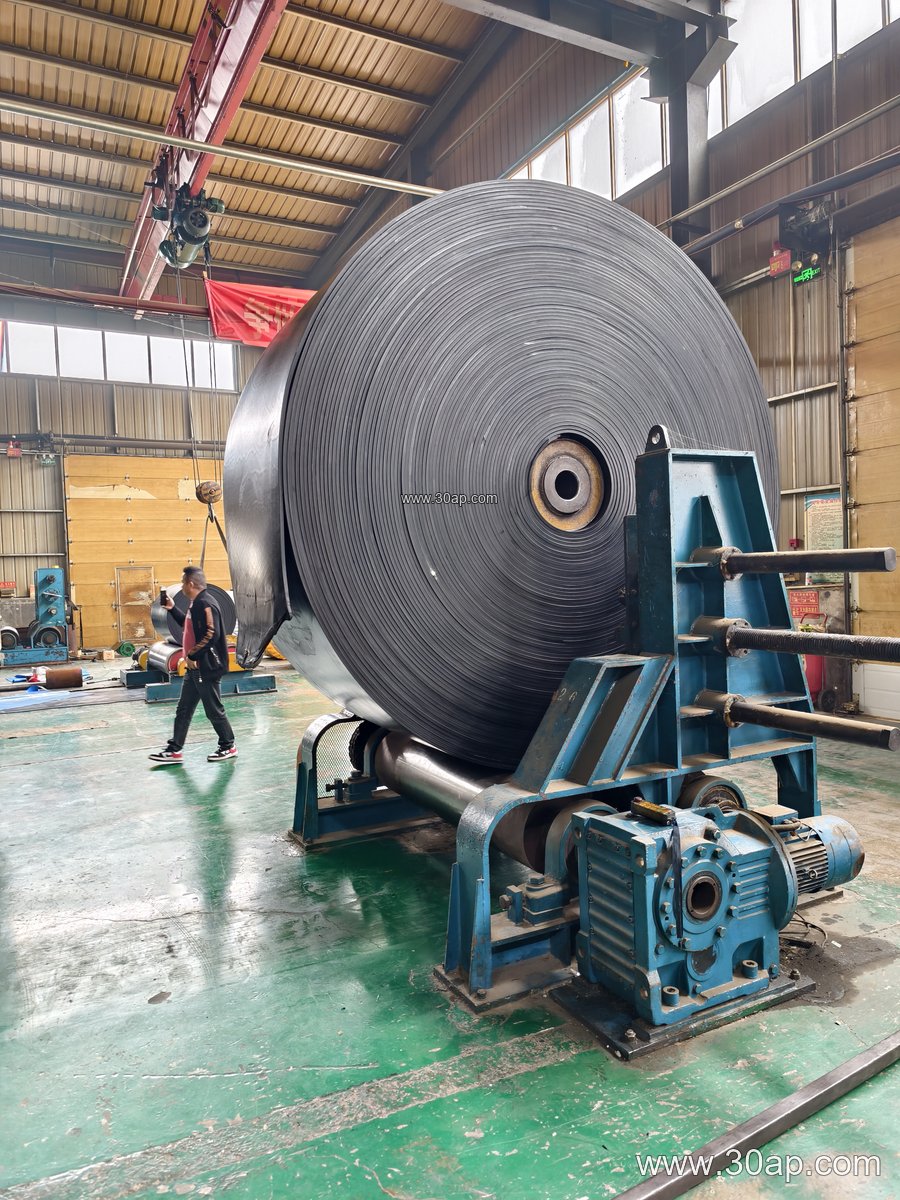
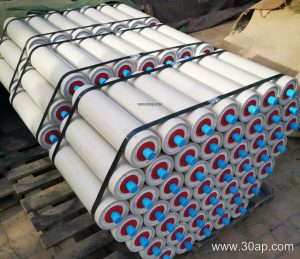
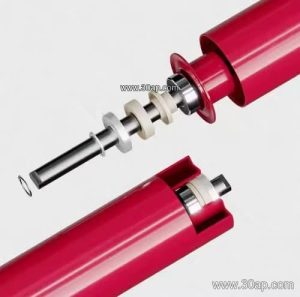
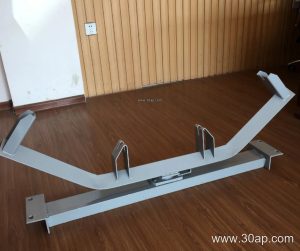
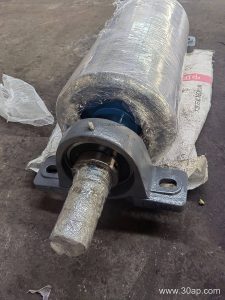
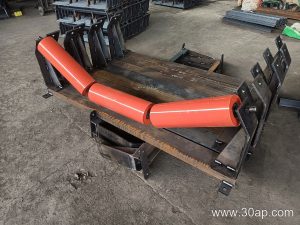
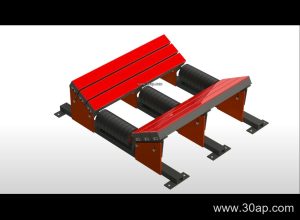
The belt does not work alone. A conveyor pulley at the head and tail, idler rollers along the carry and return sides, and conveyor brackets holding the structure all affect belt life. Poorly aligned idlers or a worn tail pulley can damage even a well-made belt, so mechanical checks matter as much as the belt specification.
Buyer Checklist
- Confirm the duty: material type, lump size, temperature, moisture and any oil or chemical exposure.
- Check whether flame retardant or anti-static properties are required, especially in underground coal mining conveyors.
- Match the strength grade to the calculated tension, not to a habit or an old invoice.
- Review cover thickness and grade against abrasion, impact and heat at the loading zone.
- Ask about splice method, edge condition and whether an endless conveyor belt is needed.
- Verify width, ply count and cover thickness against the actual conveyor drawings and pulley sizes.
For a mine or cement plant, the practical question is rarely just which grade to buy. It is whether the EP belt, the pulley lagging, the idler spacing and the loading chute work together. A short site review before ordering usually saves more than a small price difference between suppliers.