What a Chemical Resistant Conveyor Belt Is
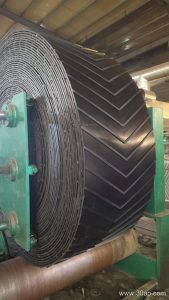
A chemical resistant conveyor belt is a fabric- or steel-reinforced rubber belt engineered to carry materials that would attack ordinary rubber covers. In a fertilizer plant, a phosphoric acid line, a salt handling terminal, or a mineral processing circuit, spills and residues can soften, swell, or crack a standard cover within months. The chemical resistant conveyor belt uses a cover compound chosen for low absorption and good resistance to acids, alkalis, and salt solutions, so the belt keeps its thickness and its grip on the load.
This is not a single universal compound. Suppliers usually offer grades aimed at acids, at alkalis, or at mixed chemical exposure, and the correct grade depends on the substance, its concentration, and the working temperature. Buyers should share the actual chemical list with the belt maker rather than ordering a generic acid resistant or alkali resistant product.
Construction and Belt Build
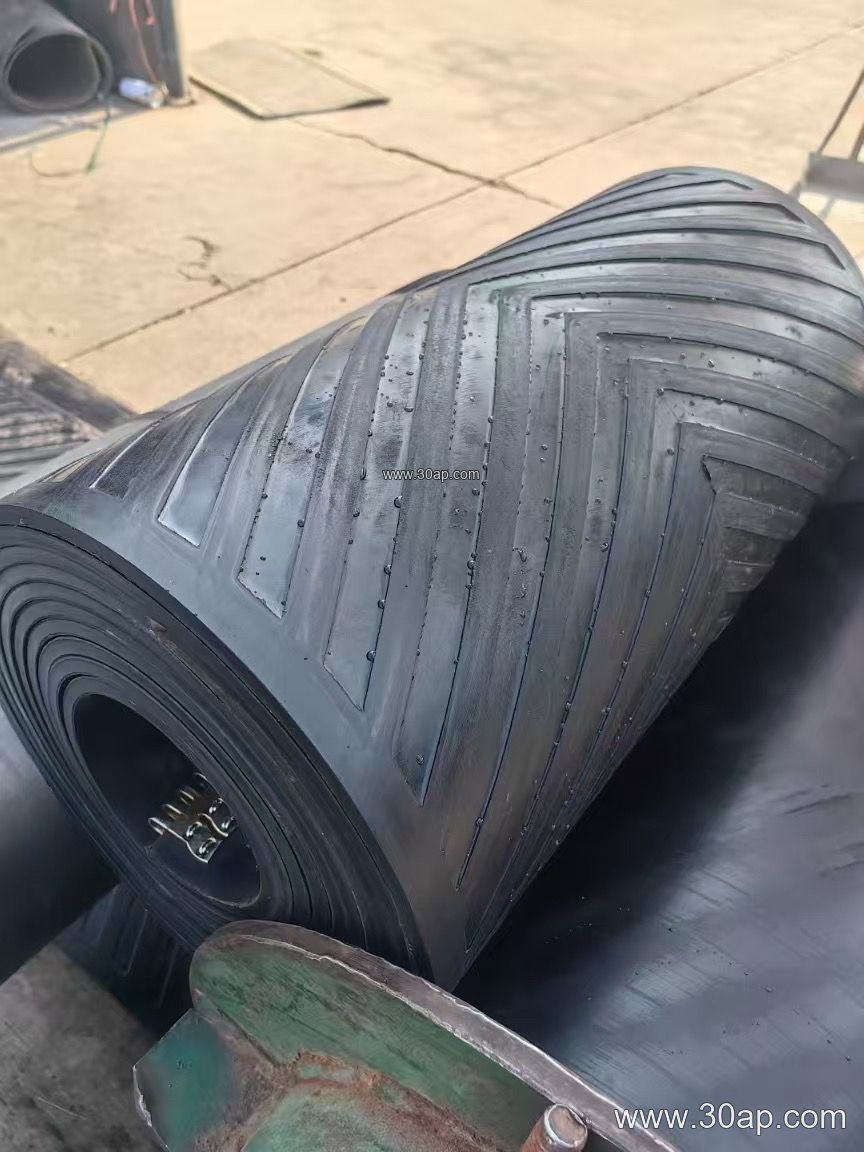
Most chemical resistant belts are built on a fabric core. An EP conveyor belt (polyester warp, nylon weft) or an NN conveyor belt (all nylon) gives good strength retention when the carcass is damp, which matters in washing and slurry environments. Multi-ply fabric core construction with two to six plies is common for moderate loads, while a steel cord conveyor belt is chosen when tension is high and stretch must stay low.
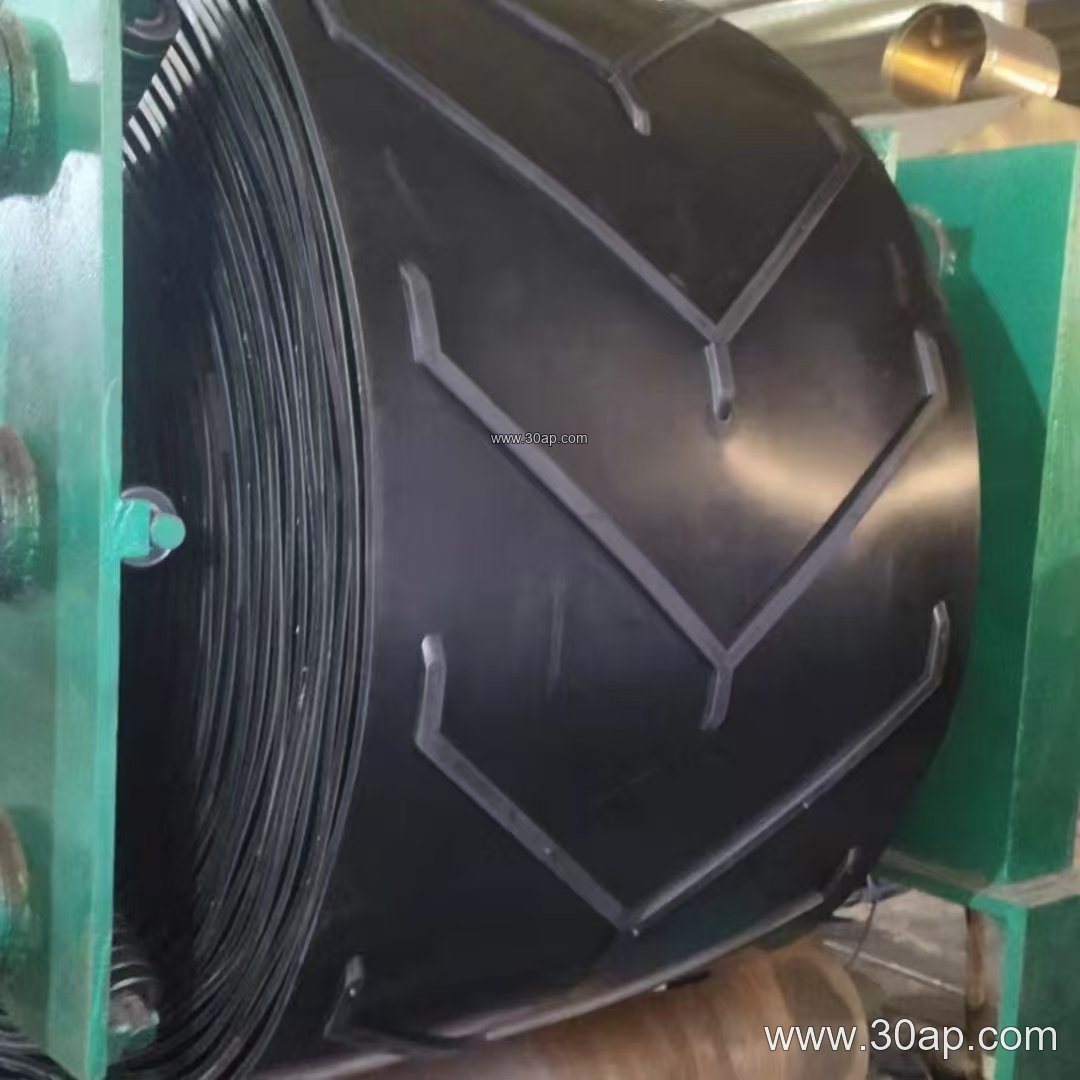
The cover is the working surface, and its thickness is a design choice. Typical top and bottom cover combinations include 3+1.5 mm, 4+2 mm, 5+2 mm, and 6+2 mm. A thicker top cover extends service life where the load is wet and abrasive at the same time. Edge protection, skim coats between plies, and a well-bonded cover-to-carcass interface all matter, because chemical attack often starts at cut edges and splice areas.
Common build data (reference values, not fixed specifications)
| Property | Typical range |
|---|---|
| Carcass type | EP fabric, NN fabric, steel cord |
| Full tensile strength grades | EP200 to EP2000 |
| Belt width | B500 to B2000 mm |
| Cover thickness (top + bottom) | 3+1.5, 4+2, 5+2, 6+2, 8+3 mm |
| Number of plies | 2 to 6 (fabric cores) |
Where It Fits in the Plant
Chemical duty appears across many industries. In a fertilizer or chemical plant, belts move prilled product, gypsum, and damp filter cake. In a power plant, flue gas desulfurization systems handle lime slurry and gypsum. Salt and potash handling, mineral sand processing, and some copper ore and gold mining leach circuits also expose belts to aggressive residues. A quarry or aggregate conveyor belt rarely needs chemical protection, but a sand washing line with recycled process water sometimes does.
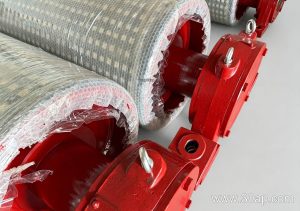
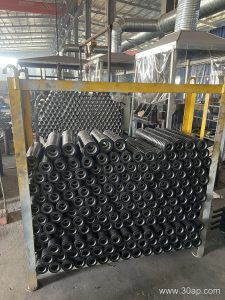
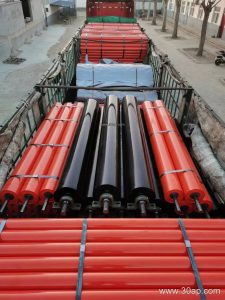
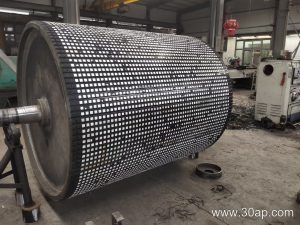
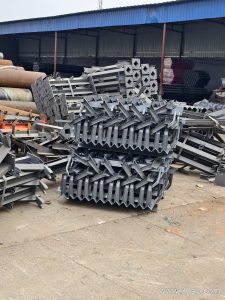
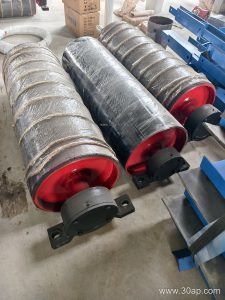
The belt does not work alone. The conveyor pulley, idler roller, and conveyor bracket should be selected for the same wet, corrosive environment, usually with suitable coatings or stainless components, so the belt is not the only part of the line that fails. If the duty also involves heat, a heat resistant conveyor belt may be the better base, with chemical resistance added to the cover; if oil is present, an oil resistant conveyor belt is the right starting point.
Selection Points for Buyers
- Chemical list and concentration: give the belt maker the exact substances, strength, and temperature. Acid resistance and alkali resistance are different properties.
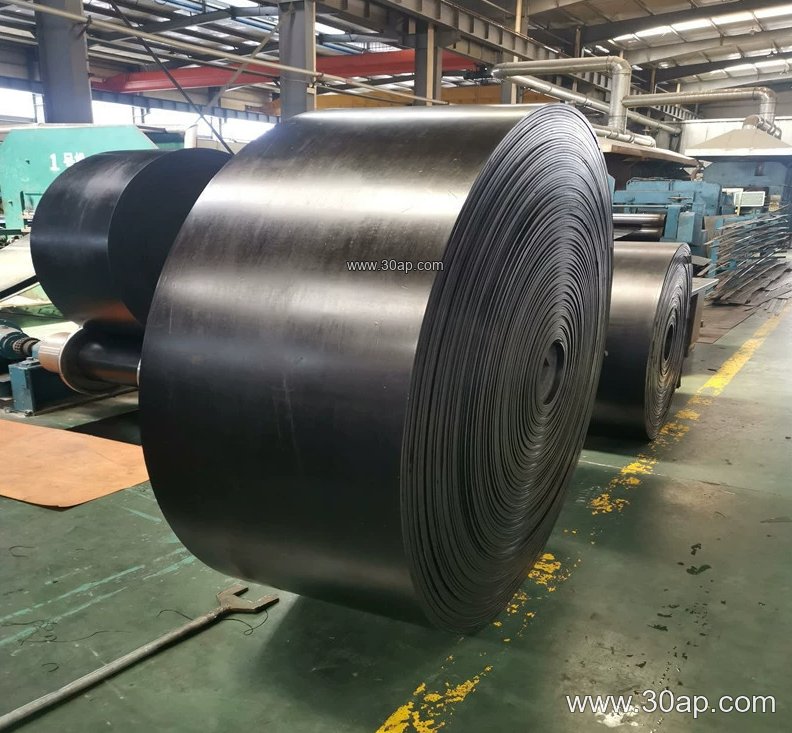
- Strength grade: match the full tensile grade to the calculated belt tension, with a sensible safety factor. EP400 or EP630 is common on medium lines; EP1000 and above suit long, heavily loaded conveyors.
- Width and pulley fit: belt width and pulley diameter are separate design decisions. A B800 or B1000 belt can run on several pulley sizes depending on tension and wrap angle, so never assume one width implies one pulley diameter.
- Cover thickness: choose for wear as well as chemistry. A 6+2 mm cover may be justified where the load is both wet and abrasive.
- Splice method: vulcanized splices usually outperform mechanical fasteners in chemical service because there are no exposed metal edges to corrode.
- Companion parts: specify pulley lagging, roller materials, and frame coatings together with the belt.
Care and Troubleshooting
Wash-down is helpful, but standing pools of process water at the tail end accelerate cover swelling. Keep the return side drained, check the conveyor pulley for buildup, and inspect the belt edges for wicking. Store spare rolls away from sunlight, ozone sources, and chemical fumes. When a belt shows cover hardening, cracking, or ply separation near the edges, replace it before the carcass is exposed.
For more belt, roller, and pulley guidance, visit www.example-conveyor.com or review the chemical resistant conveyor belt range at www.example-conveyor.com/chemical-resistant-belt before finalizing a specification.