What This Belt Is Built to Do
A high abrasion resistant conveyor belt is designed for the places where ordinary belting wears out too fast. Sharp rock, crushed stone, sinter, clinker and ore all slide across the cover at speed, and the cover has to absorb that grinding without failing. This is a rubber conveyor belt in which the top cover compound is formulated for maximum wear life, while the carcass is selected to carry the required load. It is not a single fixed product; the wear-resistant cover can sit on an EP conveyor belt, an NN conveyor belt, a multi-ply fabric core belt or a steel cord belt, depending on tension and impact.
Mines, quarries, cement plants, power stations and sand and gravel yards are the usual homes for this belt. In a coal mining conveyor line it may also need flame retardant properties, and in a port or ship loading system the same abrasion resistance keeps the belt alive through constant heavy loading.
How the Belt Is Put Together
The wear performance comes mainly from the cover compound, but the whole construction matters. A typical build combines:
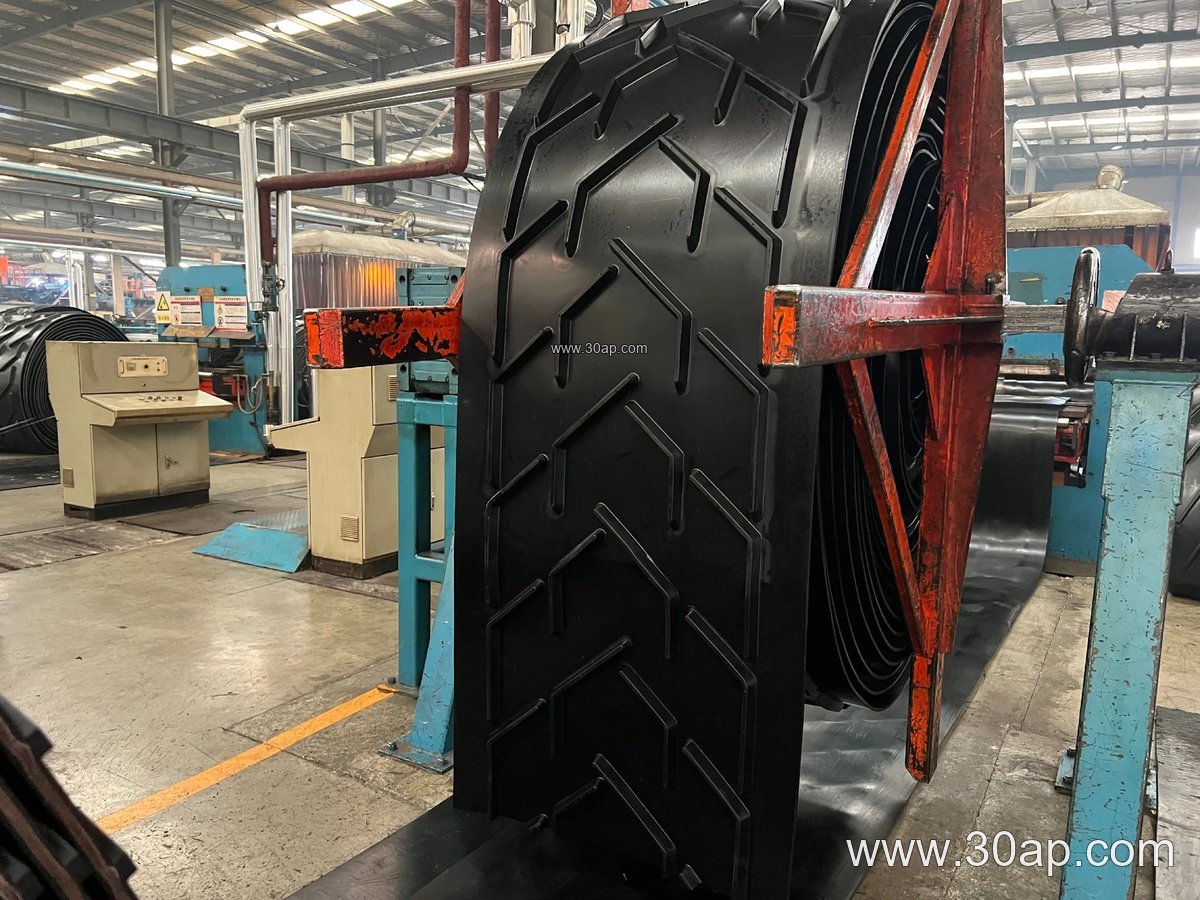
- A thick, tough top cover with high abrasion resistance, often in grades such as 4+2, 5+2, 6+2 or 8+3 mm.
- A fabric core of 2 to 6 plies, or a steel cord carcass for very long, high-tension runs.
- A thinner bottom cover that runs against the idler roller and pulley faces.
- Edges that are sealed to resist fraying and water ingress.
Fabric cores are usually described by strength class. Common examples include EP200, EP315, EP400, EP630, EP1000 and EP1250, and the buyer may see the same belt described as an abrasion resistant conveyor belt, a wear resistant belt or a heavy-duty conveyor belt. Those names point to the same duty, not to different product families.
Where It Fits in the Plant
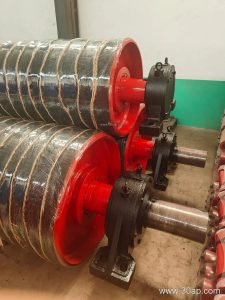
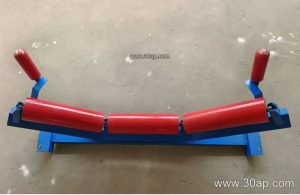
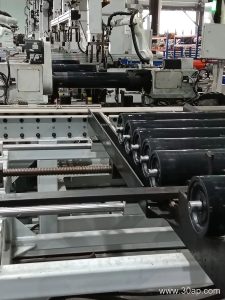
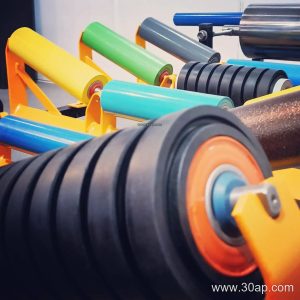
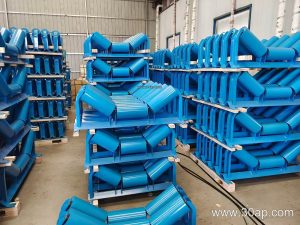
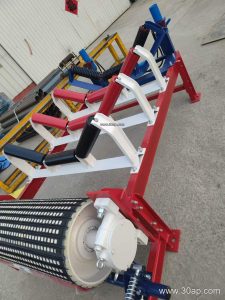
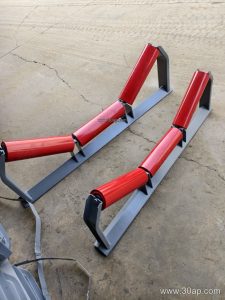
The belt is only one part of the conveyor. A high abrasion resistant conveyor belt usually runs over a drive pulley, a tail pulley and one or more bend pulleys, and each of those has its own job. They are not interchangeable, and none of them should be chosen from belt width alone. Supporting idler rollers and conveyor brackets also affect belt life, because poor alignment or seized rollers can wear an edge faster than the load itself.
Typical duty points include crusher discharge, screen feed, stockpile conveyors and transfer points. In a quarry conveyor belt or aggregate conveyor belt, impact at the load point is often as damaging as sliding abrasion, so an impact resistant conveyor belt or a thicker cover may be the better match.
Common Sizes and Strength Classes
The table below shows reference values that appear in product data. They are typical examples, not fixed combinations, and final selection follows the conveyor design.
| Item | Common Reference Values |
|---|---|
| Belt width | B500, B650, B800, B1000, B1200, B1400, B1600, B1800, B2000 |
| Fabric strength class | EP200, EP315, EP400, EP500, EP630, EP800, EP1000, EP1250, EP1600, EP2000 |
| Cover thickness | 3+1.5, 4+2, 5+2, 6+2, 8+3 mm |
| Carcass plies | 2 to 6 plies, depending on class |
| Steel cord class | ST1000, ST1250, ST1600, ST2000 and above for long runs |
A 1200mm wide conveyor belt and a 1500mm wide conveyor belt are both common in aggregate plants, but the pulley diameter, shaft and take-up must be calculated for the actual tension and load, not copied from another line.
Buyer Checklist
- Match the cover grade to the material: sharp rock and clinker need more wear resistance than grain or sand.
- Check whether the line also needs heat resistant, oil resistant, flame retardant or anti-static properties.
- Confirm the carcass class and ply count against the working tension and transition distances.
- Review pulley sizes, idler roller spacing and loading conditions before fixing cover thickness.
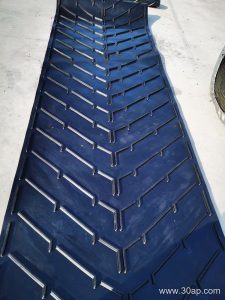
- For steep inclines, compare with a chevron conveyor belt or corrugated sidewall belt only when the standard belt cannot hold the load.
Well-chosen abrasion resistant belting, combined with sound pulleys, rollers and brackets, keeps a bulk material conveyor running longer between stoppages. Buyers who compare cover grade, carcass class and site conditions together usually get the most service life from each belt.