What a Heavy-Duty Mining Conveyor Belt Is
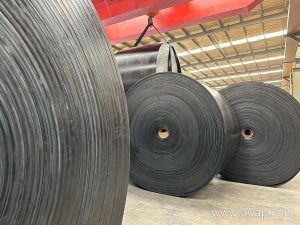
A heavy-duty mining conveyor belt is the load-carrying element of a bulk handling system built for abrasive rock, ore, coal, and aggregate. In practice, buyers often call it a mining conveyor belt, and the two names describe the same product family. It differs from a general-purpose belt in its thicker covers, stronger carcass, and higher resistance to cutting, impact, and edge wear. Whether the site is an underground coal face, a quarry bench, a cement plant clinker line, a power plant coal yard, or a sand and gravel stockyard, the belt is expected to run for long shifts with minimal stoppage.
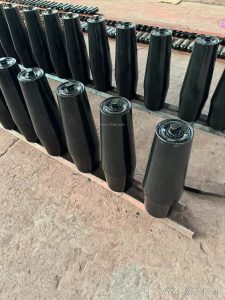
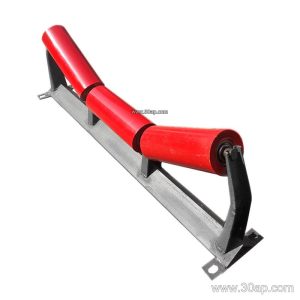
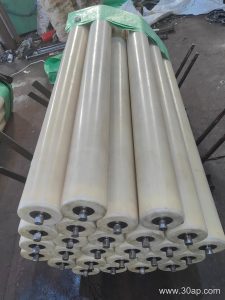
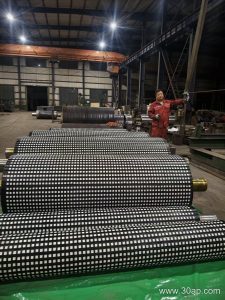
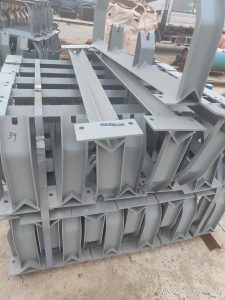
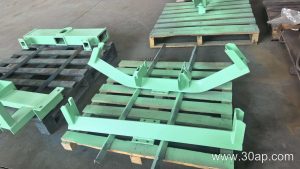
The belt works together with conveyor pulleys, idler rollers, and conveyor brackets. Each component has its own job: the drive pulley transmits power, the tail pulley returns the belt, and bend pulleys guide the path. These are separate parts and should never be treated as substitutes for one another.
Construction and Carcass Options
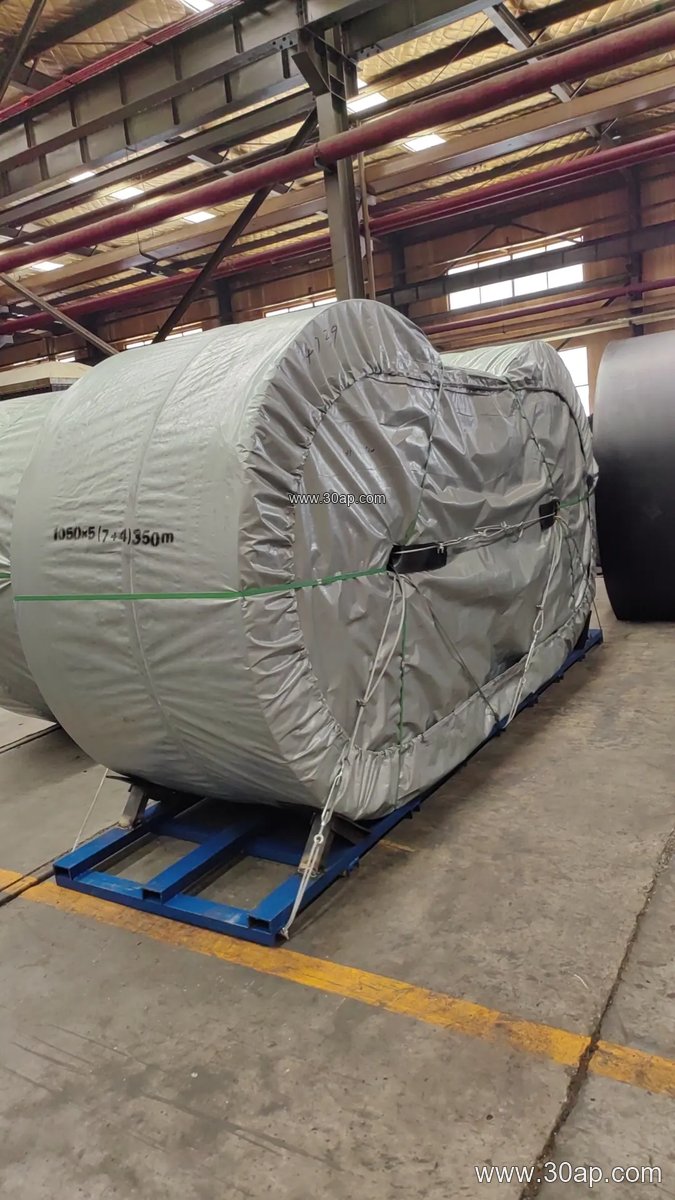
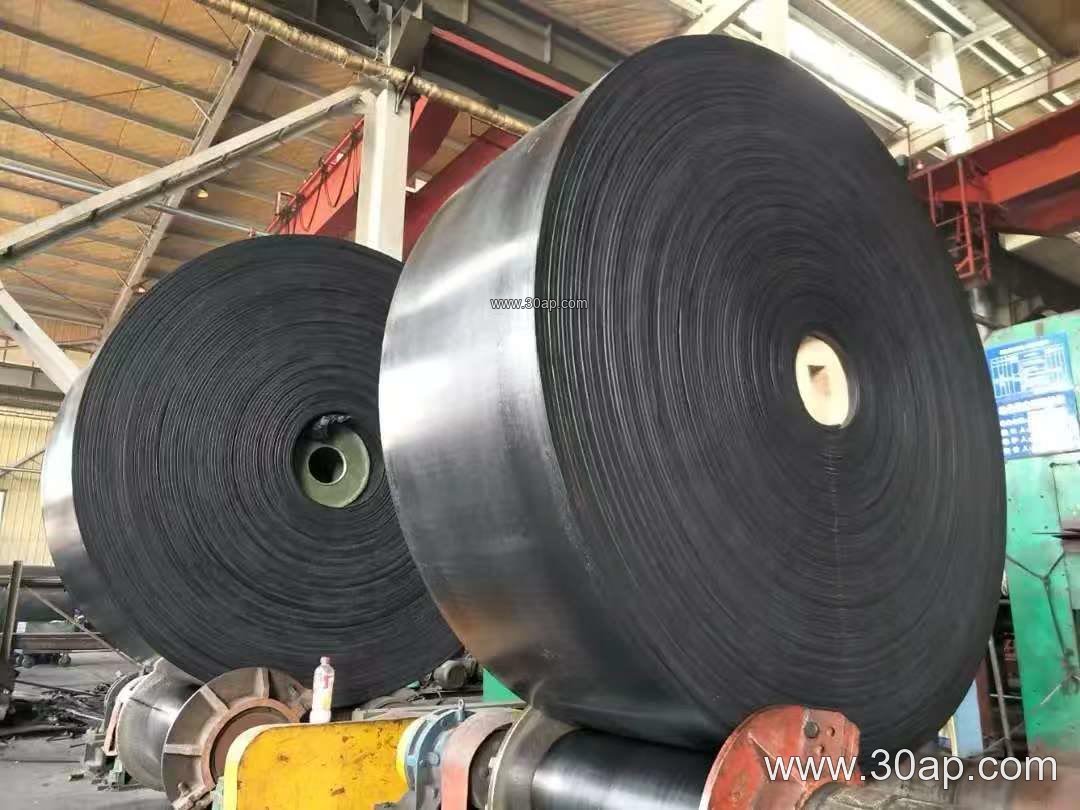
The carcass carries tension, while the rubber covers protect it from the material. Common constructions include multi-ply fabric core, steel cord, and solid-woven PVC or PVG types. A multi-ply fabric core conveyor belt uses several fabric layers bonded under rubber, which suits medium to long conveyors with moderate shock loads. An EP conveyor belt uses polyester warp and nylon weft for low elongation and good troughability. An NN conveyor belt uses nylon in both directions and offers high flexibility. Steel cord conveyor belts are chosen for very long runs and high tension.
| Construction | Common Strength Range | Typical Use |
|---|---|---|
| EP fabric core | EP200 to EP2000 | Coal, ore, aggregate, cement |
| NN fabric core | NN100 to NN400 | Flexible runs, general bulk material |
| Steel cord | ST1000 to ST3150 | Long distance, high tonnage |
| PVG solid woven | PVG800, PVG800S | Underground coal mining |
Cover compounds are selected by duty. An abrasion resistant conveyor belt handles crushed rock and sinter, a heat resistant conveyor belt suits clinker and coke, and a flame retardant or fire resistant grade is common in coal mining. Oil resistant, cold resistant, and anti-static versions are available where the environment demands them. Cover thickness is usually quoted as top plus bottom, for example 6+2 mm or 8+3 mm, with 2 to 6 fabric plies being common.
Where It Runs
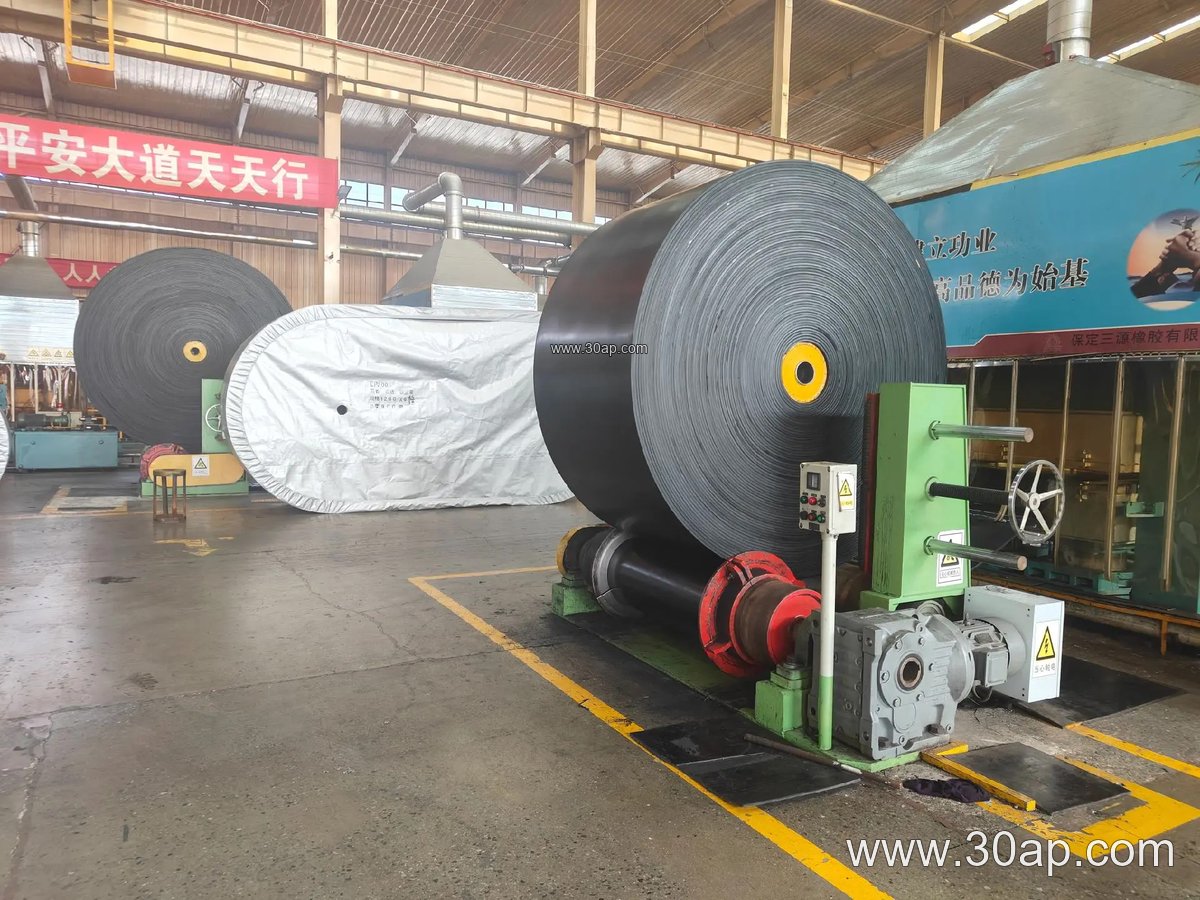
Heavy-duty belts appear across mining and heavy industry. Underground coal mining conveyor belts must often combine flame retardancy with anti-static properties. Quarry and aggregate conveyors move blasted stone from the crusher, where impact resistant covers reduce gouging at the loading point. Iron ore, copper ore, and gold mining operations use high strength belts over long distances. Cement plants rely on heat resistant grades for clinker, while power plants handle coal with flame retardant belts. Port and ship loading terminals use wide belts, sometimes 1800 mm or 2000 mm, to move bulk material at high rates.
Special profiles solve specific problems. A chevron conveyor belt or corrugated sidewall belt holds material on steep inclines, a skirted belt contains material at the transfer point, and a pipe conveyor belt encloses the load to reduce spillage and dust. An endless conveyor belt is spliced to a continuous loop for stable tracking.
Specifications a Buyer Should Confirm
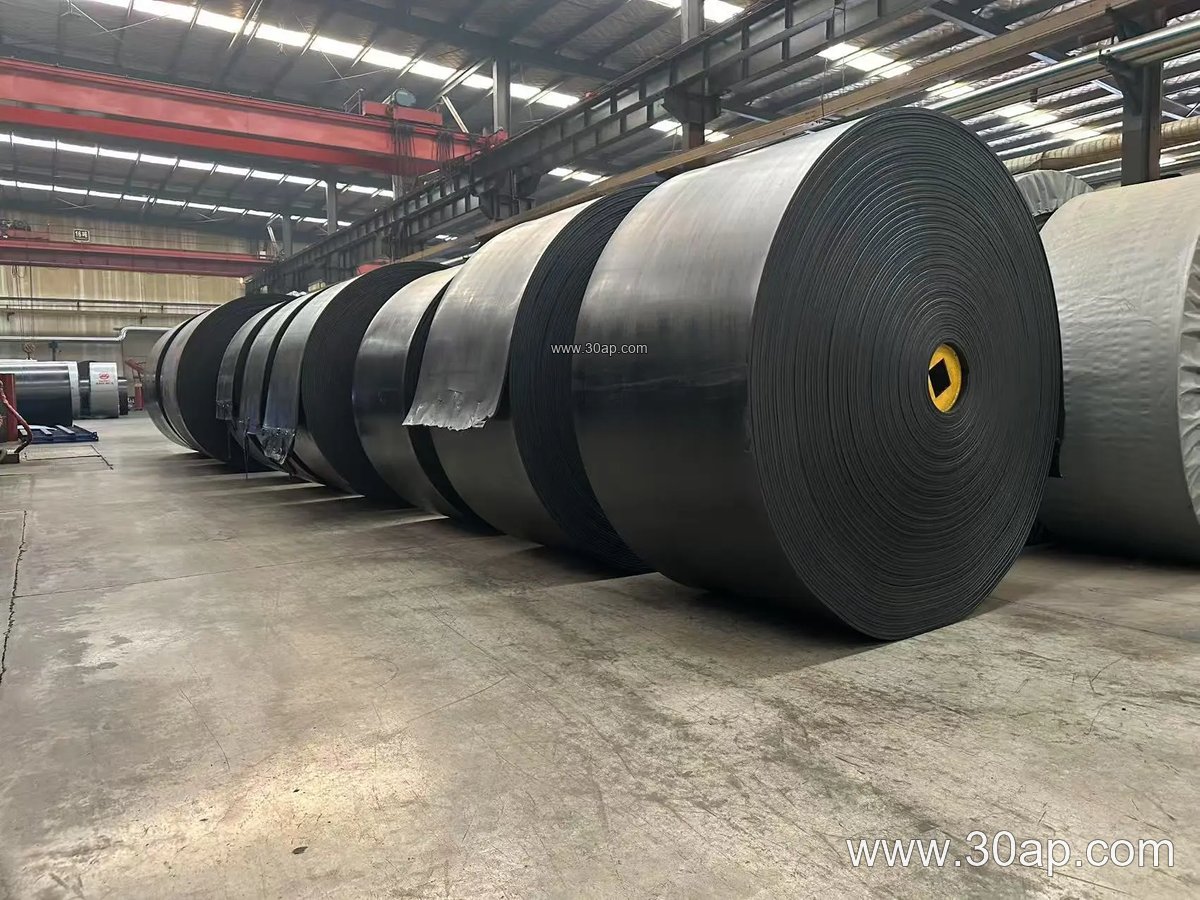
Belt width, strength, cover grade, and splice method should all be confirmed against the conveyor design. Widths such as 650 mm, 800 mm, 1000 mm, 1200 mm, 1400 mm, and 1600 mm are common, but no single width is mandatory. A 1200 mm wide belt does not automatically dictate one pulley diameter; the pulley size depends on tension, cord or ply type, and the manufacturer’s recommendation.
- State the material type, lump size, and temperature.
- Confirm the required tensile strength, such as EP1000 or ST1600.
- Specify cover thickness and grade, for example abrasion resistant 8+3 mm.
- Describe the environment: wet, oily, dusty, or underground coal.
- Agree on splicing: vulcanized, mechanical, or endless.
Installation and Maintenance Notes
Correct alignment of idler rollers and pulleys prevents edge damage and premature cover wear. Keep the loading point centered so impact is spread across the belt, and check that skirt rubber does not press too hard. Inspect splices regularly, since most failures begin at the joint. Store spare belts away from sunlight and oil, and rotate stock so rubber does not age in place.
For more technical guidance on matching belts with rollers and frames, visit belt.top and review the conveyor belt options before specifying a heavy-duty mining conveyor belt for your site.