What a Double-Sealed Idler Is
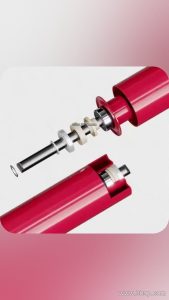
A double-sealed idler is a conveyor roller that uses two sealing stages at each bearing end to keep dust, grit, and moisture away from the bearing cavity. In a quarry, coal preparation plant, or cement plant, fine particles are the main enemy of idler life. The double-sealed idler roller addresses that problem directly by adding a secondary barrier behind the outer seal. This arrangement is common on troughing idlers, return idlers, and impact idlers where the conveyor belt carries abrasive bulk material.
How the Sealing Arrangement Works
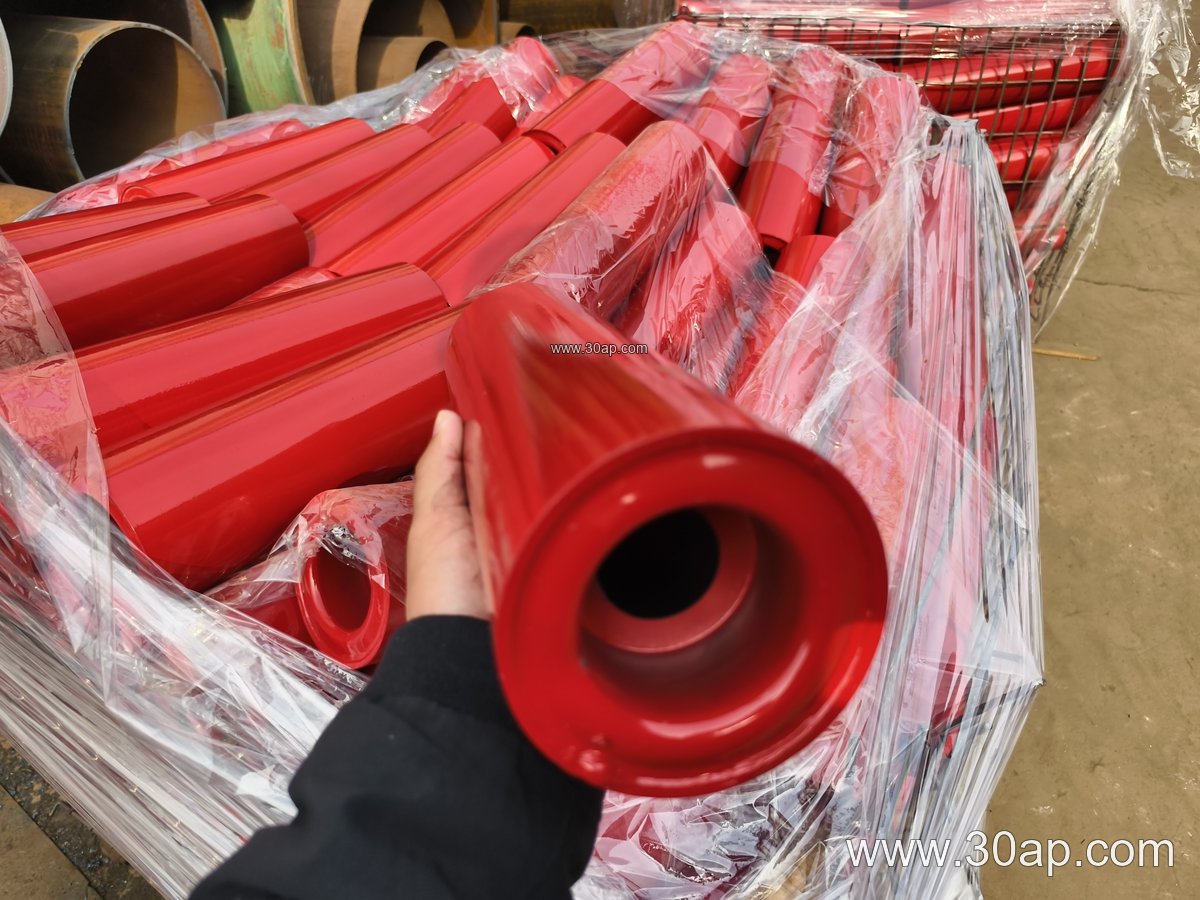
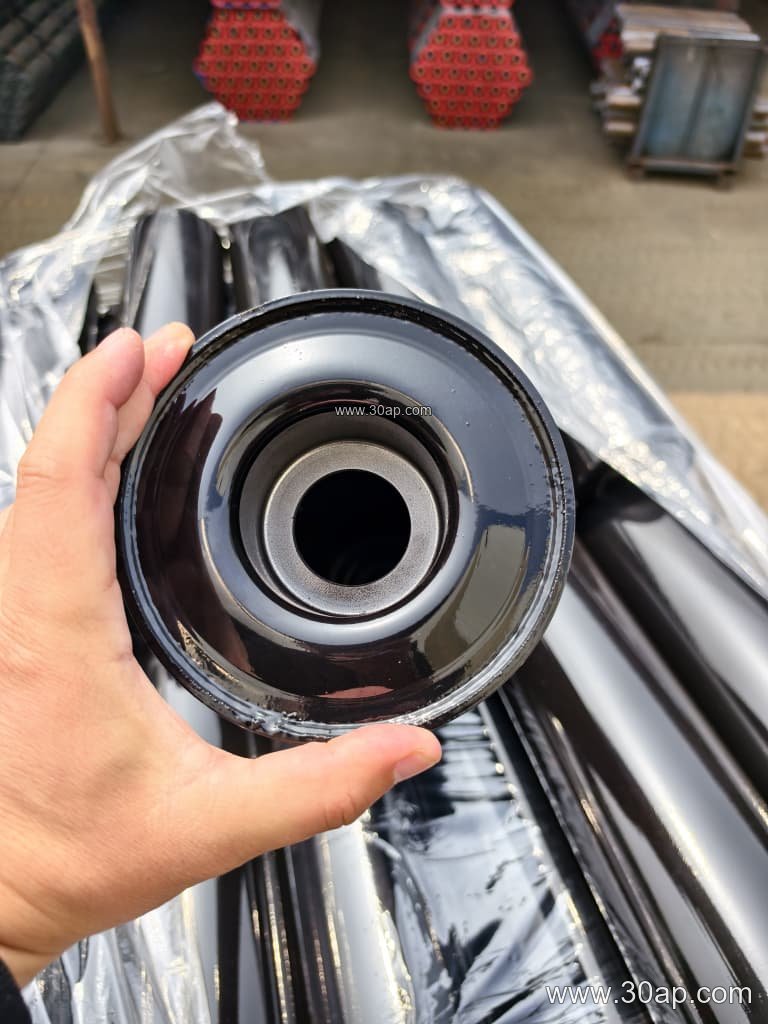
Most double-sealed idler rollers combine a labyrinth seal with a lip seal, or two labyrinth stages, depending on the manufacturer. The outer stage blocks the bulk of the dust; the inner stage protects the bearing grease. Bearing sizes such as 6205, 6305, or 6308 appear in these rollers, but the bearing number should always be matched to the calculated load, not chosen by habit. The roller shell is usually steel tube, and the shaft ends are machined for the conveyor bracket. A double-sealed idler is not a single fixed design; it is a sealing concept applied across troughing, return, and impact idler types.
Where Double-Sealed Idlers Fit in a Plant
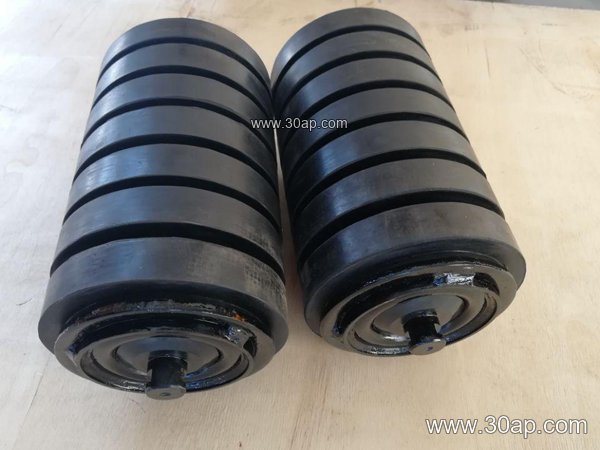
These idlers suit dusty and slightly wet conditions. In a limestone quarry, the return side of a conveyor belt often collects fine dust that works into standard seals. In a coal preparation plant or a power plant coal yard, double-sealed idlers on the carrying side help reduce bearing failures between maintenance windows. A sand and gravel line with frequent spillage also benefits. The same sealing approach appears on impact idlers under a crusher discharge, where the belt carries heavy lumps and dust at the same time.
Troughing and Return Configurations
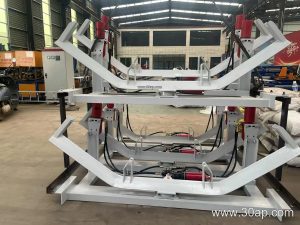
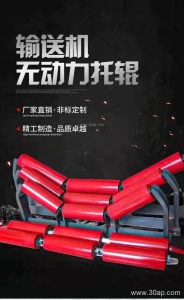
A double-sealed troughing idler is often supplied as a three-roll set with a 30-degree or 35-degree trough angle; 45-degree sets are used where the material is difficult to contain. Return idlers may be flat or V-shaped, and the sealing detail stays the same. Roller diameters commonly range from Ø89 to Ø159 for plant conveyors, while larger diameters such as Ø178 or Ø219 appear on high-capacity lines. Belt widths from B500 to B2000 are common, but the roller length must follow the belt width, trough angle, and idler arrangement. For example, a three-roll troughing set on B1000 often uses a center roll near 380 mm, while B1400 may use about 530 mm. These are typical reference values, not fixed rules.
Common Reference Dimensions
| Item | Typical Range or Example |
|---|---|
| Roller diameter | Ø89, Ø102, Ø108, Ø127, Ø133, Ø159 |
| Belt width | B500, B650, B800, B1000, B1200, B1400 |
| Trough angle | 20°, 30°, 35°, 45° |
| Bearing | 6205, 6305, 6306, 6308 |
| Roller surface | Steel tube, nylon, rubber rings |
When specifying, give the belt width, the idler type, and the measured roller length. Do not assume that one belt width locks in one roller diameter or one shaft size.
Materials and Belt Compatibility
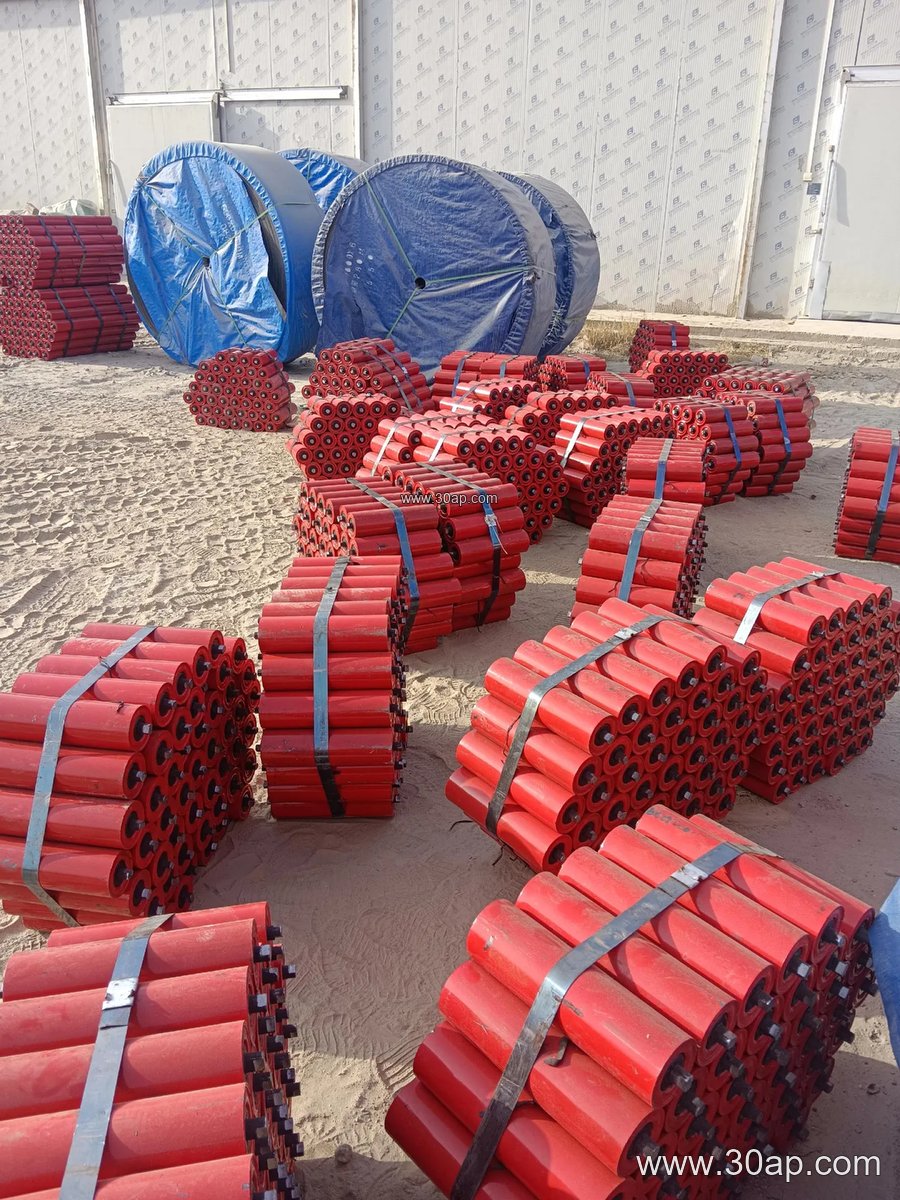
The idler must match the conveyor belt it supports. An abrasion resistant conveyor belt in a crusher line produces sharp fines that demand robust sealing. A flame retardant conveyor belt used underground brings additional safety requirements for the whole conveyor, including idler components. In a cement plant, heat resistant conveyor belt sections near the kiln discharge may need idlers rated for higher temperatures, and the seal material should be checked as well. A pipe conveyor belt or a corrugated sidewall conveyor belt has different idler geometry, so double-sealed rollers should be selected by the conveyor designer rather than copied from a flat-belt line.
What Buyers Should Check
- Confirm the sealing design: two-stage labyrinth, labyrinth plus lip seal, or another arrangement.
- Match the bearing to the load and speed, not only to the roller diameter.
- Check the roller length against the actual conveyor bracket spacing and belt width.
- Ask for the grease type and the recommended re-lubrication interval, if the bearing is serviceable.
- For dusty service, compare double-sealed idlers with standard sealed rollers on the same conveyor section before changing the whole line.
A double-sealed idler will not replace good belt tracking or proper skirt clearance, but it is a practical upgrade where dust and moisture shorten bearing life. For plant conveyors carrying coal, clinker, limestone, or ore, the sealing detail is often the difference between routine maintenance and repeated stoppages.