What a Conveyor Equipment Idler Does on the Line
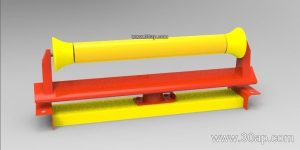
A conveyor equipment idler is the rotating support that carries the belt and the material load along the length of a conveyor. It is a simple assembly in principle: a steel tube shell, a shaft, bearing housings, and seals, held in a frame. In practice, the idler is what keeps a conveyor belt tracking smoothly, protects the belt from sagging between pulleys, and reduces friction so the drive motor does not fight the whole structure. Whether the line moves coal at a power plant, limestone at a cement works, or aggregate at a quarry, the idlers are the most numerous wearing parts on the machine.
Construction Details That Matter
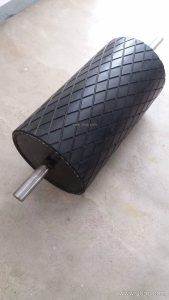
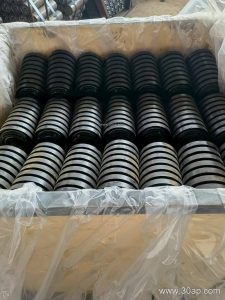
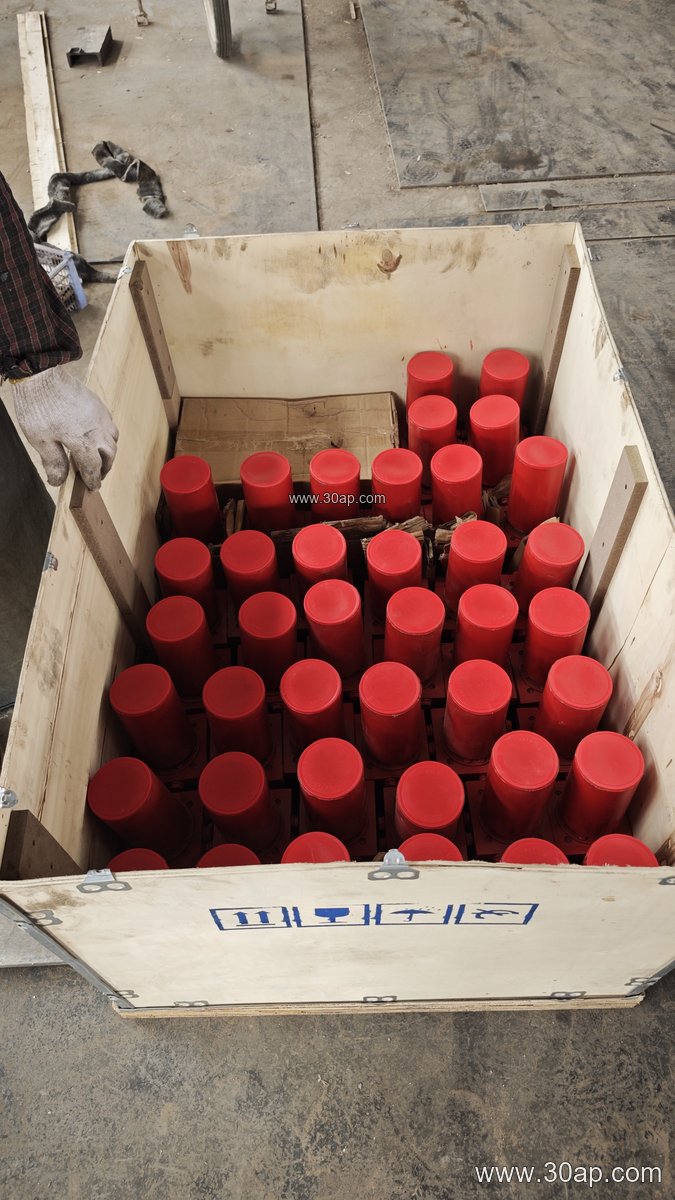
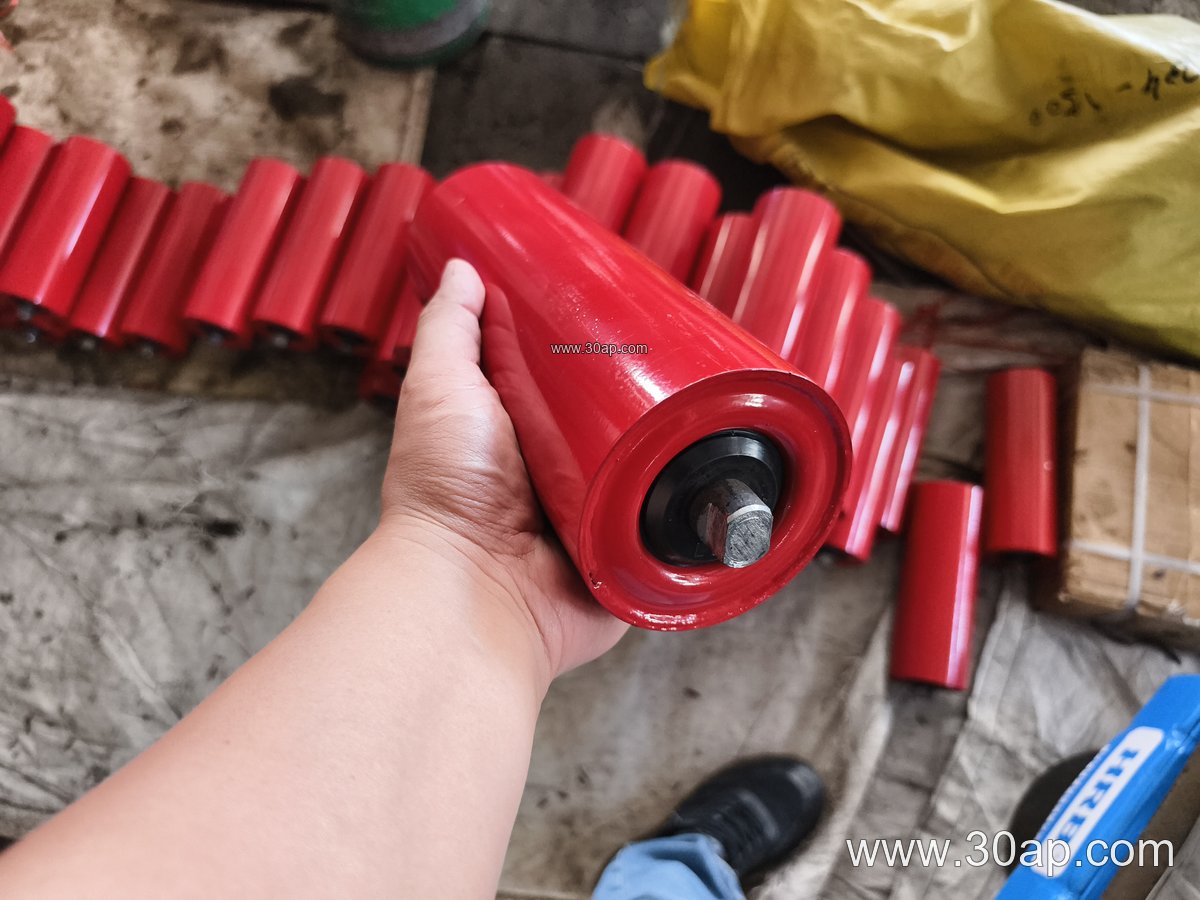
Most troughing and return rolls use a tubular shell with welded end discs. The shaft runs through the shell on bearings, usually deep-groove ball bearings in a sealed housing. Common bearing numbers include 6204, 6205, 6305, 6306, 6308 and 6310, but the correct bearing depends on load, roll diameter, and speed rather than a single fixed rule. The seal is often the deciding factor in dusty service: a labyrinth or multi-stage seal keeps fines away from the grease and keeps grease in. Shell surface can be plain steel, nylon, ceramic, or rubber rings, and the choice affects belt wear, noise, and grip.
| Item | Common options |
|---|---|
| Roll diameter | 63, 76, 89, 102, 108, 127, 133, 159, 178, 194, 219 mm |
| Belt width | B400 to B2400 |
| Trough angle | 20, 30, 35, 45 degrees |
| Roll surface | Steel, nylon, ceramic, rubber ring |
| Bearing | 6204, 6205, 6305, 6306, 6308, 6310 |
| Idler set | Single roll, two-roll, three-roll troughing |
Roll length follows the belt width, trough angle, and set form. As a common example, a three-roll troughing set might use about 200 mm rolls at B500, 250 mm at B650, 315 mm at B800, 380 mm at B1000, 465 mm at B1200, 530 mm at B1400, 600 mm at B1600, 670 mm at B1800, and 750 mm at B2000. These are typical values, not fixed pairings, and side rolls can differ from the center roll.
Where Idlers Sit and Which Type Fits
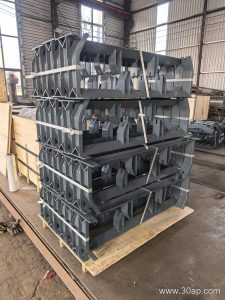
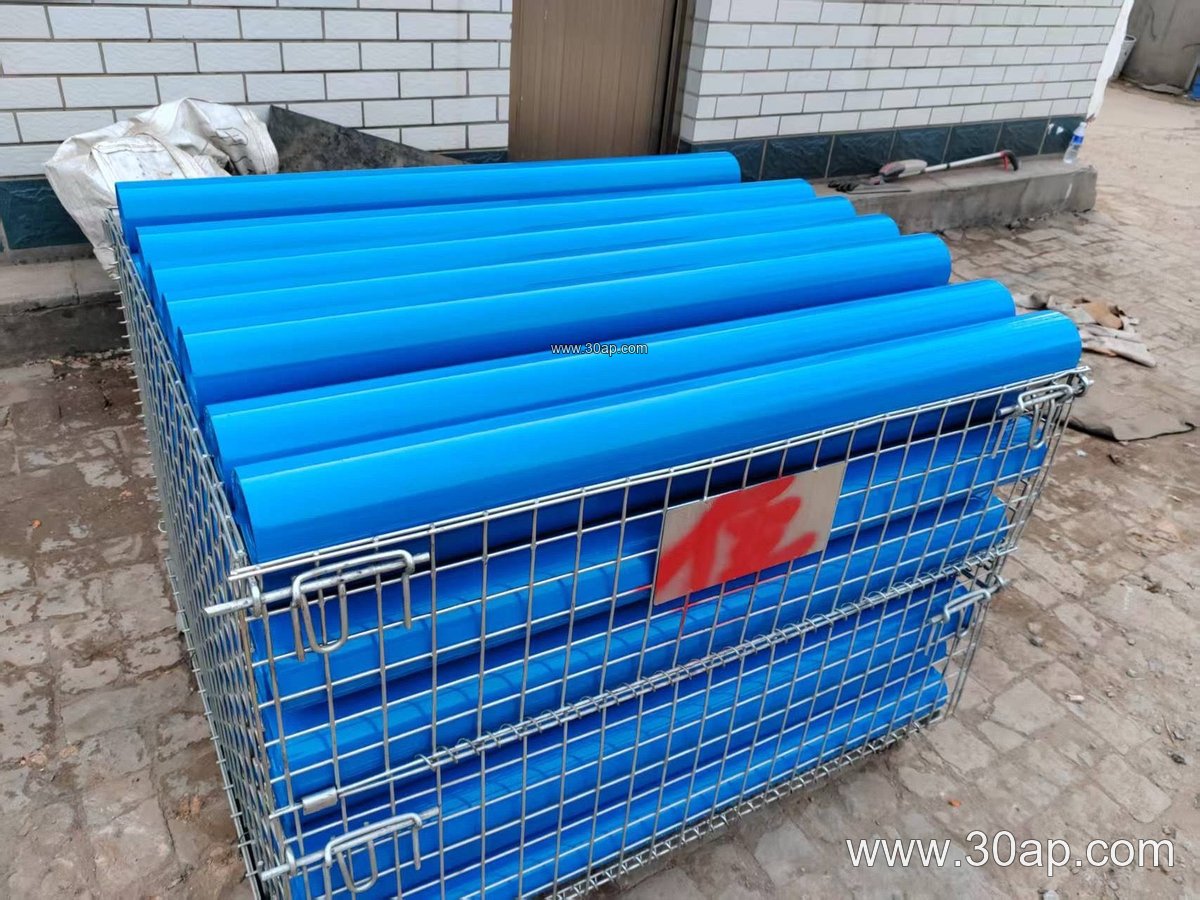
On the carrying side, three-roll troughing sets form the belt into a trough that holds bulk material. Transition idlers sit near the head and tail to ease the belt from flat to trough. On the return side, flat or V-return rolls support the empty belt. Impact idlers and rubber-ring impact rolls go under the loading point to absorb the drop of rock or ore. Self-aligning idlers, including friction and tapered types, correct belt drift on long runs. Spiral rolls help shed sticky material in wet or muddy service.
Application often decides the detail. In a coal handling system feeding a power plant, flame retardant and anti-static properties of the belt matter, and the idlers must tolerate fine coal dust. In a limestone quarry or sand and gravel line, abrasion is the main enemy, and heavy-duty rolls with good seals last longer. Around a crusher discharge, impact rolls protect both the belt and the frame. In a cement plant, heat and fine powder put pressure on bearing seals. In a port or ship loading terminal, long conveyors with steel cord belts need steady support to avoid belt fatigue.
Specifying the Right Roll for the Belt
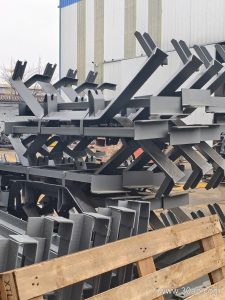
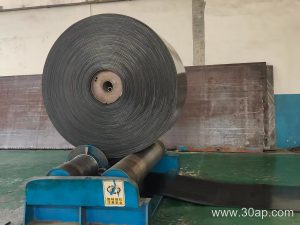
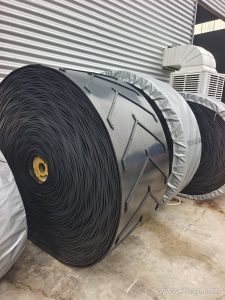
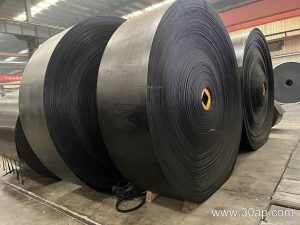
Matching idlers to the belt is not about a single number. A wider belt such as a 1200 mm or 1400 mm line needs a roll length and frame that suit the trough angle, and a narrow B650 line uses shorter rolls. A heavy steel cord belt running on a long overland conveyor needs larger roll diameters and closer spacing than a light fabric belt on a short transfer. On a multi-ply fabric core or EP conveyor belt line, standard 89 mm or 108 mm rolls are common, while a high-tonnage ore conveyor may use 133 mm or 159 mm rolls. Buyers should confirm shaft diameter, bearing type, seal class, and frame bracket dimensions against the actual conveyor drawing instead of assuming a roll size from belt width alone.
Buyer Checklist and Maintenance Notes
- Confirm roll diameter, shell length, shaft ends, and bracket fit before ordering.
- Check the seal design for the dust and moisture level at the site.
- Choose the surface form for belt grip and wear: rubber rings for impact, ceramic for abrasive fines, plain steel for general duty.
- Verify trough angle and set form so the belt sits correctly, not just the roll size.
- Inspect for seized bearings, worn shells, and misalignment during routine walks; a failed idler can damage the conveyor belt quickly.
For more information on matching rolls and frames to a specific line, visit conveyoridler.net and review the idler roller range together with the conveyor bracket drawings.