What a 2000mm Conveyor Belt Is
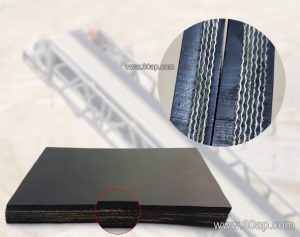
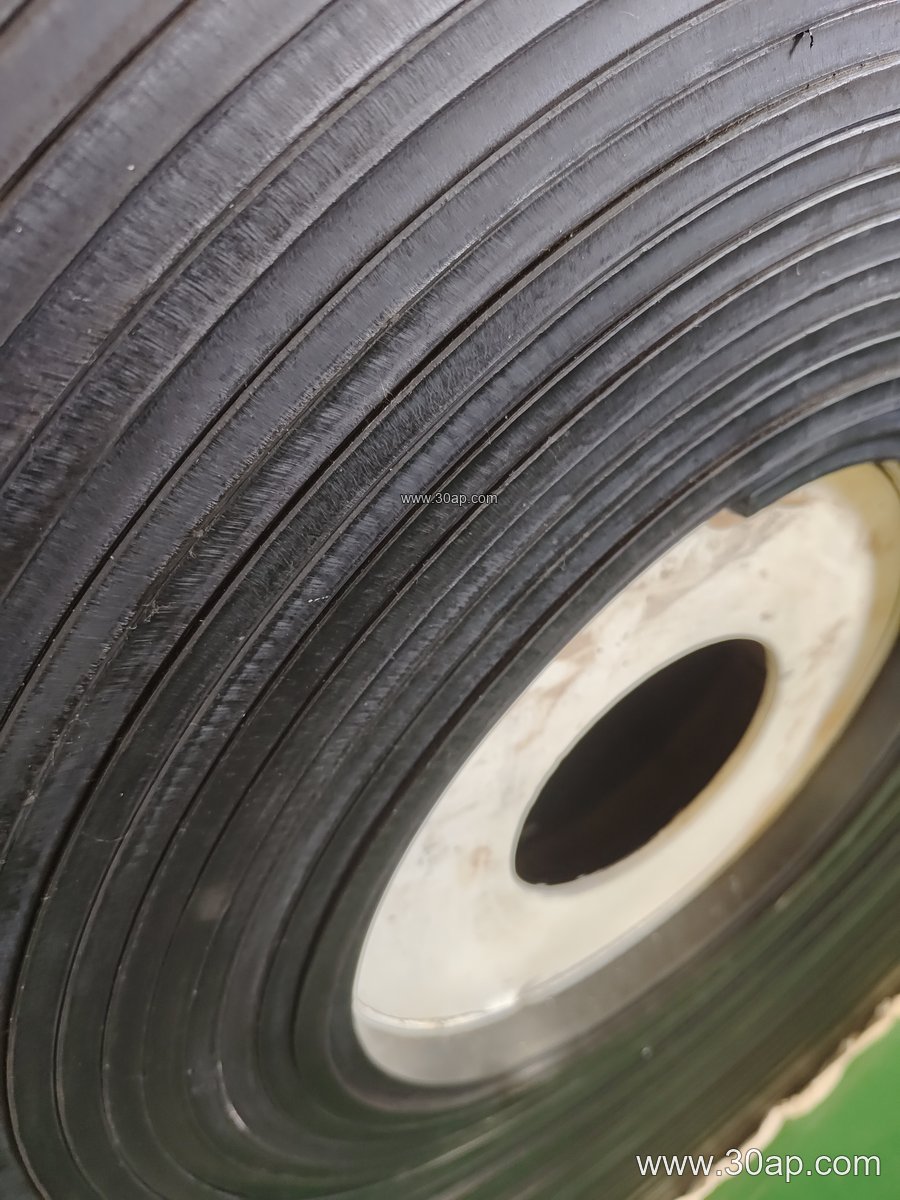
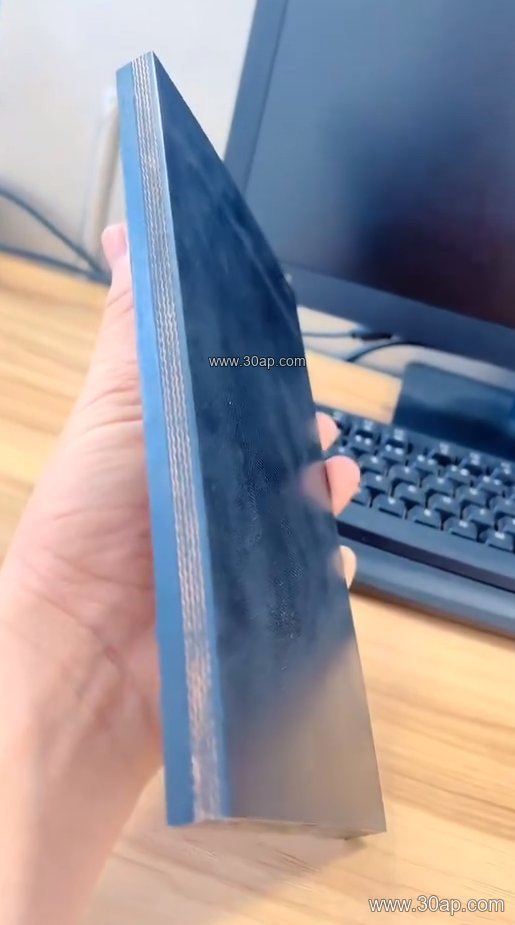
A 2000mm conveyor belt is a wide belt designed for high-volume material transport. The 2000mm dimension refers to the belt width, which is among the widest standard sizes available. This width is often chosen for main haulage lines in mining, port loading, and large-scale aggregate operations where a single belt must carry a heavy, continuous flow. The belt itself is a composite structure: a tension-carrying carcass (fabric or steel cord) covered with rubber or PVC layers. Common synonyms include 2000mm wide conveyor belt and 2000mm belt. At www.beltconveying.com, we focus on practical guidance for selecting and maintaining such belts.
Construction and Common Types
The build of a 2000mm conveyor belt depends on the duty. For general bulk handling, a multi-ply fabric core is typical, using EP (polyester-cotton) or NN (nylon-nylon) fabric. Heavier, long-distance lines often use steel cord construction. The cover compound is selected for the environment: abrasion resistant for quarry and crusher discharge, heat resistant for cement clinker or sinter, flame retardant for coal mining and underground coal mining, oil resistant for recycled material, and anti-static where dust ignition is a risk. Edge construction may be plain, or include chevron cleats, corrugated sidewalls, or skirted edges to contain material on steep inclines. Endless belts are available for closed-loop systems.
Typical carcass strengths for this width range from EP200 up to EP630 or higher, and steel cord grades such as ST1000 to ST2500 are also used depending on the load. Cover thicknesses commonly follow patterns like 4+2 mm, 5+2 mm, or 6+2 mm, with 8+3 mm for severe abrasion. These values are reference examples; final specifications are set by the conveyor designer.
Where 2000mm Belts Are Used
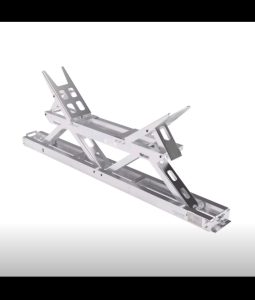
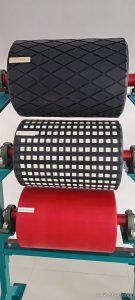
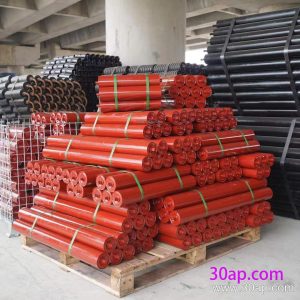
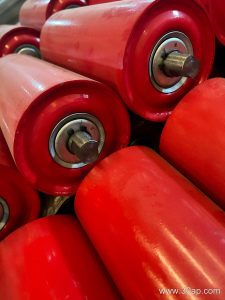
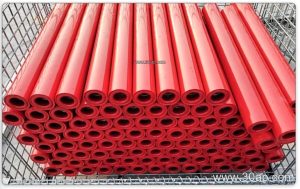
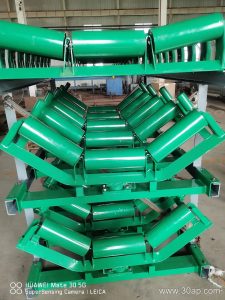
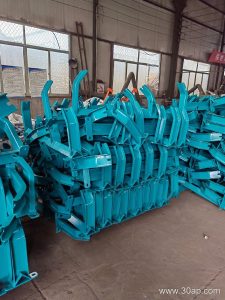
The width suits high-capacity circuits: primary crushing stations in a quarry or sand making plant, overland conveyors at a cement plant, coal handling at a power plant, and ship loading at a port. In mining, both underground mining and open-pit operations use 2000mm belts for ore transport. The belt works with conveyor pulleys (drive, tail, and bend pulleys are distinct components) and idler rollers that support the belt along the run. Conveyor brackets hold the idlers in alignment. A 2000mm belt is not automatically matched to any one pulley diameter; shaft and pulley sizes are calculated from belt tension, speed, and load.
Specifications and Selection Notes
Buyers should confirm the carcass type, strength grade, cover thickness, and any special properties. The table below lists common reference values; actual supply varies by manufacturer.
| Parameter | Common reference values |
|---|---|
| Belt width | 2000 mm |
| Carcass type | EP fabric, NN fabric, steel cord |
| Strength grade (EP) | EP200, EP315, EP400, EP500, EP630 |
| Strength grade (steel cord) | ST1000, ST1250, ST1600, ST2000 |
| Cover thickness | 4+2 mm, 5+2 mm, 6+2 mm, 8+3 mm |
| Special properties | abrasion resistant, heat resistant, flame retardant, oil resistant, anti-static, cold resistant |
Also consider the number of fabric plies (often 2 to 6) and whether an endless splice is needed. For inclined sections, a chevron or corrugated sidewall belt may be compared, but those are different belt subtypes and not a replacement for a flat 2000mm belt on a horizontal main line.
Buyer Checklist
- Define the material: lump size, density, temperature, oil or chemical exposure.
- Check the conveyor design: trough angle, transition distance, and pulley sizes.
- Confirm the belt’s tensile strength and cover grade against the calculated tension.
- Plan for splicing: vulcanized or mechanical, and whether an endless belt is preferred.
- Review maintenance access to idler rollers and pulleys; a wide belt needs proper training and alignment.
For more on belt selection and related components, visit www.beltconveying.com. A 2000mm conveyor belt is a major investment, so match the specification to the duty rather than assuming one size fits every conveyor.