What a Heavy-Duty Impact Idler Does
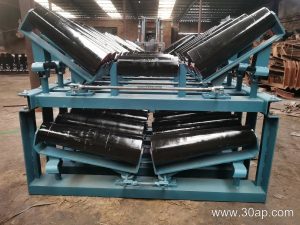
A heavy-duty impact idler is a shock-absorbing roller assembly installed at the loading point of a conveyor belt, where falling rock, ore, or aggregate hits the belt with force. Unlike a standard carrying idler, this impact idler roller uses rubber rings or other resilient surfaces to cushion the blow, protecting both the belt and the idler frame. In quarry, iron ore, and cement plant operations, the heavy-duty impact idler is often the first line of defense against belt damage and material spillage.
The natural product name is heavy-duty impact idler; an accurate equivalent is impact roller with rubber rings. The subtype qualifier “heavy-duty” and “impact” should be preserved, as this is not a substitute for a training idler or a return idler.
Construction and Key Components
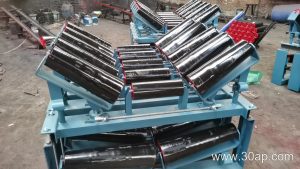
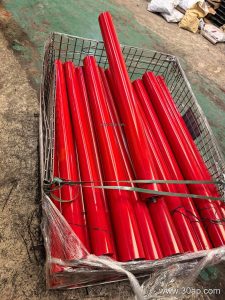
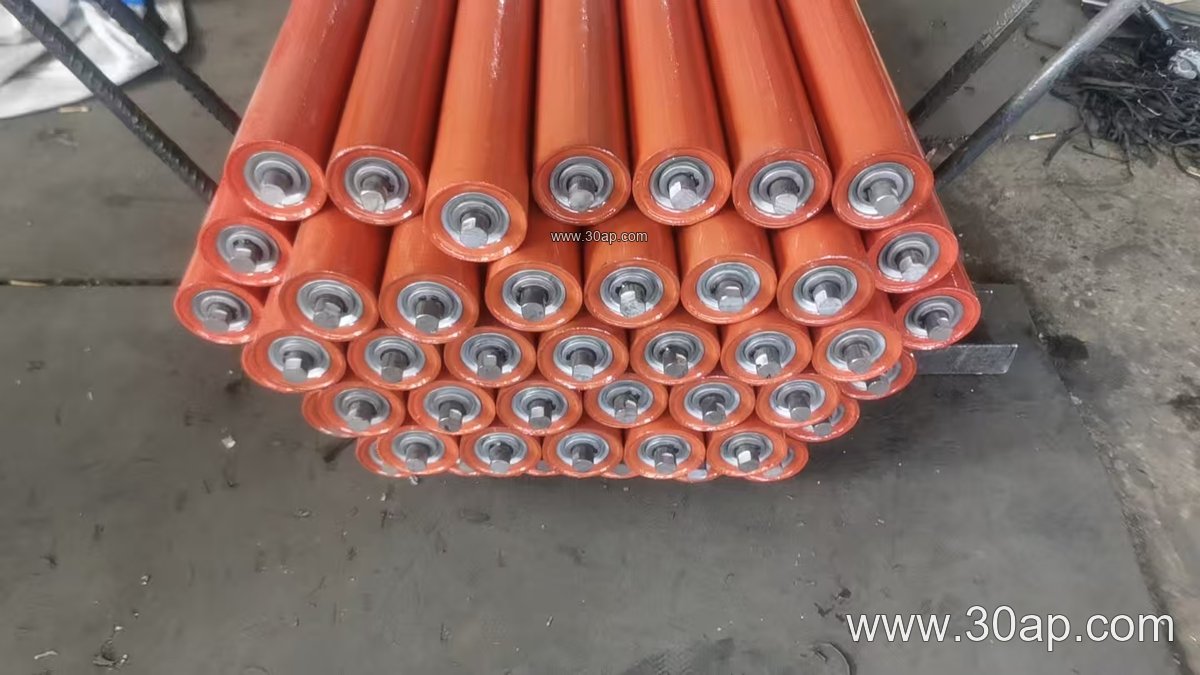
A typical heavy-duty impact idler consists of a steel tube body, rubber rings or discs, bearing housings, and a shaft. The rubber rings are spaced along the roller to absorb impact energy and reduce belt wear. Bearings such as 6205, 6305, or 6308 are common, but the exact bearing size depends on the roller diameter and load rating, not on belt width alone. The roller surface may be plain steel, nylon, ceramic, or rubber; for impact duty, rubber rings are the usual choice.
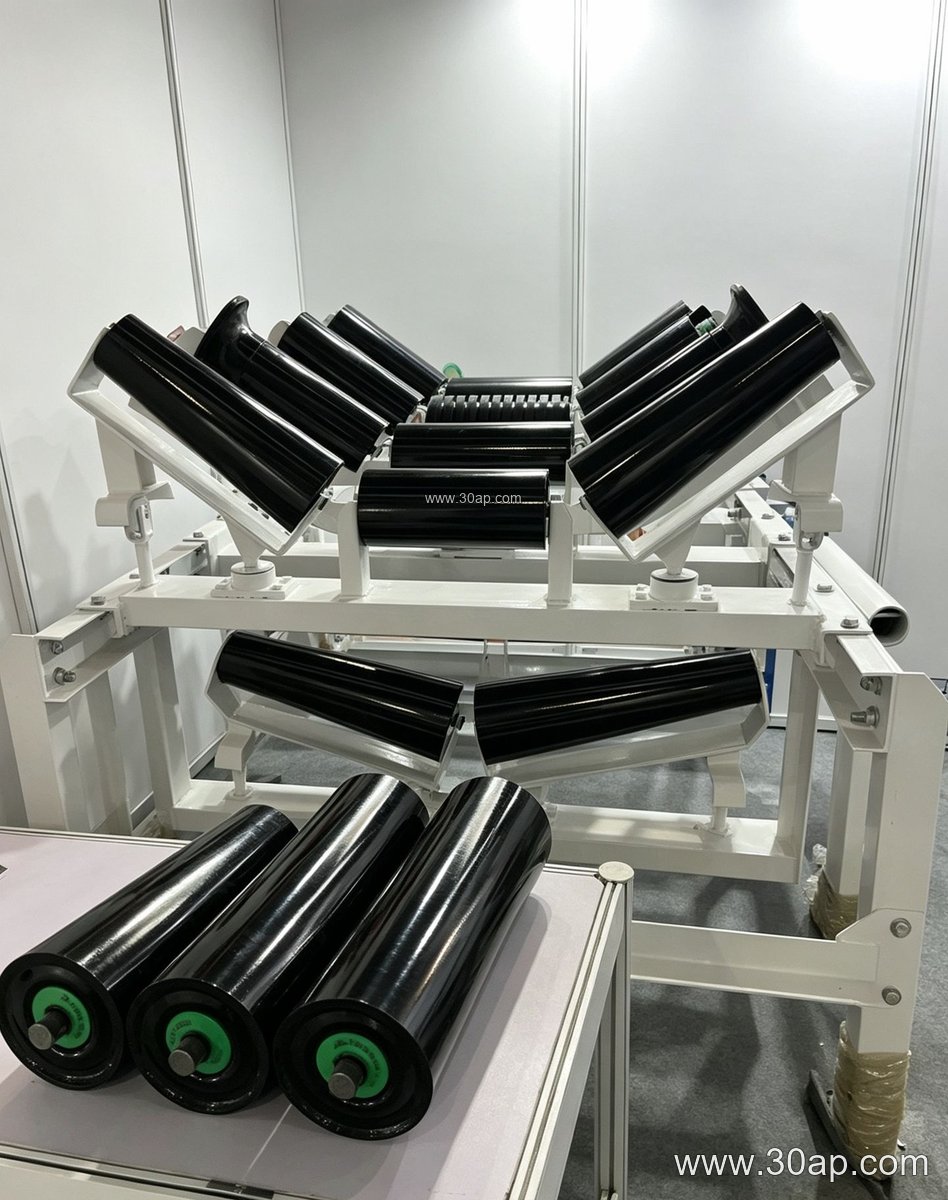
Roller diameters for impact idlers often range from Ø89 to Ø159 mm, with larger diameters used in high-tonnage primary crushing stations. Belt widths from B800 to B1800 are frequently seen, but these are reference examples, not fixed matches. The idler length varies with belt width, trough angle, and idler arrangement; for a three-roll troughing set, common roll lengths are approximately 315 mm for B800, 380 mm for B1000, and 465 mm for B1200, though side rolls and center rolls can differ.
Where Heavy-Duty Impact Idlers Are Used
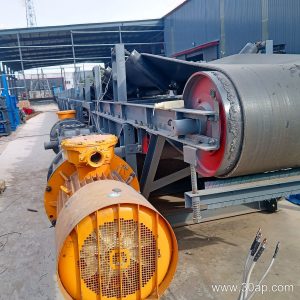
These idlers are common in crushing and screening plants, limestone quarries, and iron ore transfer points. In a cement plant, the impact idler sits under the crusher discharge; in a coal mining conveyor system, it protects the belt at the truck dump or feeder discharge. They are also found in power plant coal handling, port ship loading, and aggregate conveyor lines. A heavy-duty impact idler is not a replacement for a bend pulley or a drive pulley; those are different components with different functions.
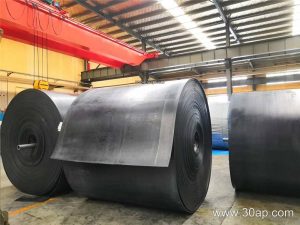
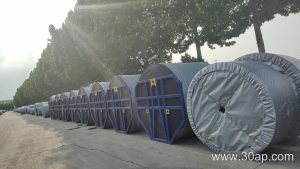
When specifying a conveyor belt for these zones, the belt itself may be an abrasion resistant conveyor belt, a flame retardant conveyor belt for underground coal mining, or a heat resistant conveyor belt near clinker. The impact idler works with the belt, not instead of it.
Selection and Maintenance Notes
Buyers should consider the maximum lump size, drop height, throughput, and belt width when choosing a heavy-duty impact idler. Trough angles of 20, 30, 35, or 45 degrees affect the idler arrangement and roll length. A three-roll troughing set is common, but two-roll and single-roll designs exist for special loading zones. The idler should be mounted on a sturdy conveyor bracket or frame that can withstand vibration.
Maintenance checks include inspecting rubber rings for wear, checking bearing rotation, and verifying that the idler frame is aligned. Worn rubber rings reduce cushioning and can expose the belt to impact damage. Spare rings and bearings should be kept on hand for critical loading points.
Reference Dimensions and Bearing Examples
The following table gives common reference values only; actual supply depends on design and application.
| Item | Common Reference Range |
|---|---|
| Roller diameter | Ø89, Ø102, Ø108, Ø127, Ø133, Ø159 mm |
| Belt width | B800, B1000, B1200, B1400, B1600, B1800 |
| Trough angle | 20°, 30°, 35°, 45° |
| Bearing | 6205, 6305, 6306, 6308, 6310 |
| Roll surface | Rubber rings, steel tube, nylon |
For more information on conveyor belts and idlers, visit our site at www.example.com/conveyor-idler. Remember that a heavy-duty impact idler is a specialized component; it should not be confused with a bend pulley or a tail pulley, which serve different roles in the conveyor system.