What a Carrying Idler Set Does on a Belt Conveyor
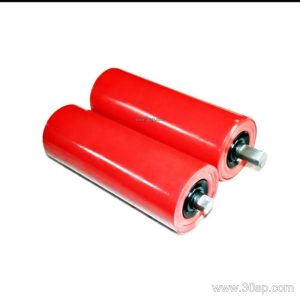
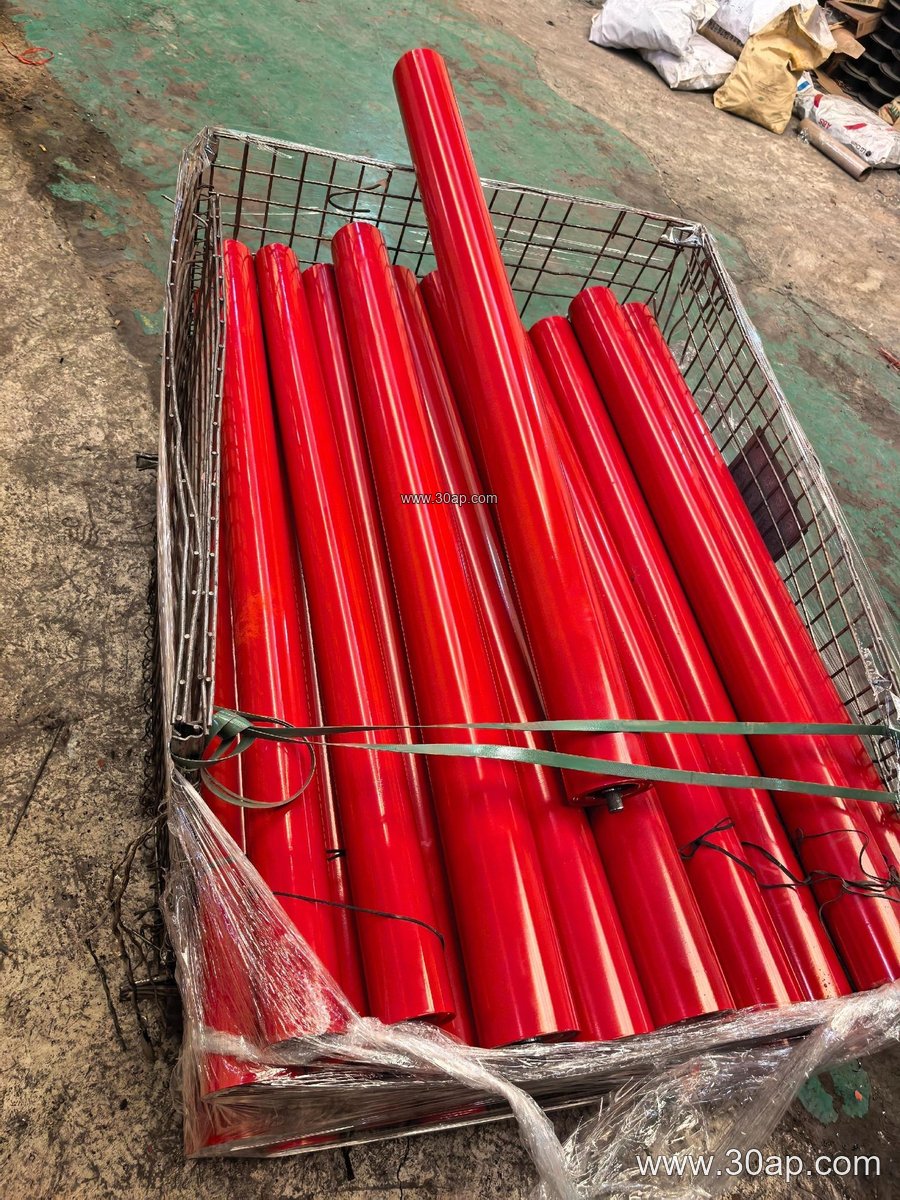
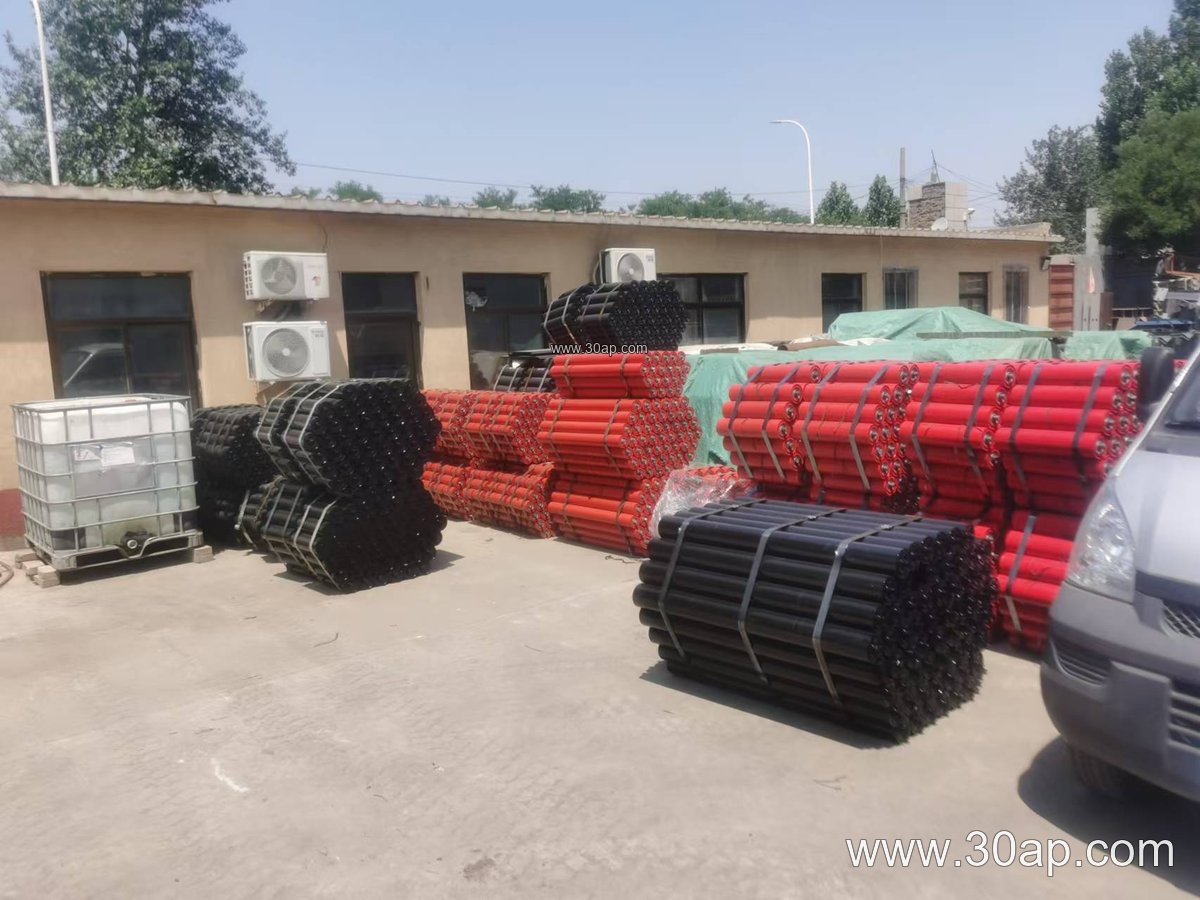
A carrying idler set is the group of rollers mounted on the load-carrying side of a conveyor, supporting the conveyor belt and the material riding on it. On a troughed conveyor, the set usually holds three rolls in a shallow V or trough profile, which keeps bulk material centered as it travels from the loading point toward the discharge end. The same assembly is often called a troughing idler set or upper idler set, and those names describe the same product.
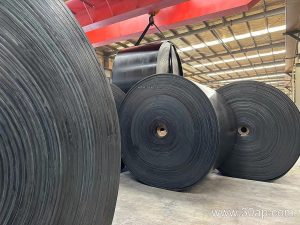
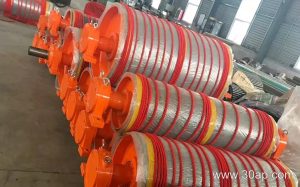
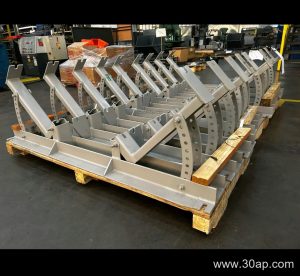
The set works together with the conveyor belt, the conveyor pulley at the head and tail, and the conveyor bracket that fixes each station to the frame. In a quarry or sand and gravel line, dozens of these stations may line a single flight, so small differences in roll quality add up over the whole run.
How the Assembly Is Built
Each roll in a carrying idler set typically combines a steel tube shell, a shaft, bearing housings, and a sealing arrangement. The seal matters as much as the tube: dust from crushing and screening lines, moisture in a wash plant, and fine grit in a cement plant all attack bearings if the labyrinth is weak. Common bearing sizes include 6204, 6205, 6305, 6306, 6308, and 6310, matched to roll diameter and load rather than to a single fixed rule. Roll surfaces may be plain steel, nylon, ceramic, or rubber rings where impact or build-up is a concern.
Common Roll Diameters and Belt Widths
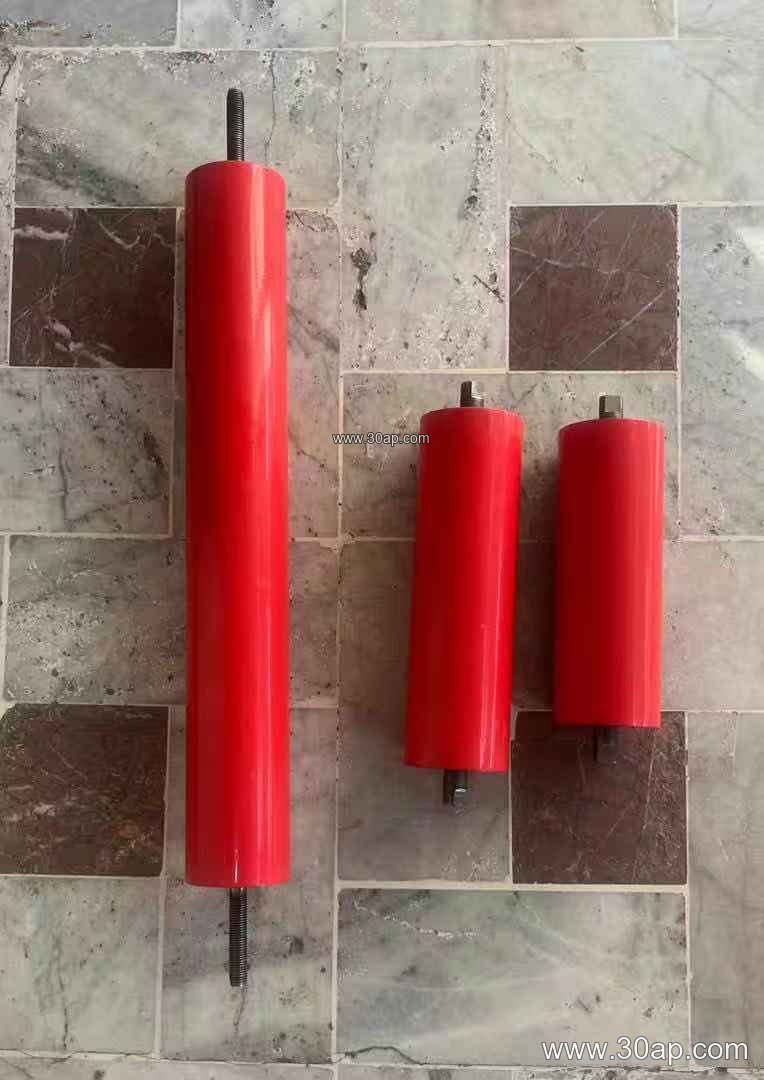
Roll diameter and belt width are selected together with the frame height and the load. Reference values often seen in catalogues are listed below; actual choices follow the conveyor design.
| Roll diameter (mm) | Belt width examples (mm) |
|---|---|
| Ø63, Ø76, Ø89 | B400, B500, B650 |
| Ø102, Ø108, Ø127 | B650, B800, B1000 |
| Ø133, Ø159, Ø178 | B1000, B1200, B1400, B1600 |
| Ø194, Ø219 | B1800, B2000, B2200, B2400 |
Trough angles are commonly 20, 30, 35, or 45 degrees. A three-roll set at B800 may use rolls around 315 mm long, while B1200 stations often run near 465 mm; side rolls and center rolls can differ, so these figures are examples rather than fixed pairings.
Where These Sets Are Used
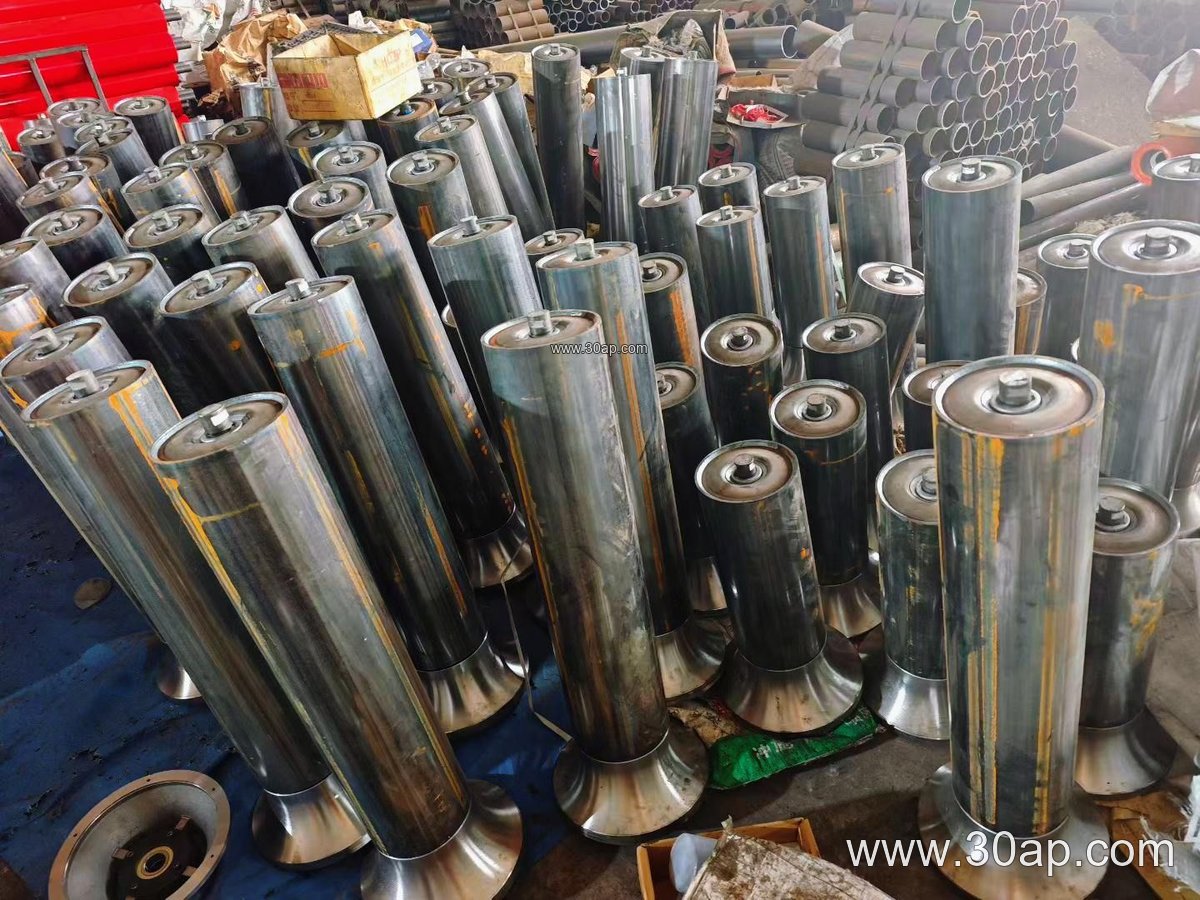
In an iron ore or copper ore operation, carrying idler sets handle heavy, abrasive loads and are often specified with thicker shells and abrasion resistant surfaces. In a coal washing plant, flame retardant and anti-static properties of the belt dominate the specification, while the idler set must tolerate wet fines and frequent washdown. Power plant coal handling and port ship loading systems rely on long, straight runs where roll concentricity directly affects belt tracking and energy draw.
Where the conveyor transitions from a flat tail area into the trough, transition idlers ease the belt into its curved shape. Impact idlers with rubber rings appear under crusher discharge chutes, not as a replacement for the standard carrying set but as a local addition at the loading zone.
Choosing and Maintaining the Right Set
- Match the set to the belt width and trough angle, then confirm the roll length and frame dimensions with the conveyor bracket drawing.
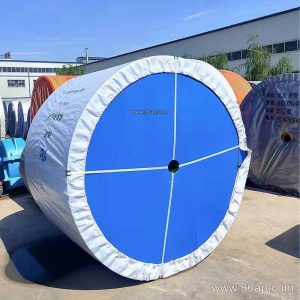
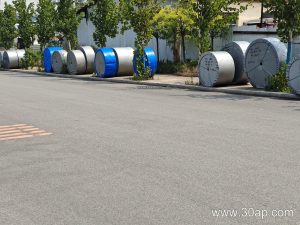
- Check the belt specification alongside the idler choice: a heavy-duty EP conveyor belt or steel cord conveyor belt may call for larger roll diameters and closer station spacing than a light fabric core belt.
- In dusty or wet service, prioritize seal design and bearing protection over cosmetic finish.
- Inspect for seized rolls, worn shells, and material build-up; a single stalled roll can wear through a belt cover quickly.
Buyers should ask for the roll diameter, shell thickness, bearing size, seal type, and trough angle as separate line items, because a quotation that lists only a belt width leaves too much undefined. For reference on matching belts and rollers, see jsconveyorbelt.com carrying idler set and related conveyor belt guidance. A well-matched carrying idler set keeps the belt running true, protects the conveyor pulley from misalignment loads, and reduces downtime across mining, cement, and bulk handling operations.