What an Idler Bracket Does on a Conveyor
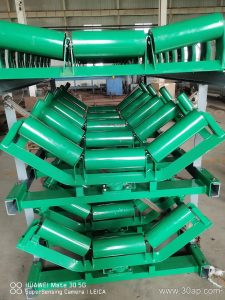
An idler bracket is the structural component that holds conveyor idler rollers at the correct position and angle along the belt line. It connects the roller shaft or frame to the conveyor stringer or cross member, keeping the belt supported and tracking properly. In a quarry, cement plant, or power plant coal yard, these brackets are the quiet workhorses that determine whether the belt runs smoothly or wanders off course. A properly matched idler bracket also protects the roller from misalignment and reduces premature wear on the conveyor belt.
The bracket is not a roller and not a pulley. It is the mounting interface between them and the conveyor structure.
Construction and Common Materials
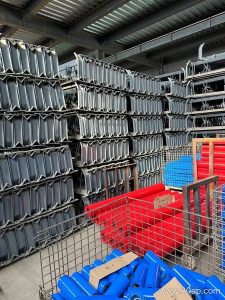
Most brackets are fabricated from angle steel, channel steel, or folded steel plate. The choice depends on load, belt width, and environment. In dusty or wet conditions, galvanized or painted finishes help resist corrosion. The bracket usually includes mounting slots or holes that allow adjustment during installation, and some designs include a pivot point for self-aligning or training idler assemblies.
Typical configurations include:
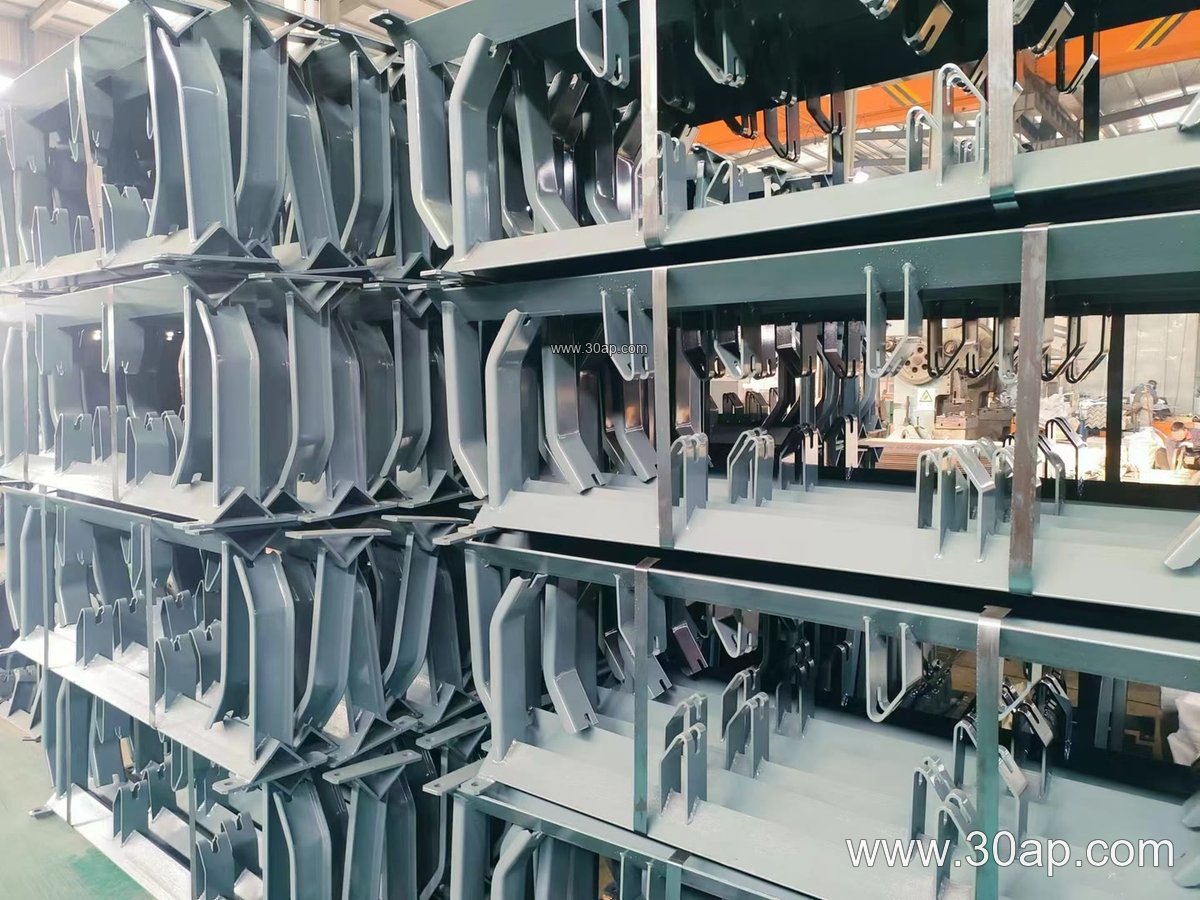
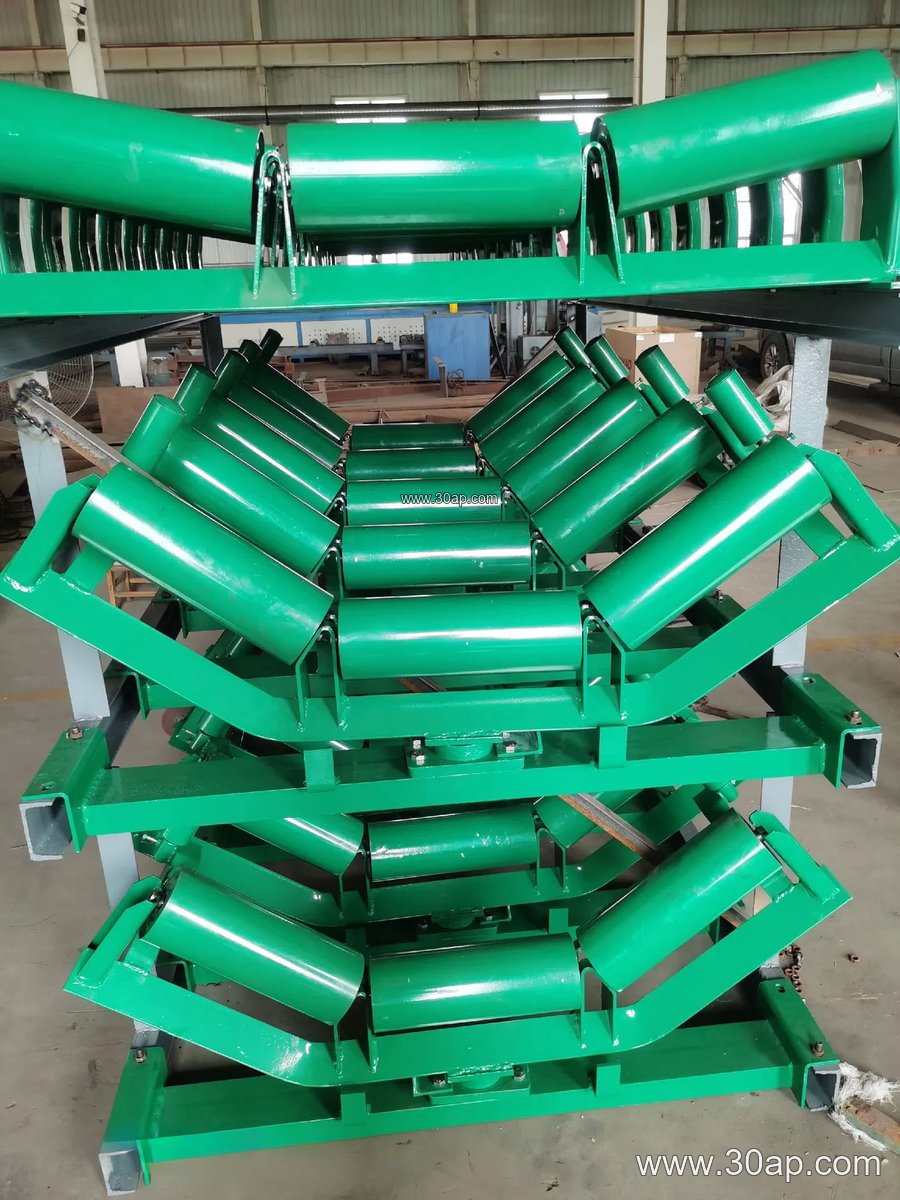
- Troughing idler bracket for carrying side support
- Impact idler bracket for loading zones
- Return bracket and V-return bracket for the belt return side
- Transition bracket near pulleys
- Adjustable bracket with variable trough angle
- Suspended bracket for lighter structures
Common Reference Sizes
The table below shows reference values often used in design discussions. These are not fixed combinations and should be confirmed against the actual conveyor design.
| Belt Width | Trough Angle | Roller Diameter |
|---|---|---|
| B500 | 20°–30° | Ø89 |
| B650 | 30°–35° | Ø89–Ø108 |
| B800 | 30°–35° | Ø108 |
| B1000 | 35°–45° | Ø108–Ø133 |
| B1200 | 35°–45° | Ø133 |
| B1400 | 35°–45° | Ø133–Ø159 |
| B1600 | 35°–45° | Ø159 |
| B1800 | 35°–45° | Ø159–Ø194 |
| B2000 | 35°–45° | Ø194 |
Mounting hole spacing and crossbeam length vary with belt width and trough angle. A bracket for a B800 line is not interchangeable with one for a B1400 line, even if the roller diameter is the same.
Where It Fits in the System
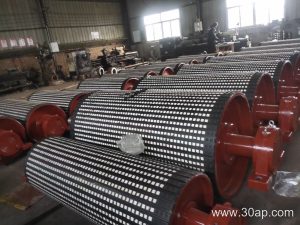
On a typical conveyor, the idler bracket works together with the idler roller, the conveyor pulley at the head and tail, and the conveyor belt itself. In a coal mining conveyor or an underground mining conveyor, brackets must tolerate dust, moisture, and occasional impact. In a crusher conveyor or aggregate conveyor, impact brackets under the loading point absorb falling material energy. In a port or ship loading conveyor, alignment brackets help keep long belts centered under heavy bulk material loads.
Abrasion resistant conveyor belt, flame retardant conveyor belt, and heat resistant conveyor belt all place different demands on support spacing. A steel cord conveyor belt may need tighter roller spacing than a fabric core conveyor belt, which affects bracket quantity and layout. For example, an EP conveyor belt such as EP100 or EP200 may run on a different bracket arrangement than a heavy ST2000 steel cord conveyor belt.
Selection Points Buyers Should Check
Before ordering, confirm the belt width, trough angle, roller diameter, and mounting pattern. Check whether the bracket is fixed or adjustable, and whether it is for carrying, return, impact, or transition service. Ask about material thickness and finish, especially for outdoor or washdown areas. A bracket that is too light for the load may deflect, while an oversized bracket adds cost and weight.
For a 1200mm wide conveyor belt running at 35 degrees with Ø133 rollers, the bracket should match that geometry. Changing to a 45-degree trough angle or a different roller diameter usually requires a different bracket. Do not assume one bracket fits every idler position on the line.
Installation and Maintenance Notes
Alignment matters. Brackets should be installed square to the belt centerline and at consistent height. Loose bolts or worn slots can let the roller tilt, which leads to belt mistracking and edge damage. During routine inspections, check for bent brackets, elongated holes, and corrosion at welds. Replacing a damaged idler bracket early is cheaper than replacing a damaged conveyor belt.
For more information on compatible conveyor components, visit our site for conveyor belt, idler roller, and conveyor pulley references.