What a Conveyor Bracket Does
A conveyor bracket is the structural support that holds idlers and pulleys in the correct position along a belt conveyor. It keeps the belt tracking straight, maintains the proper trough shape, and absorbs the loads from bulk materials. In quarry, coal mining, and cement plant operations, the bracket is often the unsung hero that determines how well the conveyor belt performs. Without a sturdy bracket, even a premium EP Conveyor Belt or Steel Cord Conveyor Belt will mistrack and wear prematurely.
Construction and Materials
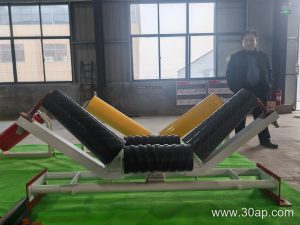
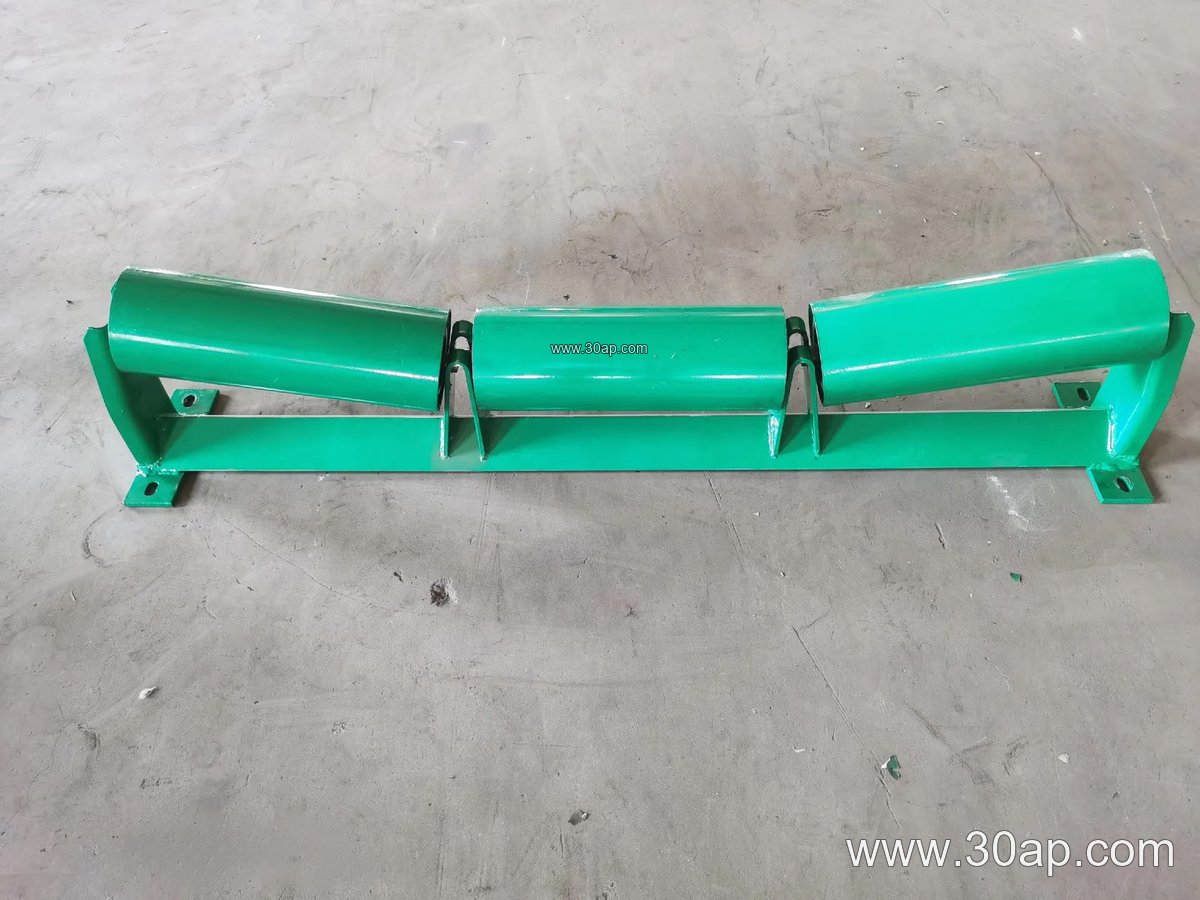
Most conveyor brackets are fabricated from angle steel, channel steel, or folded steel plate. The choice depends on the load and the environment. For a 1200mm wide conveyor belt carrying aggregate, a folded plate bracket with reinforced gussets is common. In underground coal mining, where space is tight, a lighter angle steel bracket may be used. The bracket must resist vibration, corrosion, and impact from falling material. A well-built bracket keeps the idler roller aligned and prevents the belt from rubbing against the structure.
Common Types and Their Roles
Brackets come in several forms, each matched to a specific position on the conveyor:
- Troughing bracket: supports the carrying side idlers at a defined trough angle, typically 20, 30, 35, or 45 degrees.
- Transition bracket: eases the belt from flat to troughed profile near the tail pulley.
- Return bracket: holds the return idlers, often in a V-shape or flat configuration.
- Impact bracket: reinforced to support impact idlers under the loading point.
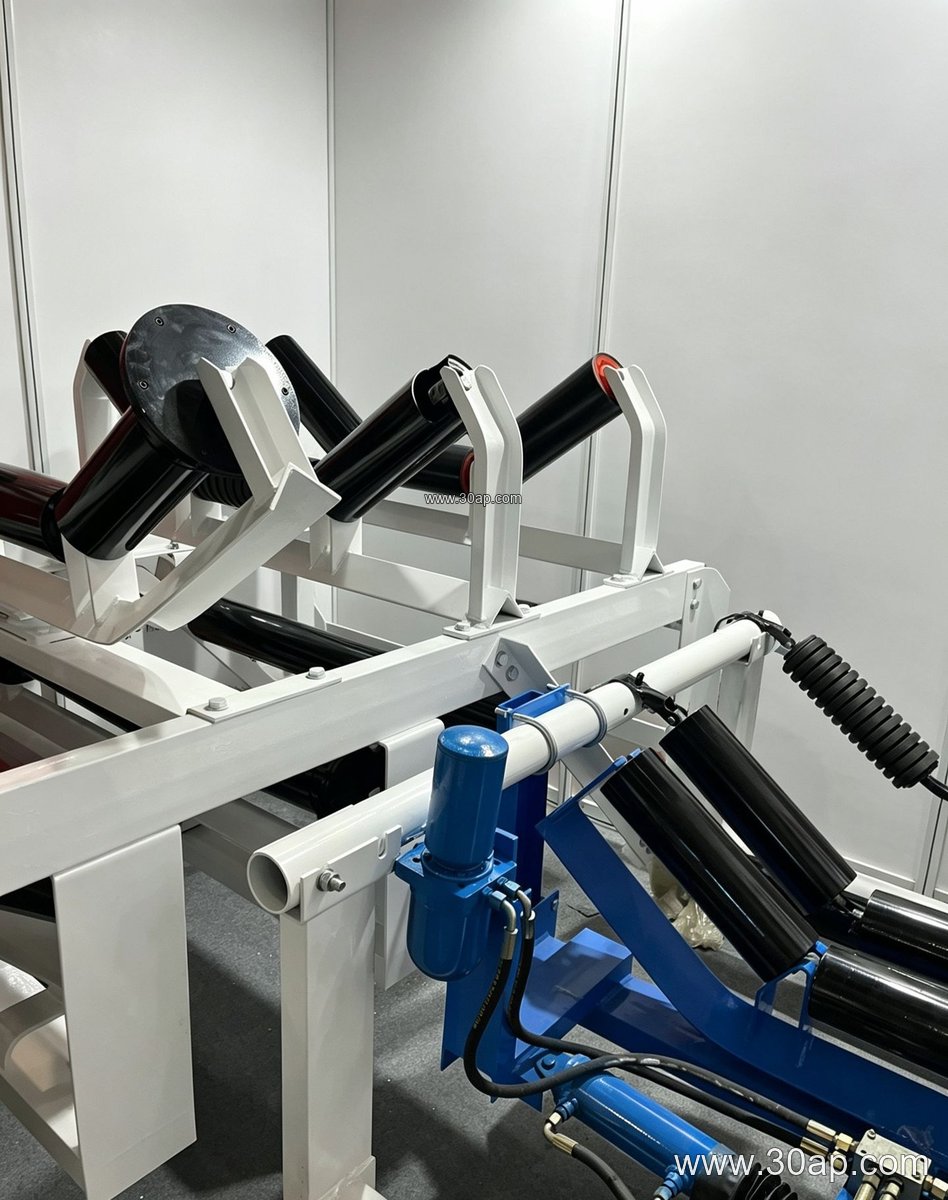
- Self-aligning bracket: allows slight rotation to correct belt misalignment.
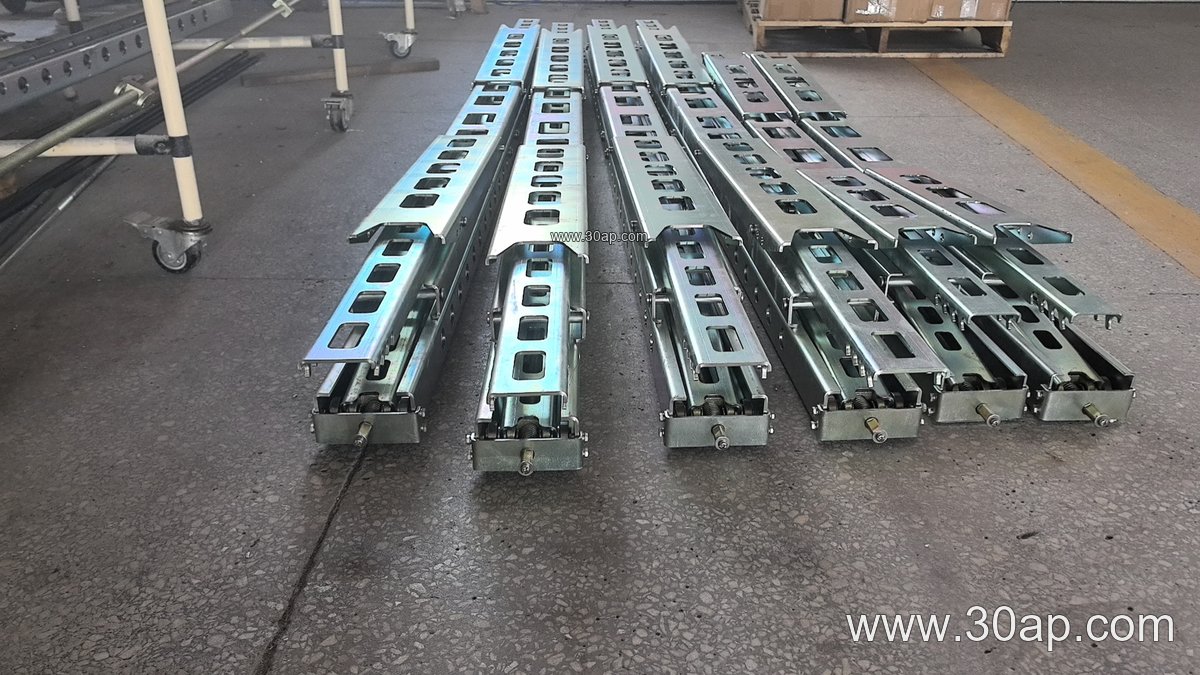
- Adjustable bracket: lets maintenance staff change the trough angle or idler position.
Each type is designed for a specific duty. For example, a self-aligning bracket is not a substitute for a transition bracket; they solve different problems. Similarly, a return bracket should not be used on the carrying side.
Matching Brackets to Belt Width and Idler Diameter
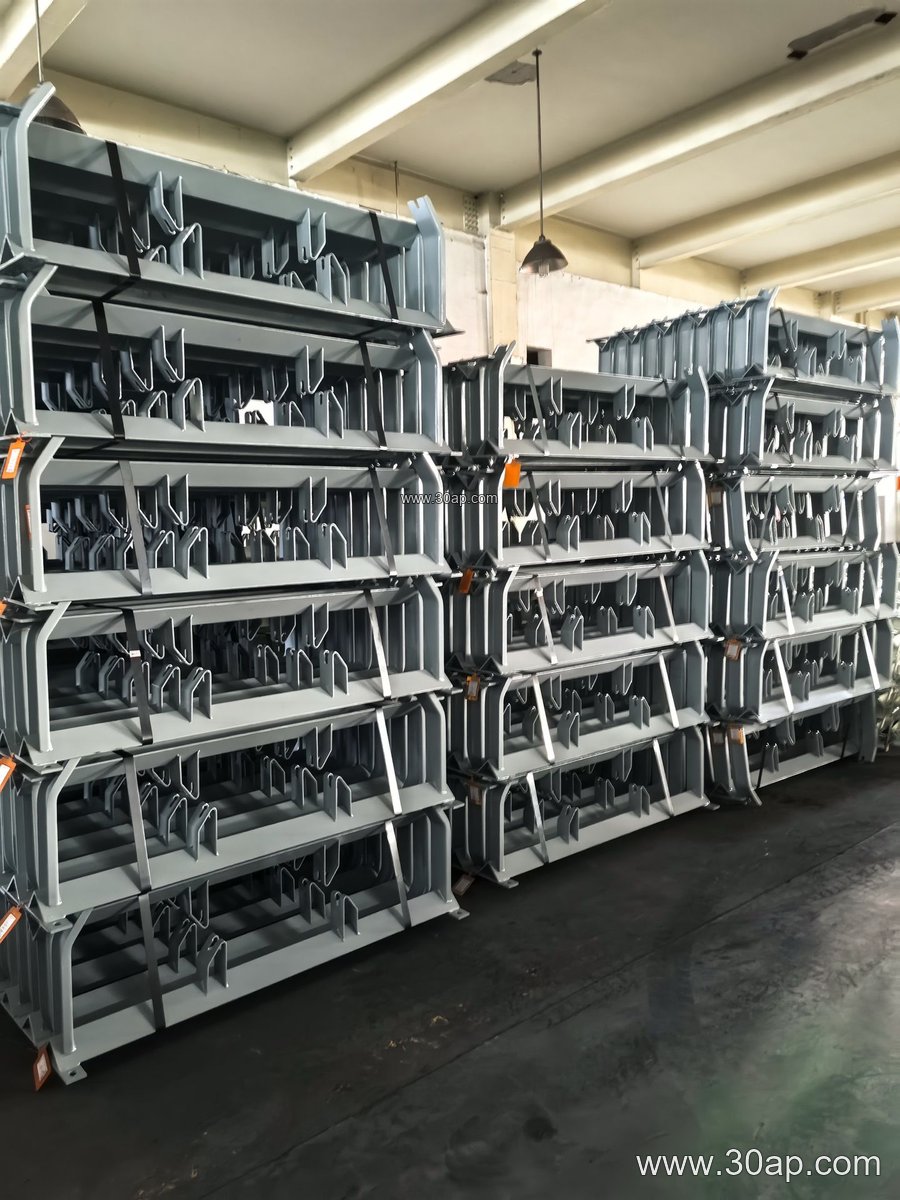
Bracket dimensions are usually defined by belt width, trough angle, and idler diameter. Common belt widths include B500, B650, B800, B1000, B1200, B1400, B1600, B1800, B2000, B2200. Idler diameters are often Ø89, Ø108, Ø133, Ø159, or Ø194. A bracket for a B800 belt at 35 degrees might use Ø108 idlers, while a B1200 belt at 45 degrees could use Ø133 idlers. These are reference combinations, not fixed rules. The actual mounting hole spacing and crossbeam length are determined by the conveyor design. Never assume that one belt width only fits one idler diameter or one trough angle.
Where Conveyor Brackets Are Used
You will find conveyor brackets in nearly every bulk handling operation. In a limestone quarry, they support the conveyor belt that feeds the crusher. In a coal mining operation, flame retardant conveyor belts run on brackets that must resist dust and moisture. In a cement plant, heat resistant conveyor belts carry clinker on brackets designed for high temperatures. Power plant coal handling, port ship loading, and steel plant sinter lines all rely on well-aligned brackets to keep the conveyor pulley and idler roller working together.
Buyer Checklist
When specifying a conveyor bracket, consider the following:
- Belt width and trough angle required for your conveyor belt.
- Idler diameter and mounting dimensions.
- Material of construction and surface treatment for the environment.
- Whether adjustable or fixed brackets suit your maintenance strategy.
- Compatibility with your existing idler roller and conveyor pulley layout.
Always request dimensional drawings and confirm that the bracket matches your idler frame. A bracket that is close but not exact can cause belt tracking problems and premature wear on the conveyor belt. For reliable performance, pair quality brackets with appropriate idlers and a well-specified belt, whether it is an abrasion resistant conveyor belt for quarry duty or a fire resistant conveyor belt for underground coal mining.