What a Guide Idler Does on a Conveyor
A guide idler is a training idler used to keep a conveyor belt centered on its path. It is not a drive pulley or a tail pulley; those components transmit power and set belt tension. The guide idler works by applying a gentle steering force to the belt edge or to the belt surface when minor misalignment occurs. In a quarry conveyor or a coal mining conveyor, even a small sideways drift can cause edge damage and spillage, so this idler is often fitted at critical points along the run.
Construction and Common Forms
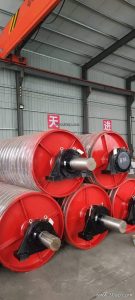
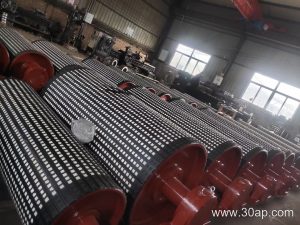
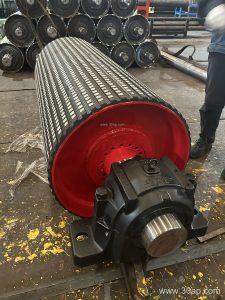
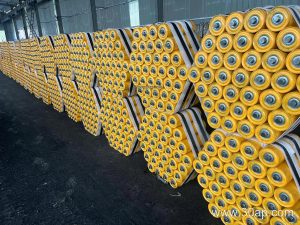
The body is usually a steel tube with a sealed bearing housing at each end. A shaft runs through the idler and is held by a conveyor bracket or frame. Some guide idlers carry rubber discs or a vertical roller that contacts the belt edge. Others use a crowned or tapered roller profile to encourage self-centering. Bearing sizes such as 6205, 6305, or 6308 are common depending on load and shaft design, but no single bearing is tied to one roller diameter.
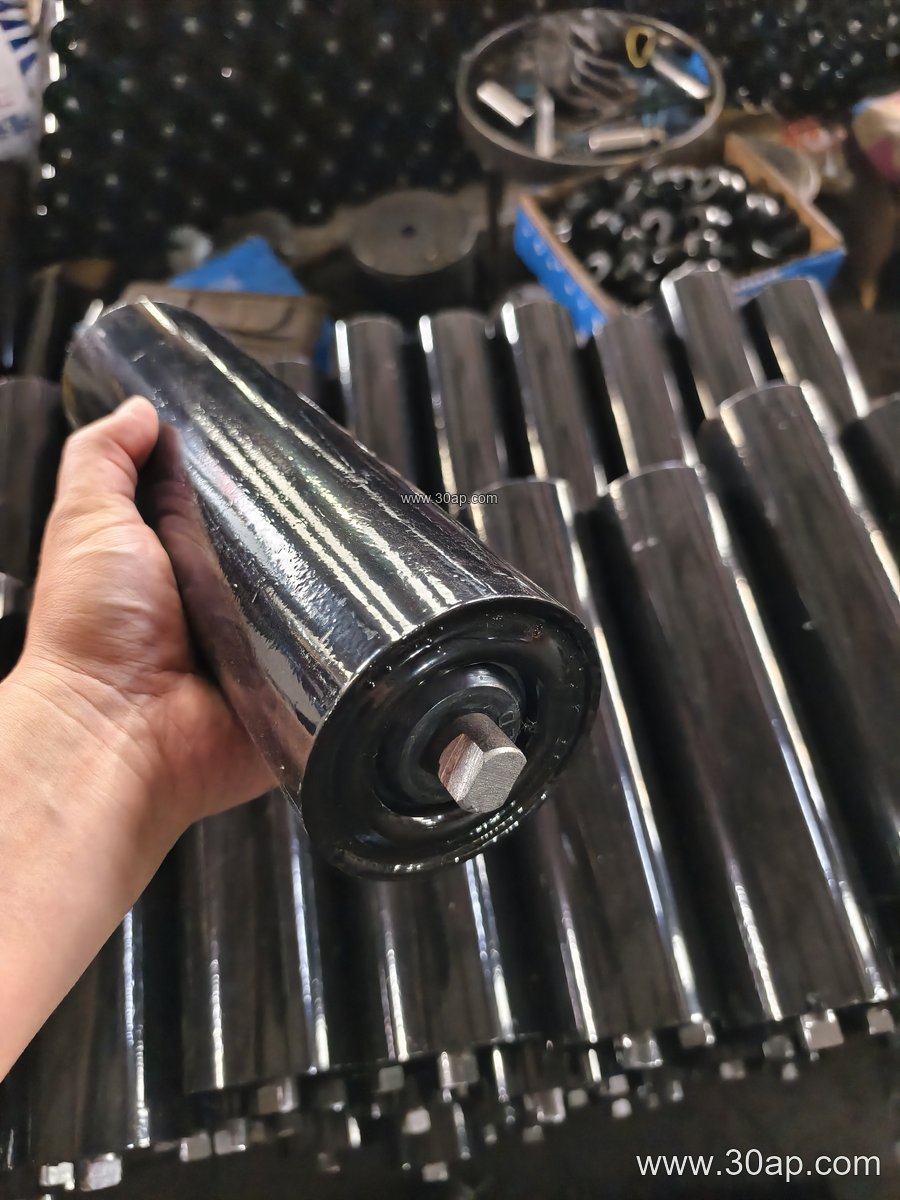
Roller diameters for training idlers often fall in the range of Ø89 mm to Ø159 mm, with larger sizes used on wider, heavier belts. The roller length is set by belt width and frame geometry. For reference, a three-roll troughing set on a B800 belt may use rolls around 315 mm long, while a B1200 set may use rolls near 465 mm. These are common examples only, and side rolls can differ from the center roll.
Where It Fits in the Conveyor Line
Guide idlers are typically installed on the carrying side, sometimes just ahead of a head pulley or after a loading point. In a crusher conveyor or a screen feed line, a training idler helps counter the sideways push that occurs when material is not loaded centrally. They are also used on the return side in some plants, though return idlers and V-return idlers serve a different primary purpose. A self-aligning guide idler may be mounted on a pivot base so the whole frame swings slightly to correct tracking.
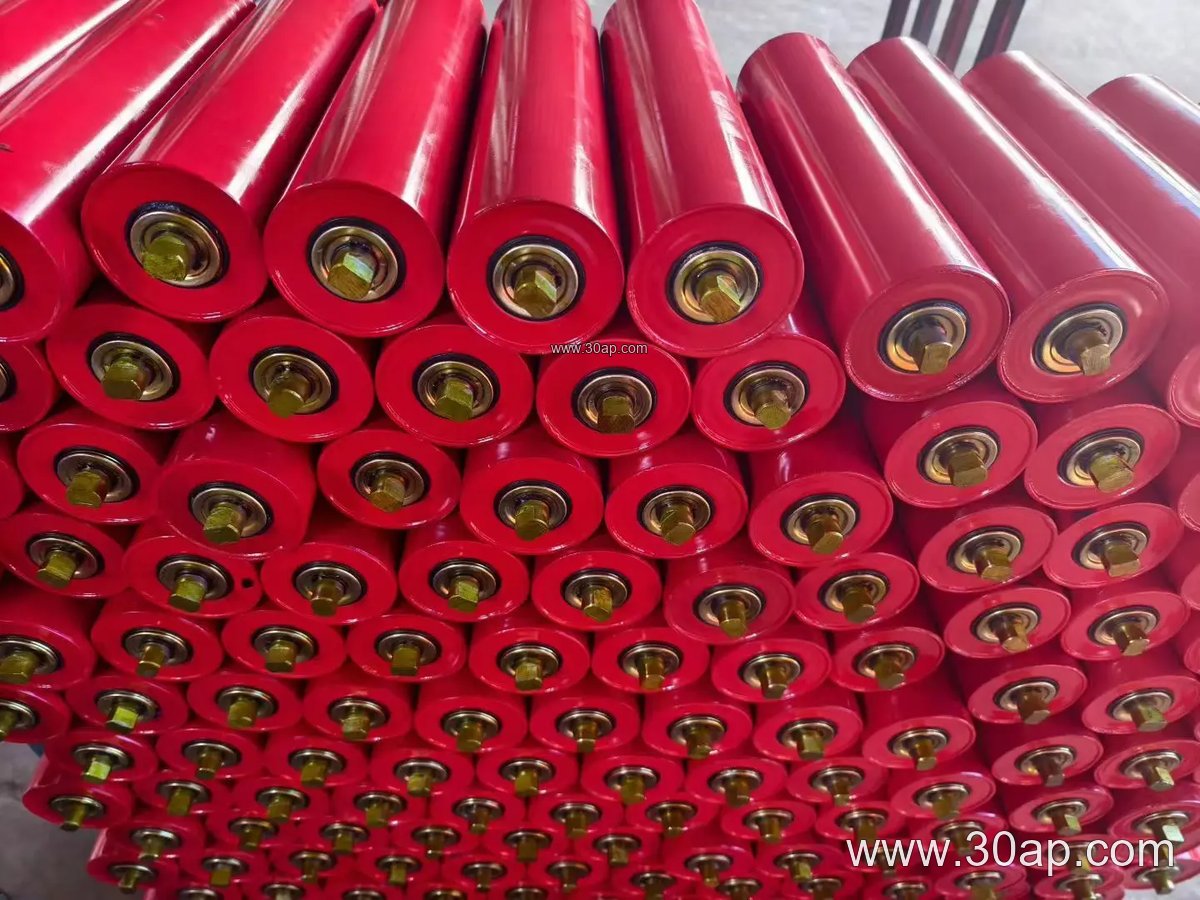
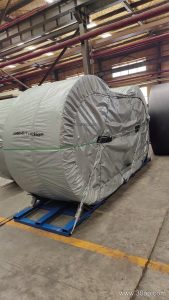
Industries that rely on this component include sand and gravel plants, cement works, power station coal handling, and iron ore or copper ore operations. The belt itself may be an EP conveyor belt, a steel cord conveyor belt, or a flame retardant conveyor belt for underground coal mining. The guide idler must suit the belt width and the ambient conditions, but it does not replace a bend pulley or a take-up pulley.
Selection Points for Buyers
When specifying a guide idler, confirm the belt width, the trough angle, and the mounting space. Common trough angles are 20, 30, 35, and 45 degrees, and the training idler frame should match the existing conveyor bracket pattern. Check the roller diameter and shaft size against the load and the belt speed. For dusty or wet service, sealed bearings and a corrosion-resistant finish are worth discussing with the supplier.
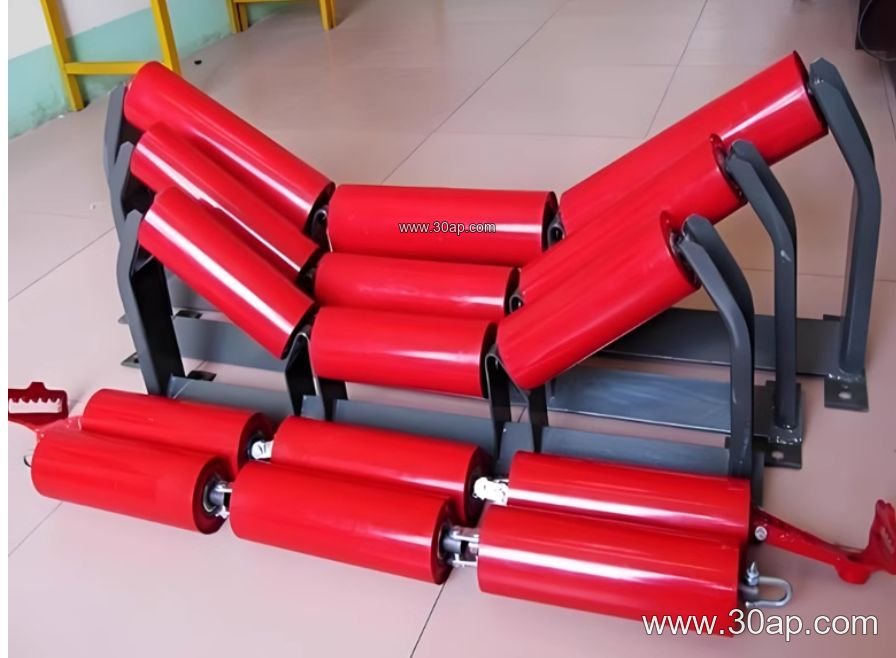
Ask whether the idler is a friction training type, a tapered self-aligning type, or an edge-guide type with rubber discs. Each behaves differently. A friction guide idler relies on contact with the belt surface, while an edge guide idler uses a vertical roller at the belt edge. Neither should be confused with a standard carrying idler or a impact idler, which have different duties.
Installation and Maintenance Notes
Mount the guide idler square to the belt centerline. A misaligned base can make tracking worse. After installation, observe the belt over several empty and loaded runs. If the belt still drifts, check pulley alignment and belt splice quality before adjusting the idler. Lubrication intervals depend on the bearing seal type; many sealed idlers are maintenance-free, but dusty cement or coal dust environments may require periodic inspection.
Replace a guide idler when the roller shell is worn through, the bearing is rough, or the frame no longer pivots freely. Keep a spare unit matched to the belt width and frame type. For a wider belt, such as a 1400 mm or 1600 mm conveyor, the training idler frame is larger and heavier, so lifting points and bracket strength matter during changeout.
- Confirm belt width and trough angle before ordering.
- Match the idler frame to the existing conveyor bracket.
- Check bearing seal class for dust and moisture.
- Verify roller diameter and shaft size with the supplier.
- Inspect tracking after any belt splice or pulley work.