What a Conveyor Pulley Assembly Does
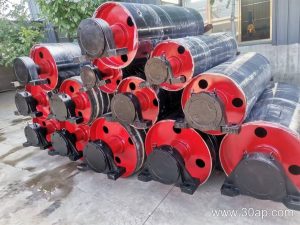
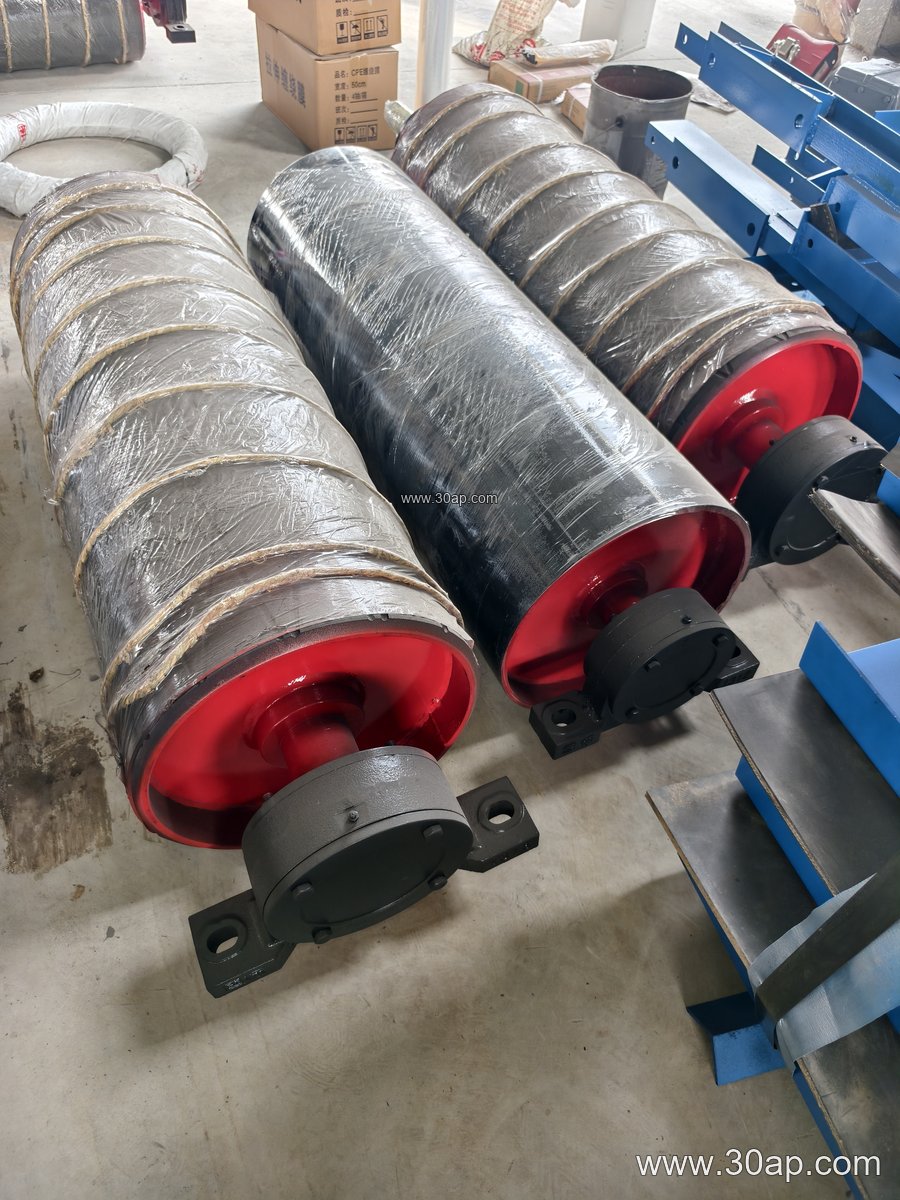
A conveyor pulley assembly is the rotating unit that drives, tensions, or redirects the conveyor belt at key points along a conveyor system. It combines the pulley shell, shaft, bearings, bearing housings, and often a lagging surface into one functional package. In a quarry or a coal handling plant, this assembly is what keeps the belt moving smoothly and holds tension without slipping. While a drive pulley transmits power and a tail pulley maintains belt tension at the return end, both rely on a well-built pulley assembly to do their job. The assembly is not a single part but a coordinated set of components that must work together under constant load.
How the Assembly Is Built
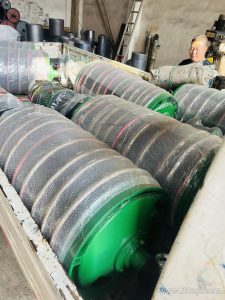
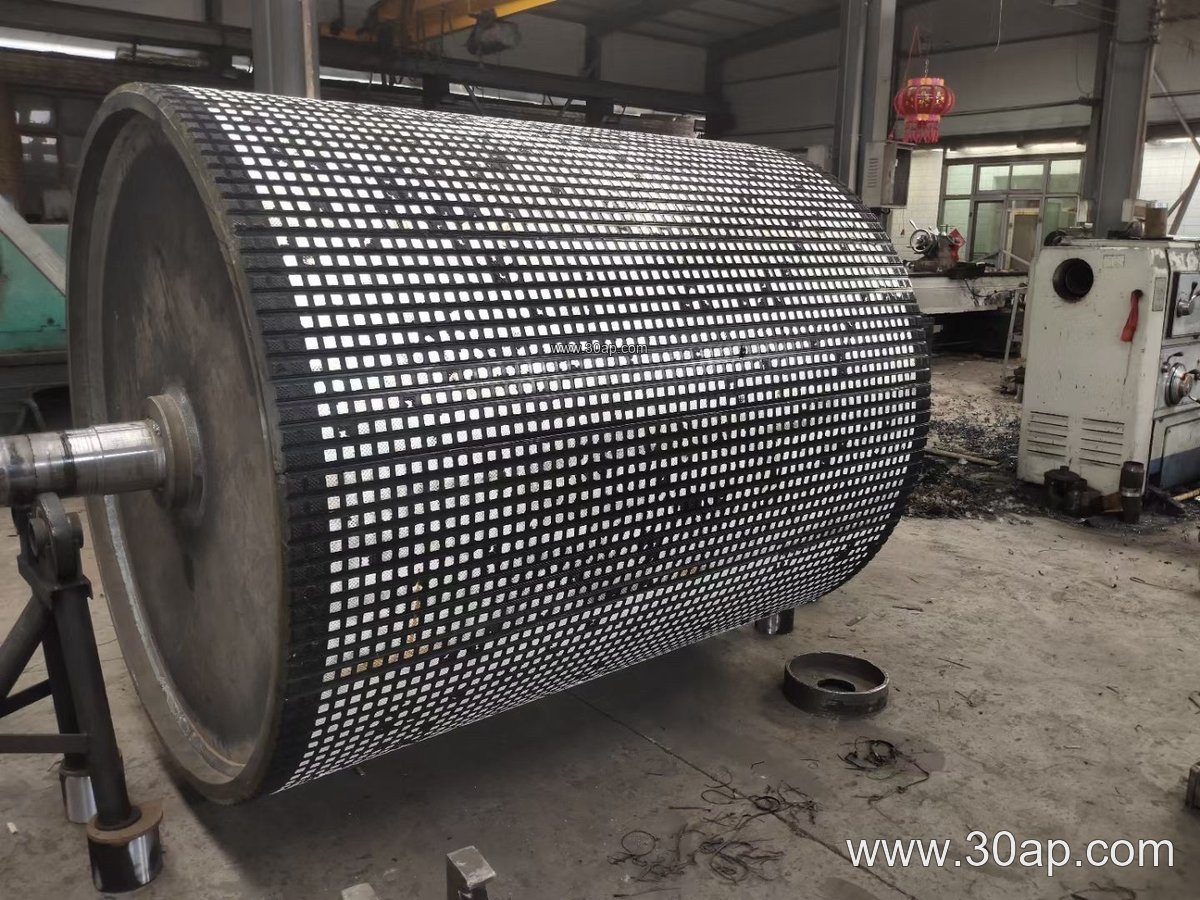
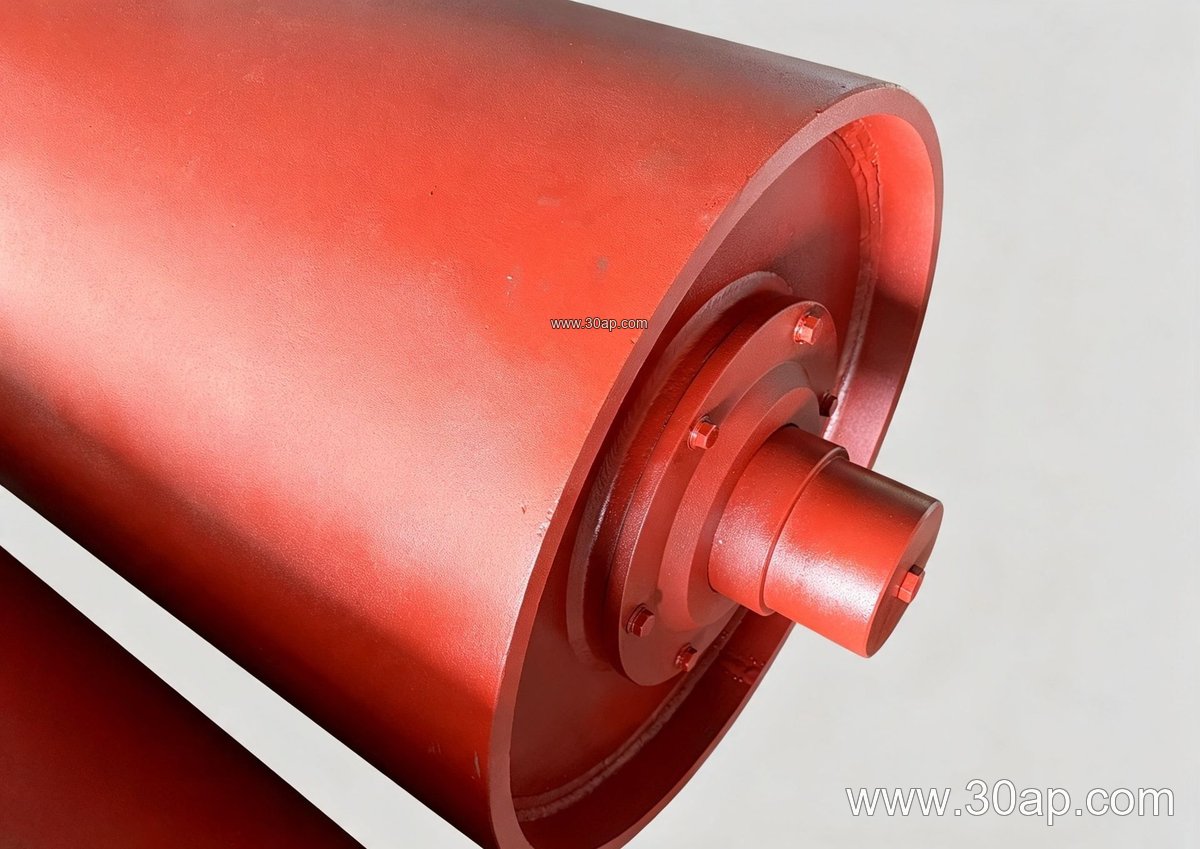
The core of the assembly is the pulley shell, usually a rolled steel cylinder welded to end discs. The shaft runs through the center and is supported by bearings mounted in housings on each side. These housings sit on a conveyor bracket or frame that anchors the unit to the conveyor structure. The shell surface may be plain, or it may carry lagging to improve grip and protect the belt. Common lagging options include rubber, ceramic, or diamond-pattern surfaces, with thicknesses often ranging from 8 mm to 20 mm. The assembly is balanced for smooth rotation, and the shaft diameter is selected based on torque and load rather than belt width alone.
Where These Assemblies Are Used
You will find conveyor pulley assemblies in almost any bulk material handling operation. In a limestone mine, they keep the primary crusher feed belt running. At a power plant coal yard, they drive the long overland conveyors that move fuel to the boiler. Sand and gravel plants rely on them for screening and stockpiling belts. Cement plants use them on clinker and raw material lines. The assembly must suit the environment: dusty, wet, or abrasive conditions demand sealed bearings and durable lagging. A conveyor pulley that is properly matched to the belt and the load will last longer and reduce downtime.
Key Parameters for Buyers
When specifying a conveyor pulley assembly, several dimensions matter. Belt width often determines the pulley face width, but the relationship is not fixed—a B1200 belt might work with a pulley face of about 1400 mm, while a B800 belt typically pairs with a face around 950 mm. Diameter is chosen based on belt tension, wrap angle, and space constraints; common sizes include Ø500, Ø630, Ø800, and Ø1000. The shaft diameter is not dictated by belt width alone; it must be calculated from the actual torque and radial loads. Lagging type and thickness also affect grip and wear life. For example, a drive pulley in a wet environment may need diamond rubber lagging, while a tail pulley might use plain steel or light lagging.
Below is a reference table of typical combinations, but these are examples only—final selection depends on the specific conveyor design.
| Belt Width | Pulley Face Width (approx.) | Common Diameter Range |
|---|---|---|
| B400 | 500 mm | Ø200–Ø400 |
| B650 | 750 mm | Ø250–Ø500 |
| B800 | 950 mm | Ø315–Ø630 |
| B1000 | 1150 mm | Ø400–Ø800 |
| B1200 | 1400 mm | Ø500–Ø1000 |
| B1400 | 1600 mm | Ø630–Ø1250 |
| B1600 | 1800 mm | Ø800–Ø1400 |
Remember that shaft diameter is determined by load calculations, not by simply matching the belt width. A B1200 conveyor might use a Ø120 mm shaft in one application and a Ø160 mm shaft in another, depending on the drive power and belt tension.
Matching the Assembly to the Belt
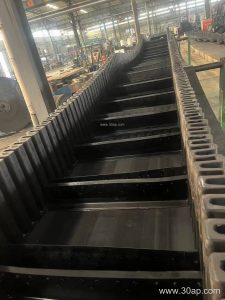
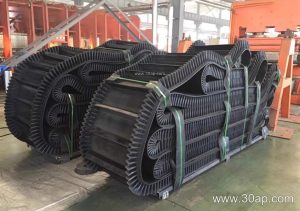
The pulley assembly must work in harmony with the conveyor belt. A heavy-duty mining conveyor belt, such as a steel cord or high-abrasion resistant belt, places higher demands on the pulley than a lightweight fabric belt. For instance, an EP conveyor belt with a multi-ply fabric core may require a different pulley diameter than a steel cord belt of the same width to achieve adequate belt life. The lagging surface also matters: a chevron conveyor belt or a corrugated sidewall belt may need a plain pulley to avoid interference, while a flat rubber belt benefits from lagged pulleys for grip. In coal mining, flame retardant and anti-static properties are critical for the belt, and the pulley assembly should be designed to avoid spark generation. Similarly, a heat resistant conveyor belt used in a cement plant may require a pulley that can withstand elevated temperatures without degrading the lagging.
Maintenance and Selection Tips
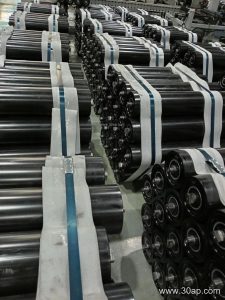
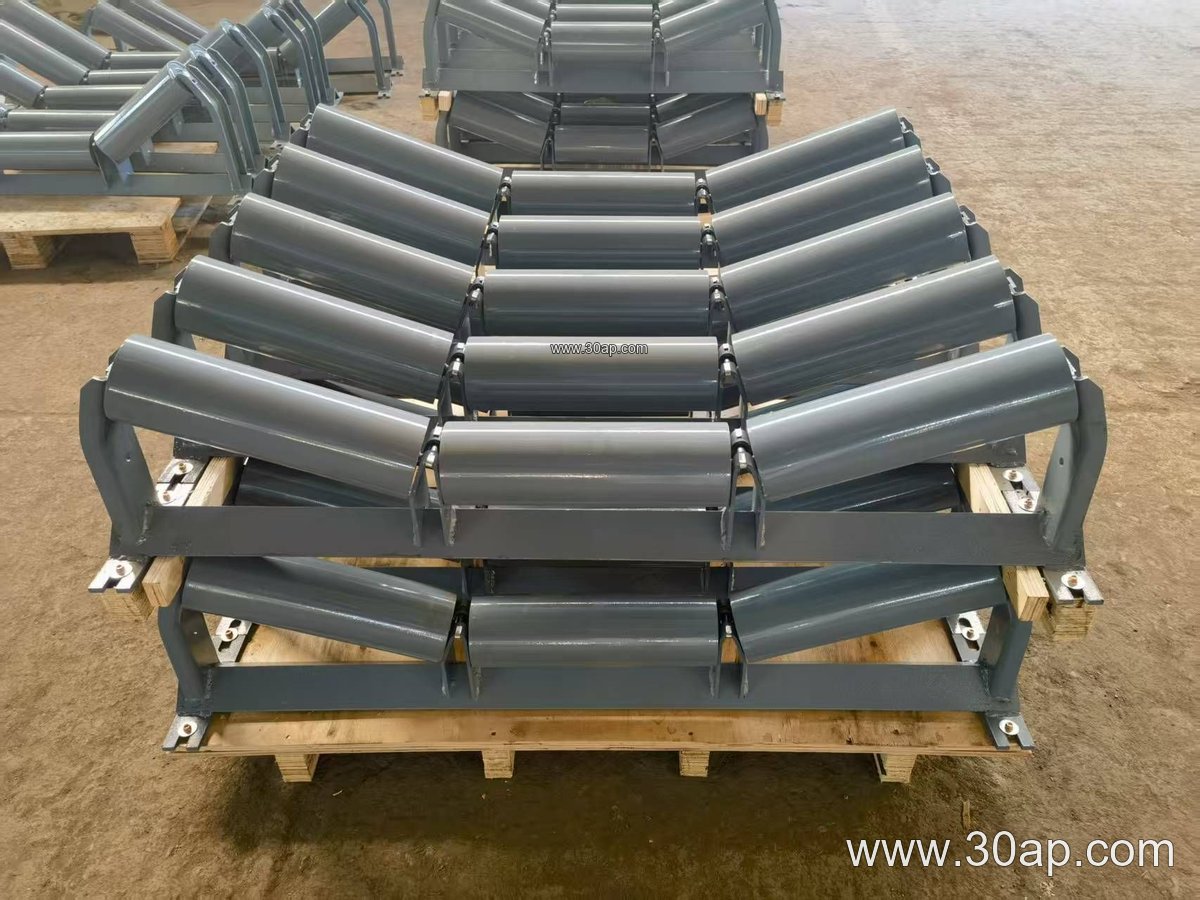
Regular inspection of the pulley assembly helps prevent unexpected failures. Check bearing seals for wear, verify lagging condition, and ensure the pulley rotates freely. When replacing a pulley, confirm the shaft diameter, keyway size, and bearing type match the original or the new design requirements. For harsh environments like iron ore or copper ore operations, consider ceramic lagging for extended wear life. Always consult the conveyor design specifications rather than assuming that a certain belt width automatically dictates a specific pulley size. A well-chosen conveyor pulley assembly, paired with the right conveyor belt and conveyor idler roller set, will keep your material handling line productive for years.