What an Underground Mining Conveyor Belt Has to Do
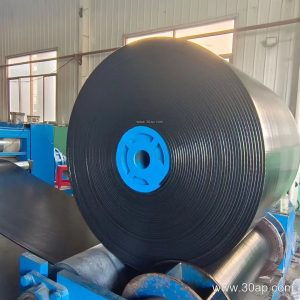
An underground mining conveyor belt is the load-carrying element of a continuous haulage system working below the surface, where space is tight, ventilation is limited, and the material stream rarely stops. In coal mines, metal mines, tunnels and ore passes, this belt moves run-of-mine rock, coal, and damp fines from the face or transfer point to the hoisting shaft or surface stockpile. Unlike a surface installation, the belt often runs in a confined drift with limited clearance, so the belt profile, splice quality and fire behaviour matter as much as raw tensile strength.
The same product is also described accurately as an underground conveyor belt or a mining conveyor belt for subterranean service. These are equivalent names for the same article, not different product families. A belt chosen for a quarry or a cement plant may share construction features, but the underground duty adds methane exposure, dust, humidity and restricted maintenance windows.
Construction and Common Configurations
The carcass carries the tension, while the rubber covers protect it from abrasion, impact and moisture. Fabric-core designs dominate shorter and medium reaches; steel cord constructions suit long, high-tension profiles. Buyers frequently compare a flame retardant conveyor belt with a standard abrasion resistant conveyor belt, because underground coal regulations usually push the specification toward fire resistance first, then wear life.
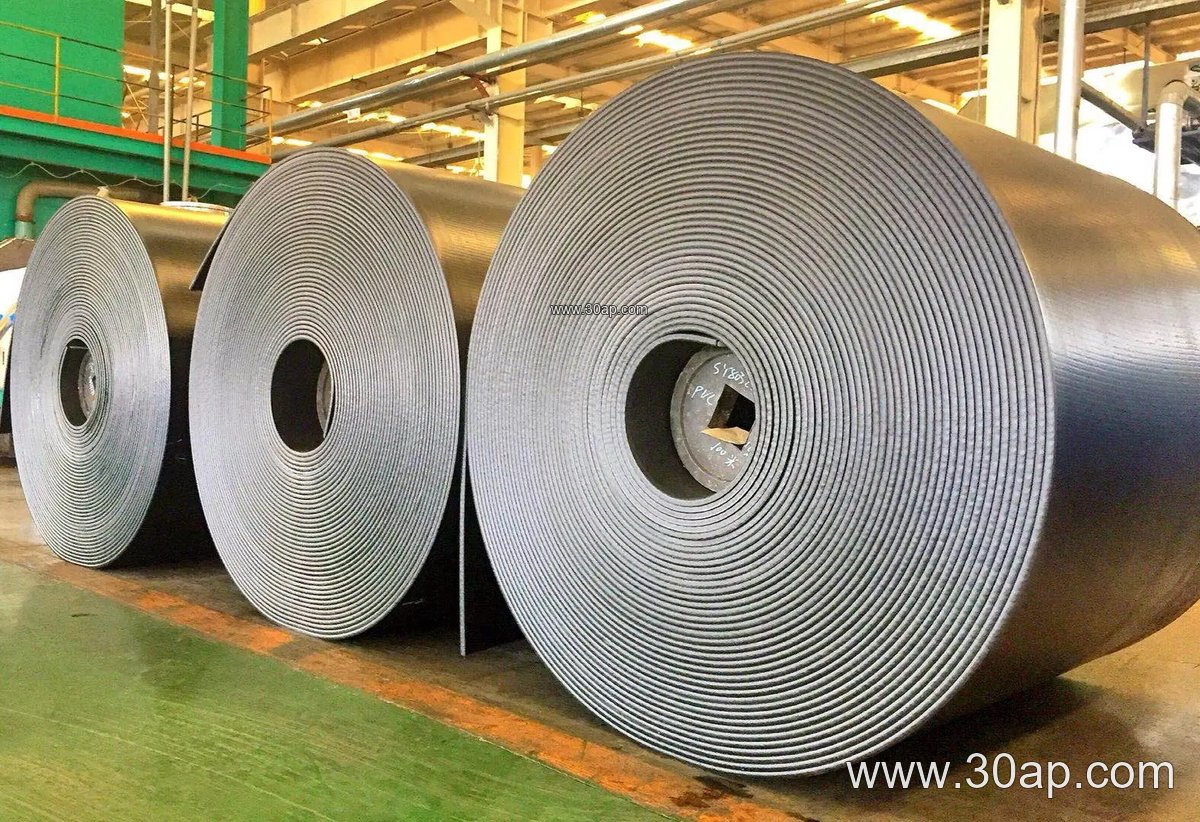
| Parameter | Typical reference range |
|---|---|
| Belt type | EP conveyor belt, NN conveyor belt, steel cord conveyor belt, PVG conveyor belt, PVC conveyor belt |
| Tensile grade | EP200 to EP2000; ST1000 to ST3150 for steel cord; NN100 to NN400 |
| Belt width | B500, B650, B800, B1000, B1200, B1400, B1600, B1800 |
| Cover thickness | 3+1.5 mm, 4+2 mm, 5+2 mm, 6+2 mm, 8+3 mm |
| Fabric plies | Commonly 2 to 6 layers, per design |
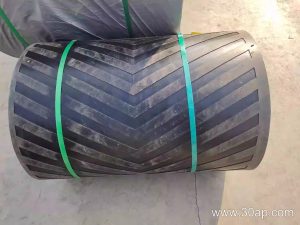
For gassy seams, a PVG800S conveyor belt or a PVG solid-woven construction is often evaluated alongside multi-ply fabric options. Steep inclines may call for a chevron conveyor belt or a corrugated sidewall conveyor belt to prevent roll-back, while confined curves can justify a pipe conveyor belt. These variants are chosen for geometry and material behaviour; they do not replace the base underground belt where a plain troughed run is adequate.
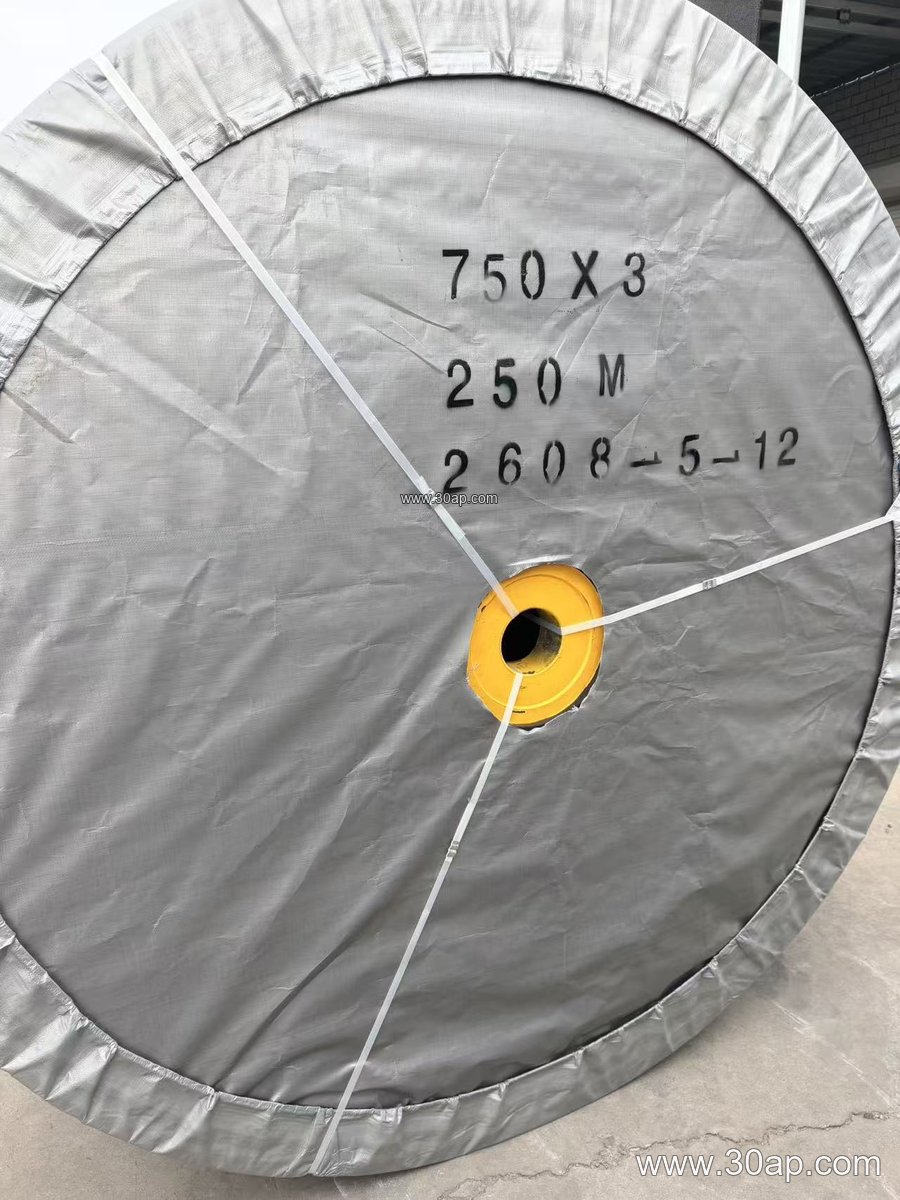
Where It Fits in the Mine Circuit
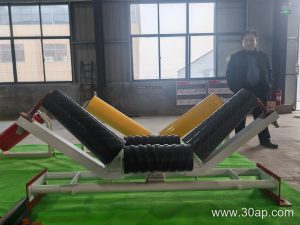
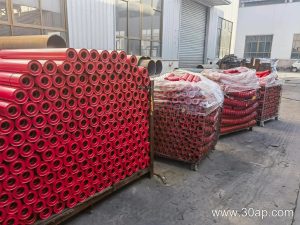
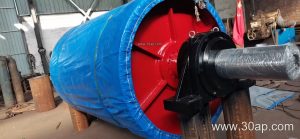
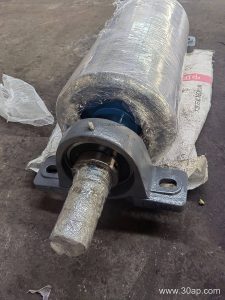
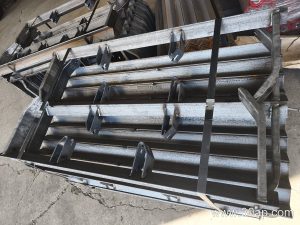
The belt works with conveyor pulleys at the drive, tail and bend positions, supported by idler rollers and mounted on conveyor brackets and frames. Drive, tail and bend pulleys perform distinct duties and are not interchangeable, so the belt tension and training behaviour must be reviewed against each pulley position. In a coal mining conveyor belt line, the belt may feed a crusher conveyor belt section, discharge onto a transfer chute, or connect to a bulk material conveyor belt trunk route. Similar layouts appear in iron ore, copper ore and gold mining operations, and in tunnel spoil handling for construction projects.
Environmental conditions shape the compound: a heat resistant conveyor belt for hot sinter or clinker transfer, an oil resistant conveyor belt near lubricated gearboxes, a cold resistant conveyor belt in deep shafts with sub-zero airflow, and an anti-static conveyor belt where static build-up is a concern. In coal service, a mining flame retardant conveyor belt or mining fire resistant conveyor belt is usually specified together with antistatic properties.
Buyer Checklist Before Ordering
- Confirm the actual duty: tonnage per hour, lump size, drop height, incline angle and available take-up travel.
- Match tensile grade to the calculated tension, not to habit; EP1000 at 1200 mm width and EP1250 at 1800 mm width are different duties, and belt width alone does not fix pulley diameter or shaft size.
- State cover thickness and grade explicitly, for example 6+2 mm abrasion resistant covers for sharp rock, or thinner covers where weight and flexibility matter.
- Ask for the splice method and check whether an endless conveyor belt is preferred over mechanical fastening for long-life installations.
- Verify fire and antistatic documentation against the mine’s own requirements rather than assuming a generic rating is accepted.
- Review pulley lagging, idler roller spacing and training idlers together with the belt, since misalignment shortens cover life quickly.
Keep spare belt stock in the same construction and grade so that repairs do not mix incompatible compounds. Store rolls off the ground, protected from UV and ozone, and inspect edges after each splice. For underground work, a conservative cover thickness and a well-documented flame retardant specification usually deliver better availability than a lighter, cheaper belt that fails early in a wet drift.