What a Conveyor Equipment Pulley Does
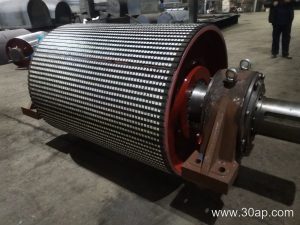
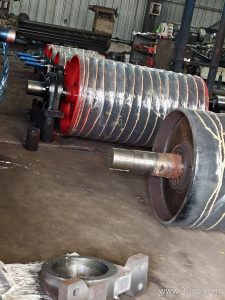
A conveyor equipment pulley is the rotating drum at the heart of a belt conveyor. It carries the conveyor belt, transfers motion, and keeps the belt tracking in the right direction. Depending on where it sits on the conveyor, the same basic component takes on a different job. A drive pulley (also called the head pulley) pulls the belt and transmits power from the gearbox. A tail pulley at the loading end turns the belt back. A bend pulley changes the belt path, while a take-up or tension pulley maintains belt tension. These roles are not interchangeable, and a buyer should always specify the position when ordering.
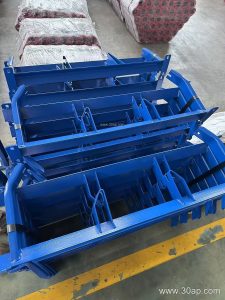
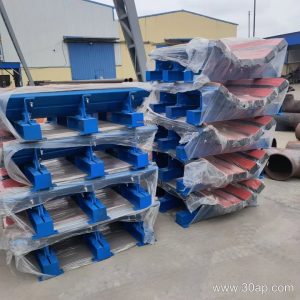
In quarry, aggregate, and cement plant conveyors, the pulley is often the component that decides how smoothly the whole line runs. It works together with the conveyor belt, idler roller, and conveyor bracket to keep material moving from crusher to stockpile without spillage or misalignment.
Construction and Surface Options
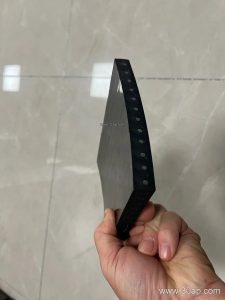
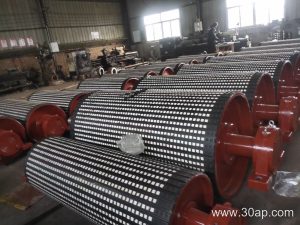
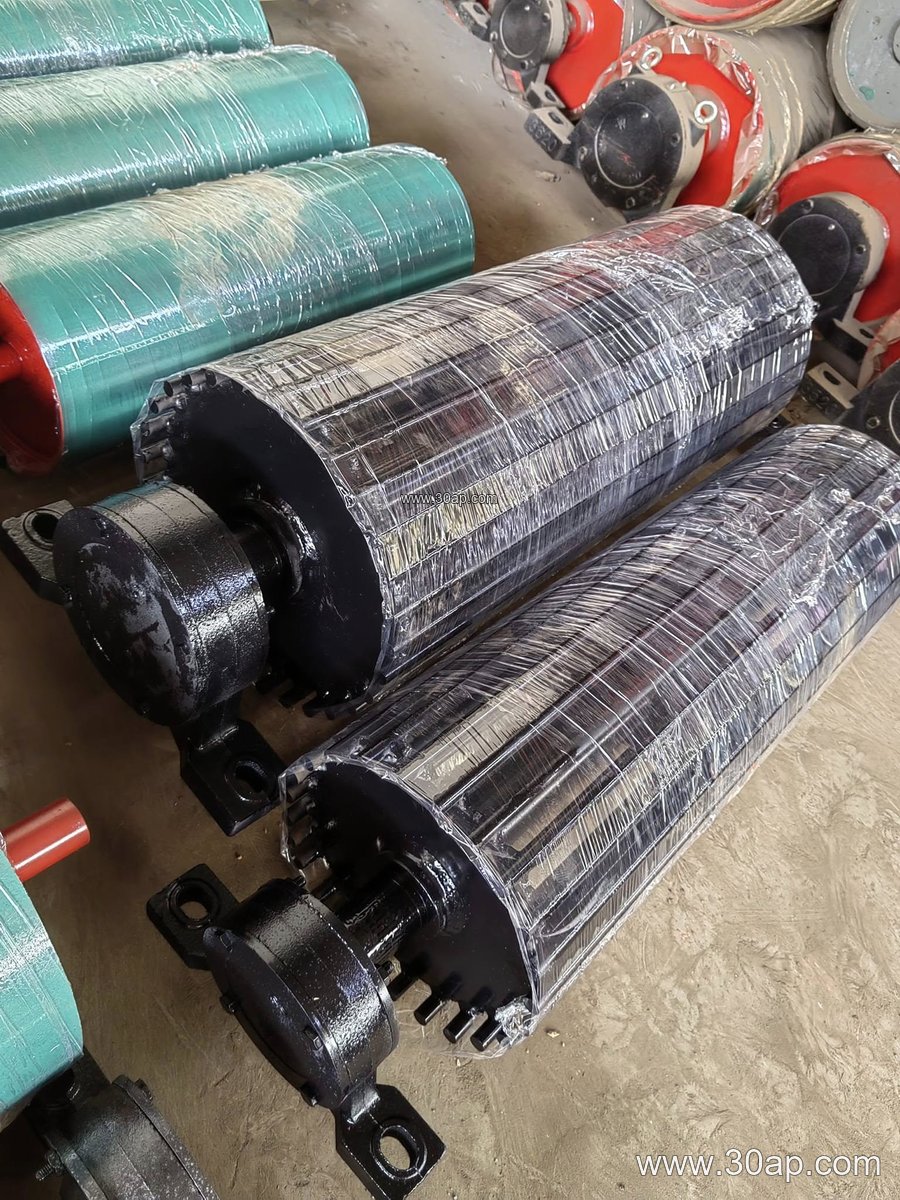
Most industrial pulleys are built from a steel shell, welded end discs, and a shaft that runs through the center. The shell surface may be plain or covered with rubber. Rubber lagging improves grip between pulley and belt, which matters on drive pulleys where slip wastes energy and wears the belt cover. Common lagging forms include plain rubber, diamond groove, herringbone, and ceramic tile. Lagging thickness is usually 8, 10, 12, 15, or 20 mm, chosen according to belt tension and environmental conditions.
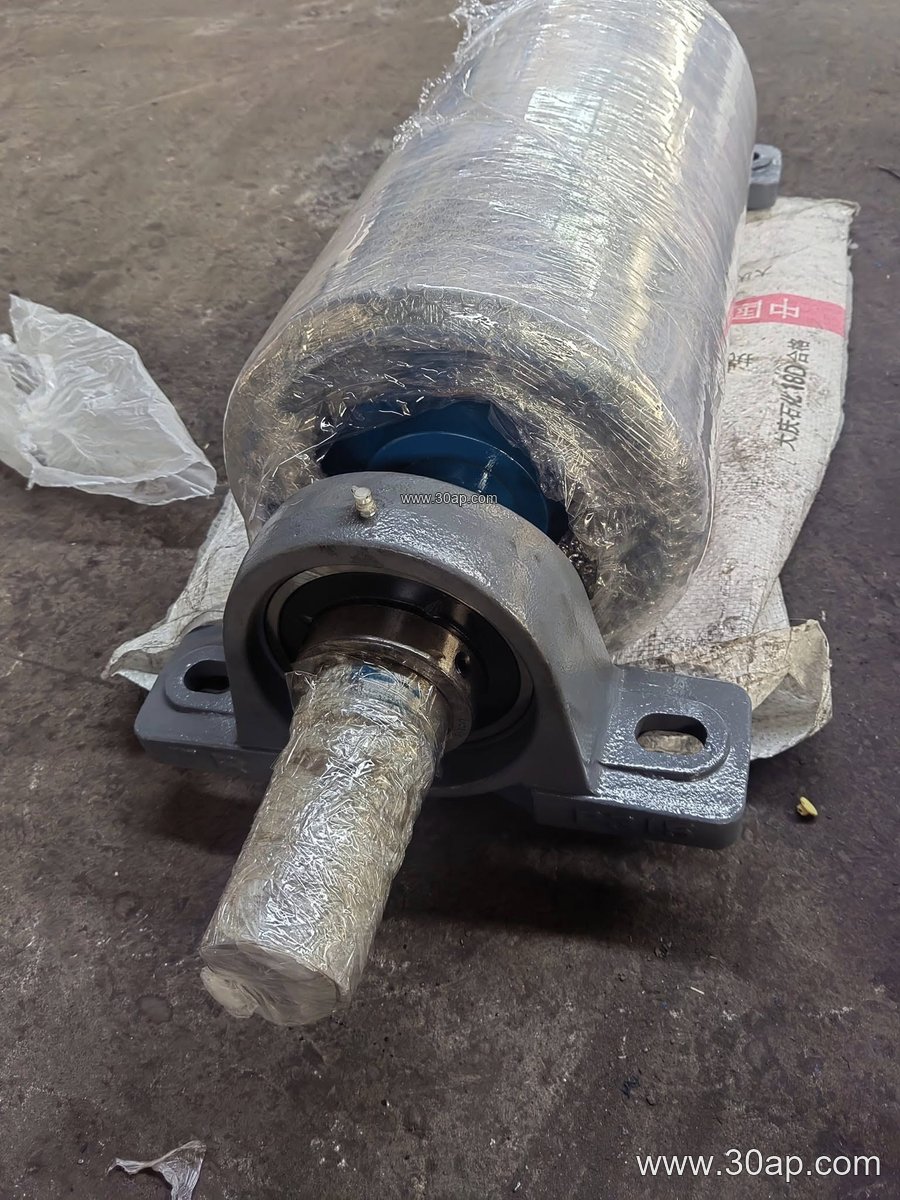
The shaft diameter is determined by torque and load, not by belt width alone. Typical shaft sizes range from Ø50 to Ø200, but the final value should come from the conveyor designer. A pulley for a 1200mm wide belt in an iron ore plant may share a nominal width with one in a fertilizer warehouse, yet the shaft and bearing selection can differ greatly because of load and duty cycle.
| Parameter | Common Reference Range |
|---|---|
| Belt width | B400 to B2400 |
| Pulley diameter | Ø200 to Ø1800 |
| Shell face width | Usually wider than belt width, e.g. B800 about 950 mm, B1200 about 1400 mm |
| Shaft diameter | Ø50 to Ø200, set by torque and load |
| Lagging thickness | 8, 10, 12, 15, 20 mm |
Matching the Pulley to the Conveyor Belt
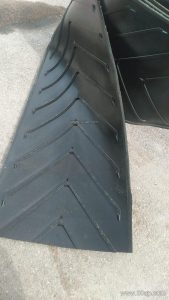
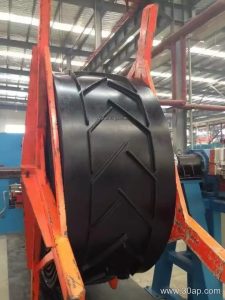
The belt and the pulley must be treated as a pair. A steel cord conveyor belt or a heavy-duty mining conveyor belt needs a robust drive pulley with adequate lagging, while a lighter EP conveyor belt on a short transfer may run well with a plain or lightly lagged drum. In coal mining and underground coal mining, flame retardant conveyor belt and anti-static conveyor belt are common, and the pulley lagging should be selected with the same safety thinking in mind.
Belt width and pulley diameter are related by design rules, but there is no single fixed pairing. A B800 conveyor might use a Ø500 tail pulley and a larger drive pulley, while a B1200 conveyor could combine Ø1000 drive and Ø800 bend pulleys. What matters is that the belt does not bend too sharply around a small drum, and that the pulley face is wide enough to support the full belt.
Where These Pulleys Are Used
You will find conveyor equipment pulleys in almost every bulk handling site. In a limestone mine or stone crushing line, head and tail pulleys move rock from the primary crusher to screening. In a power plant coal yard, pulleys on the coal conveyor work with abrasion resistant conveyor belt to handle dusty, abrasive fuel. In a port ship loading system, large pulleys guide wide belts over long distances. Even a small concrete batching plant relies on a reliable tail pulley to keep the belt centered.
For extreme conditions, the pulley specification should follow the belt. A heat resistant conveyor belt in a sinter plant calls for lagging that can tolerate temperature, while an oil resistant conveyor belt in a recycling facility needs a rubber compound that resists swelling. In cold climates, a cold resistant conveyor belt and suitable pulley bearings reduce startup problems.
Buyer Checklist
- Confirm the pulley position: drive, tail, bend, take-up, or snub.
- State belt width, belt type, and expected belt tension.
- Choose lagging surface and thickness for grip and wear.
- Verify shaft diameter and bearing size from the conveyor design.
- Check that shell face width and pulley diameter suit the belt path.
- Plan inspection of lagging wear, bearing condition, and alignment.
Whether the project involves a quarry conveyor belt, an ore conveyor belt, or a food grade conveyor belt in a silo, the pulley should be selected as part of the whole system. A well-matched conveyor equipment pulley, together with quality idler roller and conveyor bracket components, keeps the belt running straight and extends service life.