What the Ø108 Self-Aligning Idler Does
A Ø108 self-aligning idler is a 108 mm diameter roller assembly designed to correct belt drift before it becomes a problem. In a conveyor line, even a small sideways movement can lead to edge damage, spillage, and uneven wear on the conveyor belt. This idler responds to that drift by pivoting slightly, guiding the belt back toward the center of the frame. It is a training idler, not a drive, tail, or bend pulley, and it works alongside those components rather than replacing them.
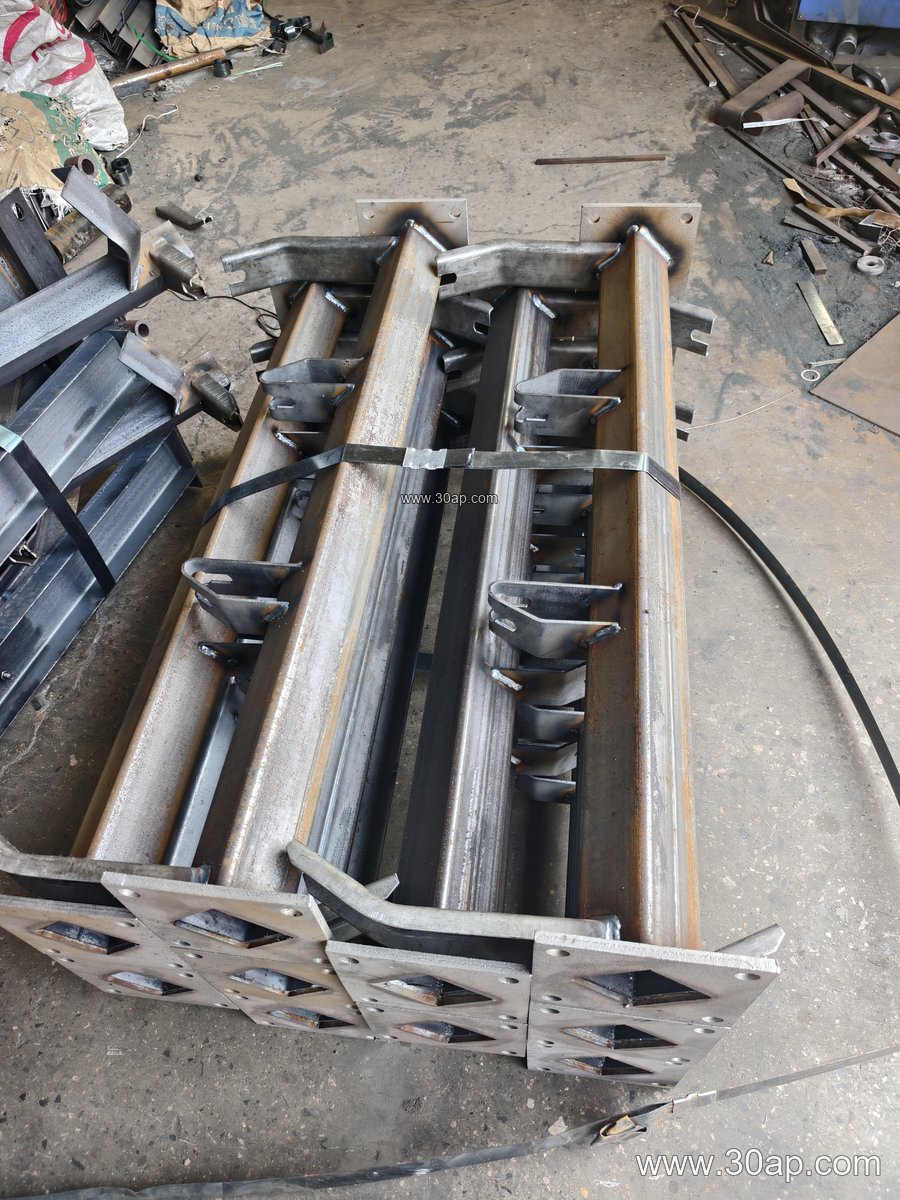
The self-aligning function is what sets it apart from a standard carrying idler. A plain troughing idler supports the belt but does not correct misalignment. A self-aligning unit adds a rotating or pivoting frame, often with guide rollers or a vertical pivot, so that friction from a wandering belt produces a small steering correction.
Construction and Key Parts
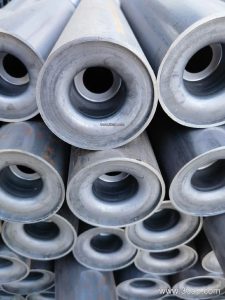
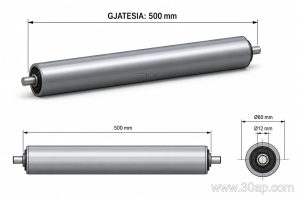
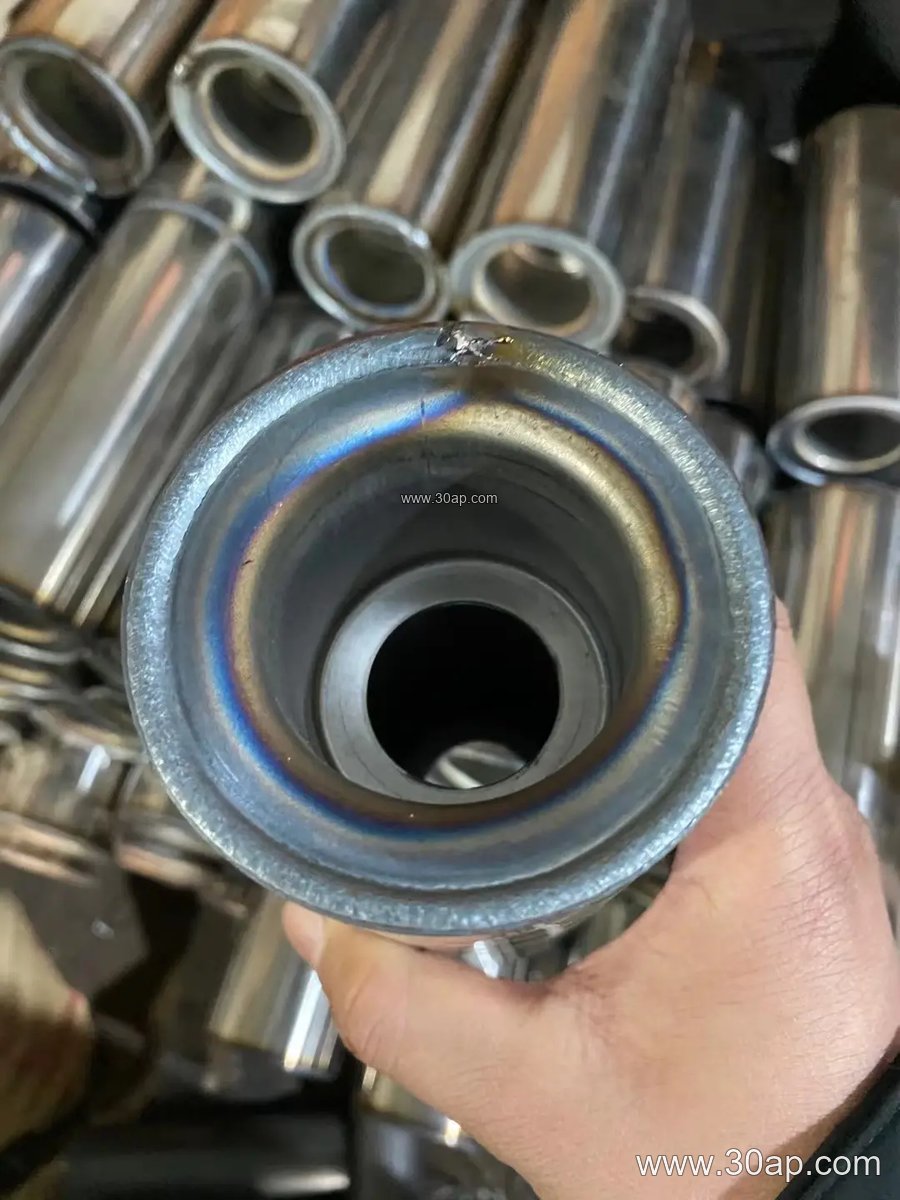
The roller body is commonly a steel tube with a 108 mm outside diameter. The shaft, bearings, and sealing arrangement are selected according to load and environment. Typical bearing choices in this size range include 6205, 6305, and 6306, but the correct bearing depends on the actual radial load and shaft design, not on the diameter alone.
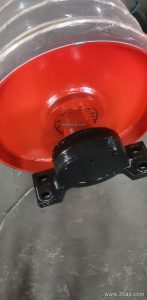
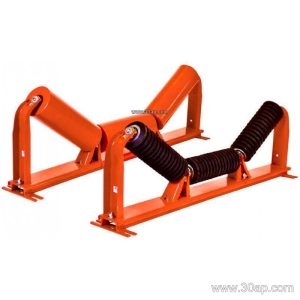
- Steel roller shell, sometimes fitted with a rubber lagging or rubber disc surface for grip and impact absorption.
- Sealed bearing housing to keep out dust and fine particles.
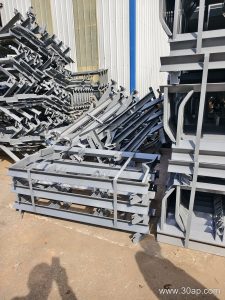
- Pivoting or tilting frame that allows the idler to steer the belt.
- Mounting bracket matched to the conveyor bracket spacing and frame width.
Sealing quality matters in dusty service. In a quarry, cement plant, or coal handling system, fine abrasive dust can shorten bearing life quickly if the labyrinth seal or contact seal is poor. Buyers should ask how the bearing cavity is protected, not just what the roller diameter is.
Where It Fits on the Conveyor
Self-aligning idlers are usually installed on the carrying side at intervals along a long run, and sometimes on the return side where tracking is difficult. They are common in bulk material handling across mining, coal preparation, power plant coal yards, limestone and aggregate lines, and port loading systems. On a conveyor fitted with a heavy-duty mining conveyor belt or an abrasion resistant conveyor belt, a tracking idler helps protect the belt edges from rubbing the frame.
They are also useful on lines carrying a chevron conveyor belt or a corrugated sidewall conveyor belt, where the raised profile can make centering more critical. The idler does not change belt construction; it simply helps keep the belt running in line.
Diameter, Belt Width, and Roller Length
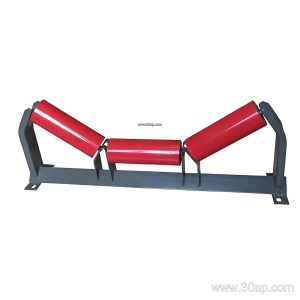
Ø108 is a mid-range roller diameter, often used on medium to wide belts. It is not tied to one belt width. Roller length depends on belt width, trough angle, and the idler group configuration. The following values are common examples for three-roll troughing sets, not fixed rules.
| Belt Width | Typical Roller Length (three-roll set) |
|---|---|
| B650 | about 250 mm |
| B800 | about 315 mm |
| B1000 | about 380 mm |
| B1200 | about 465 mm |
| B1400 | about 530 mm |
Side rollers and center rollers may differ in length, and the trough angle (20, 30, 35, or 45 degrees) affects the geometry. A buyer should confirm the frame drawing rather than assume a roller length from belt width alone.
Selection and Maintenance Notes
Before ordering, confirm the shaft diameter, bearing type, mounting bracket dimensions, and whether the idler is for the carrying or return side. Check that the self-aligning frame can move freely and that the pivot is protected from material build-up. On a cement plant conveyor or a crusher discharge line, build-up around the pivot can defeat the steering action.
During maintenance, inspect roller rotation, seal condition, and frame alignment. A worn idler roller may still turn but fail to steer. Pair the idler with a suitable conveyor pulley and conveyor bracket that match the frame, and keep spare rollers on hand for critical lines. For high-abrasion service, a rubber-surfaced version may last longer than a plain steel shell.
For more on matching belts and rollers, see the conveyor belt and idler roller references at cncrusher.com and the pulley guidance at cncrusher.com.