What an Aggregate Conveyor Belt Does
An aggregate conveyor belt is the heavy-duty carrying surface that moves crushed stone, sand, gravel, and recycled concrete between crushers, screens, and stockpiles. In a quarry or sand plant, it is the component that touches the material first and works under constant abrasion, impact, and dust. Unlike a general-purpose conveyor belt, the aggregate version is built around ruggedness: a robust carcass, thick covers, and a design that tolerates sharp edges and uneven loading.
The same product is often called a rock conveyor belt or crusher conveyor belt when it runs directly under a primary crusher. Those are accurate equivalent names for the same duty, not different product families. What matters is that the belt is specified for aggregate service, not repurposed from a light package-handling line.
Construction and Common Specifications
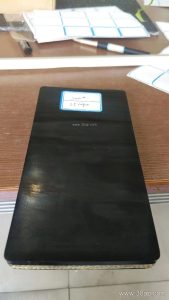
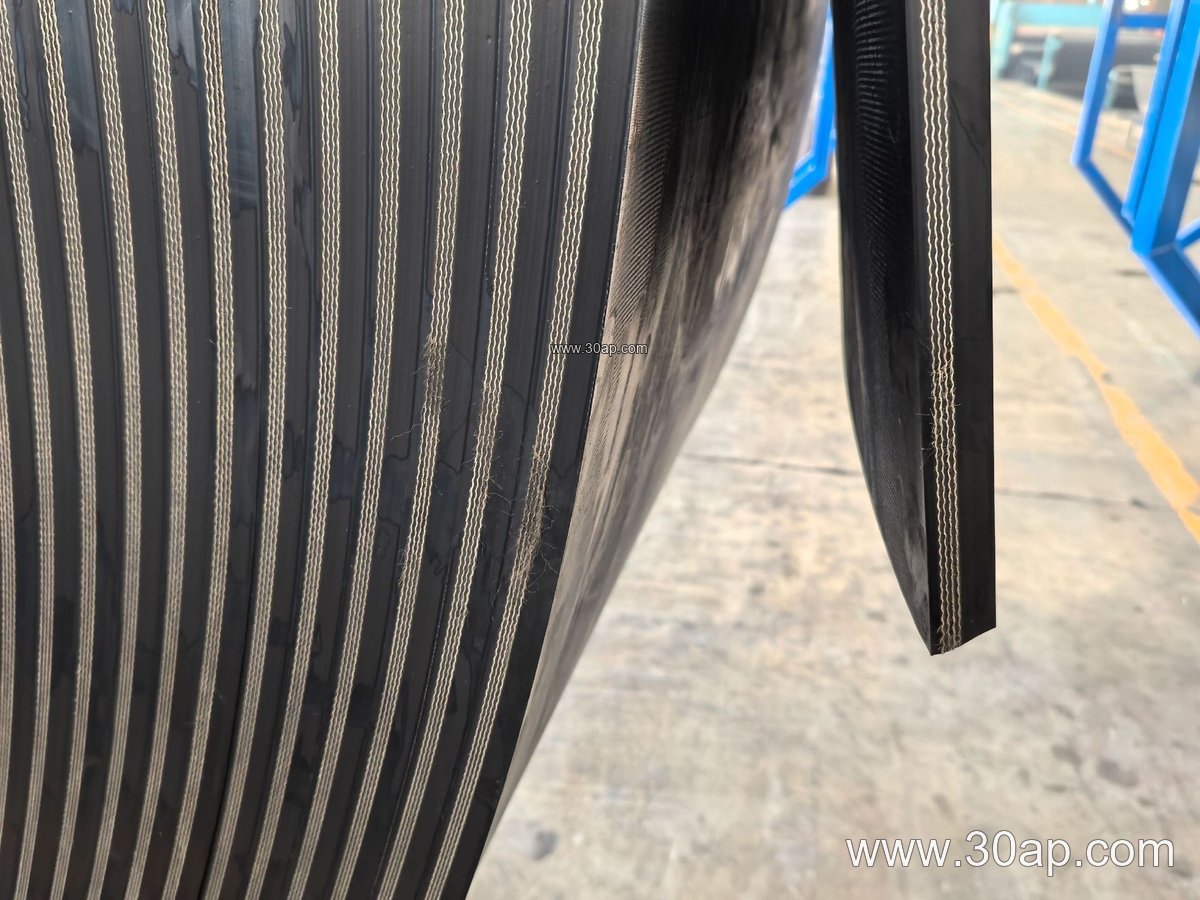
Most aggregate belts use a multi-ply fabric core, typically EP (polyester-nylon) or NN (nylon-nylon). EP Conveyor Belt constructions are popular because they resist stretch and moisture. For higher tension and long center distances, a Steel Cord Conveyor Belt may be chosen. Cover rubber is usually an Abrasion Resistant Conveyor Belt compound, often with a thicker top cover to absorb impact from large lumps.
The table below shows typical reference values; actual supply depends on the manufacturer and the conveyor design.
- Belt width: B500, B650, B800, B1000, B1200, B1400, B1600, B1800
- Fabric strength grades: EP200, EP315, EP400, EP500, EP630, EP800, EP1000, EP1250
- Cover thickness (top + bottom): 3+1.5, 4+2, 5+2, 6+2, 8+3 mm
- Carcass plies: commonly 2 to 6 layers
For dusty, potentially combustible environments such as coal handling, a Flame Retardant Conveyor Belt or Anti-Static Conveyor Belt grade may be required. In cement plants and power plants, a Heat Resistant Conveyor Belt is used where clinker or hot ash is present.
Where It Fits in the Plant
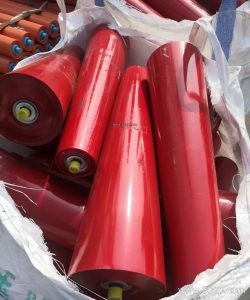
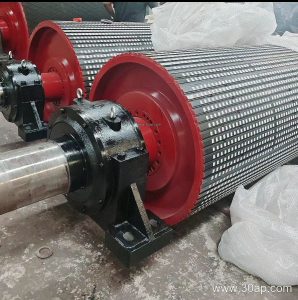
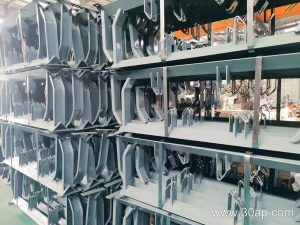
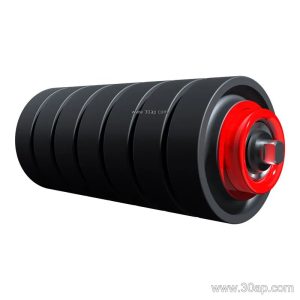
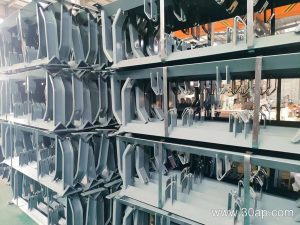
Aggregate belts appear throughout the flowsheet: feeding the primary crusher, transferring to screens, returning oversize, and stockpiling. In a sand making plant, a Stone Crushing Conveyor Belt handles abrasive fines; in a recycling yard, a heavy-duty version copes with rebar and broken concrete. The belt works together with conveyor pulleys, idler rollers, and conveyor brackets, but each of those parts has its own role. Drive, tail, and bend pulleys are not interchangeable, and the belt specification should be matched to the pulley diameters and troughing arrangement chosen by the conveyor designer.
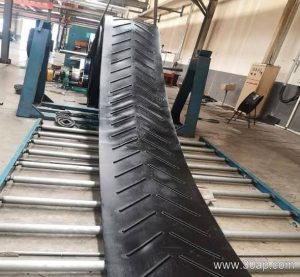
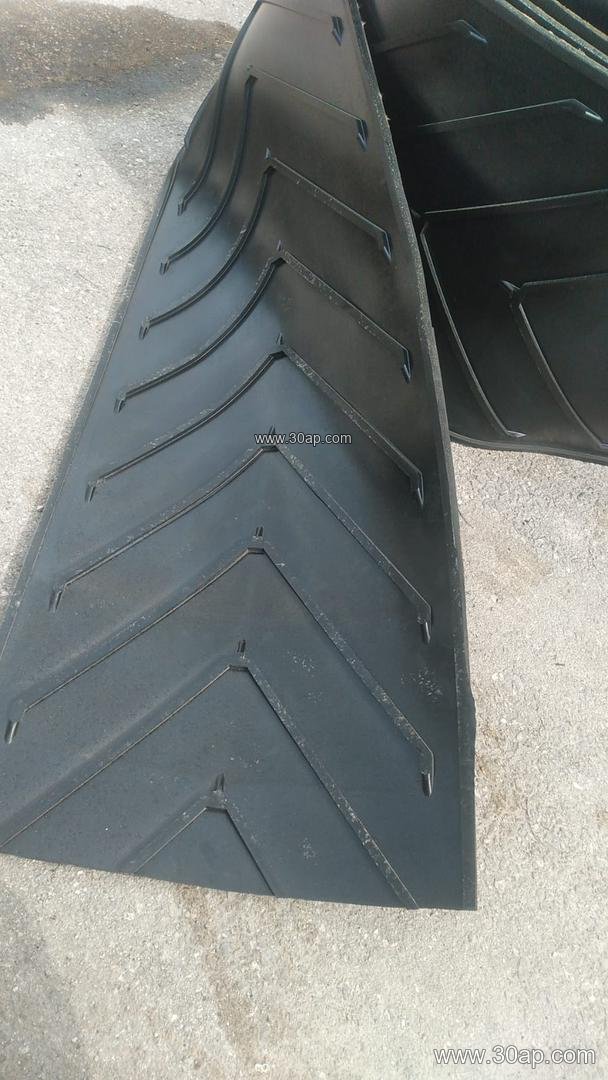
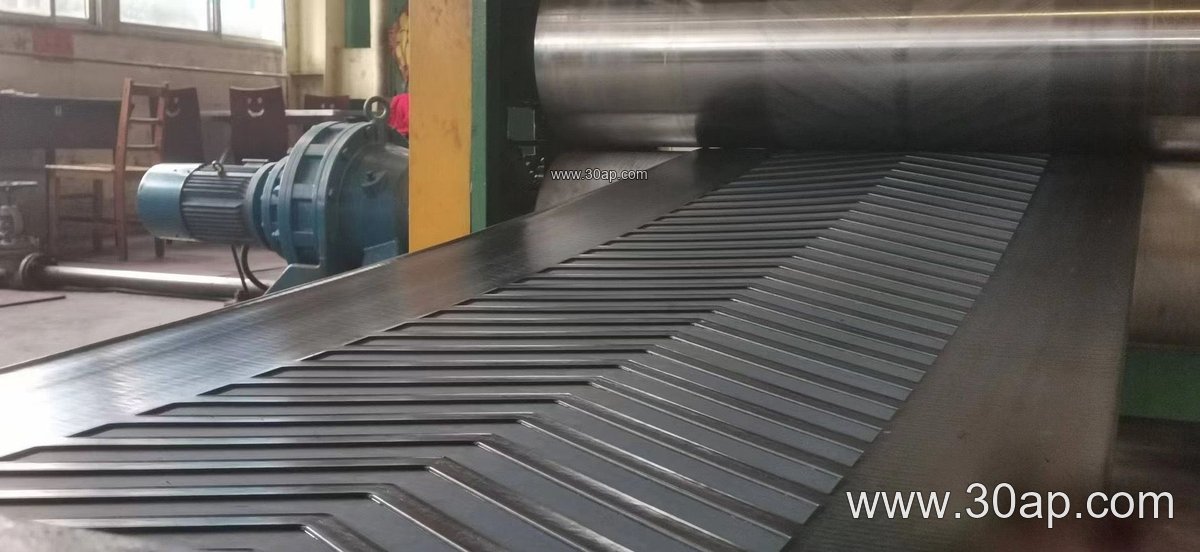
A chevron or corrugated sidewall belt is sometimes used on steep inclines, but for flat or gently inclined aggregate runs, a standard flat belt is the norm. The main subject here remains the flat aggregate conveyor belt; inclined variants are mentioned only as a comparison.
Buyer Checklist
- Confirm the material: sharp rock, sand, or recycled concrete changes the cover choice.
- Check the duty: abrasion, impact, heat, oil, or flame resistance may be needed.
- Match the belt grade to the conveyor’s calculated tension, not to a single belt width.
- Ask for the cover thickness and ply count in writing, since these vary by maker.
- Consider splice type and whether an Endless Conveyor Belt is preferred for long runs.
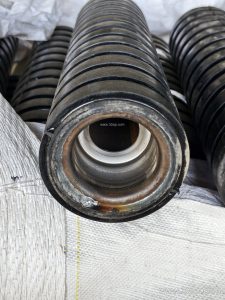
Keep spare idler rollers and a spare conveyor pulley inspected alongside the belt. A belt rarely fails alone; misalignment, stuck rollers, or worn lagging often shorten its life. For aggregate duty, a practical spare policy and regular cover-thickness checks are more useful than a single headline specification.