What a Heavy-Load Belt Conveyor Idler Does
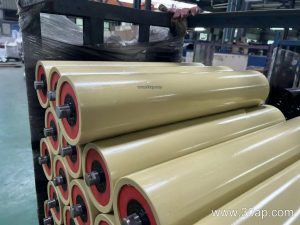
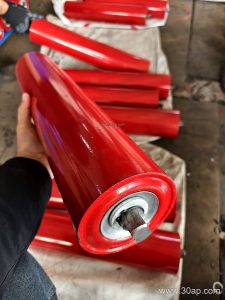
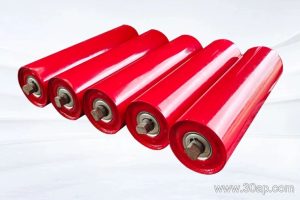
A heavy-load belt conveyor idler is the rotating support that carries a fully loaded conveyor belt between the head and tail of the machine. In a quarry, a coal preparation plant, or a cement kiln feed line, the idler must hold up not only the belt but also the material on it, often ore, clinker, or aggregate. That is why this component is built with thicker shells, larger bearings, and stronger frames than a light-duty roller used on a small package line.
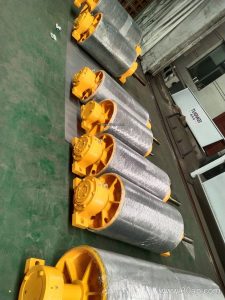
The same product is often called a heavy-duty conveyor idler roller or a heavy-load carrying idler. These names describe one item, not a pulley. A conveyor pulley at the drive or tail end turns the belt; an idler simply supports it along the run.
Construction Details That Matter
Most heavy-load idlers use a steel tube shell, machined bearing housings, and a sealed bearing block. Roller diameters are commonly in the range Ø102, Ø108, Ø127, Ø133, Ø159, and up to Ø219 mm for very wide, high-tonnage lines. The shaft is sized by the load and the bracket, not by belt width alone.
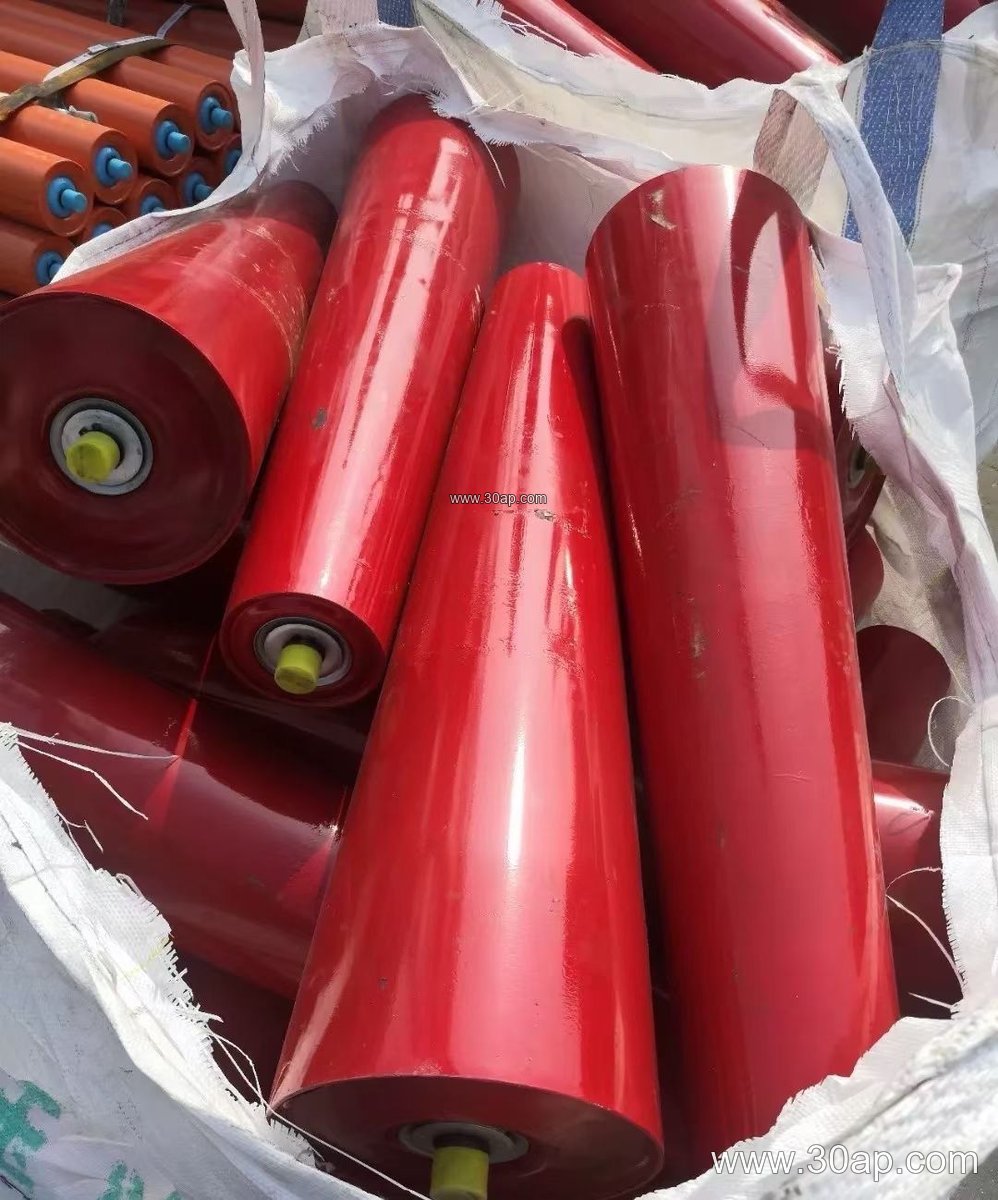
Bearing selection often follows the roller diameter and load. Common bearing numbers include 6205, 6305, 6306, 6308, and 6310. Seals are the quiet deciding factor in dusty service. A good labyrinth seal keeps grit out of the bearing, which is exactly what a stone crushing line or an iron ore transfer point demands.
Surface form can be plain steel, nylon, ceramic, or rubber ring. A rubber ring buffer idler is used at loading points where impact is heavy; a plain steel shell is common on the carrying side of a long overland run.
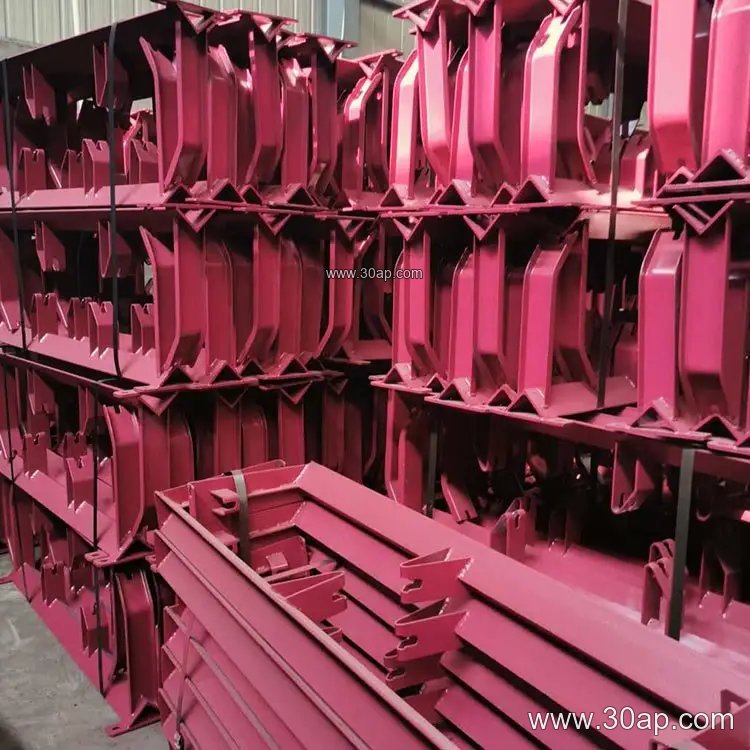
Common Sizes and Arrangements
The following values are typical references, not fixed matches. Final dimensions are set by the conveyor design.
| Item | Common reference values |
|---|---|
| Belt width | B500, B650, B800, B1000, B1200, B1400, B1600, B1800, B2000 |
| Roller diameter | Ø76, Ø89, Ø102, Ø108, Ø127, Ø133, Ø159, Ø178, Ø194, Ø219 mm |
| Trough angle | 20°, 30°, 35°, 45° |
| Idler set | single roll, two-roll, three-roll troughing |
| Roller length (three-roll, example) | about 200 mm at B500, 315 mm at B800, 465 mm at B1200, 600 mm at B1600, 750 mm at B2000 |
| Bearing | 6204, 6205, 6305, 6306, 6308, 6310 |
Side rollers and center rollers can differ in length. A 30° trough set and a 45° set on the same belt width will not use identical roll lengths, and that is normal. A belt width does not lock the plant into one pulley diameter either.
Where Heavy-Load Idlers Are Used
Two typical settings show the range. In a limestone quarry, a heavy-load carrying idler sits under a 1200 mm wide abrasion resistant conveyor belt moving blasted rock from the primary crusher to the stockpile. Impact idlers with rubber rings are placed below the loading chute, while standard troughing sets carry the rest of the run.
In a power plant coal yard, the same kind of idler supports a flame retardant conveyor belt on the coal conveying gallery. Here the return side may use a V-type return idler to keep the belt trained, and the carrying side uses three-roll troughing sets at 35°.
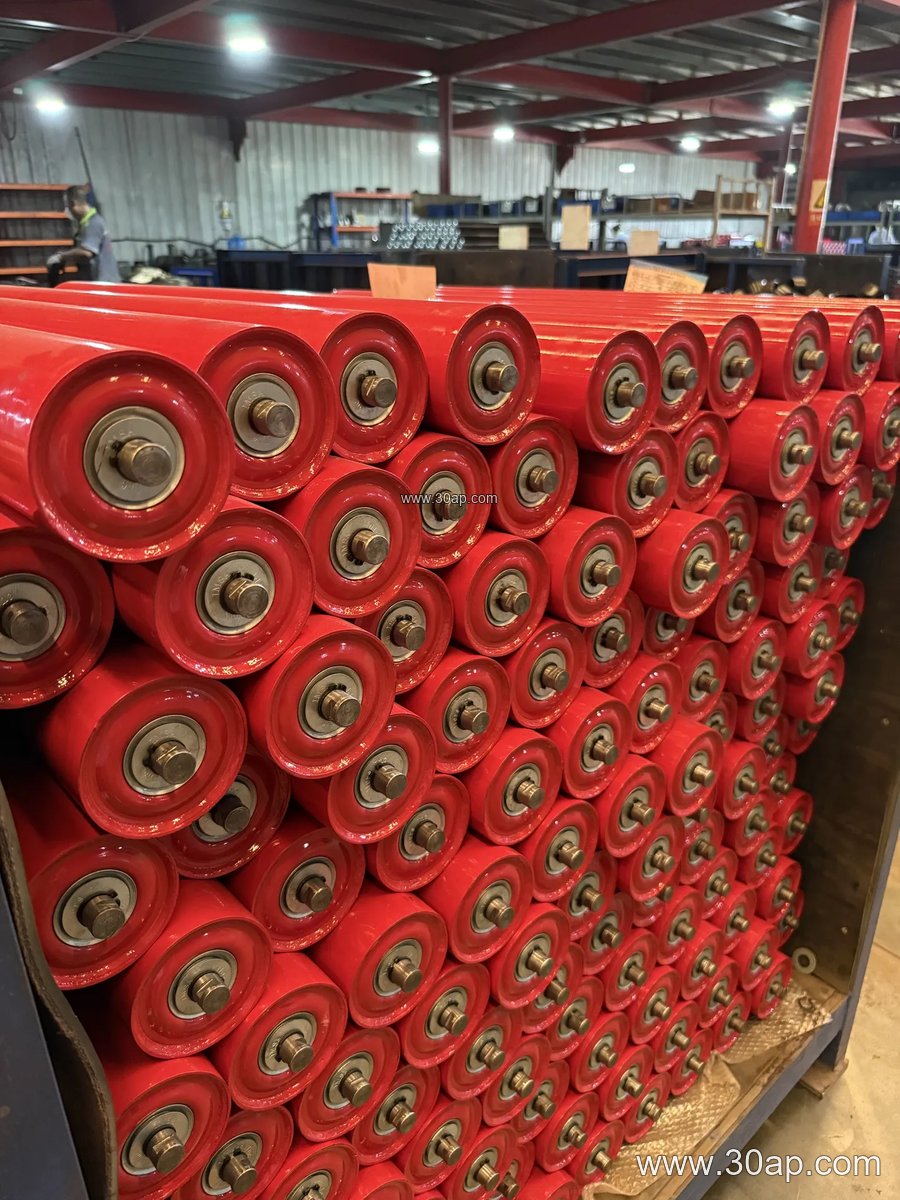
Other users include sinter plants, aggregate washing lines, port ship loaders, and tunnel spoil removal. In all of them, the idler roller works with the conveyor bracket and the conveyor pulley to keep the belt moving straight and quiet.
Buyer Checklist
- Confirm belt width, trough angle, and idler set type before ordering.
- State the material, lump size, and loading impact so the roller shell and bearing are matched to the duty.
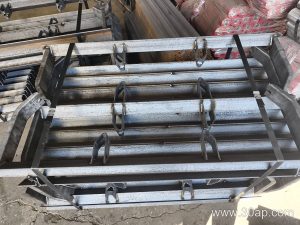
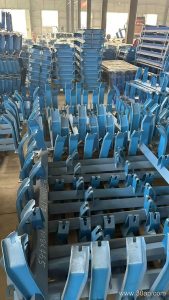
- Check the shaft end and bracket fit against the existing conveyor frame.
- Ask about seal design and bearing brand control, since dust and water are the main causes of early failure.
- Keep spare rollers for high-wear points such as transfer chutes and curve sections.
For belt matching, buyers often pair these idlers with an EP conveyor belt, a steel cord conveyor belt, or a multi-ply fabric core conveyor belt depending on tension and distance. A fabric core conveyor belt suits many medium runs, while a steel cord belt is chosen for long, high-tension lines. The idler selection should follow the belt and the load, not the other way around.
Routine inspection of a heavy-load belt conveyor idler is simple. Listen for squealing, check for a seized roll, and look for material build-up on the shell. Replacing a failed roller early protects the conveyor belt and the conveyor pulley from unnecessary wear.