What the Ø89 Conveyor Idler Is
A Ø89 conveyor idler is a carrying or return roller with an 89 mm outside roller diameter, built to support and guide the conveyor belt along a conveyor frame. It is one of the mid-range sizes in common use, sitting between lighter 63 mm and 76 mm rollers and heavier 102 mm and 108 mm designs. In practice, the Ø89 idler roller appears on medium-duty bulk handling lines where belt widths are moderate and loads are steady rather than extreme.
Because the diameter is fixed but the roller length is not, one 89 mm idler can serve several belt widths depending on the trough configuration and frame design. That flexibility is why this size turns up in quarry conveyors, cement plant transfer points, power plant coal handling, and sand and aggregate lines.
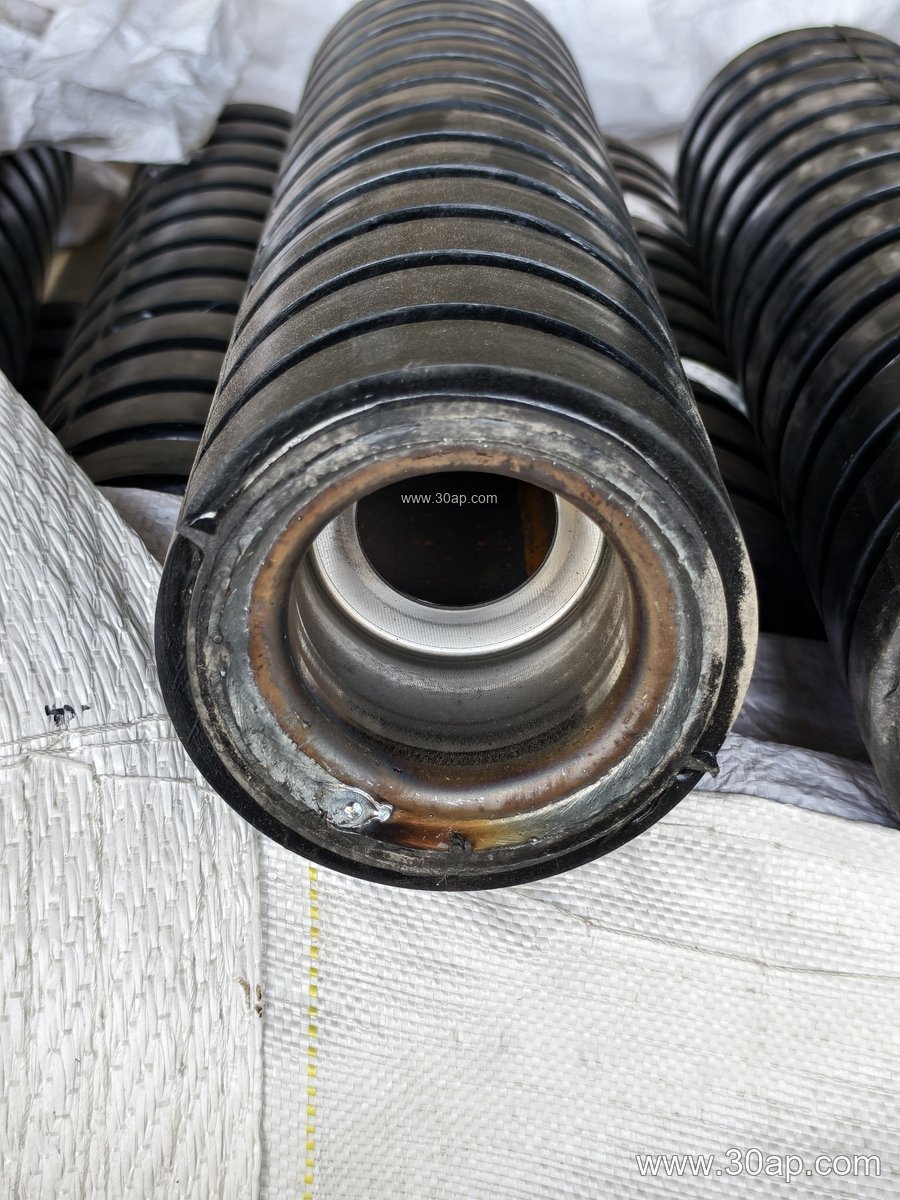
How a Ø89 Idler Is Built
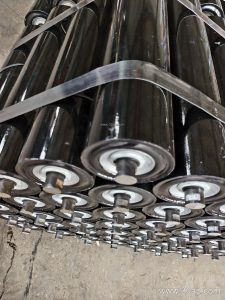
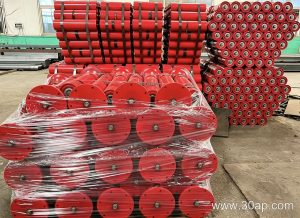
The typical construction combines a steel tube shell, welded end discs, a shaft, and sealed bearing housings. Roller surface options include plain steel, nylon, ceramic, and rubber rings, and the choice usually follows the duty: rubber rings for impact zones, ceramic or nylon where sticking and wear are concerns. Bearings commonly used in this size class include 6204, 6205, 6305, and 6306, but bearing selection should follow load and speed calculations rather than diameter alone.
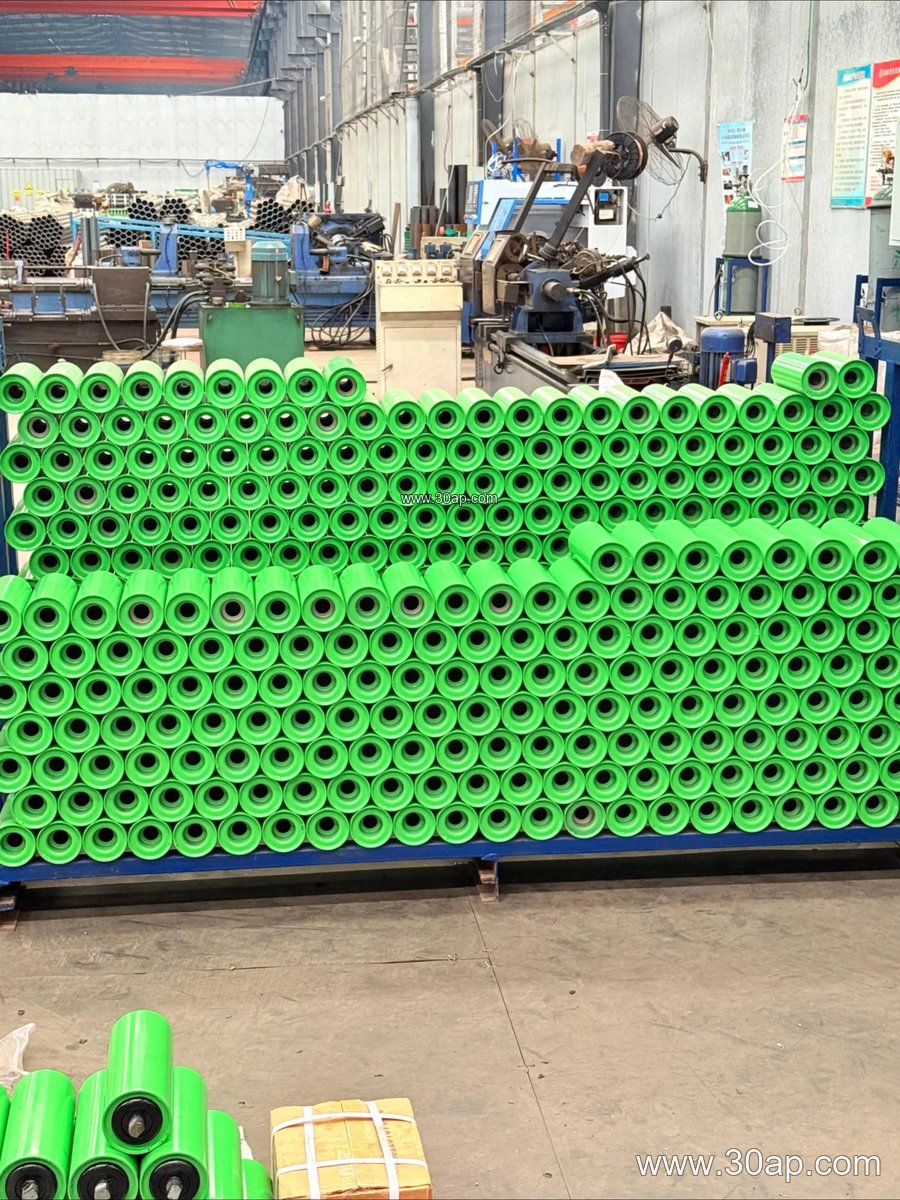
Sealing matters as much as the tube. Dust from crushing and screening, fine cement powder, and coal dust all shorten bearing life if the labyrinth or contact seal is weak. A well-sealed Ø89 conveyor idler should rotate freely by hand and hold grease without weeping.
Where It Fits on the Conveyor
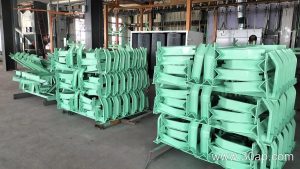
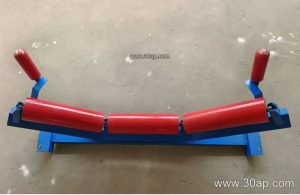
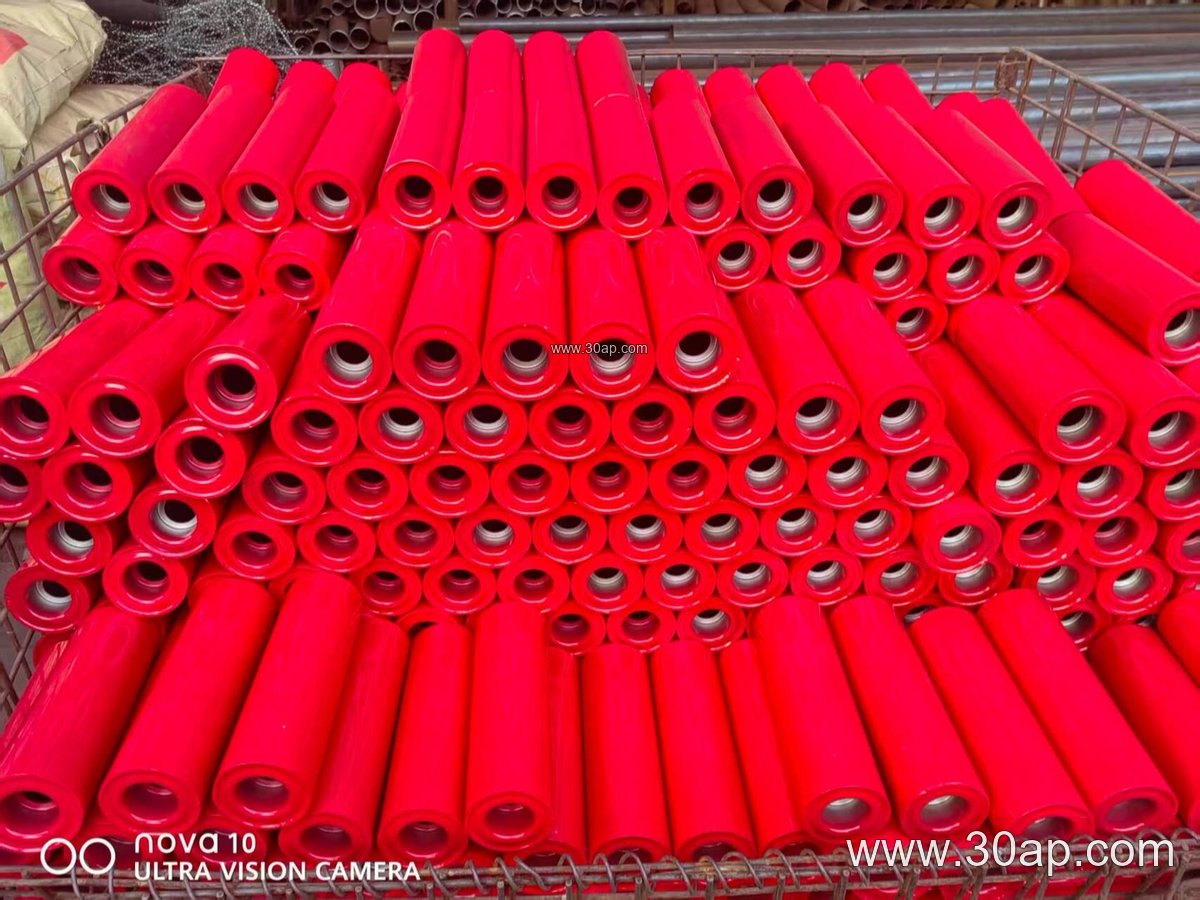
The same 89 mm roller can be assembled into different idler groups. A three-roll troughing set carries the loaded belt, with side rollers inclined at 20, 30, 35, or 45 degrees; a two-roll set suits narrower belts; and a single flat roller works for return strands. V-shaped return groups help center the belt on the empty side, while impact idlers with rubber rings absorb shock below crusher discharge chutes.
Typical roller lengths for three-roll troughing sets vary with belt width, for example around 200 mm at B500, 250 mm at B650, 315 mm at B800, 380 mm at B1000, and 465 mm at B1200. These are common examples, not fixed pairings, and side rollers may differ from the center roller.
| Belt width | Common roller length (three-roll troughing) | Typical trough angle |
|---|---|---|
| B500 | about 200 mm | 20–30 degrees |
| B650 | about 250 mm | 30–35 degrees |
| B800 | about 315 mm | 30–35 degrees |
| B1000 | about 380 mm | 35 degrees |
| B1200 | about 465 mm | 35–45 degrees |
Industries and Belt Pairings
In a limestone quarry or aggregate plant, the 89 mm idler often runs under an abrasion resistant conveyor belt or a multi-ply fabric core belt carrying crushed stone. In a coal preparation plant, it may support a flame retardant conveyor belt on the main haulage. Cement plants use it on clinker and raw meal lines, and power plants on coal yard conveyors. Ports and ship loading systems also employ this diameter on moderate-width belts.
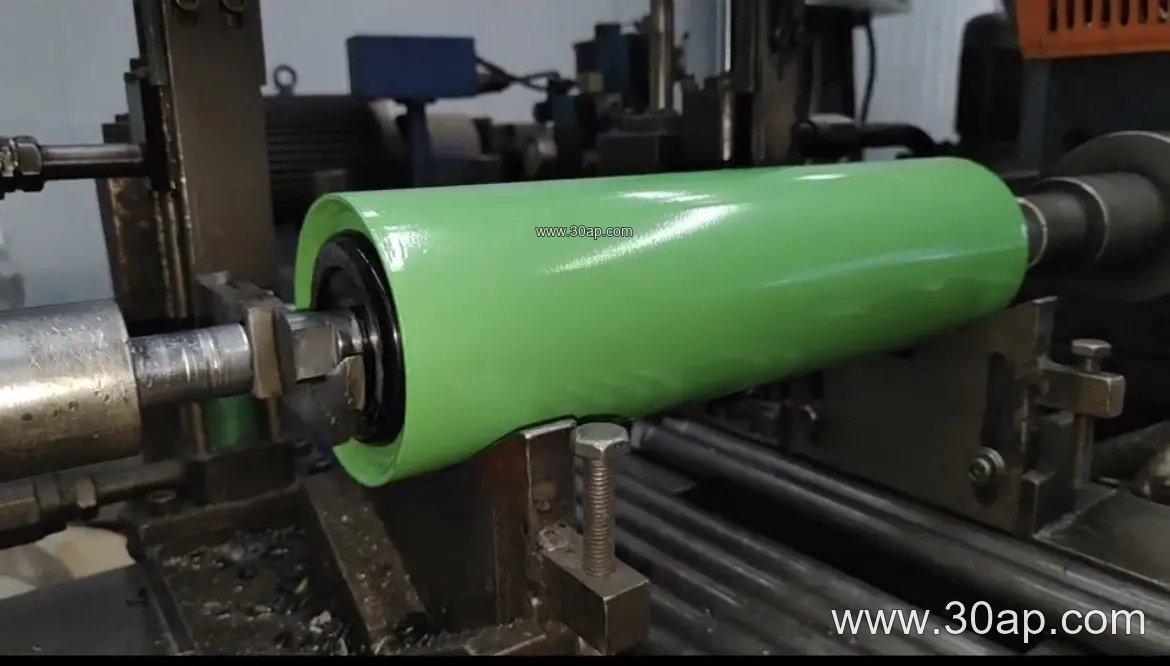
Heavier duties such as iron ore or copper ore may call for a larger diameter, while a steel cord conveyor belt on a long overland route usually needs bigger rollers and stronger frames. The Ø89 idler is best matched to medium tension and moderate belt speed, not to the most punishing high-tonnage applications.
Buyer Checklist
- Confirm the roller length and group form (single, two-roll, or three-roll troughing) against the actual frame, not just the belt width.
- State the trough angle and whether the application needs transition, training, or impact idlers.
- Specify the roller surface: steel, nylon, ceramic, or rubber rings.
- Check shaft diameter and bearing size from the conveyor design; do not infer them from belt width alone.
- Match sealing to the environment: dust, moisture, or washdown.
- Ask for rotation and runout checks before installation.
During maintenance, inspect the Ø89 conveyor idler for seized bearings, flattened shells, and worn rubber rings. Replacing a failed roller early protects the belt and the conveyor pulley from tracking problems. For related components, buyers often review the conveyor bracket and frame dimensions together with the roller order so that the whole idler station fits correctly on site.