What a Tail Bend Pulley Does
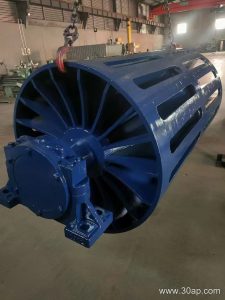
A tail bend pulley is a direction-changing roller mounted near the tail end of a conveyor. Its job is to route the belt back toward the tail pulley or tensioning device after the belt has discharged its load and passed around the head. Unlike the tail pulley itself, which often serves as the tension or take-up point, the bend pulley simply redirects the belt path, creating the necessary wrap angle on adjacent pulleys and helping maintain proper belt tracking. In a quarry conveyor or a coal mining conveyor, this seemingly simple component quietly influences belt alignment, tension distribution, and overall system reliability.
Construction and Surface Options
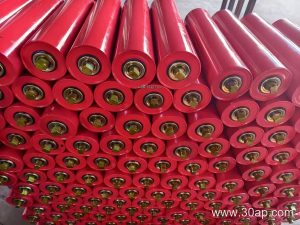
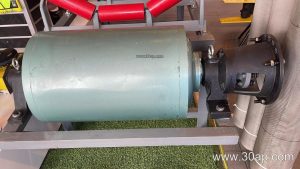
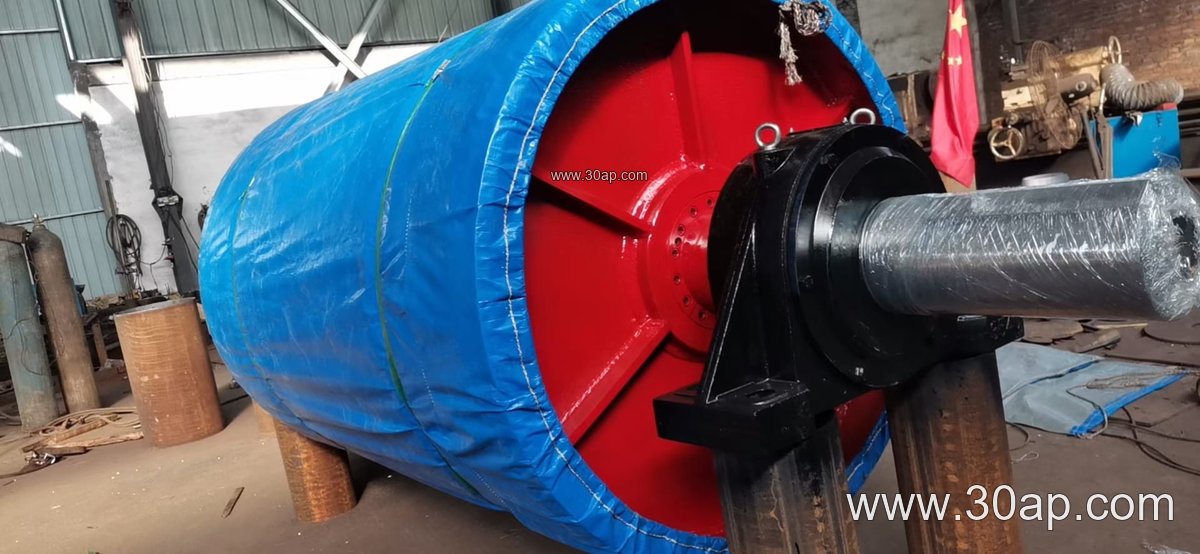
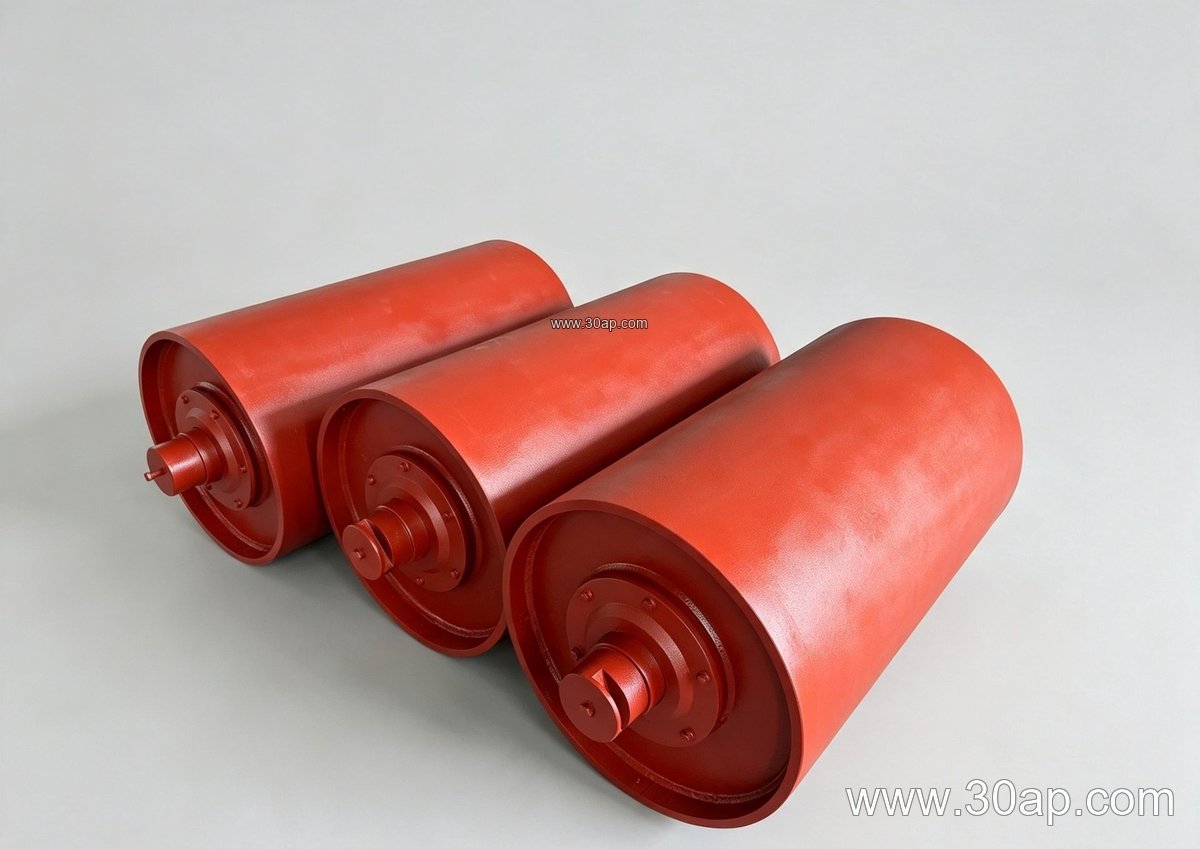
The tail bend pulley is typically built from a steel drum with welded end discs and a shaft that runs through the bearing housings. Standard diameters for this position often fall between Ø315 and Ø800, depending on the belt width and the required bend radius. Common belt widths that pair with such pulleys include B650, B800, B1000, and B1200, with pulley face widths usually a little wider than the belt—for example, B800 is often matched with a 950 mm face, and B1000 with about 1150 mm.
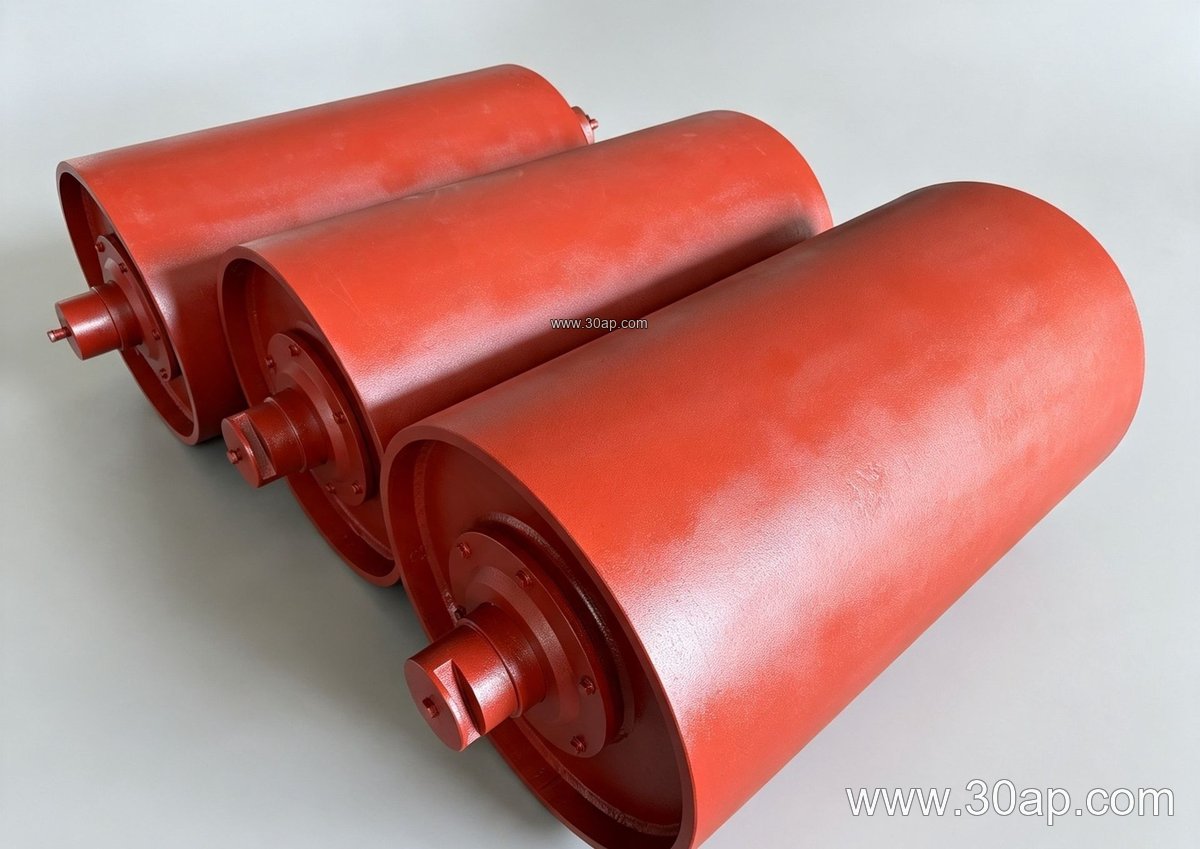
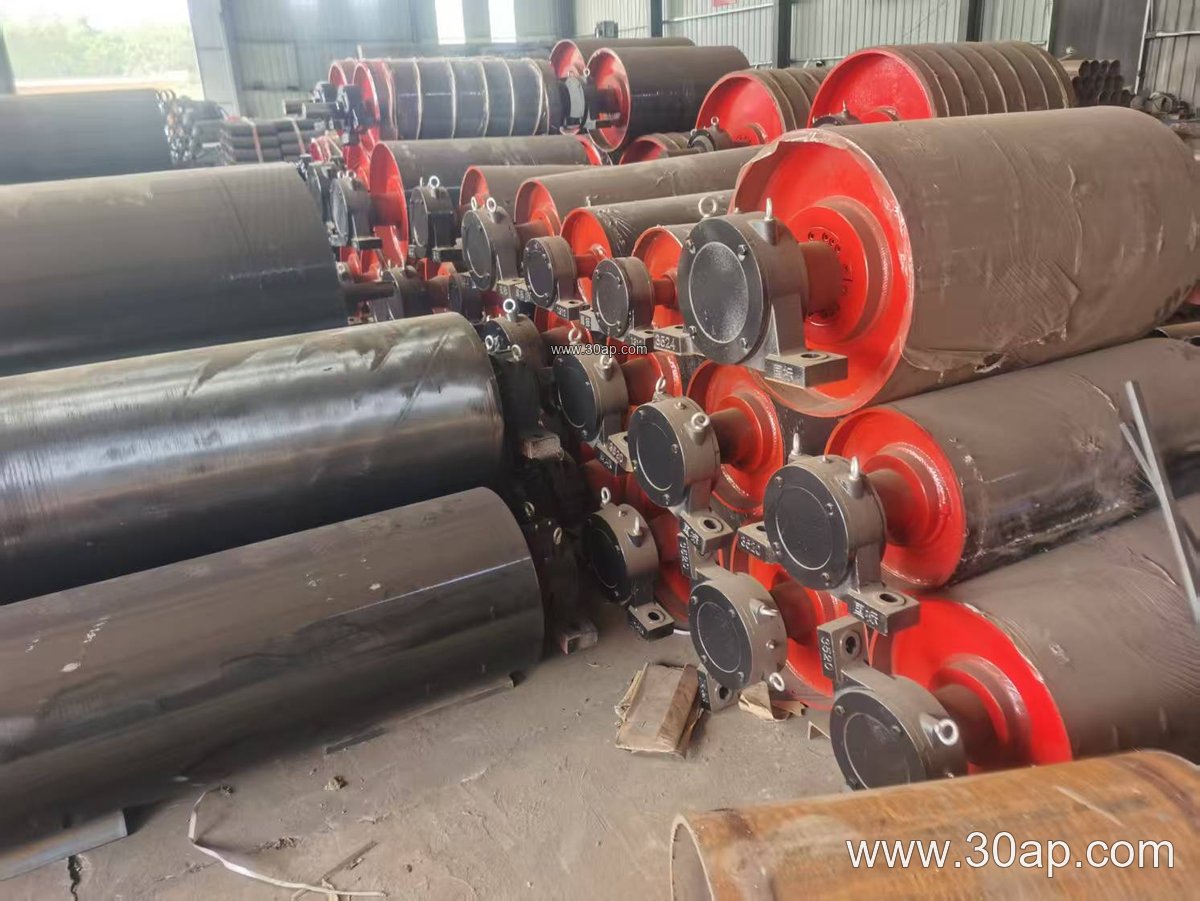
Surface treatment depends on the application. Plain steel is adequate for light duty, but lagging is often added to improve grip and protect the shell from wear. Cold-bonded rubber or hot-vulcanized rubber lagging in 8 mm or 10 mm thickness is common, while diamond groove or herringbone patterns can help shed material in dusty conditions. Ceramic lagging may be chosen where slip and abrasion are severe. Shaft diameters are not tied directly to belt width; they are sized by torque and load, with Ø80, Ø100, or Ø120 being typical on medium-duty conveyors.
Where It Fits in the Conveyor Layout
Although the tail bend pulley is most often associated with mining and quarrying, it also appears in cement plants, power plant coal handling, and port bulk terminals. In a typical arrangement, the belt leaves the tail pulley, passes around the bend pulley, and then travels under the carry idlers toward the head. The bend pulley might be positioned slightly below the tail pulley centerline to achieve the desired belt wrap. On some conveyors, a second bend pulley is used to increase wrap angle around the drive pulley, but the tail bend pulley remains focused on the return-side routing. It should not be confused with a take-up pulley, which moves to maintain tension, or with the tail pulley itself, which usually sits at the loading point and may be fitted with a scraper or impact bed.
Selection and Matching with the Belt
Choosing a tail bend pulley starts with the belt type and the load profile. A heavy-duty mining conveyor belt such as an EP400 or ST1600 will exert higher tension and require a larger shaft and bearing set than a lighter EP200 belt on an aggregate line. The pulley diameter should be large enough to avoid excessive bending stress in the belt carcass—especially with thick, multi-ply fabric core belts or steel cord belts. The table below shows representative combinations, but these are examples only; actual sizing must follow the conveyor design.
| Belt Width | Typical Pulley Diameter | Example Combination |
|---|---|---|
| B800 | Ø400 – Ø500 | B800 × Ø500 |
| B1000 | Ø500 – Ø630 | B1000 × Ø630 |
| B1200 | Ø630 – Ø800 | B1200 × Ø800 |
| B1400 | Ø800 – Ø1000 | B1400 × Ø1000 |
Belt speed, material lump size, and the presence of chevron or corrugated sidewall profiles also matter. A chevron conveyor belt or a skirted conveyor belt may need a slightly larger bend pulley to prevent the cleats or skirt from catching. For flame retardant conveyor belts used in underground coal mining, the pulley lagging should be selected with similar fire-resistant properties where required.
Installation and Maintenance Notes
Proper alignment is critical. The tail bend pulley should be square to the conveyor centerline, with bearing housings shimmed so the shaft is level. Misalignment often shows up as belt edge wear or erratic tracking. Lubrication intervals depend on the bearing type—sealed bearings need less attention, while greaseable housings should be serviced according to the manufacturer’s schedule. Check lagging for wear or glazing; worn lagging reduces friction and can cause the belt to slip under load. When replacing a tail bend pulley, confirm the shaft diameter, keyway size, and bearing center distance against the original drawing. The conveyor bracket or frame mounting points must match as well.
Buyer Checklist
- Confirm the belt width and the required pulley face width—often 100 to 150 mm wider than the belt.
- Specify the belt type and tension rating, such as EP300 or ST1250, so the shaft and bearings can be sized correctly.
- State the environmental conditions: dust, moisture, temperature, and any fire or oil resistance requirements.
- Choose lagging thickness and pattern based on slip risk and material carryback.
- Ask for a dimensional drawing showing shaft diameter, keyway, and bearing housing footprint.
Whether the conveyor handles iron ore, cement clinker, or grain, the tail bend pulley is a small but vital link in keeping the belt on track. Matching it to the belt and the duty correctly pays off in longer service life and fewer unplanned stops.