What the Ø89 Trough Idler Does on a Conveyor
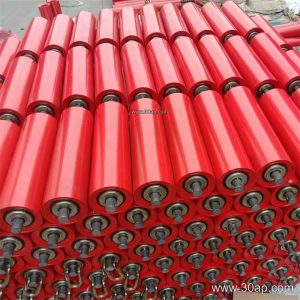
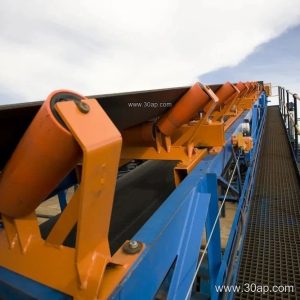
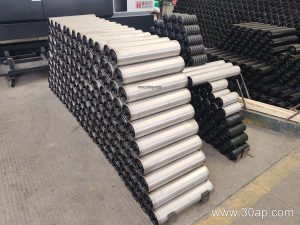
A Ø89 trough idler is a carrying idler with an 89 mm roller diameter, mounted in a troughed arrangement so the conveyor belt forms a shallow channel. That channel keeps material centered, especially when the load is loose and variable. The idler roller itself is a fairly modest component, but its diameter and trough angle influence belt tracking, spillage, and the effort needed to move the belt. In a quarry, a cement plant, or a coal handling line, these carrying positions are where most of the belt’s length is supported.
Buyers often meet the Ø89 trough idler as part of a three-roll set on medium belt widths, but it also appears in two-roll and single-roll arrangements where the design calls for it. The troughing angle is usually 20, 30, 35, or 45 degrees. A steeper angle deepens the trough and helps contain a fuller load, while a shallower one suits flatter material or transitions.
Construction Details That Affect Service Life
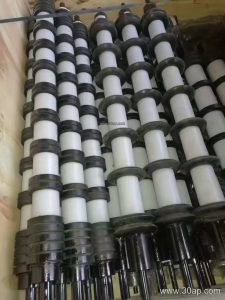
The shell is commonly a steel tube, with shaft ends machined to fit the bearing housing. Bearing sizes such as 6204, 6205, 6305, and 6306 are typical in this class, but the right bearing depends on load, speed, and seal design rather than on the 89 mm diameter alone. Sealing is the quiet deciding factor: dust from limestone, clinker, or iron ore finds its way into poorly sealed housings and shortens bearing life.
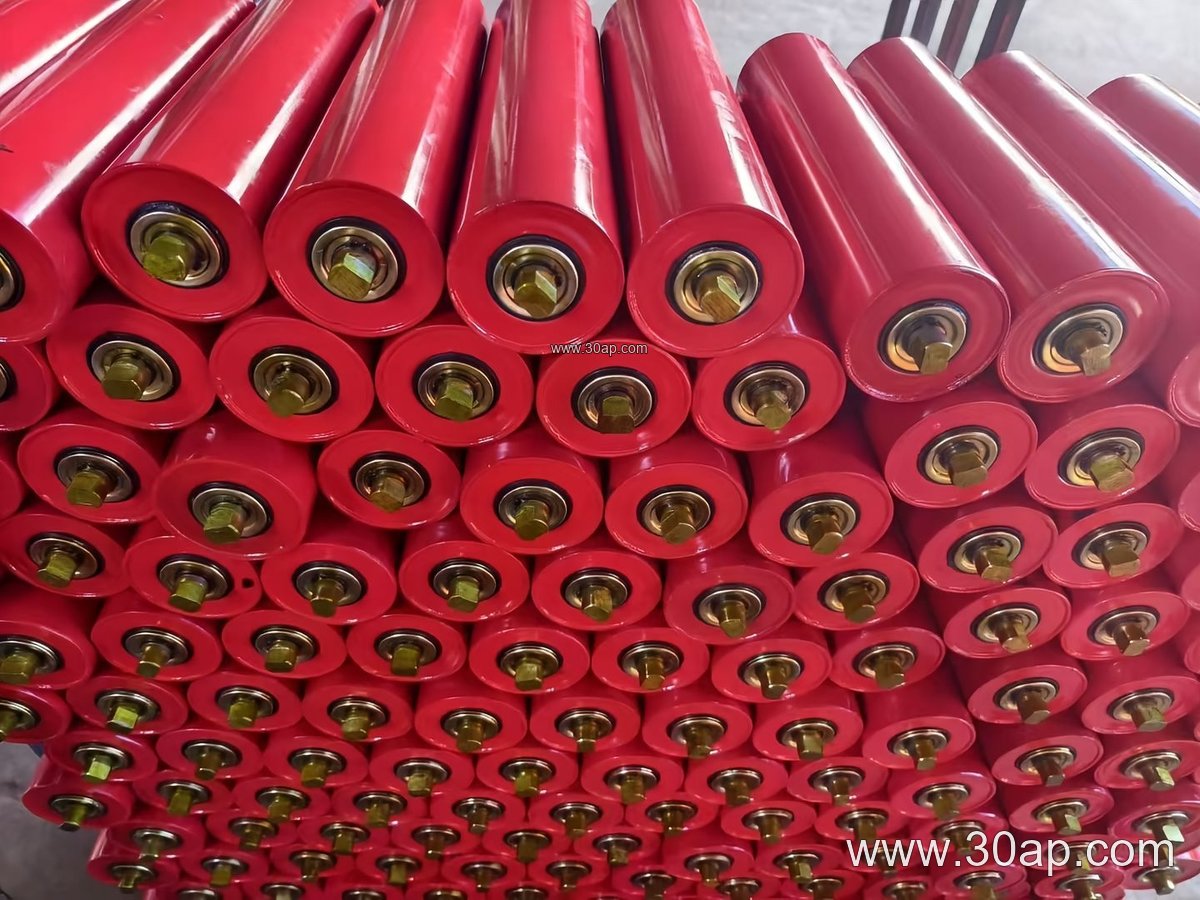
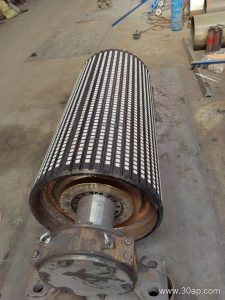
Roller surfaces vary. Plain steel is the baseline; nylon, ceramic, or rubber rings are chosen when abrasion, buildup, or belt protection matters. Rubber rings are also useful at load points, though a dedicated impact idler is the more usual choice there. The idler roller should rotate freely by hand and show no wobble at the shaft.
Matching the Idler to Belt Width and Trough Set
Roller length follows belt width, trough angle, and the number of rolls in the set. The figures below are common examples for three-roll trough sets, not fixed pairings. Side rollers and the center roller can differ.
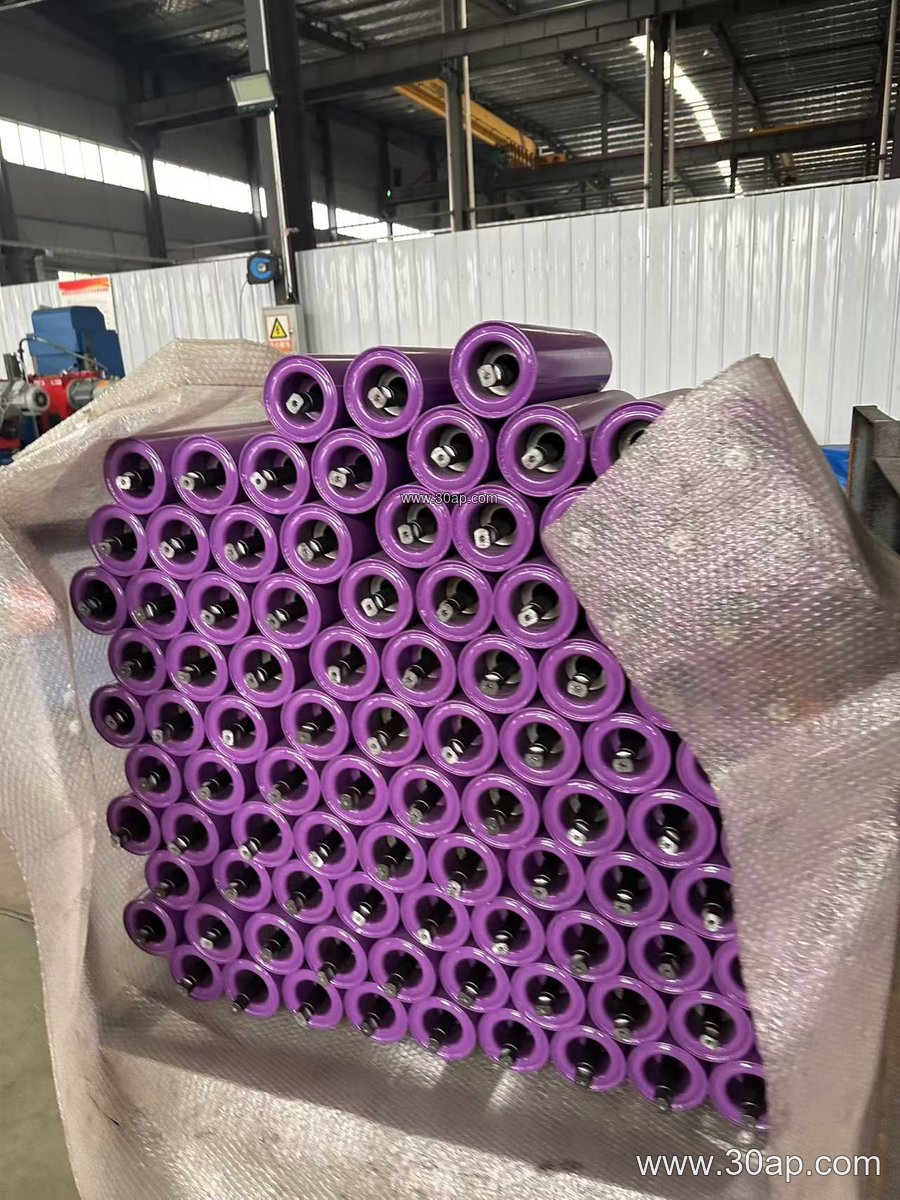
- B500: about 200 mm roll length
- B650: about 250 mm
- B800: about 315 mm
- B1000: about 380 mm
- B1200: about 465 mm
- B1400: about 530 mm
- B1600: about 600 mm
- B1800: about 670 mm
- B2000: about 750 mm
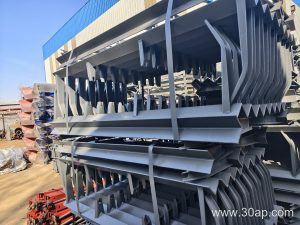
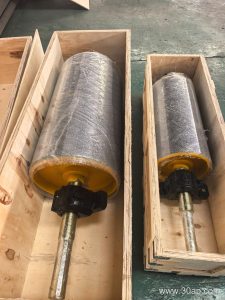
A single belt width does not dictate one pulley diameter either, so do not assume that a B800 conveyor must run with a particular conveyor pulley size. The same logic applies to shaft diameter: it is set by load calculations and frame design, not by belt width alone. Check the conveyor bracket spacing and mounting holes before ordering, because a correct idler on the wrong bracket still creates downtime.
Where These Idlers Fit in Real Installations
In a sand and gravel line, Ø89 trough idlers carry crushed stone from the crusher discharge toward screening. The load is abrasive, so a wear-resistant shell and good sealing matter more than a fancy surface. In a power plant coal yard, the same idler diameter may serve on a medium-width belt feeding the bunker, where dust control and flame retardant belt grades are part of the wider design.
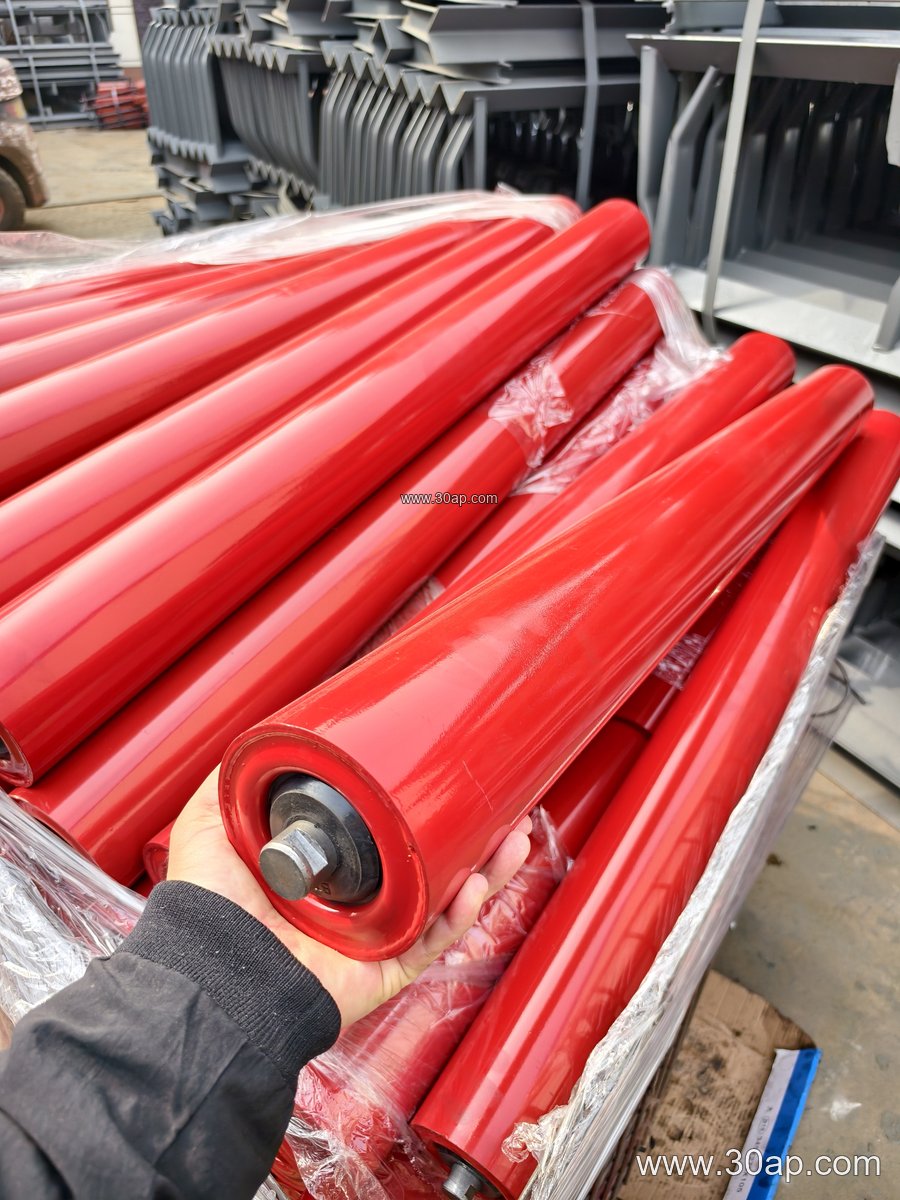
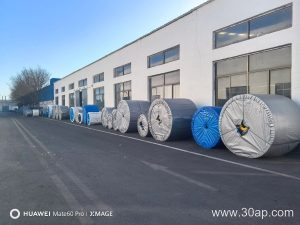
The belt itself shapes the choice. A heavy-duty mining conveyor belt with a thick cover may justify larger rollers, while an EP conveyor belt on a shorter run can work well with 89 mm idlers. Where the material is hot, a heat resistant conveyor belt changes the temperature exposure at the idler, and where oil or chemicals are present, an oil resistant conveyor belt or chemical resistant conveyor belt protects the carcass. The idler is only one part of that system.
Installation and Maintenance Points for Buyers
Alignment comes first. A trough set that is not square to the belt centerline will push the belt sideways, and no amount of adjusting the return idlers will fully fix it. Greaseable designs need a sensible lubrication interval; sealed-for-life units should not be over-greased. Listen for squealing and watch for a stopped roller, since a seized idler drags on the belt and can wear the cover quickly.
Spare parts planning should include the complete set, not just the center roller. Keep the trough angle and roll length recorded for each conveyor, along with the bearing designation. When replacing, compare the shell thickness and seal type, not only the 89 mm diameter. A slightly better seal often delivers more service life than a thicker shell.
For larger projects, the trough idler decision sits alongside belt selection, conveyor pulley sizing, and frame layout. Reviewing all four together avoids the common situation where a correctly sized Ø89 trough idler arrives but the brackets, belt, or pulley arrangement have moved on.