What the V-Type Idler Bracket Does
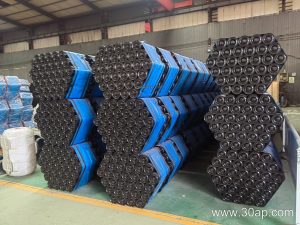
A V-Type Idler Bracket is a return-side support that holds two idler rollers in a shallow V arrangement under the carrying belt. Unlike a flat return bracket, it lifts the belt edges slightly and creates a natural trough that helps center the belt on the return run. Maintenance teams in coal handling, cement plants, and crushing circuits often choose this bracket when belt tracking on the return strand is a recurring problem.
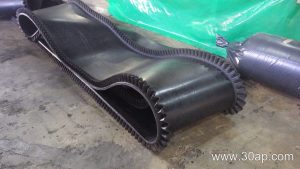
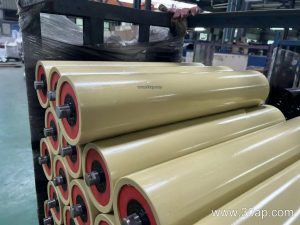
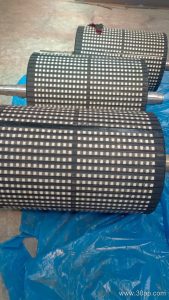
In practice, the bracket works together with the conveyor belt, the idler roller set, and the conveyor pulley at each end of the run. A well-aligned return path reduces edge wear on an abrasion resistant conveyor belt and lowers the chance of spillage near the tail.
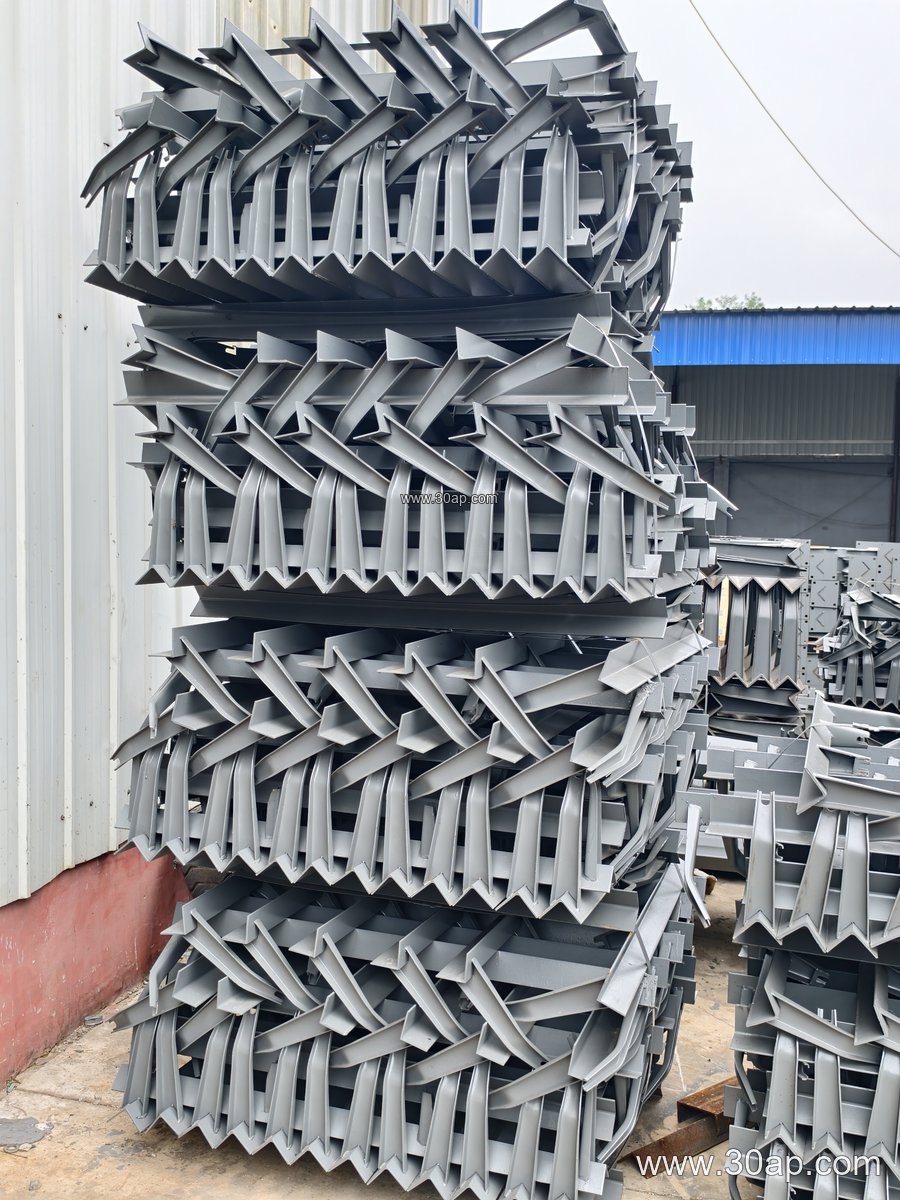
How the Bracket Is Built
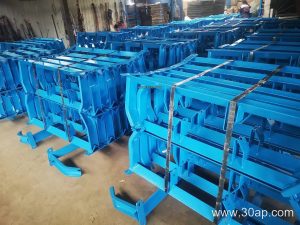
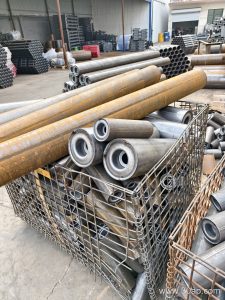
Most units are fabricated from angle steel, channel steel, or folded steel plate, then drilled and welded into a rigid frame. The two inclined arms carry the idler shafts at a fixed included angle, and the base bolts to the conveyor stringer. A V-type return bracket is a distinct subtype from a flat lower bracket and from a troughing bracket on the carry side; each has its own mounting position and should not be swapped casually.
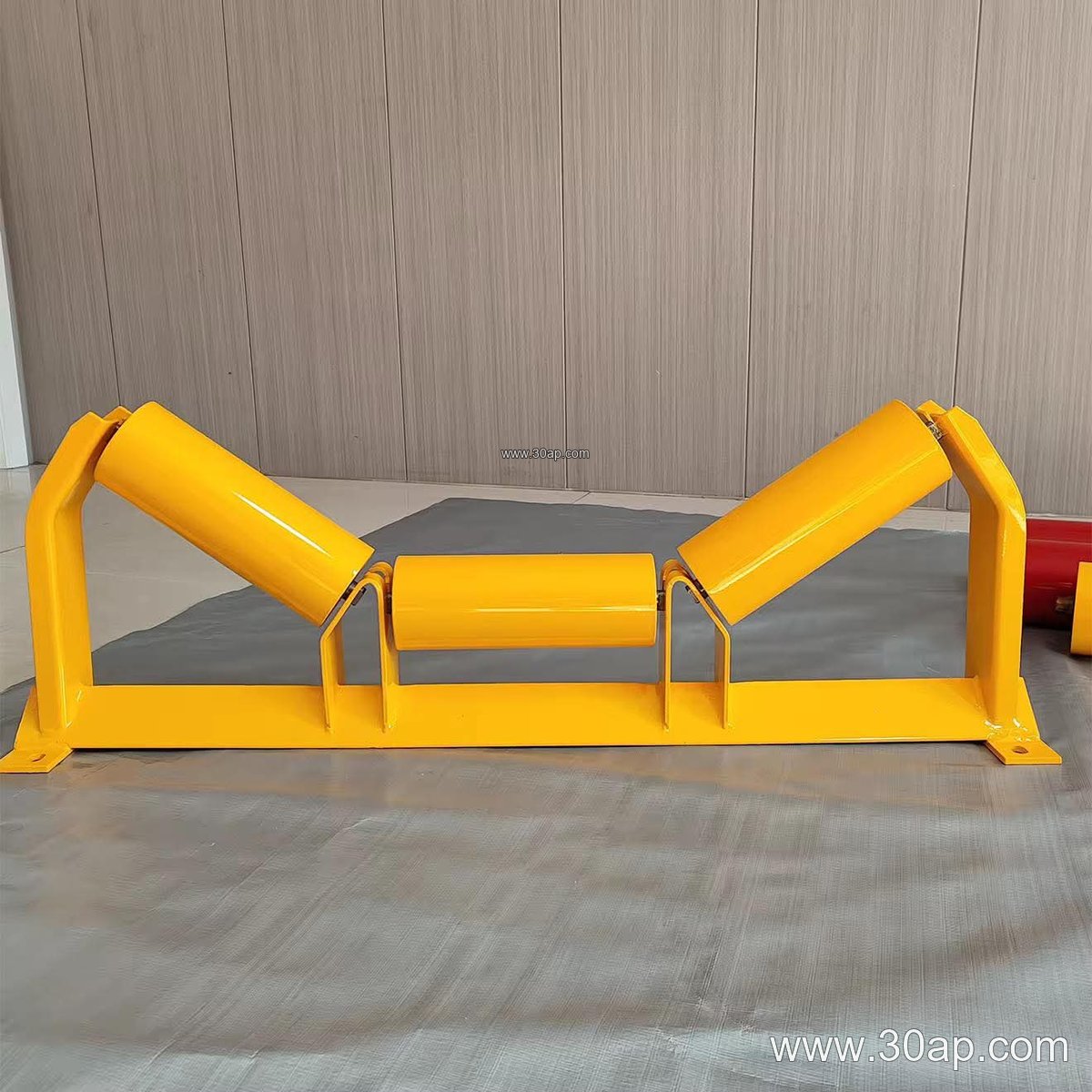
- Frame material: angle steel, channel steel, or bent plate
- Mounting: bolted to stringers, with hole spacing set by belt width and angle
- Finish: painted or galvanized, depending on the site environment
Where It Fits in a Conveying System
Typical installations include limestone quarries, iron ore plants, coal preparation plants, and power station coal yards. On a long overland line carrying bulk material, several return brackets are spaced between the drive pulley and the tail pulley. The bracket also suits tunnel muck removal and aggregate lines where fines tend to build up on the return side.
When the belt is a heavy-duty mining conveyor belt or a steel cord conveyor belt, the return support must match the belt mass and the idler diameter. For lighter fabric constructions such as an EP conveyor belt or NN conveyor belt, a lighter bracket frame is usually enough.
Common Reference Sizes
The values below are typical references for discussion, not a fixed supply list. Actual hole spacing and beam length follow the belt width and the chosen angle, so they should be confirmed at design stage.
| Belt width | Typical angle | Idler diameter |
|---|---|---|
| B500 | 20 degrees | Ø89 |
| B650 | 30 degrees | Ø89 |
| B800 | 35 degrees | Ø108 |
| B1000 | 35 degrees | Ø108 |
| B1200 | 45 degrees | Ø133 |
| B1400 | 45 degrees | Ø133 |
| B1600 | 35 degrees | Ø159 |
| B1800 | 45 degrees | Ø159 |
| B2000 | 35 degrees | Ø194 |
These pairings are examples only. A given belt width can work with more than one angle or roller diameter, and the choice depends on belt stiffness, load, and the return run layout.
Selecting and Maintaining the Bracket
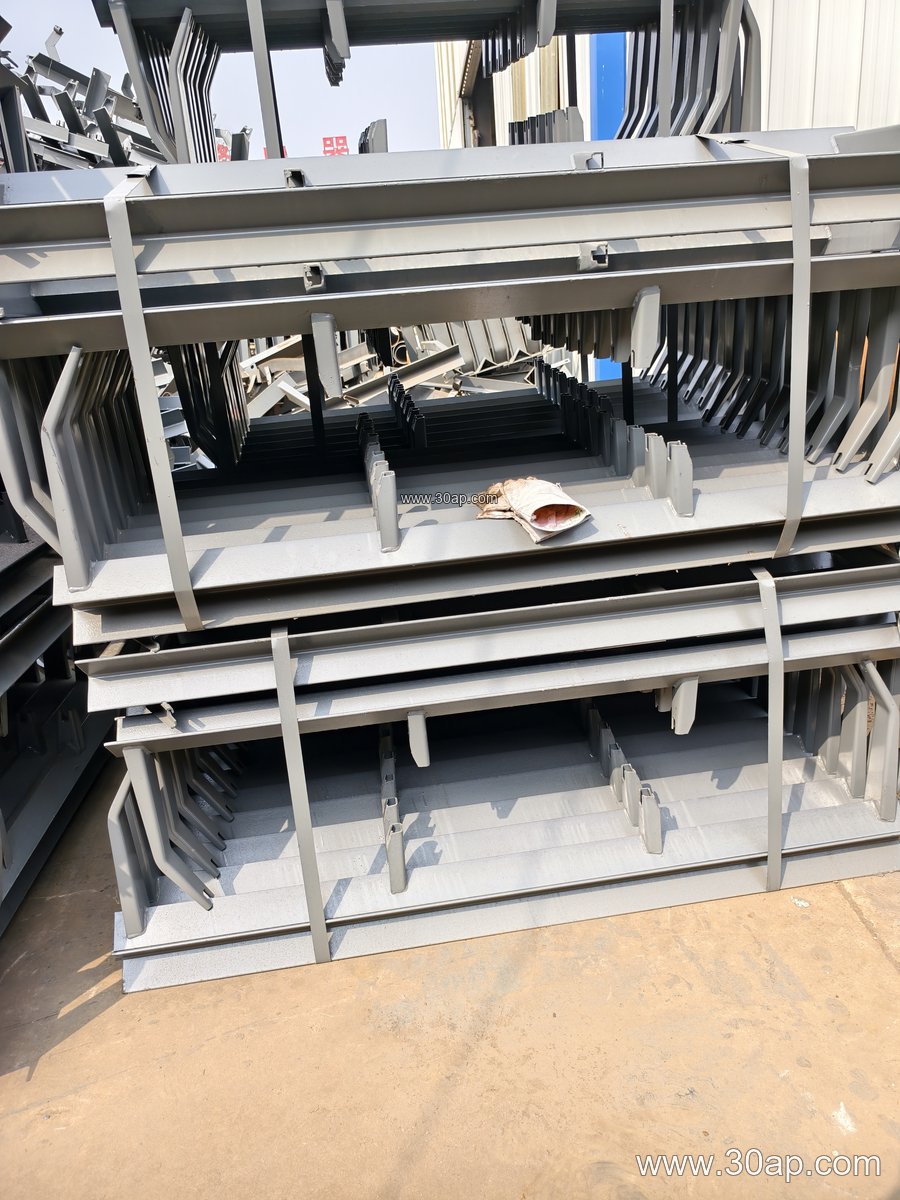
Buyers should confirm the belt width, the return idler diameter, the stringer hole pattern, and the required angle before ordering. An adjustable bracket allows the angle to be tuned on site, which is useful when a new flame retardant conveyor belt or a cold resistant conveyor belt settles differently after installation. Fixed brackets are simpler and cheaper but leave no room for adjustment.
During service, check that both arms sit at the same height, that the idler roller turns freely, and that the bracket has not bent under load. A loose or misaligned bracket can cause the belt to drift, which then wears the conveyor pulley lagging and the belt edges. Replacing a worn bracket early is usually cheaper than replacing a damaged belt section.
For sites handling wet or sticky material, keep the V opening clear so fines do not pack between the rollers and the frame. In dusty cement or limestone duty, a quick visual check at each shift helps catch a seized idler before it damages the belt cover.