What a Conveyor Idler Frame Does
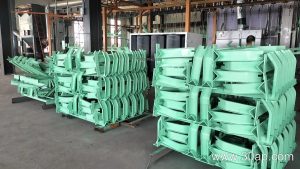
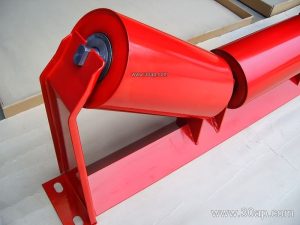
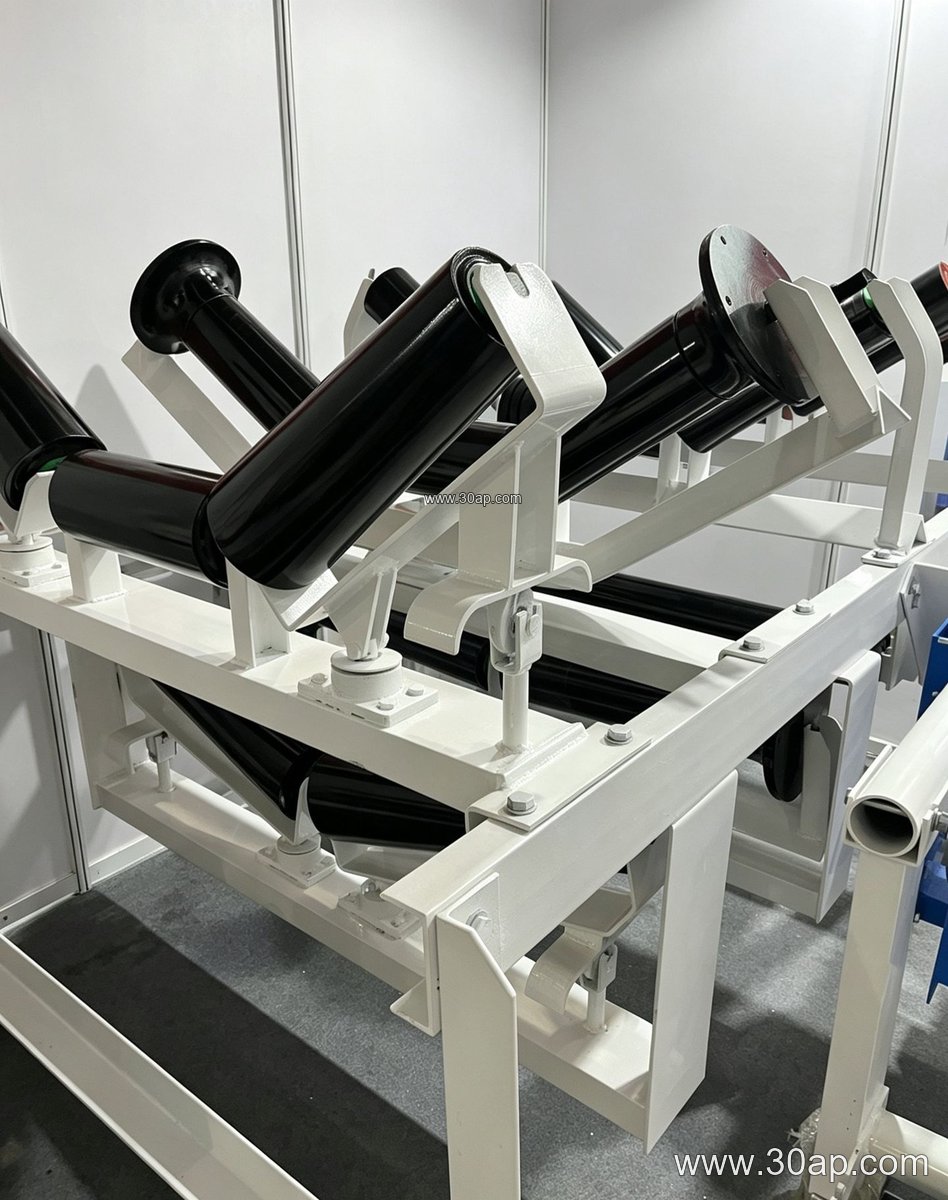
A conveyor idler frame is the structural element that holds idler rollers in the correct position under and around a conveyor belt. In a quarry, a coal washing plant, or a cement kiln feed line, these frames keep the belt profile stable, guide the belt, and absorb the load from bulk materials. Without a properly designed frame, even high-quality idler rollers cannot maintain consistent belt contact. The frame is often referred to as a conveyor bracket or idler support frame, but its role remains the same: providing a rigid, accurately aligned base for the rollers.
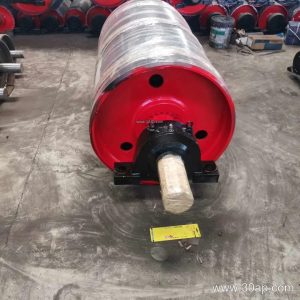
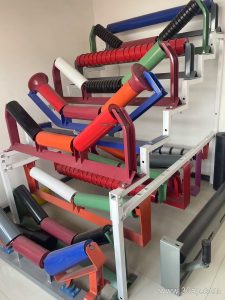
Different frame types serve different positions along the conveyor. Troughing frames support the carrying side, while return frames hold the belt on its way back. Transition frames ease the belt from flat to troughed, and impact frames absorb shock at loading points. Self-aligning frames correct belt tracking, and suspended frames suit specific layouts. Adjustable frames allow the trough angle to be changed on site. Each type is a distinct subtype, and none should be confused with drive, tail, or bend pulleys, which are separate components with different functions.
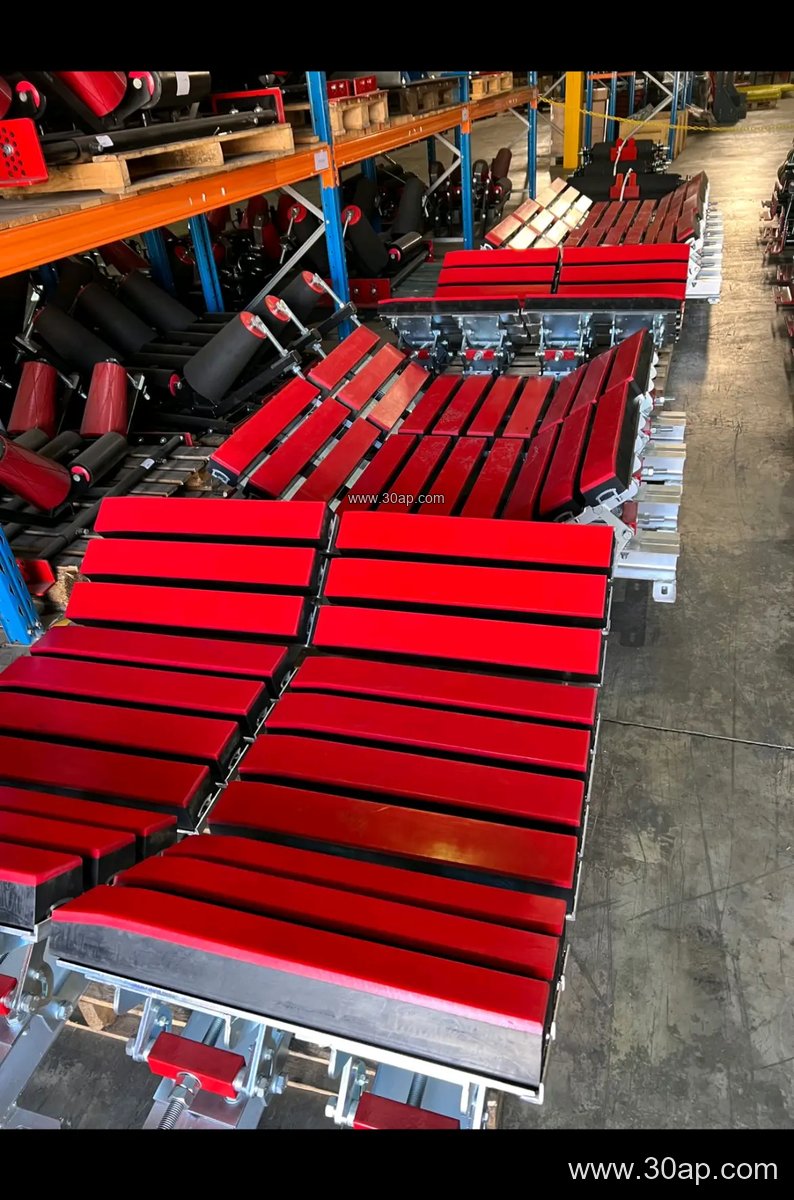
Construction and Key Dimensions
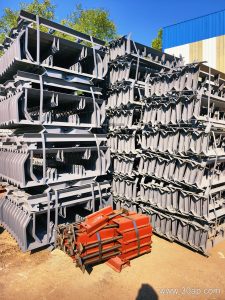
Most frames are fabricated from angle steel, channel steel, or folded steel plate. The material and thickness are selected according to load, belt width, and environmental conditions. For example, a frame for a B800 belt in a sand and gravel line may use lighter channel steel than a frame for a B1800 belt in an iron ore port. Common belt widths include B500, B650, B800, B1000, B1200, B1400, B1600, B1800, B2000, B2200. Trough angles are typically 20, 30, 35, or 45 degrees, and adjustable frames can be set between these values. Idler roller diameters often range from Ø89 to Ø194, with Ø108 and Ø133 being common in many bulk handling operations.
Installation hole spacing and beam length are not fixed; they vary with belt width and trough angle. A frame for B800, 35 degrees, Ø108 will differ from one for B1200, 45 degrees, Ø133. Buyers should always confirm the mounting dimensions with the conveyor design rather than assuming a standard. The frame must match the idler roller shaft ends and the conveyor stringer spacing. A typical specification table might look like this:
- Belt width: B500 to B2200
- Trough angle: 20°, 30°, 35°, 45° (adjustable where required)
- Roller diameter: Ø89, Ø108, Ø133, Ø159, Ø194
- Material: angle steel, channel steel, folded plate
- Frame types: troughing, return, impact, self-aligning, transition, suspended, adjustable
These values are common references, not universal fixed combinations. A B650 frame might use a 30-degree trough with Ø89 rollers, while a B1400 frame in a power plant coal yard may use 35 degrees with Ø133 rollers. The correct match depends on belt speed, material lump size, and load.
Where These Frames Are Used
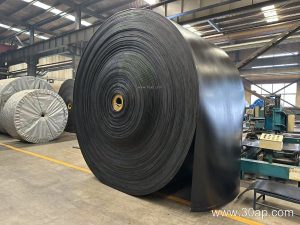
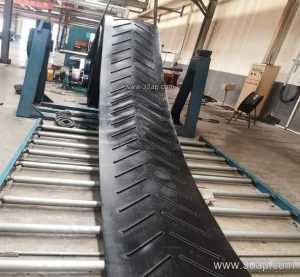
Conveyor idler frames appear across many industries. In a limestone mine, troughing frames carry the raw rock on a heavy-duty mining conveyor belt. In a coal washing plant, flame retardant conveyor belts run over frames that resist dust and moisture. Cement plants use frames under abrasion resistant conveyor belts for clinker and raw meal. Port terminals handling iron ore rely on robust frames with steel cord conveyor belts. Sand and gravel pits use frames with EP conveyor belts or NN conveyor belts for aggregate transport. The frame must suit the belt type: a pipe conveyor belt or corrugated sidewall conveyor belt may need special frame geometry, while a chevron conveyor belt usually runs on standard troughing frames with attention to belt tracking.
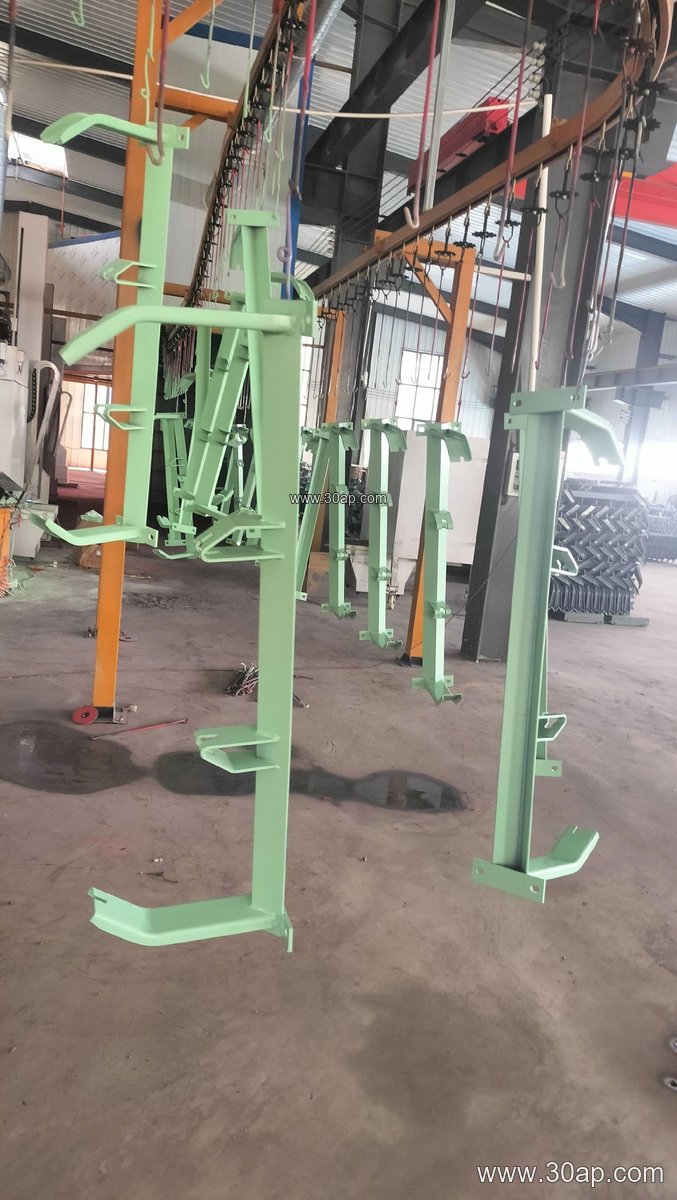
In all these settings, the frame works together with the conveyor belt, idler roller, and conveyor pulley. The frame does not replace the pulley; drive, tail, and bend pulleys remain separate. A common mistake is to treat the frame as a minor accessory. In reality, poor frame alignment accelerates belt edge wear and idler failure. For more information on related components, visit our site at https://www.example.com/conveyor-idler-frame or check our conveyor belt and idler roller pages.
Buyer Checklist
When specifying a conveyor idler frame, confirm the belt width, trough angle, roller diameter, and mounting dimensions. Ask for the frame material and finish, especially for corrosive or wet conditions. For coal mining conveyor belt applications, ensure the frame design allows for flame retardant conveyor belt use and easy access for maintenance. Check whether an adjustable frame is needed to fine-tune the trough angle. Verify that the frame matches the idler roller shaft and the conveyor bracket hole pattern. For high-impact zones, consider impact frames with rubber or spring cushions. For long overland conveyors, transition frames help avoid belt stress. Always request dimensional drawings and confirm that the frame is compatible with the selected conveyor belt, whether EP conveyor belt, steel cord conveyor belt, or heat resistant conveyor belt. A well-chosen frame reduces downtime and extends the life of the entire conveyor system.
For more details on idler frames, conveyor brackets, and related equipment, see https://www.example.com/conveyor-bracket or contact our team.