What a Rock Conveyor Belt Is
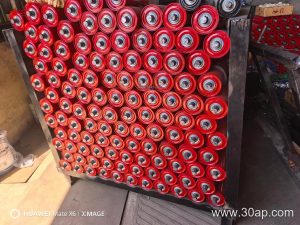
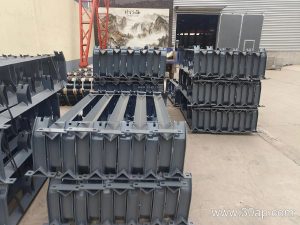
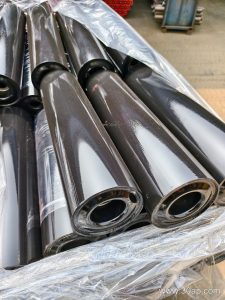
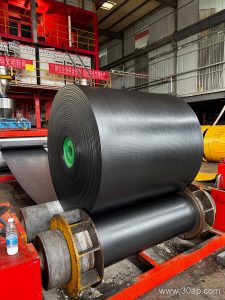
A rock conveyor belt is a heavy-duty rubber belt built to carry crushed stone, ore, gravel, and other abrasive bulk materials from a crusher or loading point to stockpiles, screens, and transfer towers. In mining, quarry, cement, and sand and gravel operations, this belt is part of a continuous conveying system that also includes idler rollers, conveyor pulleys, and conveyor brackets. The belt itself is the wear part that touches the load, so its cover compound and carcass decide how long the line runs before a splice or replacement is needed.
The same product is also called a stone crusher conveyor belt or an ore conveyor belt. Those names describe the duty, not a different construction. A quarry conveyor belt and an aggregate conveyor belt share the same basic design, and the choice between them usually comes down to material size, drop height, and moisture.
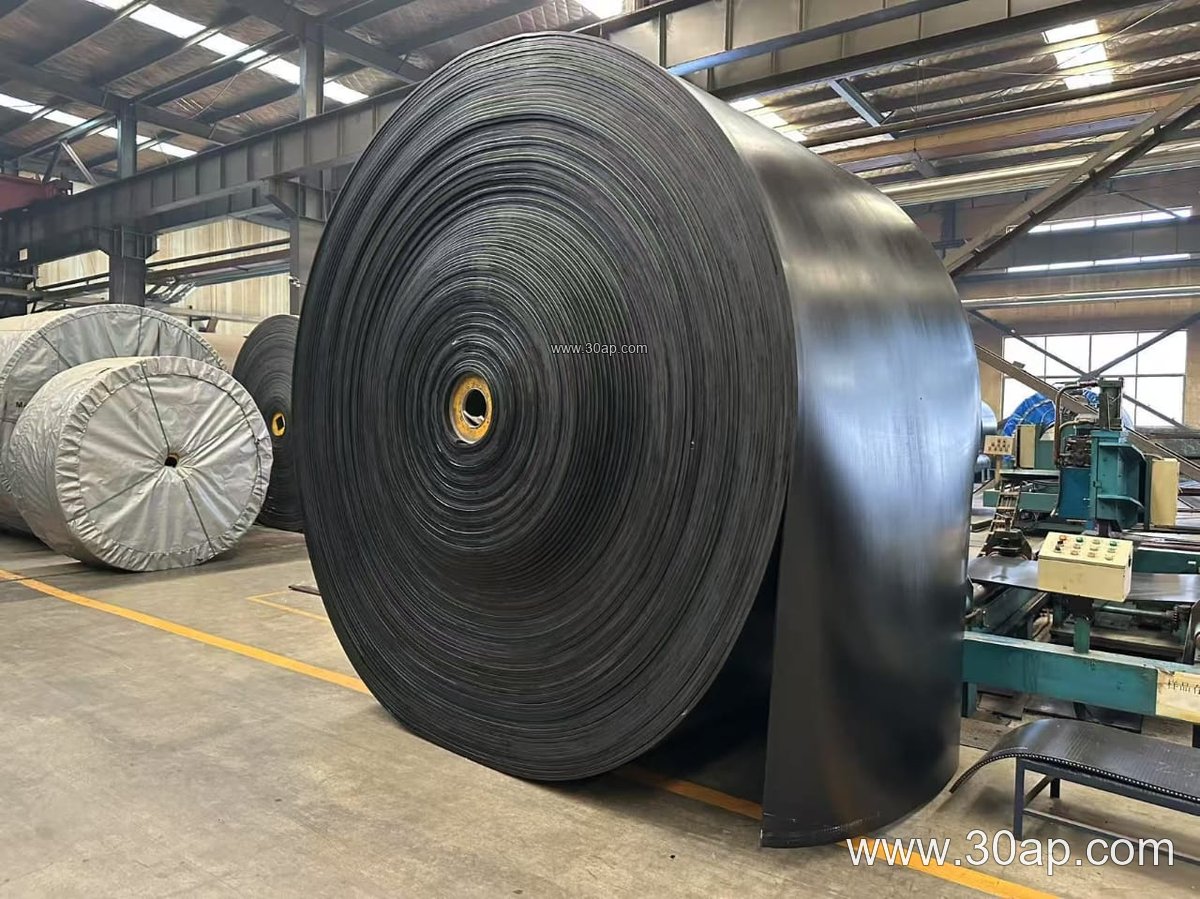
How the Belt Is Built
Most rock belts use a fabric core or a steel cord carcass. A fabric core conveyor belt carries the load through multiple plies of EP or NN fabric, while a steel cord conveyor belt uses steel strands for long, high-tension runs. The rubber cover protects the carcass from impact and abrasion. Cover thickness is often written as a top and bottom figure, such as 4+2 mm or 6+2 mm, and the carcass may have 2 to 6 plies depending on the duty.
- Top cover: resists cutting, gouging, and abrasion from sharp rock.
- Carcass: provides tensile strength and keeps the belt tracking under load.
- Bottom cover: protects the pulley side and helps grip the drive pulley.
For a crusher conveyor belt that receives material directly from a crusher, an abrasion resistant conveyor belt or high abrasion resistant conveyor belt compound is common. Where oil or heat is present, an oil resistant conveyor belt or heat resistant conveyor belt may be needed. In coal mining, a flame retardant conveyor belt or fire resistant conveyor belt is often specified for underground mining conveyor belt duty.
Where Rock Belts Are Used
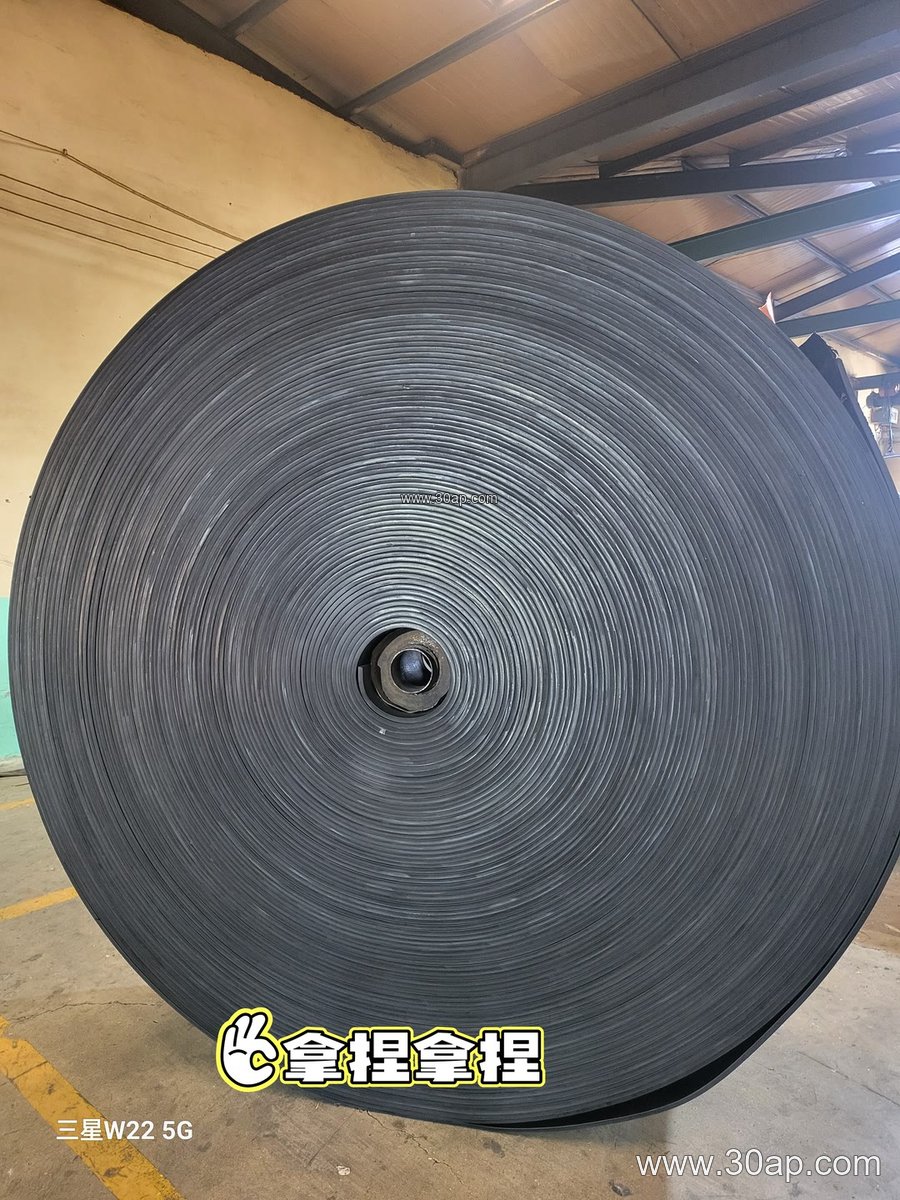
Rock conveyor belts appear across many industries. In a quarry or stone crushing plant, they move blasted rock and screened aggregate. In a cement plant, they feed limestone and clinker. At a power plant, they handle coal. In an iron ore or copper ore operation, they carry ore from the pit or crusher to the processing plant. Port and ship loading terminals also use wide belts to move bulk material at high capacity.
Each site places different demands on the belt. An underground coal mining conveyor belt must meet flame resistance rules, while a gold mining conveyor belt may face wet, abrasive slurry. A recycling conveyor belt often handles mixed material with sharp edges, so an impact resistant conveyor belt with a thicker cover can be a better fit than a standard two-ply belt.
Common Specifications and How They Are Written
Belt strength is usually given as an EP or NN grade, or as an ST grade for steel cord. Width and cover thickness follow. The values below are common reference points, not a fixed rule for every conveyor. Final selection should follow the conveyor design and the material study.
| Parameter | Common reference values |
|---|---|
| Fabric core grades | EP200, EP315, EP400, EP500, EP630, EP800, EP1000, EP1250, EP1600, EP2000 |
| Steel cord grades | ST1000, ST1250, ST1600, ST2000, ST2500, ST3150 |
| Belt width | B500, B650, B800, B1000, B1200, B1400, B1600, B1800, B2000 |
| Cover thickness | 3+1.5 mm, 4+2 mm, 5+2 mm, 6+2 mm, 8+3 mm |
| Carcass plies | 2 to 6 layers, depending on strength |
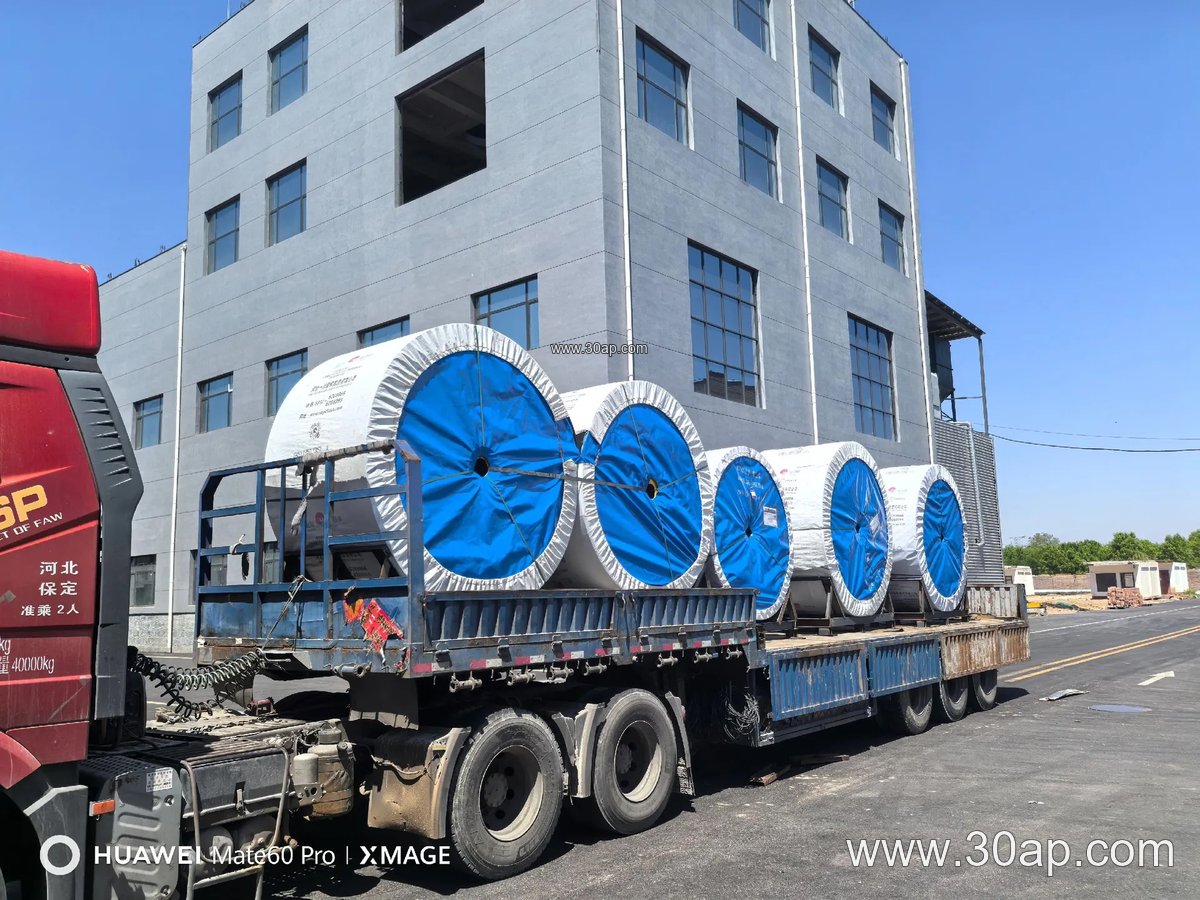
A wide conveyor belt such as a 1200 mm or 1400 mm belt is common in high-capacity quarry and port lines. A narrow 650 mm or 800 mm belt may suit a short transfer in a smaller sand making plant. The belt width and the pulley diameter are separate design choices, so a given width does not lock the plant into one pulley size.
Special Belt Forms for Difficult Rock Duty
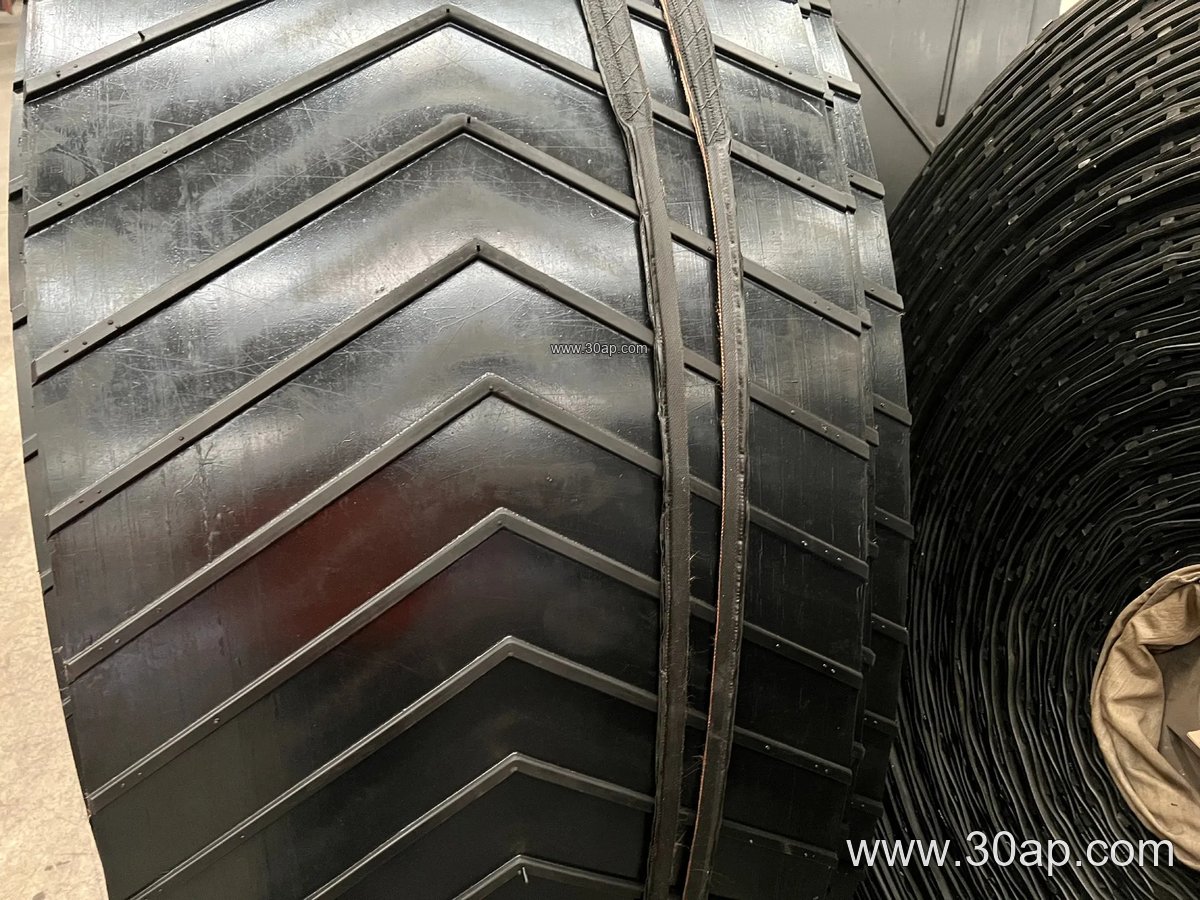
Some rock lines need more than a flat belt. A chevron conveyor belt uses raised ribs to hold material on an incline, while a corrugated sidewall conveyor belt and a skirted conveyor belt keep material from spilling at the edges. A pipe conveyor belt encloses the load to reduce dust along the route. These forms can be useful in a cement plant or a port where dust control matters, but they are not a replacement for a standard flat rock belt where the route is level and the load is stable.
What Buyers Should Check Before Ordering
Start with the material: rock size, sharpness, moisture, temperature, and any oil or chemical exposure. Then confirm the conveyor layout, including incline, drop height, and the number and type of idler rollers that support the belt. Check the drive pulley, tail pulley, and bend pulley separately, because each has its own diameter and lagging requirement. A belt that is too stiff for a small tail pulley can splice poorly and track badly.
Ask for the carcass grade, cover thickness, ply count, and splice method in writing. For underground work, confirm the flame retardant and anti-static properties. For cold sites, a cold resistant conveyor belt may be needed. Keep spare belt, splice materials, and a spare idler roller on hand, and inspect the belt at the loading point where impact damage starts. A rock conveyor belt is a durable part, but it performs best when the whole conveyor, from bracket to pulley, is matched to the duty.