What the Idler Seal Does
In a belt conveyor, the idler roller is the part that carries the belt and the material load, and it spins thousands of times a day. The idler seal is the small but critical barrier that sits at each end of the roller between the rotating shaft and the stationary end cap. Its job is simple to state and hard to do well: keep abrasive dust, water, and fine grit away from the bearing while keeping the bearing grease inside. In a quarry or a cement plant, a failed seal usually means a failed bearing, and a failed bearing means a seized roller that can wear through a conveyor belt.
How the Seal Is Built
A typical idler seal is a multi-stage arrangement rather than a single ring. Common constructions combine a labyrinth path, a lip seal, and a grease-filled cavity, sometimes with an outer dust cap. The labyrinth creates a tortuous route that particles must travel, while the lip contacts the shaft to hold lubricant. Some designs add a felt or rubber wiper for extra protection in wet or dirty conditions. Bearing housings usually use standard deep-groove bearings such as 6204, 6205, 6305, or 6308, and the seal is matched to the housing and shaft rather than chosen in isolation.
Where Seals Matter Most
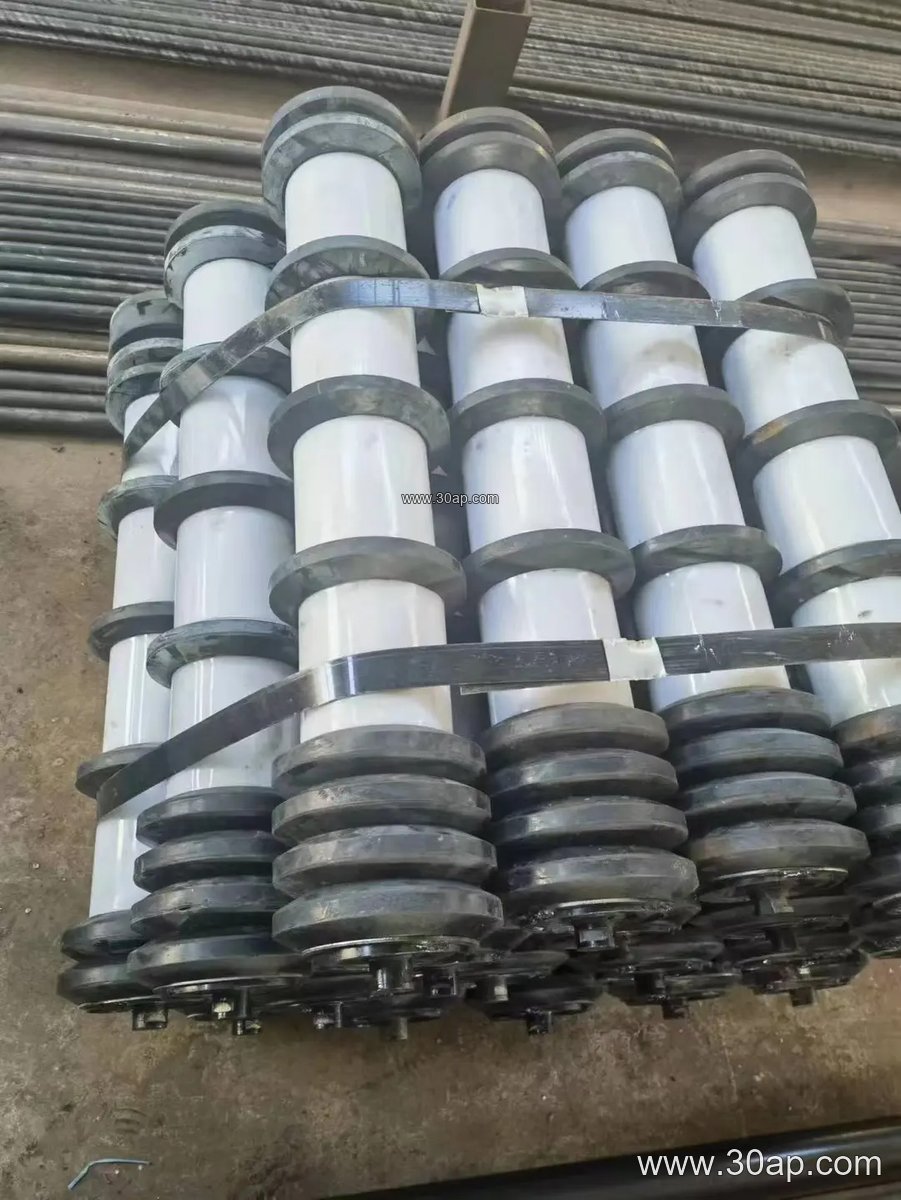
Seal quality shows up fastest in harsh service. In an iron ore or copper ore handling line, fine metallic dust is relentless. In a coal mining conveyor or a power plant coal yard, moisture and fines combine into a paste that attacks bearings. Sand and gravel pits, stone crushing circuits, and tunnel spoil removal all expose rollers to grit. Even in a port or a fertilizer plant, salt air or corrosive dust can shorten seal life. A well-sealed idler roller protects the whole conveyor pulley and bracket assembly from unnecessary vibration and downtime.
Seal Types and Roller Types
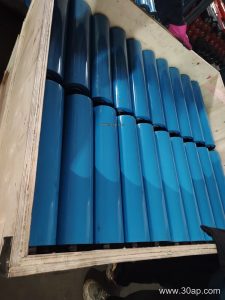
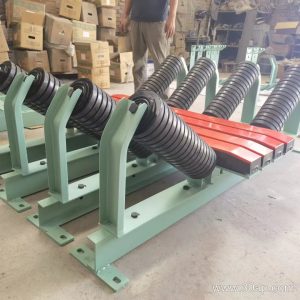
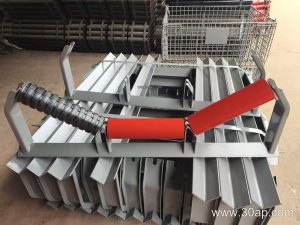
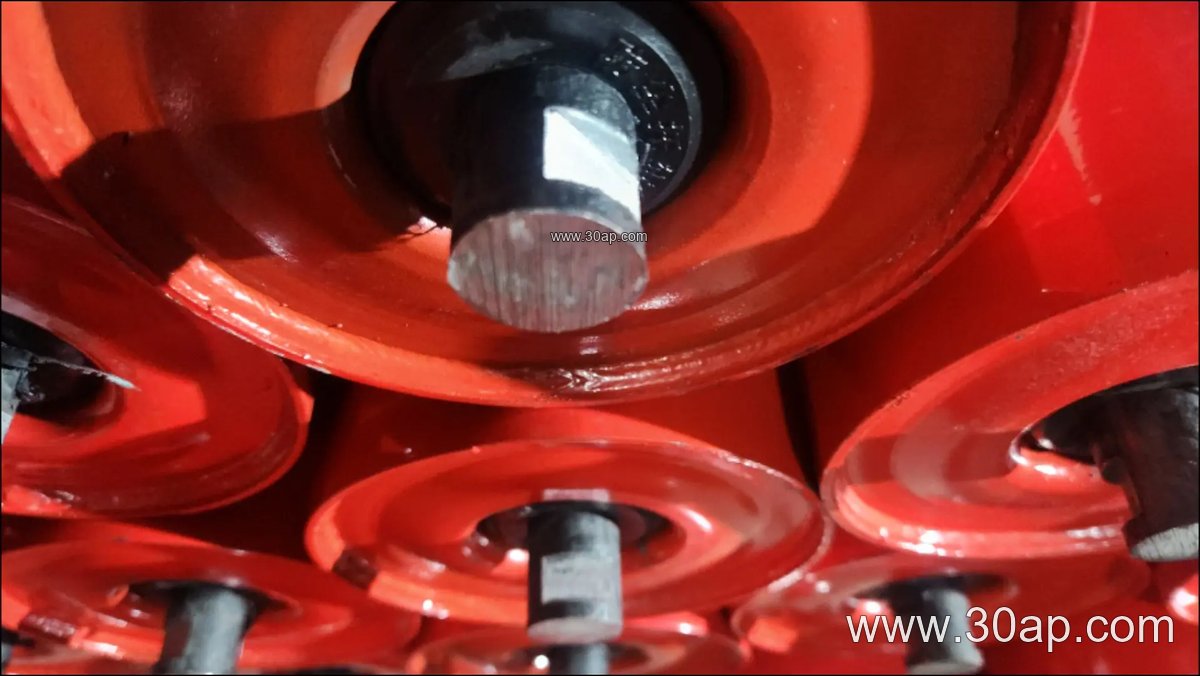
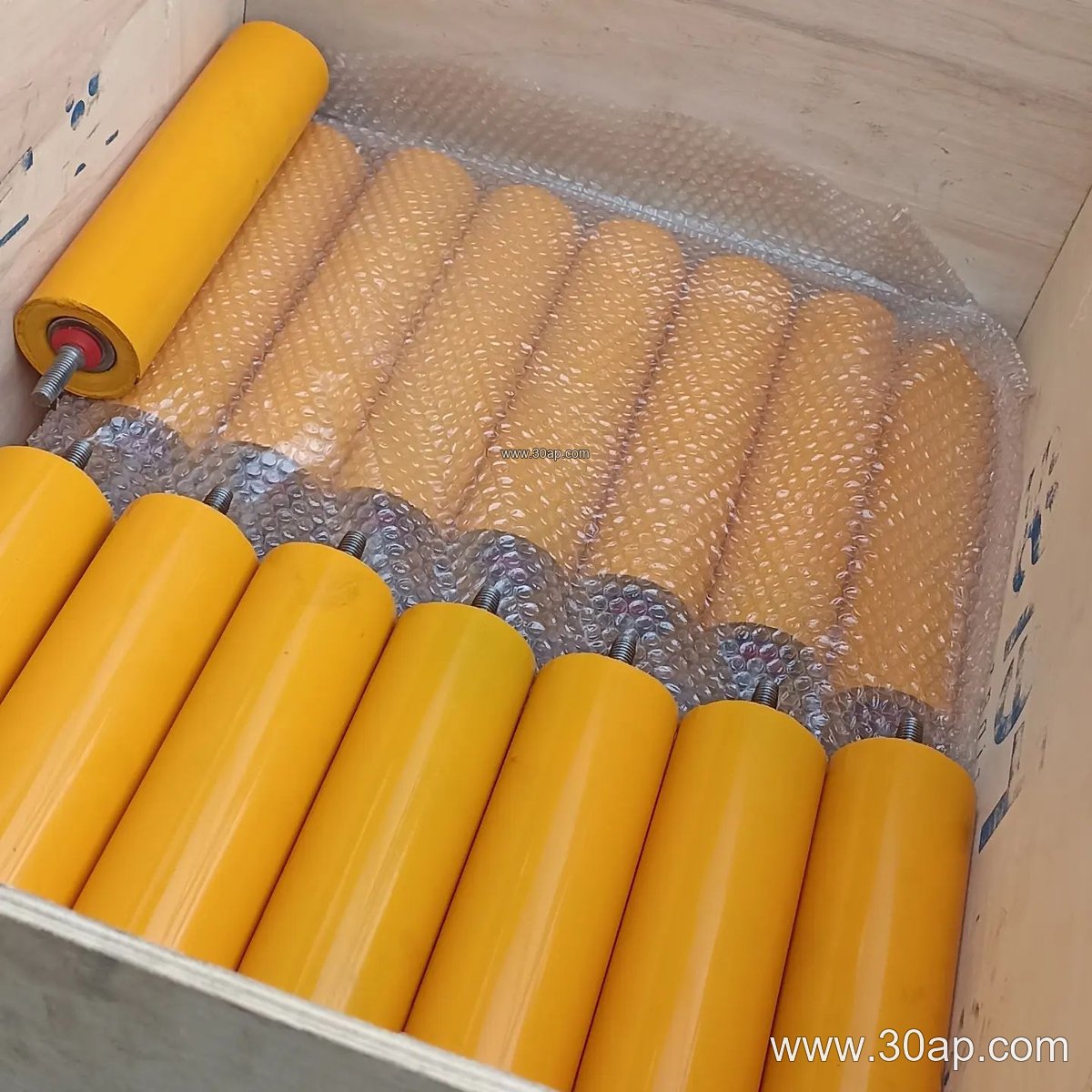
The seal is part of the roller, so its design changes with the roller type. Troughing idlers, return rollers, impact rollers, and self-aligning rollers all use seals, but the demands differ. Impact rollers under a crusher discharge face shock loads, so seal retention matters. Return rollers run in the dirty lower strand and often benefit from stronger dust exclusion. Spiral or rubber-disc rollers may use the same seal family but with different end-cap geometry. The table below shows common roller reference data; these are typical examples, not fixed combinations.
| Roller Type | Common Diameter | Common Bearing | Typical Seal Focus |
|---|---|---|---|
| Troughing idler | Ø89 to Ø159 mm | 6204, 6205, 6305 | Dust exclusion |
| Return roller | Ø89 to Ø133 mm | 6205, 6306 | Water and fines |
| Impact roller | Ø108 to Ø194 mm | 6306, 6308, 6310 | Shock and grit |
| Self-aligning roller | Ø89 to Ø159 mm | 6205, 6305 | Free rotation |
Belt width influences roller length and load, not seal size alone. A B800 or B1000 conveyor may use different roller lengths depending on trough angle and frame design. Common trough angles are 20, 30, 35, and 45 degrees, and the seal must tolerate the resulting side load without losing contact.
What a Buyer Should Check
- Confirm the seal design suits the site: dusty quarry, wet coal yard, or corrosive fertilizer store.
- Match bearing size and shaft diameter to the actual roller, not to a guess from belt width.
- Ask how the labyrinth and lip seal are arranged, and whether a grease cavity is included.
- Check that the end cap and seal are replaceable or serviceable where maintenance access is limited.
- Consider the full conveyor line, including conveyor bracket condition, because a misaligned frame stresses seals.
For anyone sourcing idler rollers alongside belting, it helps to review the whole system. A heavy-duty mining conveyor belt running on poorly sealed rollers will wear faster, and an abrasion resistant conveyor belt cannot compensate for a seized idler. Buyers often compare roller seals together with EP conveyor belt or steel cord conveyor belt specifications at sites such as www.jiuhengconveyor.com, and they may also check idler roller and conveyor pulley options at www.jiuhengconveyor.com before finalizing a package.
Maintenance Notes
Seals are not immortal. Listen for squealing, check for wobble, and look for grease streaks on the roller shell. In a wash plant or a coal handling system, a quarterly walk-down can catch a leaking seal before it becomes a belt-damaging failure. When replacing rollers, keep the same seal class and bearing size unless an engineer approves a change. A small seal is a low-cost part, but its condition decides how long the belt, the pulley, and the whole conveyor structure stay productive.