What the Conveyor Support Bracket Does
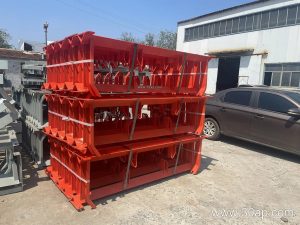
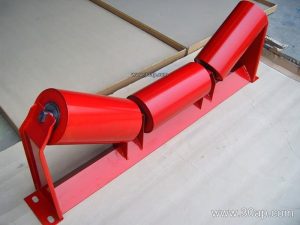
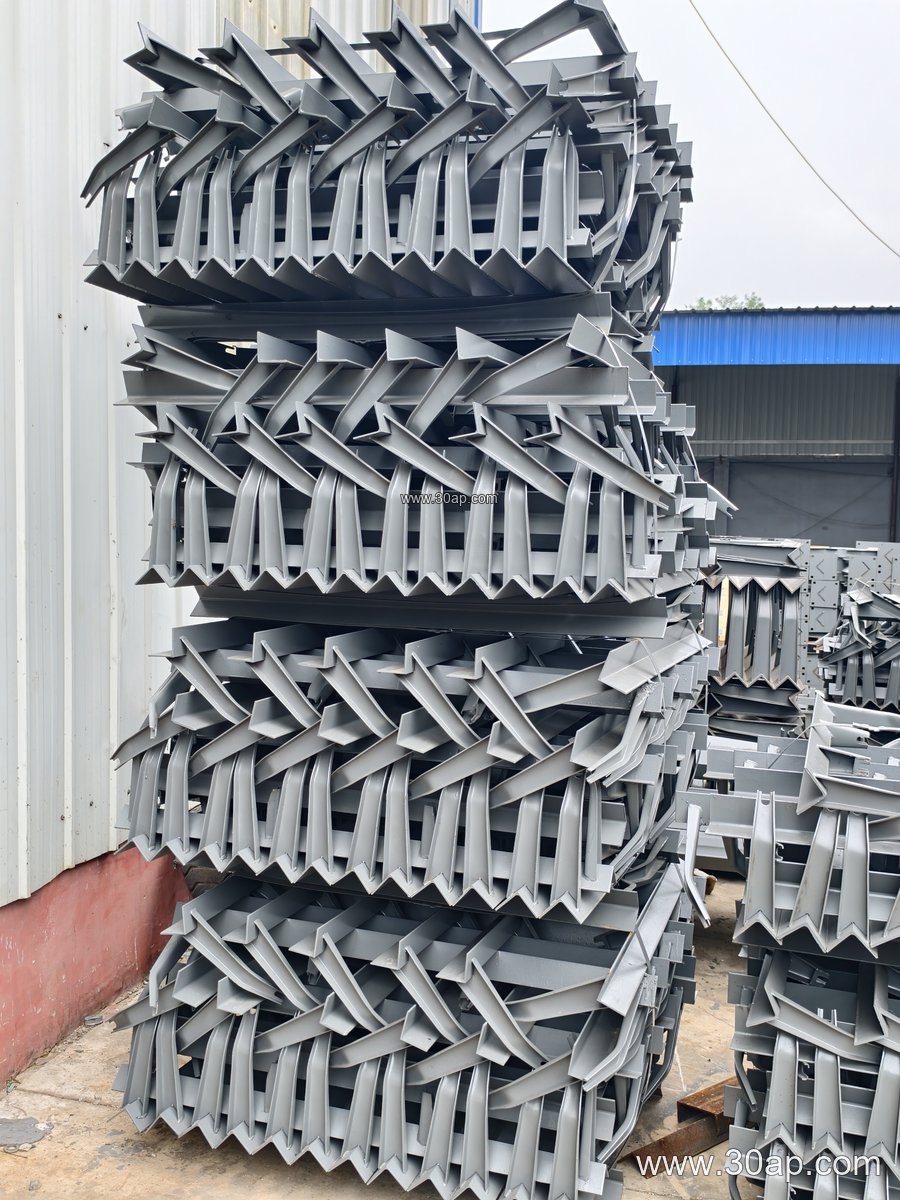
A conveyor support bracket is the structural link between the rollers and the conveyor frame. It holds the idler roller at the correct height and angle so the conveyor belt keeps its trough shape and stays on track. In a quarry or a coal preparation plant, a bracket that is misaligned or worn will show up quickly as belt edge wear, spillage, or a roller that runs hot. The bracket itself is simple, but the geometry it controls is not.
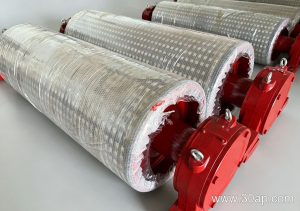
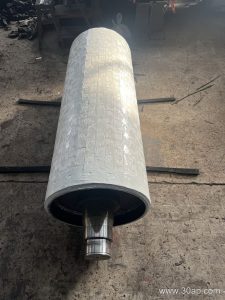
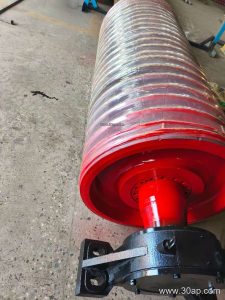
This component is often called a roller support bracket or an idler mounting bracket. Both names refer to the same product. It should not be confused with a conveyor pulley; drive, tail, and bend pulleys are separate parts with their own mounting arrangements.
How It Is Built
Most brackets are made from angle steel, channel steel, or folded steel plate. The fabrication is straightforward: cut, punch, bend, weld, and finish with paint or galvanizing. What matters is consistency. Mounting hole spacing and crossbeam length usually change with belt width and trough angle, so they are determined per design rather than fixed across a product family.
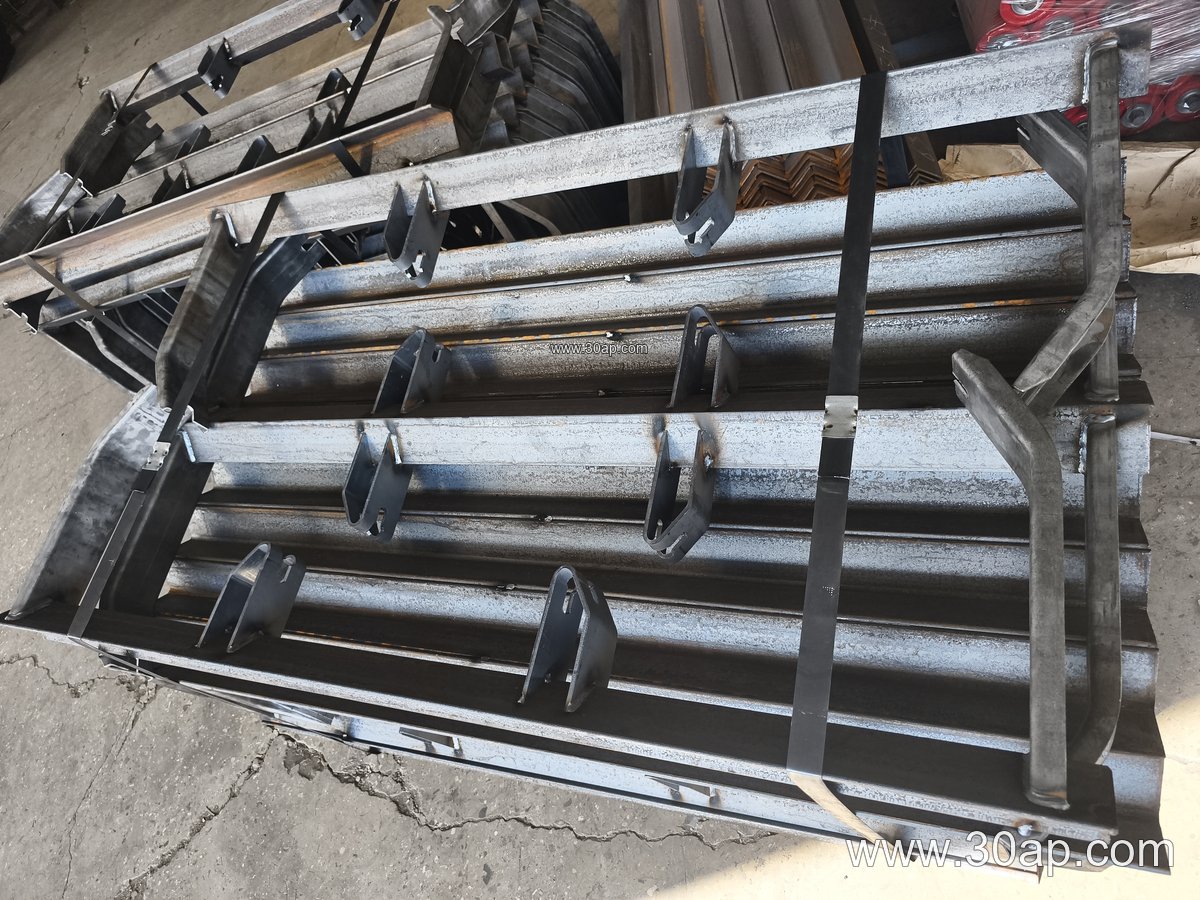
| Item | Common Range |
|---|---|
| Belt width | B500, B650, B800, B1000, B1200, B1400, B1600, B1800, B2000, B2200 |
| Trough angle | 20°, 30°, 35°, 45° |
| Roller diameter | Ø89, Ø108, Ø133, Ø159, Ø194 |
| Material | Angle steel, channel steel, folded plate |
Typical combinations include B800 with a 35° trough and Ø108 rollers, or B1200 with a 45° trough and Ø133 rollers. A wide belt does not force one particular roller diameter, and a given belt width can be paired with more than one trough angle depending on the load and material.
Main Types and Where They Sit
- Trough bracket: carries the three-roller set on the carrying side.
- Transition bracket: eases the belt from flat to troughed near a pulley.
- Return bracket: supports the return-side roller, often flat or in a V shape.
- Impact bracket: sits under the loading point with cushion rollers.
- Self-aligning bracket: allows slight rotation to correct belt drift.
- Adjustable bracket: lets the trough angle be changed on site.
An adjustable bracket is useful where the same frame may handle different materials. Fixed brackets are cheaper and stiffer, and are common on long, stable runs in a cement plant or a power plant coal yard. A self-aligning bracket is not a substitute for a return bracket; each has its own job.
Matching the Bracket to the Belt and Rollers
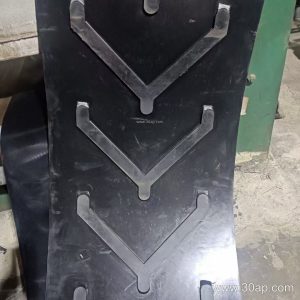
The bracket must suit the roller end fitting, the crossbeam, and the belt. A heavy-duty mining conveyor belt running at high tonnage puts more load on the bracket than a light fabric core belt on a short aggregate line. On a chevron conveyor belt or a corrugated sidewall conveyor belt, check clearance around the bracket so the cleats and sidewalls do not catch.
For abrasive ore, a bracket that holds the idler roller firmly reduces vibration and extends roller life. In dusty conditions, choose a finish that resists corrosion and keep drainage in mind. Belt tracking problems are often blamed on the belt when the real cause is a bent or loose bracket.
Buyer Checklist
- Confirm belt width and trough angle from the conveyor drawing, not from memory.
- Match the bracket to the roller diameter and shaft end type.
- State the mounting hole pattern and crossbeam length required.
- Ask about material thickness and surface finish for the site environment.
- For retrofit work, check whether an adjustable bracket saves frame modification.
Spare brackets are worth keeping on hand. A single failed bracket can stop a transfer line, and the replacement is inexpensive compared with downtime. See more conveyor frame and component options at gdconveyor.com.