What a Loading Point Impact Idler Does
A conveyor loading point impact idler is the shock-absorbing roller station placed directly beneath the chute or transfer point where material first lands on the belt. Its job is not to carry the full run of material, but to catch the falling stream, soften the blow, and protect the belt carcass and the idler frame from repeated impact. In a quarry, a crusher discharge, or a coal handling system at a power plant, this is often the most heavily punished section of the whole conveyor line.
Because the load arrives with vertical velocity, the impact zone experiences forces far above the steady running load. A standard troughing idler installed here may dent, seize, or wear through its shell quickly. The impact idler addresses that by combining a resilient roller surface with a frame stiff enough to hold alignment under shock. This is why the loading point is usually treated as its own design segment rather than an extension of the carrying idlers.
Construction and Surface Options
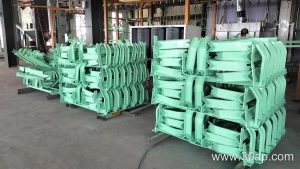
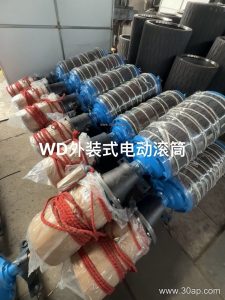
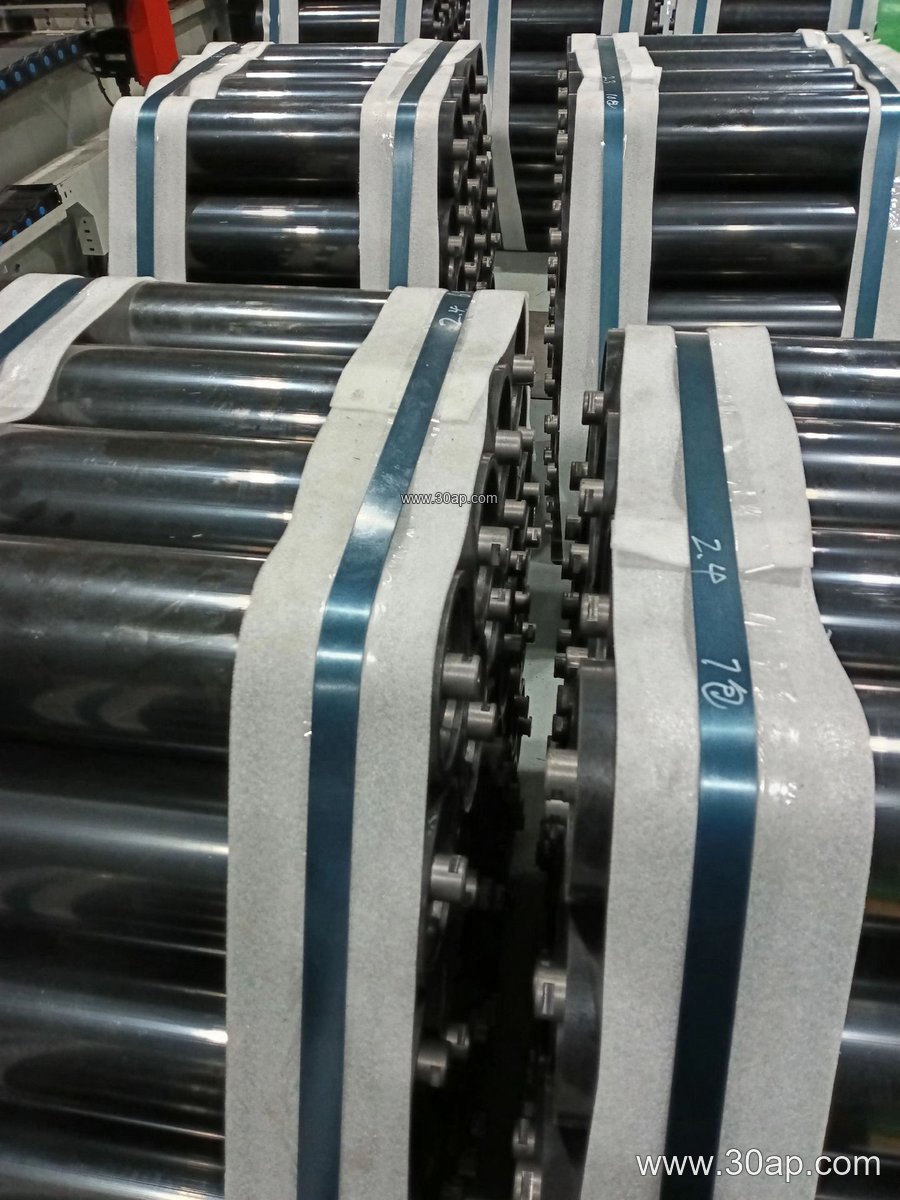
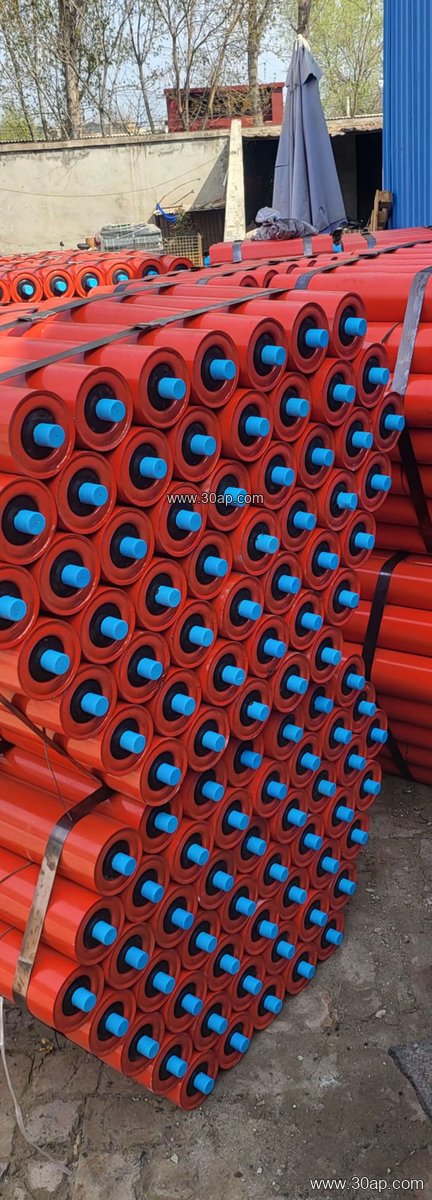
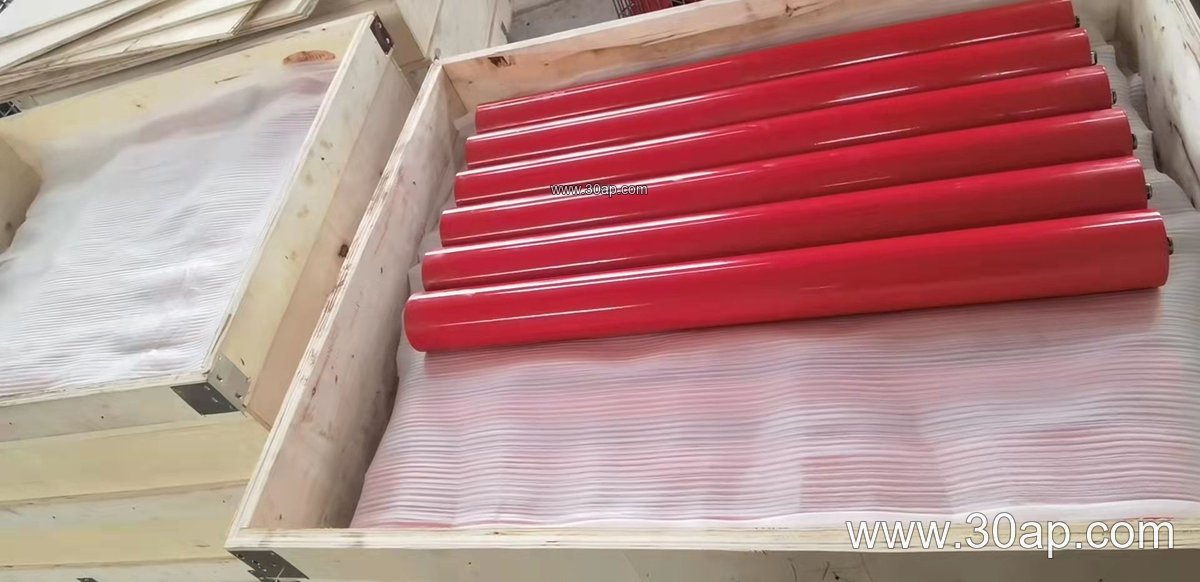
The core of the design is a steel tube body fitted with rubber rings or a rubber disc sleeve. The rubber rings sit proud of the steel shell and take the first contact from falling rock, clinker, or ore. When a ring wears down, the steel body is still there, so the roller does not collapse instantly. Many users refer to this same product as a rubber disc impact roller or cushion impact idler; these are equivalent names for the same item, not different product families.
| Element | Common options |
|---|---|
| Roller diameter | Ø89, Ø108, Ø127, Ø133, Ø159, Ø178 mm (common, by design) |
| Belt width served | B500, B650, B800, B1000, B1200, B1400, B1600 mm |
| Trough angle | 20°, 30°, 35°, 45° |
| Station form | Single roll, two-roll, three-roll troughing |
| Bearing | 6205, 6305, 6306, 6308, 6310 (selected by load, not by width alone) |
| Surface | Rubber ring, rubber disc, plain steel |
Bearing size should follow the calculated radial load and shaft design, not a simple rule tied to belt width. A B800 conveyor might use a lighter bearing set in a short impact station, while a B1600 crusher feed line usually needs a heavier series. The roller length also varies with trough angle and station type, so the side rollers and centre roller can differ within one frame. Typical three-roll centre roll lengths run from about 200 mm at B500 up to roughly 750 mm at B2000, but these are reference examples only.
Where the Impact Zone Sits
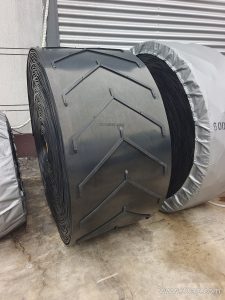
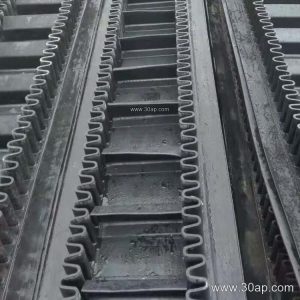
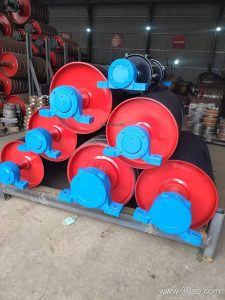
The idler belongs at the transfer point, usually under a skirted section of the belt. The chute drops material onto a short run of impact stations, often three to five sets, before the belt passes to ordinary carrying idlers. In a limestone mine or aggregate plant, this zone follows the primary crusher; in a cement plant it may sit under a clinker drop; in a steel plant it can be beneath a sinter or coke feed. The surrounding equipment still matters: the conveyor belt, the conveyor pulley at the head or tail, and the conveyor bracket that ties the frame to the stringer all influence how the impact load is distributed.
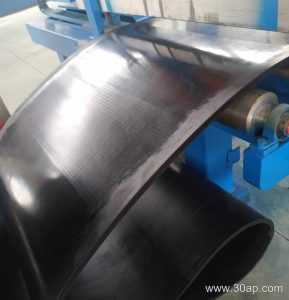
Where material is sharp and heavy, an abrasion resistant conveyor belt is often paired with cushion rollers to spread the point load. For underground coal mining, a flame retardant conveyor belt and fire resistant conveyor belt are common requirements, and the impact station should be specified with the same care as the belt itself. In dusty or wet transfer houses, sealed bearing housings and good frame drainage help the idler survive.
Selection Notes for Buyers
- Match the station to the drop height and lump size, not only to belt width. A high drop with large rock needs more cushioning than a low, fine-material transfer.
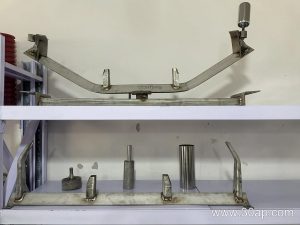
- Confirm the trough angle and the actual roller lengths; a 35° frame and a 45° frame do not share the same side roll geometry.
- Check shaft and bearing load ratings against the calculated impact force. Do not assume a fixed shaft diameter from belt width alone.
- Ask how the rubber rings are fixed, and whether replacement rings or complete rollers are available.
- Consider the belt type in service: an EP conveyor belt, a steel cord conveyor belt, or a multi-ply fabric core conveyor belt each reacts differently to point loading.
For a new project, the practical approach is to define the loading point as a zone: chute position, belt speed, material lump size, and the number of impact stations. That information lets the supplier propose a suitable roll diameter, bearing series, and ring hardness without guessing. Whether the line handles copper ore, gold ore, or bulk material in a port, the impact idler remains a small component with a large effect on belt life and downtime.