What a 2400mm Conveyor Belt Is
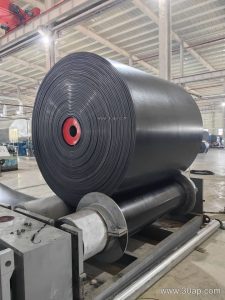
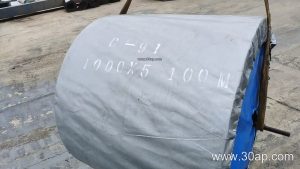
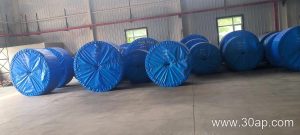
A 2400mm conveyor belt is an extra-wide belt designed for conveyor systems that must move large volumes of bulk material in a single pass. The 2400mm figure refers to the belt width, which is among the wider standard sizes used in heavy-duty bulk handling. This width is often chosen when high throughput is required and the conveyor layout can accommodate a wider structure, including larger pulleys, idler rollers, and support brackets. Whether the application is in a mine, a cement plant, a power station, or a large quarry, the belt width directly influences the capacity and the mechanical demands on the entire conveyor system.
Because of its size, a 2400mm conveyor belt is not a generic item. It is typically engineered for specific load conditions, and buyers should expect to discuss tension, cover grade, and carcass construction with the supplier. The belt may be supplied as an EP conveyor belt, a NN conveyor belt, or a steel cord conveyor belt, depending on the required strength and the operating environment.
Construction and Material Options
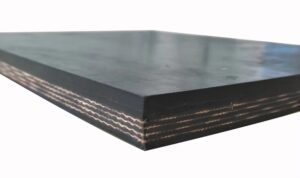
The construction of a 2400mm conveyor belt follows the same general principles as narrower belts but with greater attention to load distribution and splice integrity. The carcass provides tensile strength and may consist of multiple fabric plies or steel cords. Cover rubber protects the carcass from abrasion, impact, heat, oil, or chemicals. Edge construction and transverse rigidity become more critical as width increases.
Common material options include:
- Fabric core belts: EP (polyester-cotton) or NN (nylon-nylon) carcasses in multiple plies. These are often used in general bulk handling and can be supplied as a multi-ply fabric core conveyor belt.
- Steel cord belts: A steel cord conveyor belt offers high tensile strength for long distances and heavy loads.
- Specialty covers: A heat resistant conveyor belt, oil resistant conveyor belt, flame retardant conveyor belt, or abrasion resistant conveyor belt may be specified for demanding conditions.
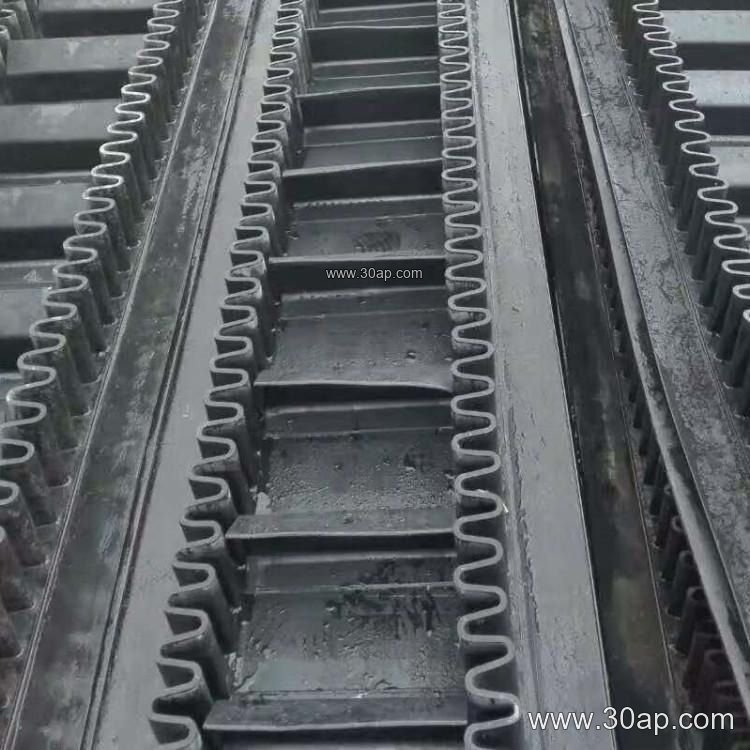
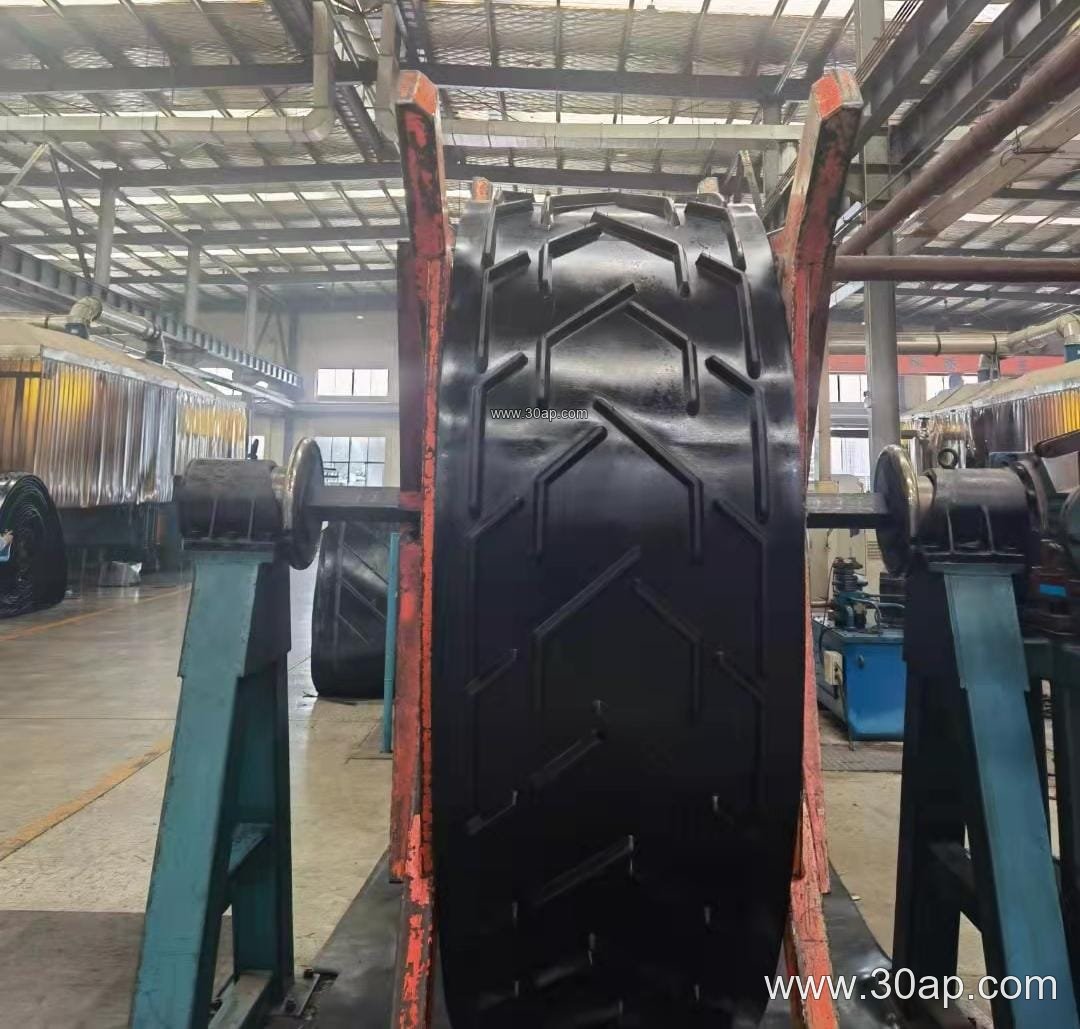
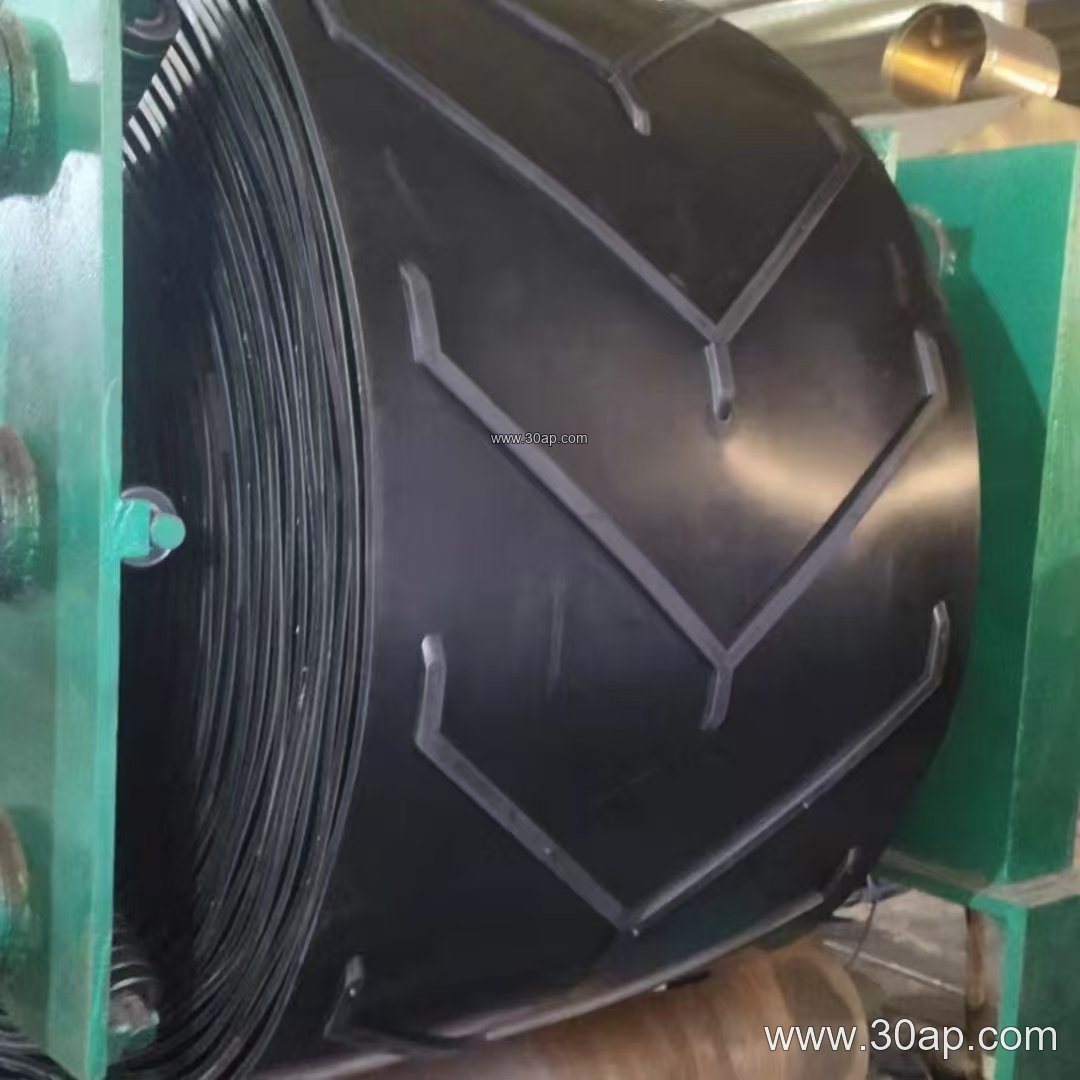
- Surface forms: A chevron conveyor belt or a corrugated sidewall conveyor belt can help control material on inclined sections, though these are separate designs and not replacements for a standard flat 2400mm belt.
Typical cover thicknesses for heavy-duty belts include 6+2 mm, 8+3 mm, and other combinations selected by design. The carcass may have 2 to 6 plies in fabric constructions, while steel cord belts are rated by nominal strength such as ST1000 or ST1600. These values are reference examples, not universal specifications, and actual belt design should be confirmed with the manufacturer.
Where 2400mm Belts Are Used
Extra-wide belts are common in industries where large tonnages must be conveyed efficiently. In mining, a 2400mm conveyor belt may be part of a heavy-duty mining conveyor belt system handling ore or overburden. In coal mining, flame retardant and anti-static properties are often required, and a coal mining conveyor belt of this width may feed a preparation plant or a stockyard. Cement plants use wide belts to transport clinker, limestone, and additives. Power plants rely on them for coal delivery, while quarries and aggregate operations use them to move crushed stone and sand.
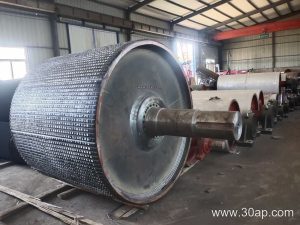
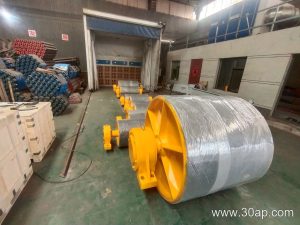
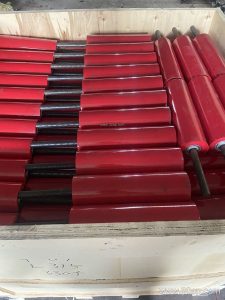
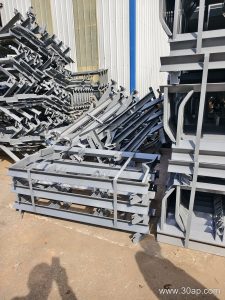
Ports and ship loading facilities also employ wide belts for fast loading and unloading of bulk cargo. In these settings, the belt works together with conveyor pulleys, idler rollers, and conveyor brackets that are sized for the wider belt and the associated loads. The selection of these components should be coordinated with the belt width, but no single pulley diameter is dictated by belt width alone.
Selection and Buyer Checklist
Buying a 2400mm conveyor belt requires more than specifying the width. The following points should be clarified:
- Belt type and carcass: EP, NN, or steel cord; number of plies or cord strength.
- Cover grade and thickness: abrasion resistant, heat resistant, oil resistant, flame retardant, or cold resistant, with top and bottom cover thickness.
- Operating conditions: material type, lump size, temperature, moisture, and presence of oils or chemicals.
- Conveyor geometry: incline, transitions, pulley sizes, and take-up arrangement.
- Splice method: vulcanized or mechanical, with attention to splice strength in wide belts.
It is also wise to discuss the overall conveyor system, including idler roller spacing and pulley design, because a 2400mm belt imposes specific loads that must be supported properly. The belt should not be treated as an isolated component.
Maintenance and Handling Notes
Wide belts require careful handling during installation and maintenance. Storage should avoid sharp bends and excessive stacking. Alignment is critical; a 2400mm belt that runs off-center can damage edges and pulleys quickly. Regular inspection of the belt surface, edges, and splices helps prevent unexpected downtime. In dusty or corrosive environments, cleaning and inspection of idler rollers and pulleys should be part of the routine.
For replacement or upgrade projects, buyers should provide the existing belt specifications and conveyor data to the supplier. This helps ensure that the new 2400mm conveyor belt matches the system requirements and that related components such as conveyor pulleys and brackets are compatible. More information on wide belts and conveyor components can be found at beltconveyorparts.com/2400mm-conveyor-belt and beltconveyorparts.com/conveyor-pulley.