What a Steel Plant Conveyor Pulley Does
A steel plant conveyor pulley is the rotating drum that drives, redirects, or tensions the belt in a bulk handling line. Inside a sinter plant or a coke transfer house, the pulley is often the hardest-working component on the conveyor frame. It transmits torque to the belt, carries the belt load at the head end, and keeps alignment stable when the belt is hot, dusty, and heavily loaded. The same product is also called a conveyor drum or belt pulley, and those names refer to the same assembly.
Steel plant duty differs from a quarry or a port terminal. Material may arrive at elevated temperature, with fines and scale that cling to surfaces. A heat resistant conveyor belt may be running alongside a standard EP conveyor belt on the same line, so the pulley lagging and bearing seals must tolerate both heat and abrasive dust. The pulley is a structural part, not an accessory. It must be sized for the belt tension and the torque the drive delivers.
How the Pulley Is Built
A typical steel plant conveyor pulley consists of a cylindrical shell, two end discs, a shaft, and hub connections. The shell is usually rolled steel, machined at the faces, and welded to the discs. The shaft is keyed or shrink-fitted to the hubs. Bearings sit in pillow blocks or in a conveyor bracket fixed to the frame, and the whole assembly is protected by seals and, where needed, a dust cover.
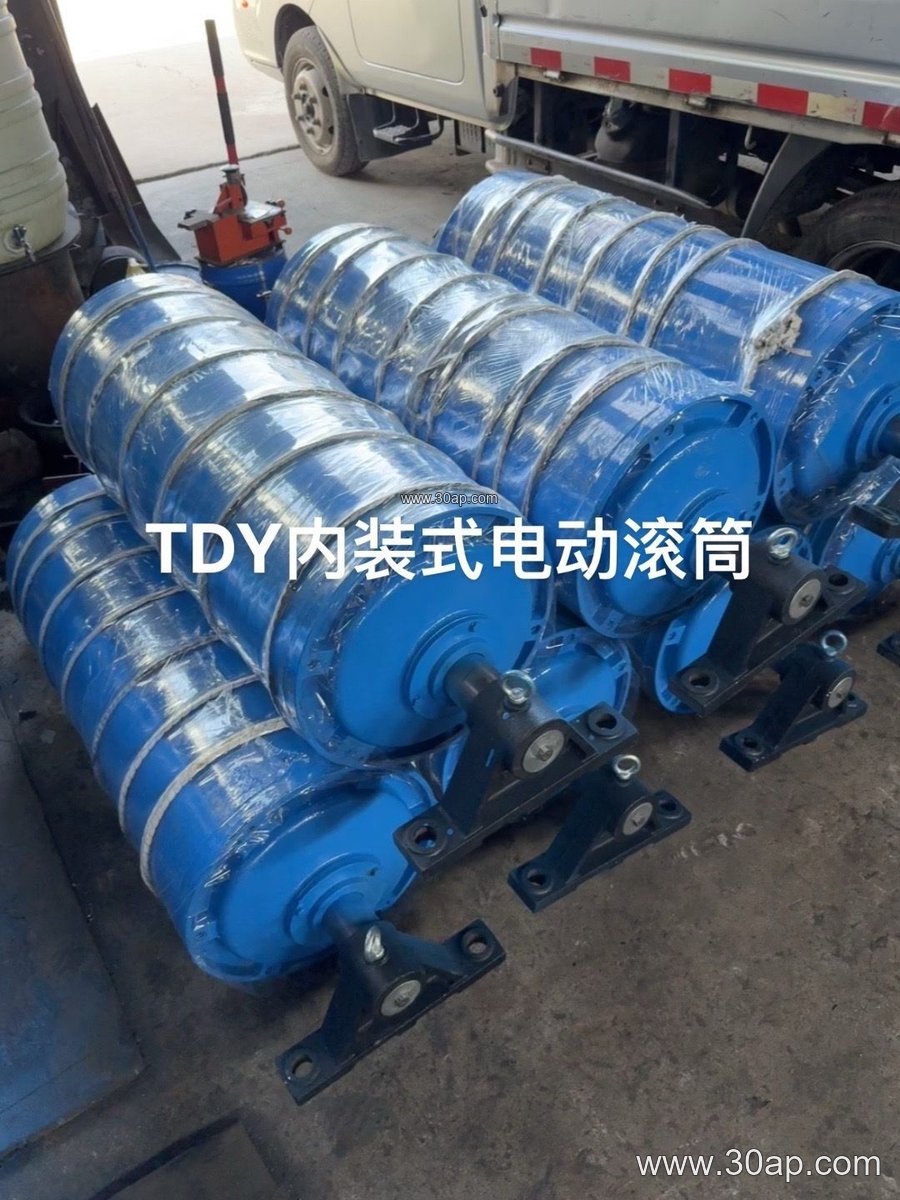
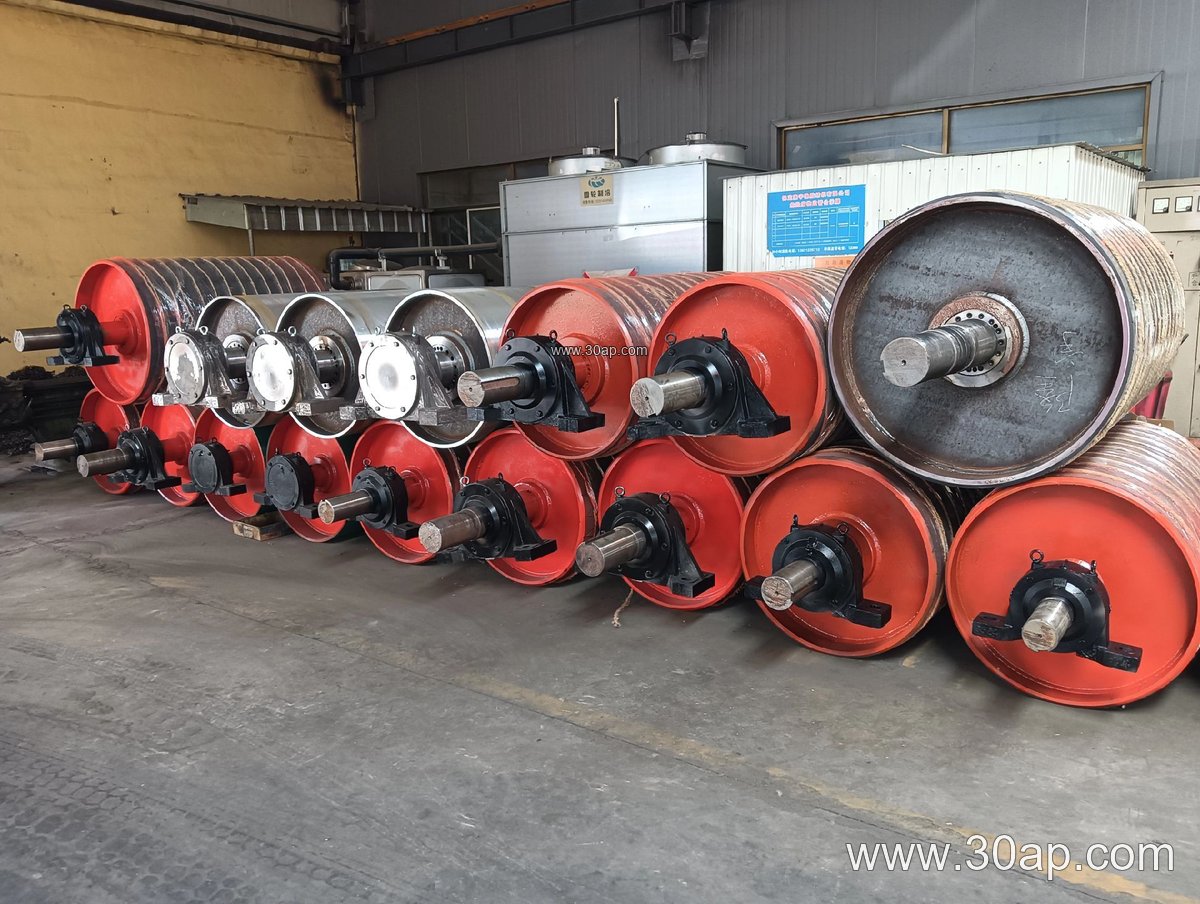
Surface treatment is a major part of the build. Plain finish suits light duty and low tension. Rubber lagging improves grip and protects the shell; common forms include plain rubber, diamond lagging, and ceramic lagging. Lagging thickness is often 8, 10, 12, 15, or 20 mm depending on the duty. In a sinter or pellet line, heat resistant lagging and heat resistant conveyor belt work together to reduce slip and wear. For a belt carrying oily scrap or mill scale, an oil resistant conveyor belt may be paired with a suitable lagging compound.
Common Types and Where They Sit
Not every drum on a conveyor is the same. The drive pulley, also called the head pulley, delivers power. The tail pulley at the loading end redirects the belt. A bend pulley changes belt direction, a take-up pulley maintains tension, and a snub pulley increases wrap angle. These are distinct roles, and each is selected for its position. A drive pulley is not a substitute for a tail pulley, and a bend pulley cannot replace a take-up drum.
In a steel plant, the drive pulley is usually at the discharge end of a sintering or coke conveyor, while tail pulleys sit under the loading chute. A bend pulley may be used to route the belt around a transfer tower. On long overland lines feeding the stockyard, a steel cord conveyor belt or a high strength conveyor belt may require larger drum diameters to limit bending stress. The pulley and belt must be matched as a system, not chosen separately.
Dimensions and Reference Data
Pulley size is defined by belt width, drum diameter, face width, shaft diameter, and lagging. Face width usually exceeds belt width so the belt is fully supported. A B800 pulley commonly has a face around 950 mm, and a B1200 drum may have a face near 1400 mm. Diameter ranges from about 200 mm to 1800 mm for typical bulk conveyors. These are reference values, not fixed pairings; a B1000 belt can run on more than one drum diameter depending on tension and belt construction.
| Belt width | Typical face width | Example drum diameter | Typical lagging |
|---|---|---|---|
| B500 | about 600 mm | Ø250 to Ø400 | 8 to 10 mm |
| B650 | about 750 mm | Ø315 to Ø500 | 10 mm |
| B800 | about 950 mm | Ø400 to Ø630 | 10 to 12 mm |
| B1000 | about 1150 mm | Ø500 to Ø800 | 12 mm |
| B1200 | about 1400 mm | Ø630 to Ø1000 | 12 to 15 mm |
| B1400 | about 1600 mm | Ø800 to Ø1250 | 15 mm |
Shaft diameter is set by torque and bearing load, not by belt width alone. Common shaft sizes include Ø80, Ø100, Ø120, Ø140, and Ø160, but the final value comes from the drive calculation. A B1200 x Ø1000 drive pulley and a B800 x Ø500 tail pulley are both realistic examples, yet each must be verified against the actual conveyor design.
Buying Advice for Plant Engineers
- State the pulley role clearly: drive, tail, bend, take-up, or snub. This changes the design and the price.
- Provide belt type and tension. A steel cord conveyor belt needs a larger drum than a fabric core conveyor belt of the same width.
- Specify lagging form and thickness. Diamond lagging sheds dust better; ceramic lagging resists wear in sinter service.
- Confirm the shaft and bearing arrangement, plus the mounting bracket interface.
- Check that the drum diameter suits the belt’s minimum bending radius and that the lagging is compatible with the material temperature.
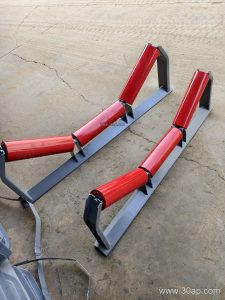
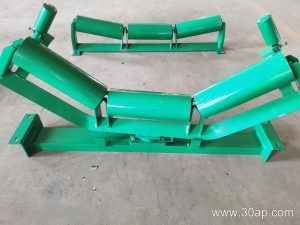
For a steel plant line, the conveyor pulley should be treated as part of the whole conveyor package, together with the idler roller set, the conveyor bracket, and the belt. A well-matched drum reduces belt edge damage, keeps tracking stable, and lowers downtime in a plant where every stoppage is expensive.