What a Fabric Core Conveyor Belt Is
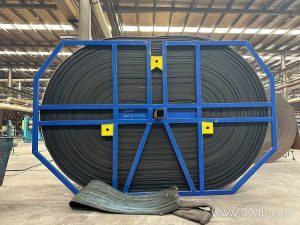
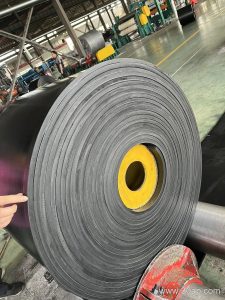
A fabric core conveyor belt is a composite belt whose tensile strength comes from layers of woven textile fabric, usually polyester or nylon, bonded between rubber cover layers. The fabric plies carry the pulling load, while the covers protect the carcass from abrasion, moisture, heat, and impact. In daily plant language this product is also called a textile conveyor belt or ply fabric belt, and the same article covers both EP and NN constructions.
The carcass is the part that decides how much tension the belt can handle and how well it tracks. Cover compound and thickness decide how long it survives the material being carried. Buyers should treat these as two separate decisions rather than choosing on price alone.
How the Belt Is Built
Most fabric core belts are built up in three stages. First, the fabric plies are calendered with rubber friction and skim coats so each layer bonds to the next. Second, the ply stack is assembled to the required number of layers, commonly two to six for general conveying duty. Third, top and bottom covers are applied and the whole slab is vulcanized under heat and pressure.
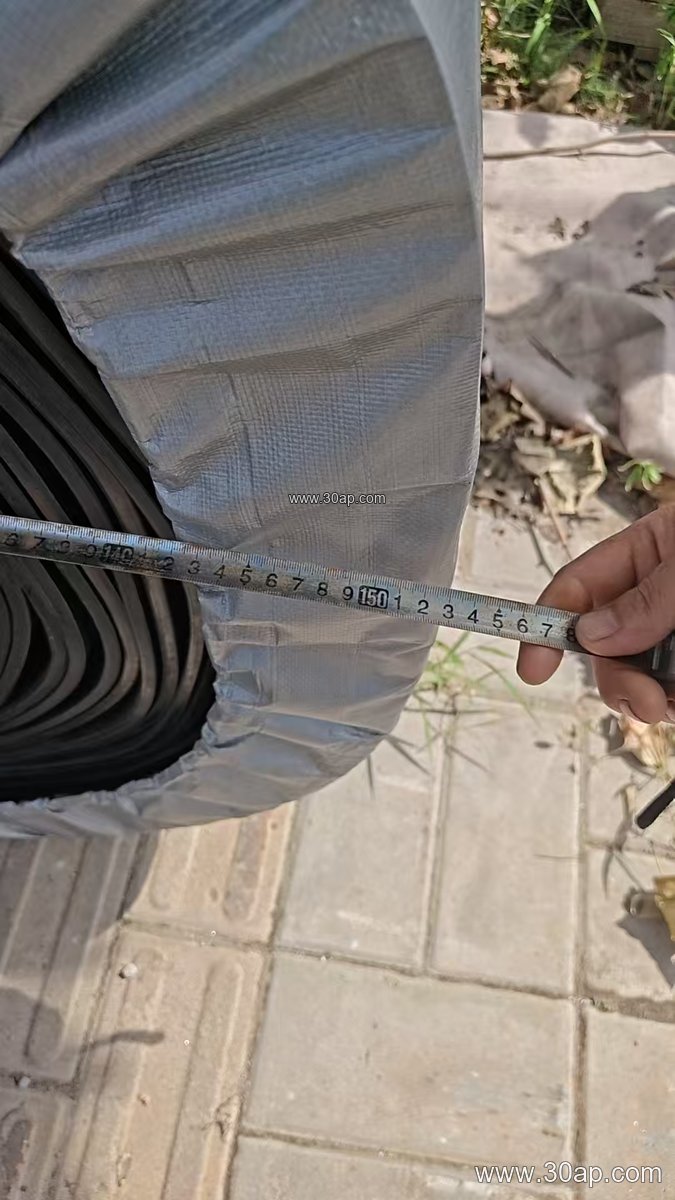
- Carcass: EP (polyester warp, nylon weft) or NN (nylon warp, nylon weft) fabric, two to six plies in common designs.
- Covers: abrasion resistant, heat resistant, oil resistant, flame retardant, anti-static, or cold resistant rubber compounds.
- Edges: cut edges, or moulded edges for better resistance to fraying on long runs.
EP fabric stretches less than NN under the same load, which helps on long centre distances and in high-tension drives. NN fabric absorbs shock better and suits impact-heavy loading points. Neither is automatically better; the duty decides.
Typical Strength and Size Ranges
Fabric core belts are rated by nominal tensile strength per unit width. Reference values commonly quoted in the industry include EP200, EP315, EP400, EP500, EP630, EP800, EP1000, EP1250, EP1600, and EP2000, with NN grades such as NN100 to NN400 covering lighter duties. These are reference grades, not a fixed catalogue promise; actual construction varies by manufacturer.
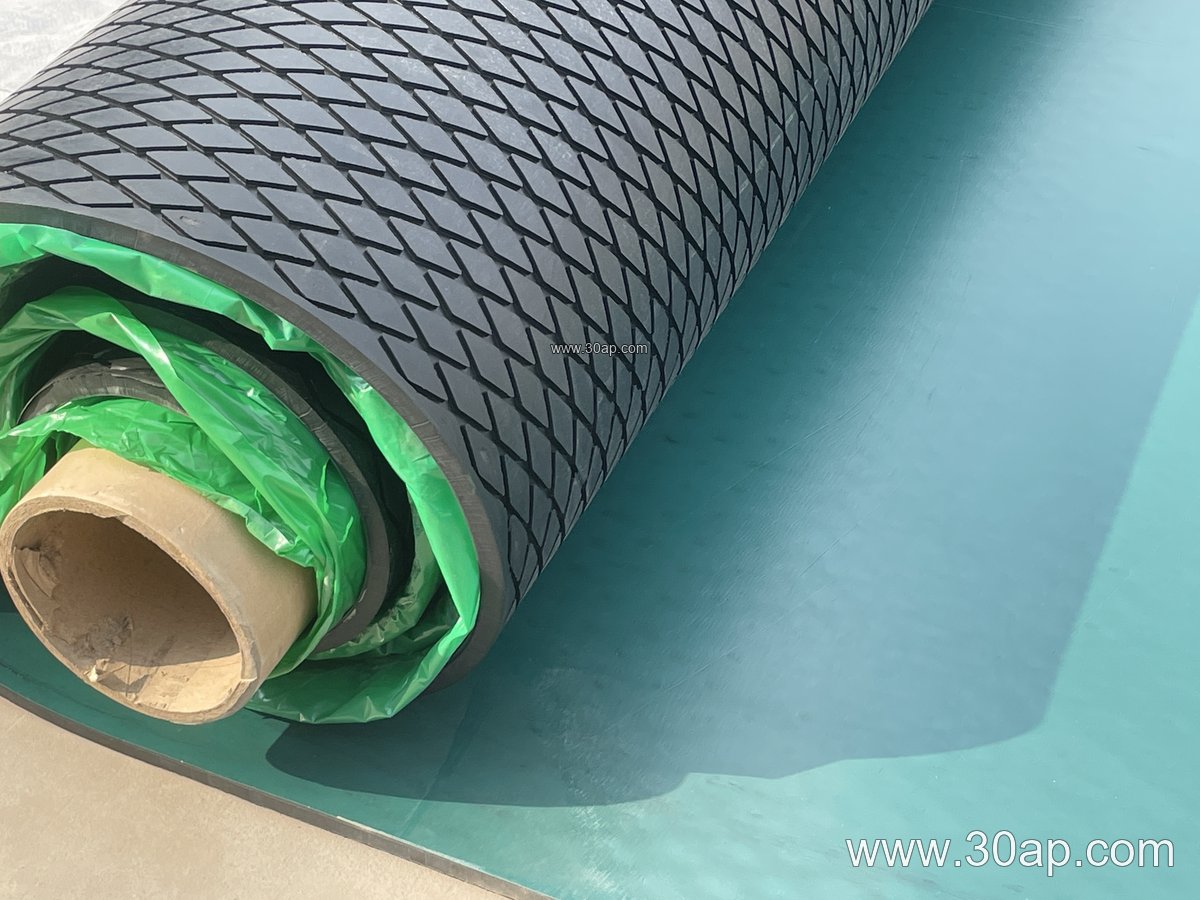
| Parameter | Common reference range | Notes |
|---|---|---|
| Belt width | B500, B650, B800, B1000, B1200, B1400, B1600, B1800, B2000 | Match to lump size and tonnage, not to pulley diameter alone |
| Cover thickness | 3+1.5, 4+2, 5+2, 6+2, 8+3 mm | Top cover carries the load; bottom cover runs on idlers |
| Ply count | 2 to 6 layers typical | Higher ply count raises tension rating and stiffness |
| Strength grades | EP200 to EP2000; NN100 to NN400 | Select by calculated operating tension with safety factor |
A 1200mm wide belt, for example, is a common choice for medium-capacity main haulage, while 1800mm and 2000mm widths appear on high-tonnage trunk conveyors. Width and pulley diameter are matched through conveyor design, so no single width locks to one pulley size.
Where It Is Used
The fabric core conveyor belt is the workhorse of bulk handling across many industries. In coal mining and underground coal mining it moves raw coal from the face to the shaft; flame retardant and anti-static grades are usual there. Cement plants use it for clinker, limestone, and additives. Power plants rely on it for coal and ash lines. Quarries, sand making plants, and stone crushing circuits use abrasion resistant covers on crusher conveyor belts and aggregate conveyor belts. Ports and ship loading terminals apply wide belts for high throughput, and recycling lines use it for mixed waste streams.
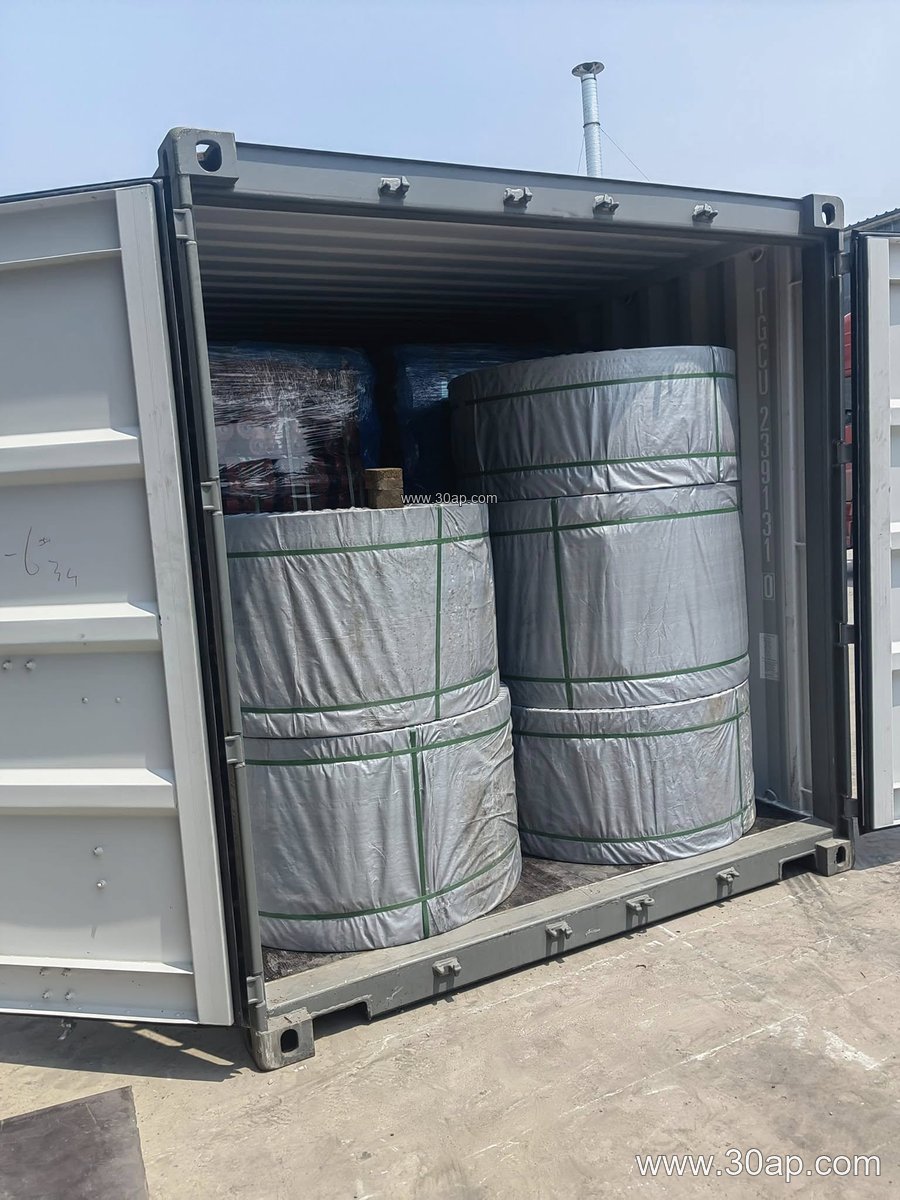
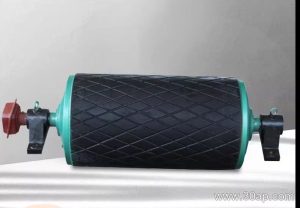
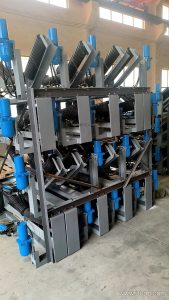
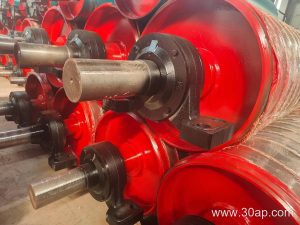
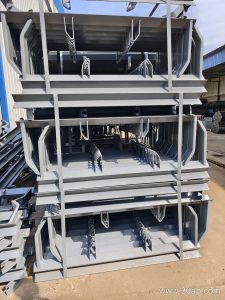
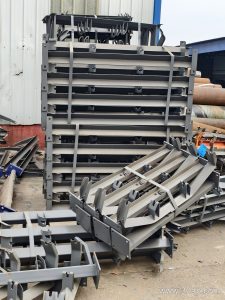
Because the belt runs over idler rollers and turns around conveyor pulleys held in conveyor brackets, alignment and loading conditions matter as much as the belt grade. A well-chosen belt on a poorly aligned frame still fails early.
Matching the Grade to the Duty
Selection starts with the material. Sharp, heavy rock calls for a high abrasion resistant cover and often an impact resistant construction at the loading point. Hot clinker or sinter requires a heat resistant compound, while grain, food, and some chemical duties need oil resistant or food grade covers. Cold climates and freezer halls call for cold resistant rubber. Dusty coal work needs flame retardant and anti-static properties together.
For inclined conveyors, a chevron conveyor belt or a corrugated sidewall belt may be compared when the angle is too steep for a smooth belt. Enclosed routes sometimes use a pipe conveyor belt. Very long, high-tension lines may justify a steel cord conveyor belt instead of a fabric carcass. These are alternatives for specific conditions, not replacements for the standard fabric construction.
Buyers should confirm ply count, cover thickness, grade, edge type, and splice method with the supplier, and ask for the tension rating basis. On site, keep idler rollers turning freely, check pulley lagging, and inspect splices; most premature failures trace back to these points rather than to the belt itself.