What the Conveyor Belt Does in a Sand Making Plant
The sand making plant conveyor belt is the working link between the crusher, the vibrating screen, the sand washer and the stockpile. In a typical aggregate line, material leaves the sand maker and moves through several transfer points before it reaches the final product pile. Each of those points uses a belt conveyor, and the belt itself must handle sharp crushed rock, fine sand, moisture and a steady stream of abrasive particles. A well chosen belt keeps the line running; a poor choice shows up quickly as edge wear, short splice life or material spillage.
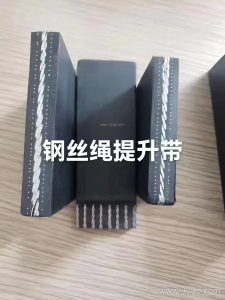
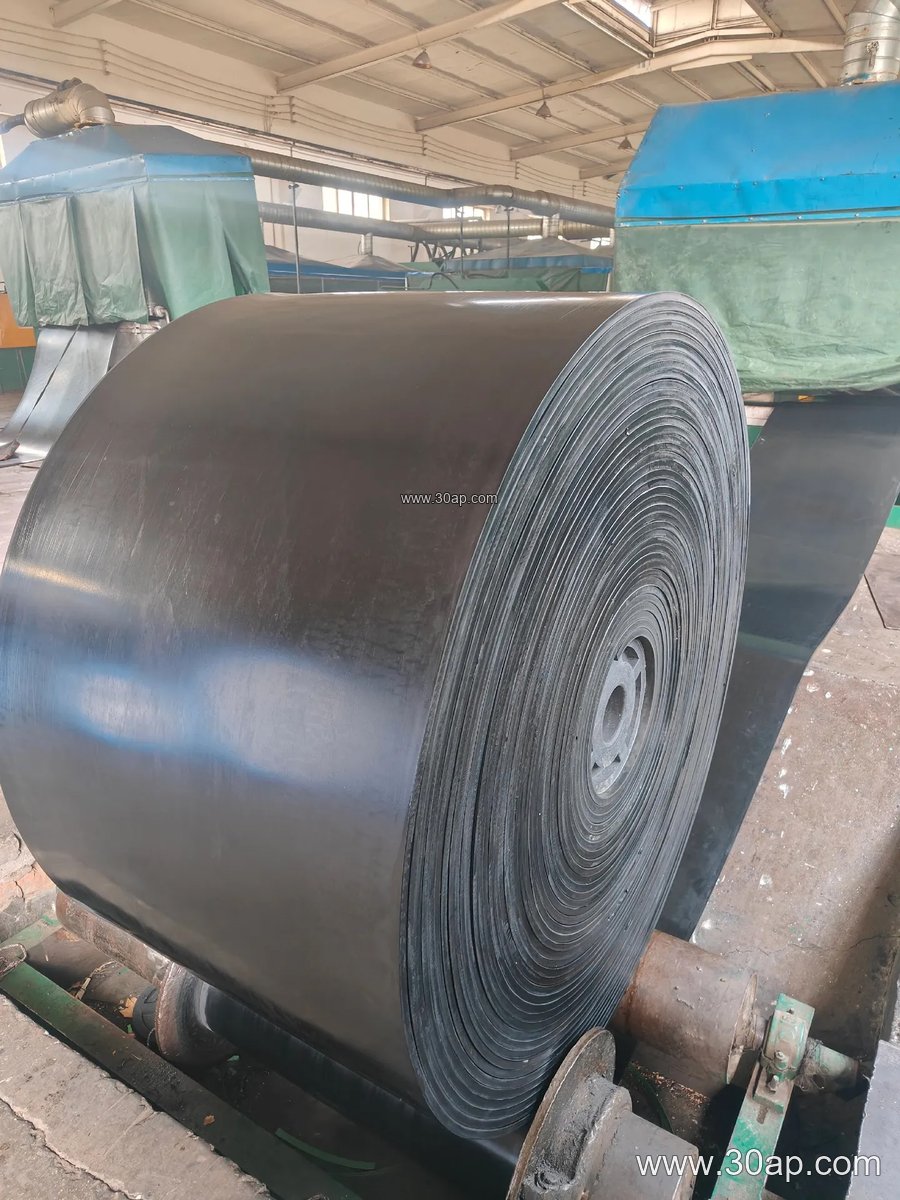
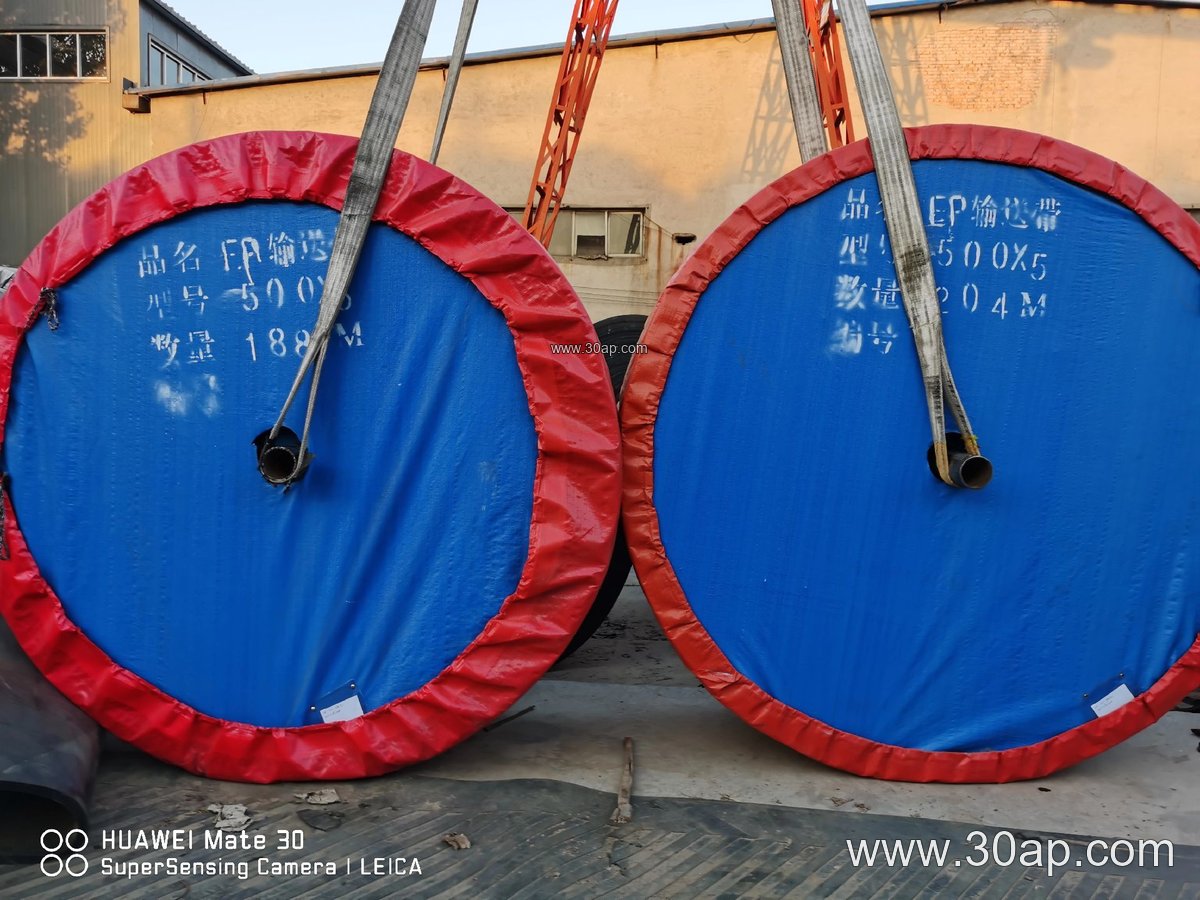
The product is usually a heavy-duty rubber belt built on a fabric or steel cord carcass. In sand and gravel plants the most common choice is an EP conveyor belt or an NN conveyor belt, both of which are fabric core designs with good flexibility and reasonable tensile strength. For long horizontal runs or high lift heights, a steel cord conveyor belt may be used instead, because it carries more load per unit of width and stretches less under tension.
Construction and Common Configurations
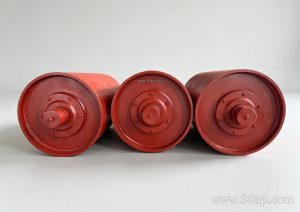
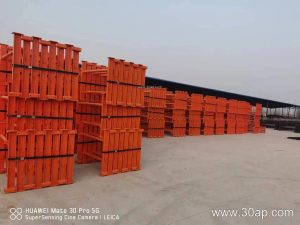
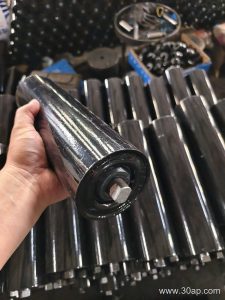
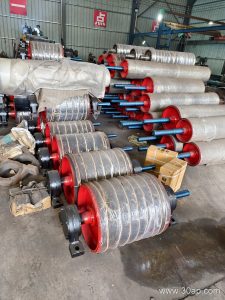
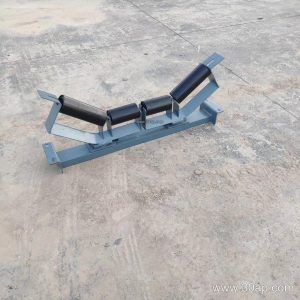
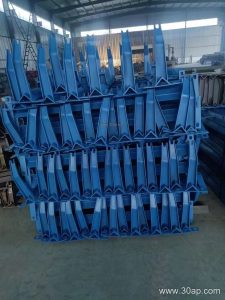
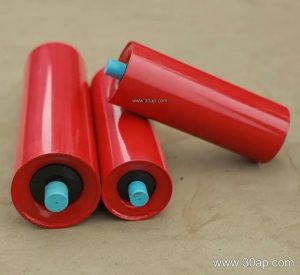
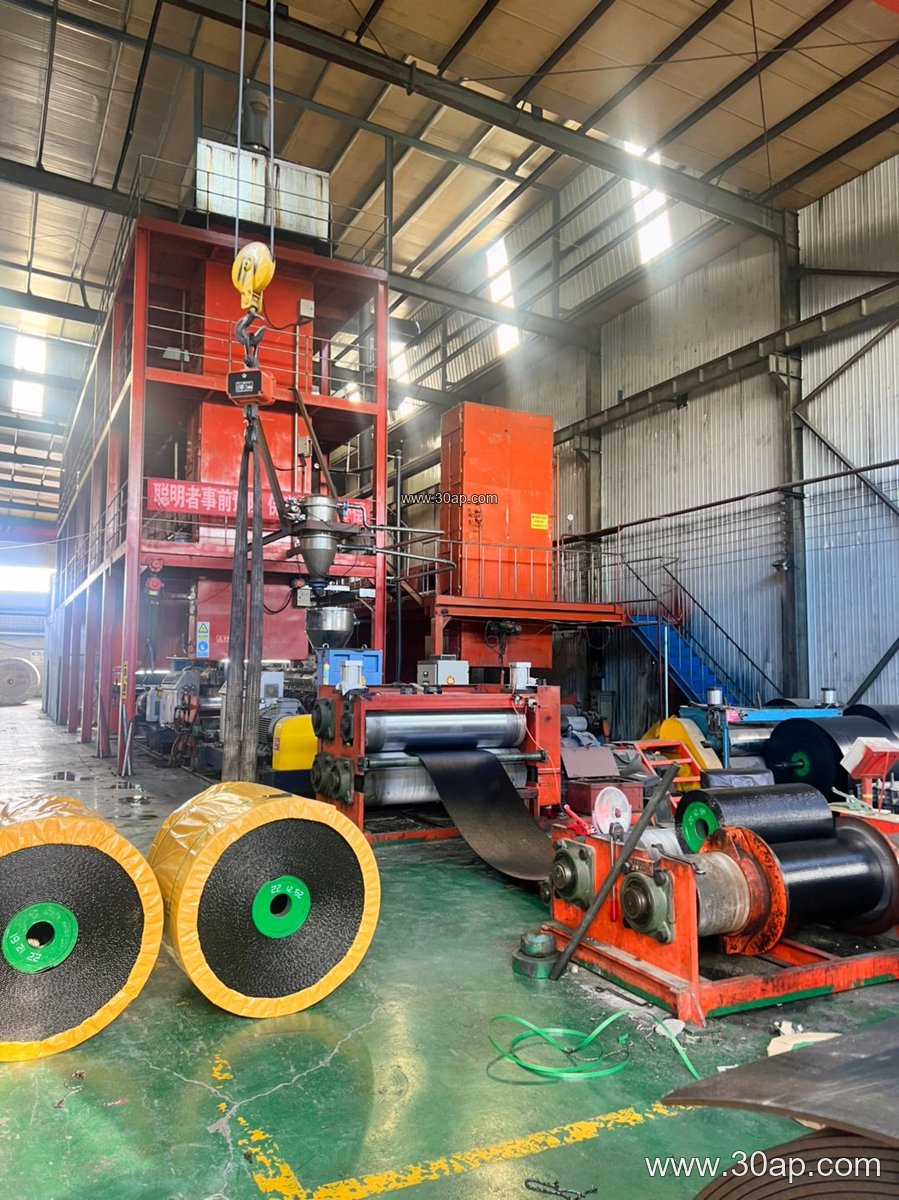
A sand making plant conveyor belt is normally made of a top cover, a bottom cover and one or more fabric plies, or a steel cord layer in heavy-duty versions. The cover compound is selected for the duty: abrasion resistant rubber for crushed stone and sand, oil resistant rubber where lubricants or recycled material are present, and heat resistant rubber if the process includes hot material. Above the belt, a conveyor pulley at the head and tail drives and returns the loop, while idler roller sets support the carrying side. The conveyor bracket and frame keep alignment stable, which matters on a plant that vibrates.
Typical reference values, which vary by manufacturer and should be confirmed against the actual design, are shown below.
| Item | Common reference range |
|---|---|
| Belt width | B500, B650, B800, B1000, B1200, B1400 |
| Fabric strength grade | EP200, EP315, EP400, EP500, EP630, EP800 |
| Cover thickness | 4+2 mm, 5+2 mm, 6+2 mm, 8+3 mm |
| Number of fabric plies | 2 to 6, depending on load and width |
Wider belts such as B1600 or B1800 appear on high-capacity primary lines, while narrower widths serve screen undersize and transfer conveyors. Belt width and pulley diameter are matched by the conveyor designer using load, speed and wrap angle; one width does not lock in a single pulley size.
Matching the Belt to the Duty
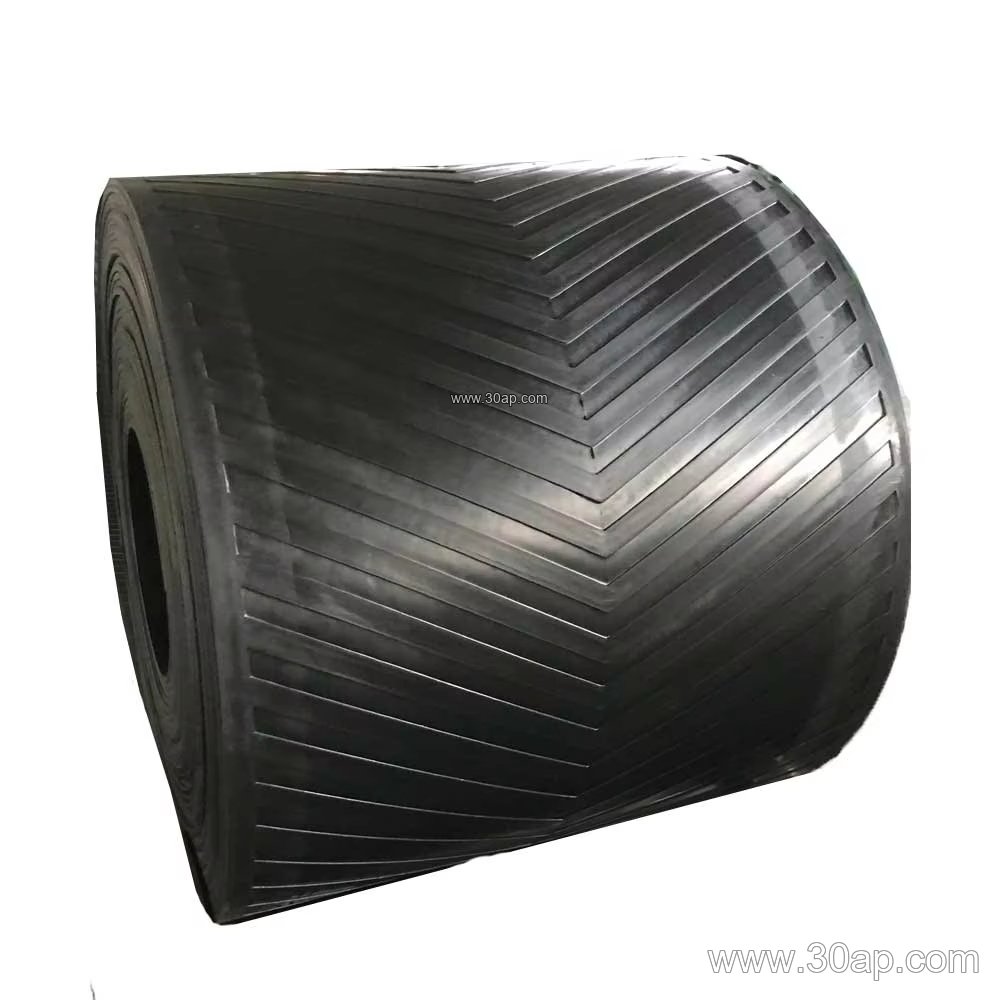
Sand is abrasive, so an abrasion resistant conveyor belt is often the default for the product belt after the sand maker. Where the feed contains larger rock, an impact resistant belt with a thicker top cover reduces cutting and gouging at the loading point. In a quarry or aggregate plant that also handles wet material, a chevron conveyor belt or a corrugated sidewall belt can be used on inclined sections to stop rollback; these are different belt forms and are chosen for the slope, not as a substitute for the flat product belt on horizontal runs.
Safety and environment also shape the specification. A flame retardant conveyor belt or fire resistant conveyor belt is common where there is a risk of heat or sparks, and an anti-static belt is used in dusty areas where static build-up is a concern. For cold climates, a cold resistant grade keeps the cover flexible in winter. In plants that wash sand, a belt with good water resistance and reliable splices is preferable to a light general-purpose belt.
Buyer Checklist
- Confirm the actual duty: material size, moisture, drop height and whether the belt runs on an incline.
- State the required belt width, fabric grade, cover thickness and number of plies, and ask for the manufacturer’s tolerance.
- Check whether the belt should be supplied as an endless conveyor belt with a vulcanized splice, or as open length for on-site joining.
- Review the head and tail conveyor pulley diameters and the idler roller spacing with the conveyor designer so the belt trains correctly.
- Keep spare belt, splice material and a spare conveyor pulley or idler roller on site to reduce downtime in a busy sand and gravel plant.
For sand making plant conveyor belt enquiries, it helps to send the layout, capacity, belt width and material description together, so the belt grade, cover compound and splice method can be proposed as one package. More details on related components such as the conveyor pulley, idler roller and conveyor bracket are available on the site.