What a High Impact Resistant Idler Does
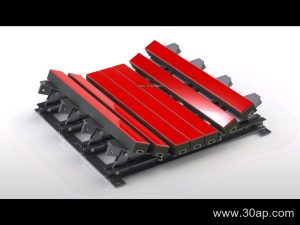
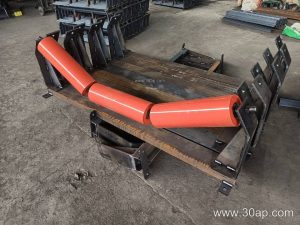
A high impact resistant idler is a heavy-duty conveyor roller built to absorb the shock of large, sharp or fast-falling material at transfer points. Instead of a plain steel shell, it usually carries rubber rings, rubber discs or a reinforced rubber surface that cushions the load before it reaches the belt. In a quarry, a limestone mine or a primary crushing station, the difference between a standard carrying idler and an impact idler is often measured in belt life and downtime. The conveyor belt takes the hit first, but the idler underneath decides how much of that energy is passed on to the frame, the bearings and the belt cover.
How the Idler Is Built
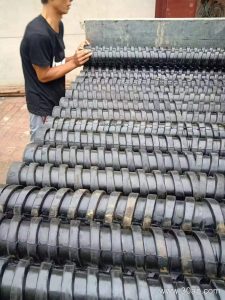
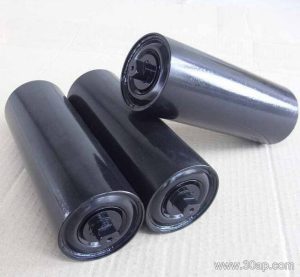
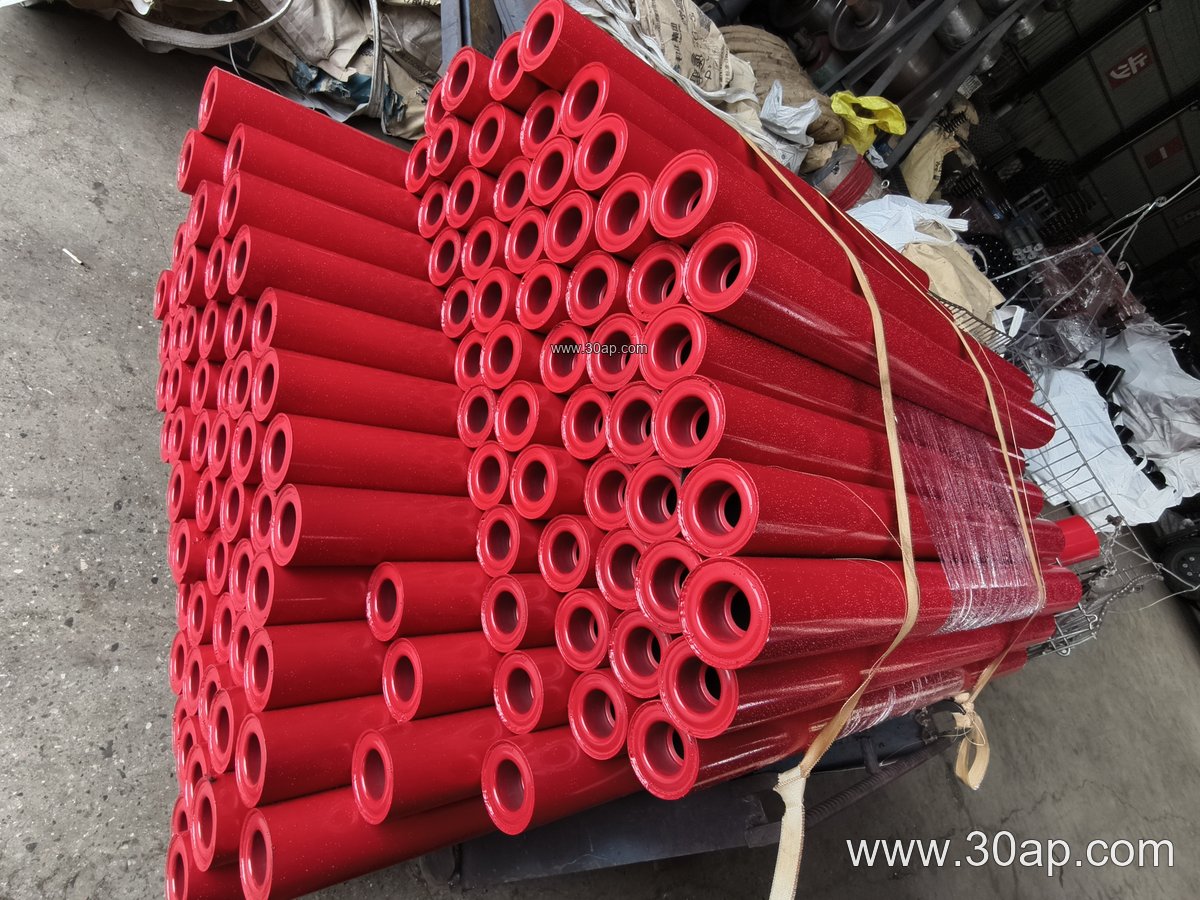
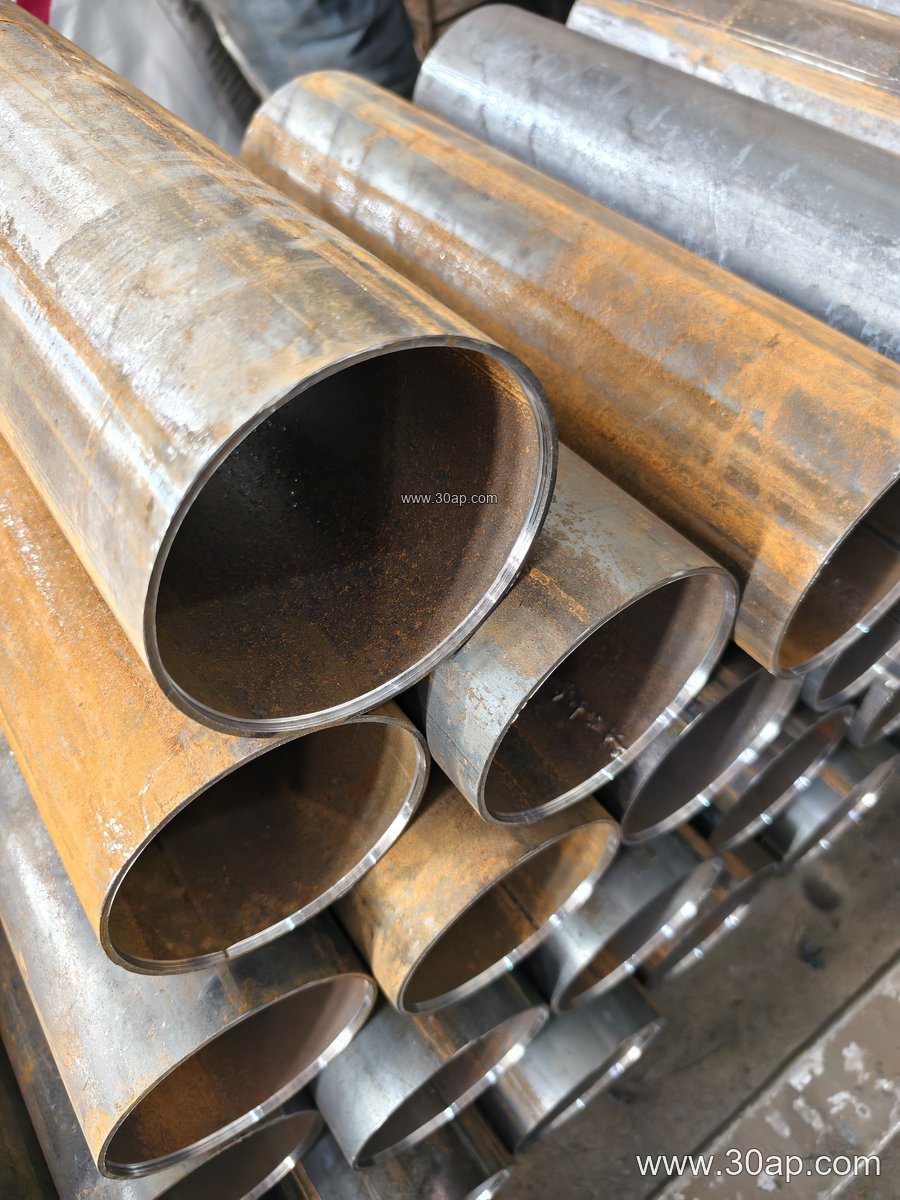
The core is normally a steel tube fitted with sealed bearing housings, a shaft and a bracket connection. What makes the high impact resistant idler different is the outer surface. Rubber rings are mounted along the roller body, sometimes in a staggered pattern, so the falling rock meets a flexible face rather than a hard steel cylinder. The rubber grade is usually chosen for abrasion resistance and rebound, and the ring spacing is set so that the belt is supported between rings as well. Bearings are commonly 6205, 6305 or 6306 in this class, but the exact bearing should follow the shaft and load design rather than a single rule. Seals matter here too, because dust from a crusher or a sand and gravel line will find any weak point.
Where It Fits on the Conveyor
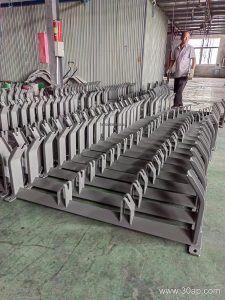
The usual position is the loading zone, directly under the chute or the crusher discharge, where a heavy-duty conveyor belt receives lump material. In a coal handling system, a power plant coal yard or a cement plant, the impact idler is often used together with a skirted conveyor belt or a corrugated sidewall conveyor belt to keep material centered. A typical arrangement uses three-roll troughing sets at 30 or 35 degrees, with impact idlers in the first few positions and standard carrying idlers further along. A conveyor pulley at the drive end and a bend pulley at the take-up end are separate components and are not interchangeable with idlers. The same applies to the tail pulley. The impact idler is a roller, not a pulley, and it is selected as part of the idler group, not as a replacement for a drum.
Common Sizes and Arrangements
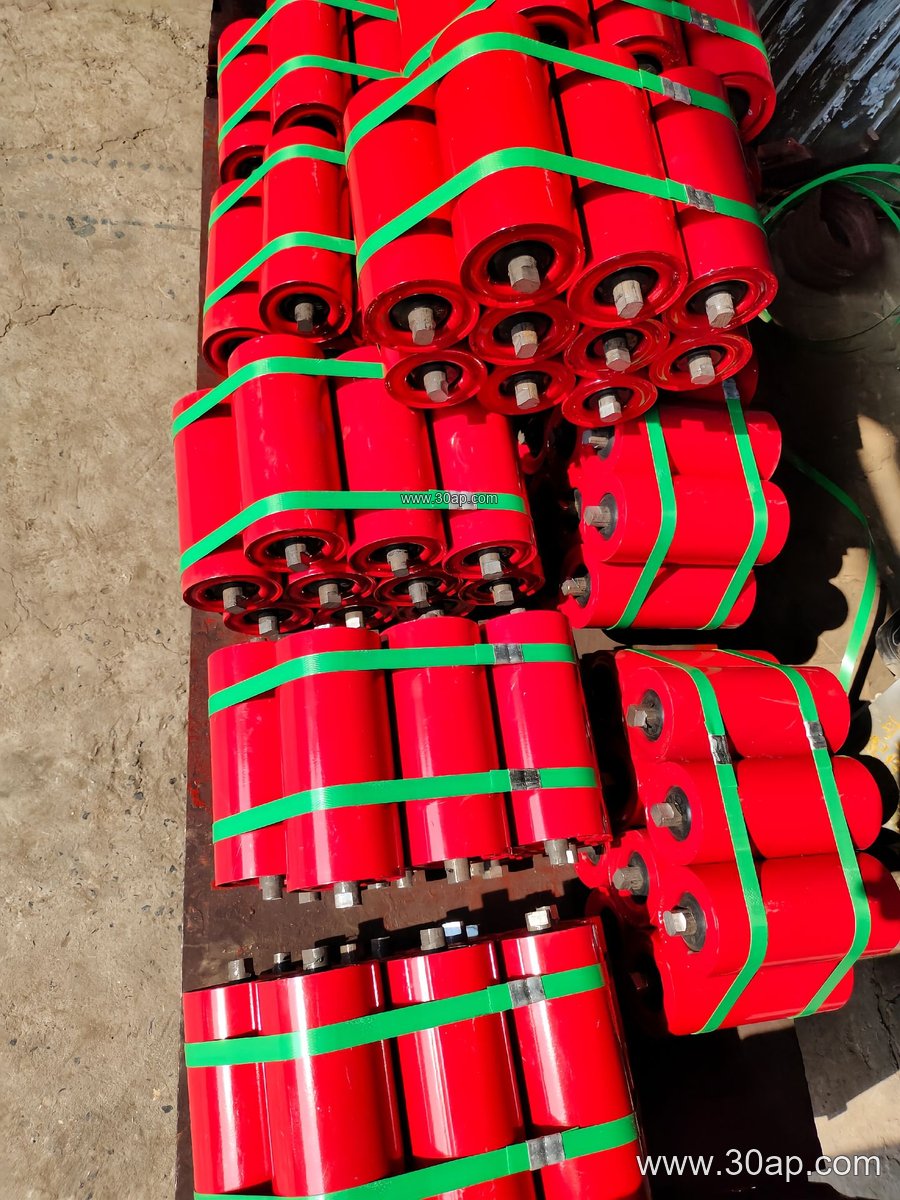
Impact idlers follow the belt width and the trough angle. The table below gives common reference values, not fixed matches. Roll length changes with belt width and with the three-roll arrangement, and side rolls can differ from the center roll.
| Belt width | Common roll length for three-roll troughing | Typical trough angle |
|---|---|---|
| B500 | about 200 mm | 20 to 35 degrees |
| B650 | about 250 mm | 20 to 35 degrees |
| B800 | about 315 mm | 30 to 35 degrees |
| B1000 | about 380 mm | 30 to 35 degrees |
| B1200 | about 465 mm | 30 to 35 degrees |
| B1400 | about 530 mm | 30 to 35 degrees |
| B1600 | about 600 mm | 30 to 35 degrees |
| B1800 | about 670 mm | 30 to 35 degrees |
| B2000 | about 750 mm | 30 to 35 degrees |
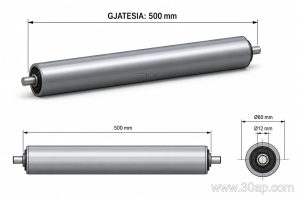
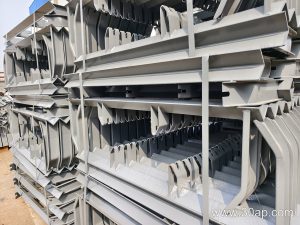
Roller diameters for this duty commonly include 102 mm, 108 mm, 127 mm, 133 mm, 159 mm and 178 mm, with larger diameters used where lump size and drop height are high. A 45 degree trough is sometimes used in narrow transfer points, but it changes the belt contact and should be checked against the belt specification. The idler is mounted on a conveyor bracket or frame that must match the roll length and the shaft end type.
Buyer Notes
Ask for the drop height, the maximum lump size and the belt speed before choosing an impact idler. A high impact resistant idler with rubber rings is not the same as a spiral return roller or a plain training idler, and it should not be used as a substitute for a return idler in the carry-back zone. Check that the rubber rings are properly bonded and that the bearing seals suit the dust level. In a copper ore or iron ore line, the abrasive load may call for a high abrasion resistant conveyor belt together with the impact idler, while a coal mining conveyor belt may also need flame retardant properties. For more on matching rollers, belts and pulleys, see the conveyor components section at www.conveyorbeltparts.com. The idler is a small part of the total conveyor cost, but at the loading point it protects the most expensive part, the belt.