What a High-Capacity Conveyor Idler Has to Do
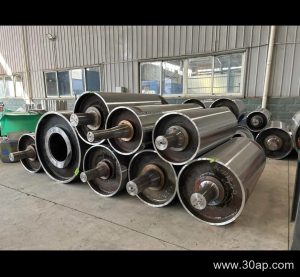
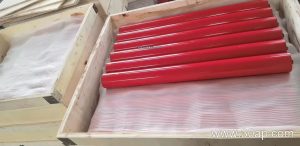
A high-capacity conveyor idler is the rotating support under a loaded belt on a system that moves large tonnages or very dense material. In a quarry, a coal preparation plant or a power station coal yard, the difference between an ordinary idler and a heavy-duty roller shows up in bearing life, shell wear and how often maintenance crews have to stop the line. The job is simple to describe: carry the belt and its load with low rolling resistance while keeping the belt trained and the material contained.
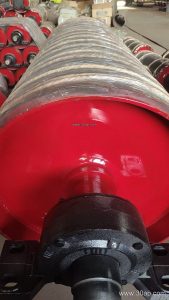
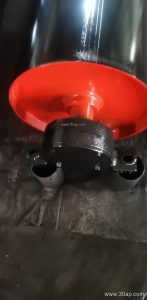
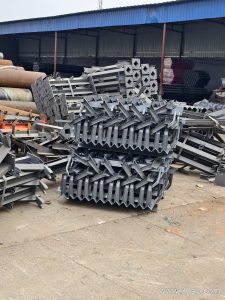
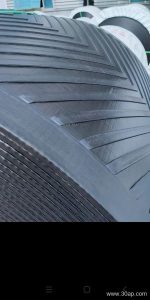
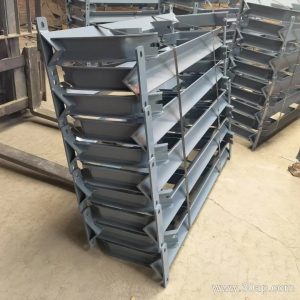
The idler works together with the conveyor belt, the conveyor pulley at the head and tail, and the conveyor bracket that fixes the station to the frame. None of these parts is a substitute for another. A bend pulley does a different job from a carrying idler, and a drive pulley does not train a belt the way a self-aligning roller does.
Construction Details That Matter Under Load
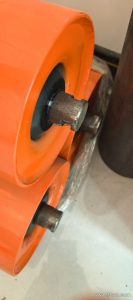
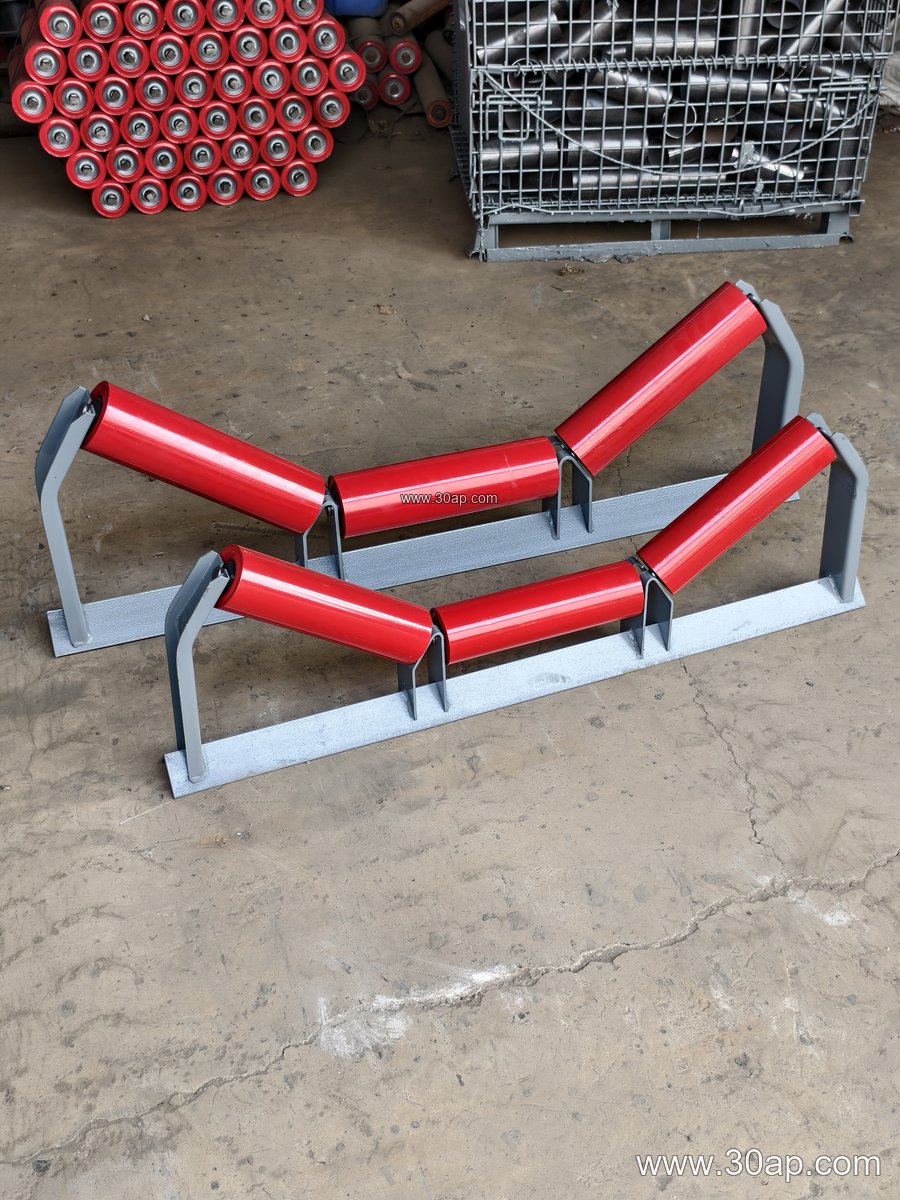
Most high-capacity conveyor idlers use a steel tube shell, pressed end caps, a sealed bearing housing and a through shaft. Roller diameter is chosen against belt width, belt speed and load, not by a single fixed rule. Common diameters in heavy service include Ø133, Ø159, Ø178, Ø194 and Ø219 mm, while smaller lines may run Ø89, Ø102, Ø108 or Ø127 mm. The shell may be plain steel, nylon-coated, ceramic-covered or fitted with rubber rings where impact is severe.
Bearings are usually deep-groove ball or tapered roller types. Sizes such as 6205, 6306, 6308 or 6310 appear in different idler families, and a given bore is not tied to one roller diameter. The seal arrangement deserves close attention: triple labyrinth seals with grease retention are common in dusty service, and the grease fill should match the manufacturer’s instruction rather than guesswork.
Common Reference Data
| Item | Typical range | Notes |
|---|---|---|
| Roller diameter | Ø63 to Ø219 mm | Heavier loads favour larger diameters |
| Belt width | B400 to B2400 | B1000, B1200 and B1400 are common in aggregate and coal lines |
| Trough angle | 20°, 30°, 35°, 45° | Deeper troughs suit wider belts and free-flowing bulk |
| Roller length, three-roll trough | About 200 mm at B500 up to about 750 mm at B2000 | Side and centre rolls can differ; confirm by design |
| Bearing bore | 6204, 6205, 6305, 6306, 6308, 6310 | Matched to load and shaft, not to belt width alone |
These values are reference points from general practice. Final dimensions follow the conveyor design, belt tension and material density.
Where High-Capacity Idlers Are Used
Heavy carrying idlers appear on overland lines at a limestone quarry, on the main haulage belt in an iron ore or copper ore operation, and in cement plant raw-material conveying. Coal mining conveyor belts and underground coal mining conveyor belts also rely on robust idler stations, often with flame retardant and anti-static belt constructions above them. In a port or ship loading terminal, long belts run at high speed and idler quality directly affects power draw.
On the belt side, the pairing matters. A steel cord conveyor belt or a high-strength EP conveyor belt carries more tension and often needs larger roller diameters and closer station spacing than a light fabric core conveyor belt. Abrasion resistant conveyor belts handling crushed rock put more grit into the seal area, so sealing quality is as important as shell thickness. Where material is wet or sticky, a self-aligning or friction self-aligning idler can reduce spillage caused by belt misalignment. Visit our site for conveyor idler and conveyor roller references at www.example.com/high-capacity-conveyor-idler.
Matching the Idler to the Station
The carrying side is usually a three-roll trough set, sometimes a two-roll set on narrower belts. Impact zones below a crusher discharge benefit from impact idlers with rubber rings, while the return side may use a flat return roller or a V-return idler to keep the belt centred. Transition idlers ease the belt from flat to troughed profile near the head and tail pulleys.
- Trough angle affects material cross-section and spillage.
- Roller spacing is set by belt sag limits, not by habit.
- Forward lean of about 1.5° to 2° is used on training idlers, not on every station.
- Bracket height and hole pattern must suit the frame.
A common mistake is to specify a large roller diameter and assume it solves every problem. Load per idler, belt speed, ambient temperature and dust level all interact. In a sinter plant or a heat-affected zone, heat resistant conveyor belts and heat-resistant idler sealing may both be needed. In a cold climate, cold resistant conveyor belts and low-temperature grease go together.
Buyer Checklist
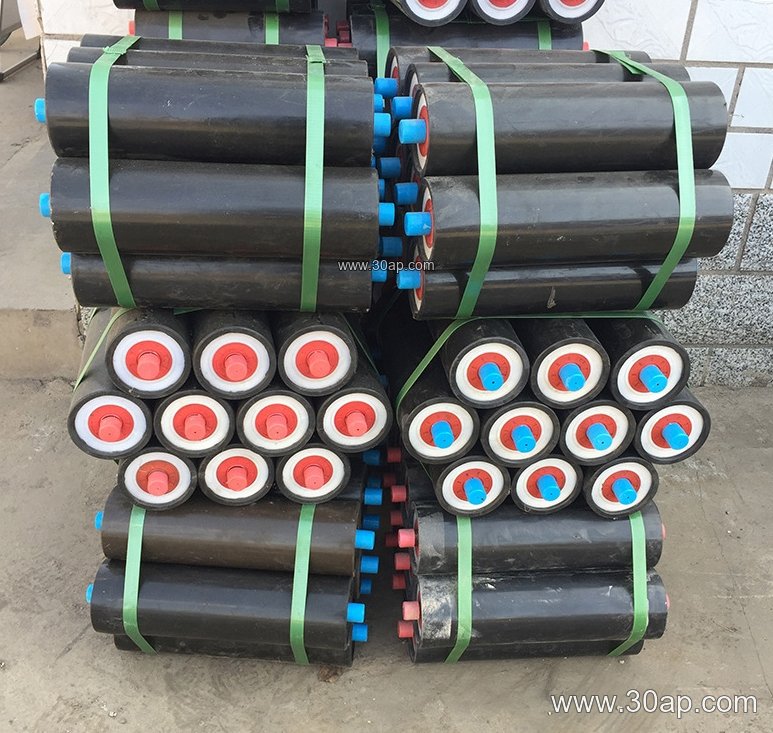
Before ordering, confirm belt width, belt type, trough angle, roller diameter, shaft diameter, bearing size, seal class and bracket dimensions. Ask how the roller is balanced and how the end caps are welded or pressed. Check whether the supplier can match the existing station geometry, because a high-capacity conveyor idler that does not fit the bracket creates downtime. For aggregate and mining conveyor belt projects, request the drawing with tolerances rather than a generic catalogue page.
Keep spare rollers for the highest-wear positions: impact zones, head-area transition and any station that has failed before. Track replacement intervals by position, and inspect seals during each shutdown. A well-chosen idler is a low-cost part that protects an expensive belt, so the specification deserves the same care as the pulley and drive selection. More reference material on idler rollers and conveyor brackets is available at www.example.com/conveyor-idler-roller and www.example.com/conveyor-bracket.