What a Heavy-Load Conveyor Pulley Does
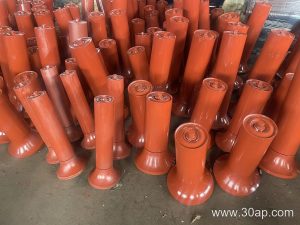
A heavy-load conveyor pulley is the robust drum that transmits power and controls belt path on high-capacity conveying systems. Unlike a standard-duty pulley, it is engineered for continuous operation under high tension and impact, often in primary crushing circuits, ship loading, and ore transfer. The pulley works together with the conveyor belt, idler rollers, and conveyor brackets to keep material moving reliably. In a quarry or a steel plant, the difference between a standard pulley and a heavy-load conveyor pulley often shows up in uptime and belt life.
Construction and Key Components
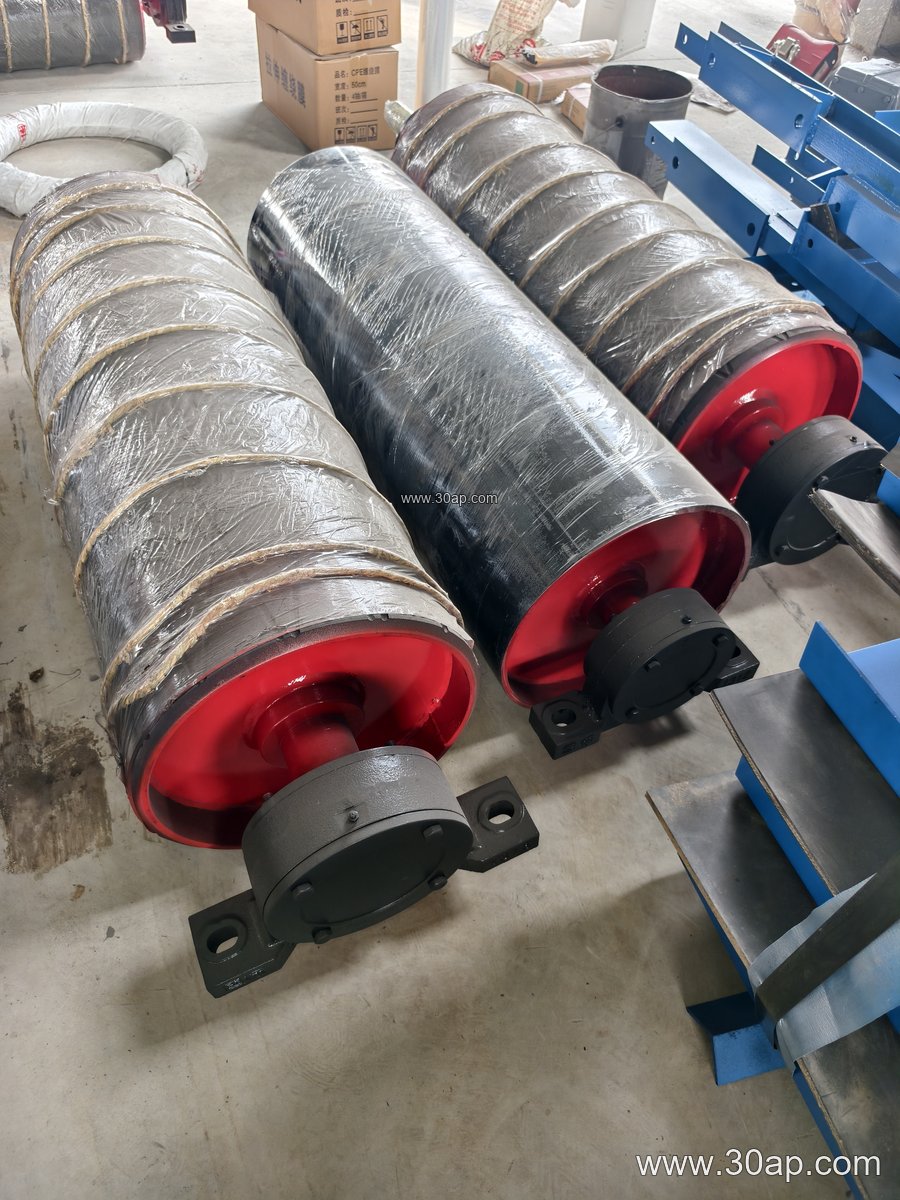
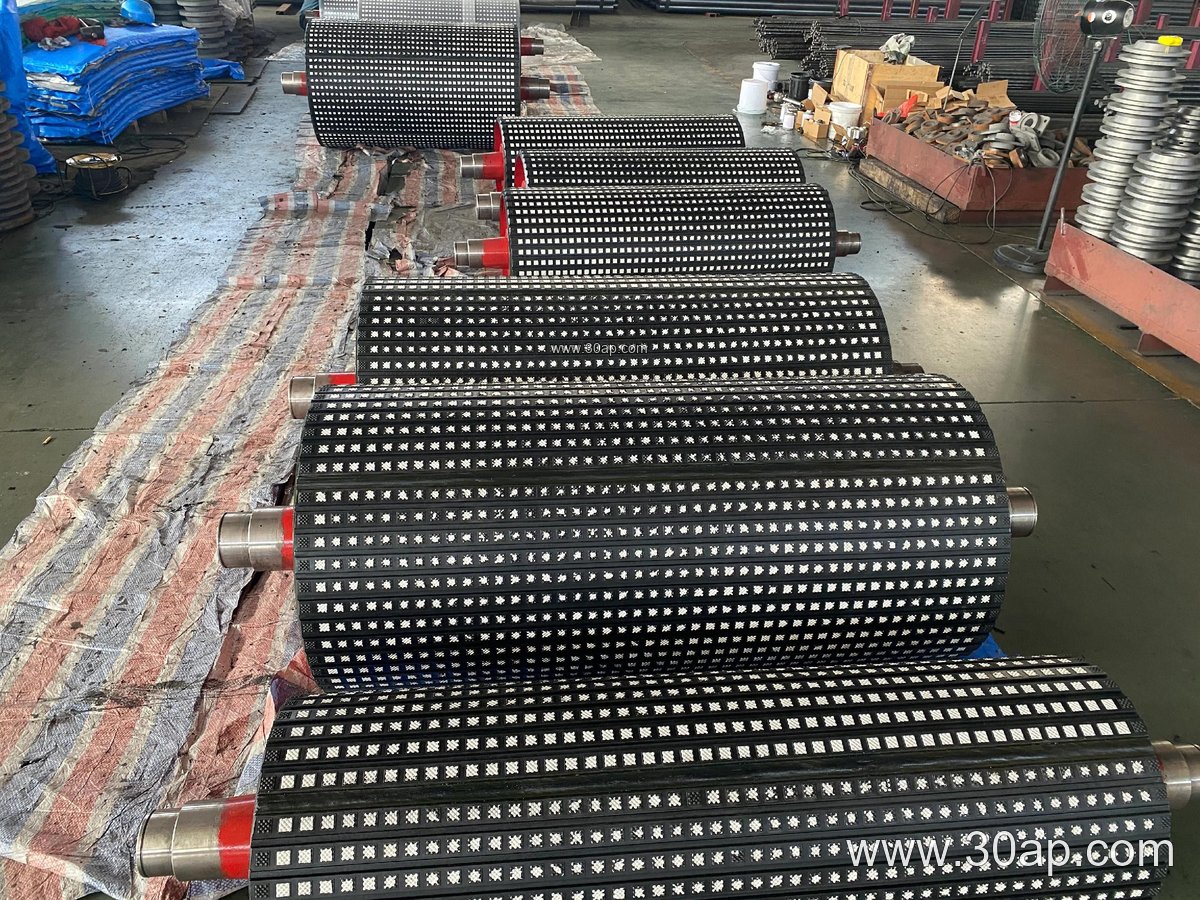
A heavy-load conveyor pulley typically combines a thick-walled steel shell, reinforced end discs, and a heavy shaft sized by torque and radial load. The shell may be machined for balance and fitted with lagging to improve grip. Common surface forms include plain, cast rubber, cold-bonded rubber, hot-vulcanized rubber, diamond lagging, herringbone lagging, and ceramic lagging. Lagging thicknesses of 8, 10, 12, 15, or 20 mm are frequently used depending on the duty. The shaft diameter is not selected from belt width alone; it is determined by the actual torque and load. Typical shaft sizes range from Ø50 to Ø200 mm, but each project is calculated individually.
Where It Fits in the Conveyor
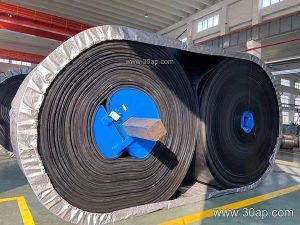
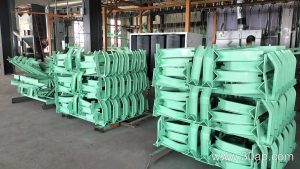
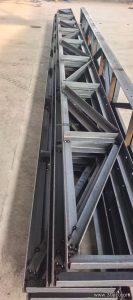
Although drive, tail, and bend pulleys are not interchangeable names, a heavy-load conveyor pulley can appear in several positions. It is most often the drive pulley at the head, but heavy-duty tail pulleys and tension pulleys also fall into this category when loads are high. In a coal mining conveyor system, the drive pulley may be paired with a flame retardant conveyor belt and impact idler rollers at the loading point. In a cement plant, a heavy-load pulley on the clinker belt might use heat resistant conveyor belt and ceramic lagging to handle hot, abrasive material. The same pulley concept appears in port bulk terminals and aggregate lines, where a heavy-duty mining conveyor belt runs over large pulleys and troughing idlers.
Sizing and Configuration Notes
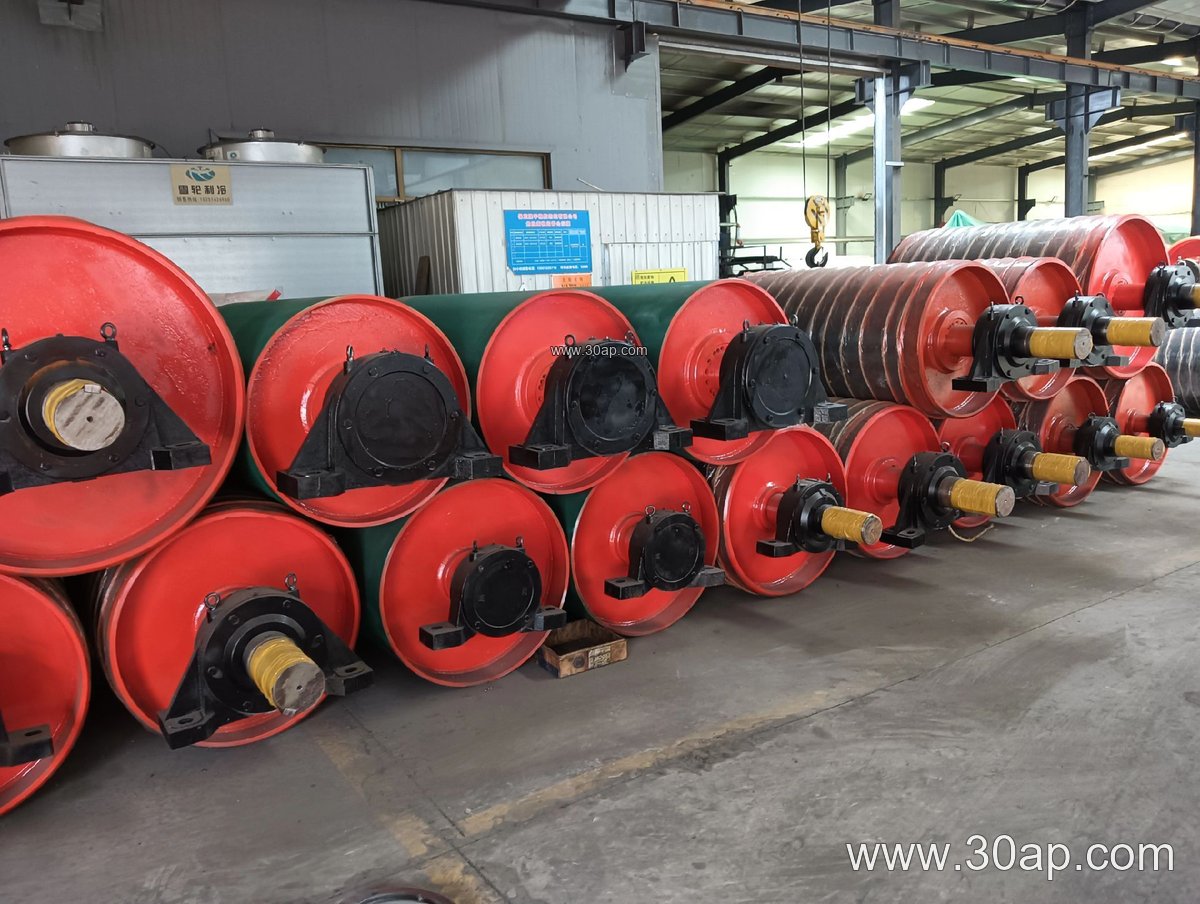
Belt width and pulley diameter are related but not fixed pairs. A B800 system might use a Ø500 pulley, while a B1200 conveyor could require Ø1000 or larger depending on tension and wrap angle. The pulley face width is usually greater than the belt width; for example, B800 often uses about 950 mm face, and B1200 about 1400 mm. The table below shows common reference combinations, not universal rules.
- B400 – face approx. 500 mm – typical diameter Ø200 to Ø315
- B650 – face approx. 750 mm – typical diameter Ø315 to Ø500
- B800 – face approx. 950 mm – typical diameter Ø400 to Ø630
- B1000 – face approx. 1150 mm – typical diameter Ø500 to Ø800
- B1200 – face approx. 1400 mm – typical diameter Ø630 to Ø1000
- B1400 – face approx. 1600 mm – typical diameter Ø800 to Ø1250
- B1600 – face approx. 1800 mm – typical diameter Ø1000 to Ø1400
- B1800 – face approx. 2000 mm – typical diameter Ø1250 to Ø1600
Larger diameters reduce belt bending stress and can improve tracking, but they also increase cost and space requirements. The final selection should consider belt tension, speed, lagging type, and the load profile of the conveyor.
Buyer Checklist
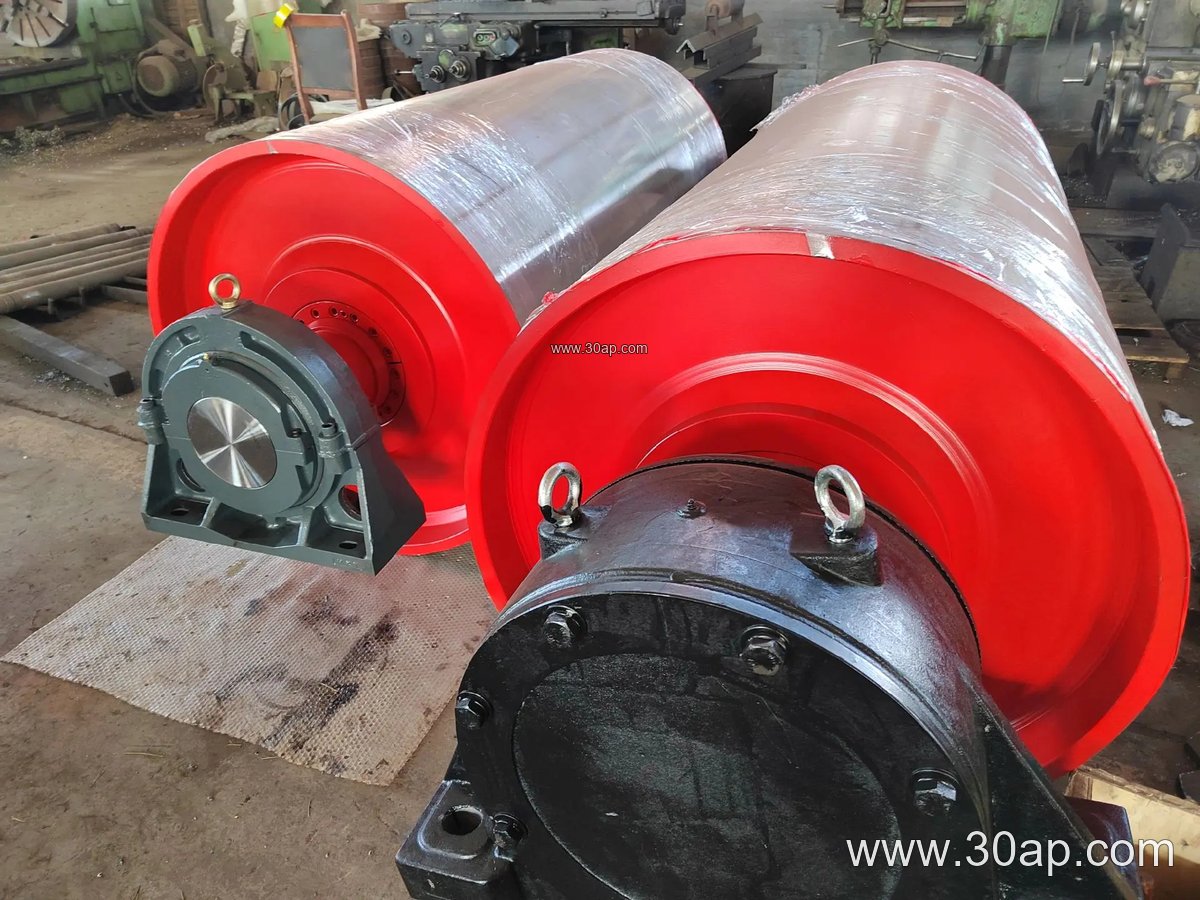
Before ordering a heavy-load conveyor pulley, confirm the belt width, pulley face width, shaft diameter, lagging type and thickness, and the intended position (drive, tail, or tension). Check that the pulley is balanced for the operating speed and that the lagging matches the material: abrasive ore may call for ceramic or diamond lagging, while oily or wet conditions may need rubber with grooves. Ask for the shaft material and bearing size, and ensure the pulley bracket or conveyor bracket interface is defined. For systems using an EP conveyor belt or a steel cord conveyor belt, the pulley diameter and lagging should be reviewed against the belt manufacturer’s recommendations to avoid excessive bending stress. A heavy-load conveyor pulley is a long-term investment, so matching it to the actual duty rather than a nominal belt width is the safest approach.
Maintenance and Longevity
Regular inspection of lagging wear, shaft alignment, and bearing condition helps prevent unplanned stops. In dusty environments such as a lime kiln or a crushing plant, keeping the pulley surface clean and checking for belt slippage extends both pulley and belt life. When lagging wears unevenly, re-lagging may be more economical than replacing the entire pulley. Keep records of shaft diameter and lagging thickness so replacement parts match the original design.