What a Ceramic Rubber Lagged Pulley Is
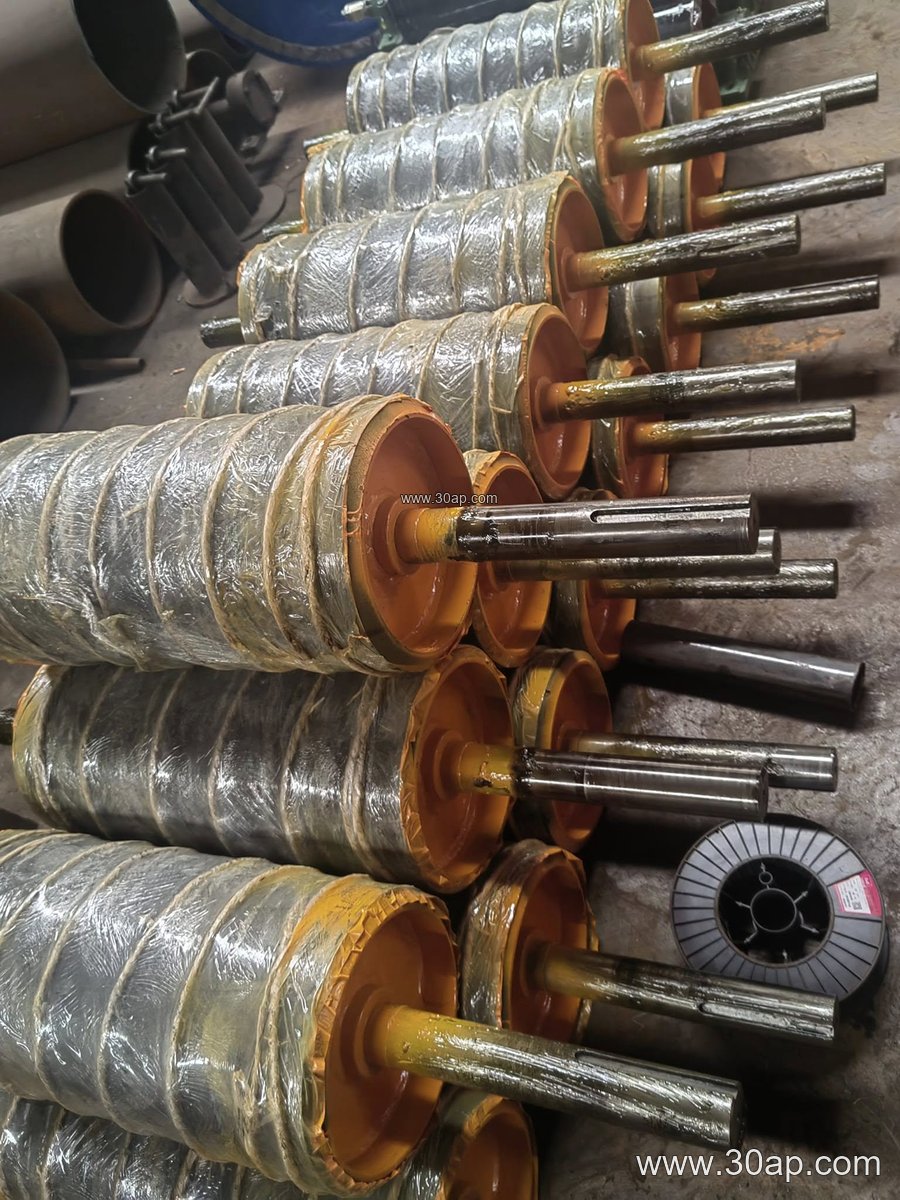
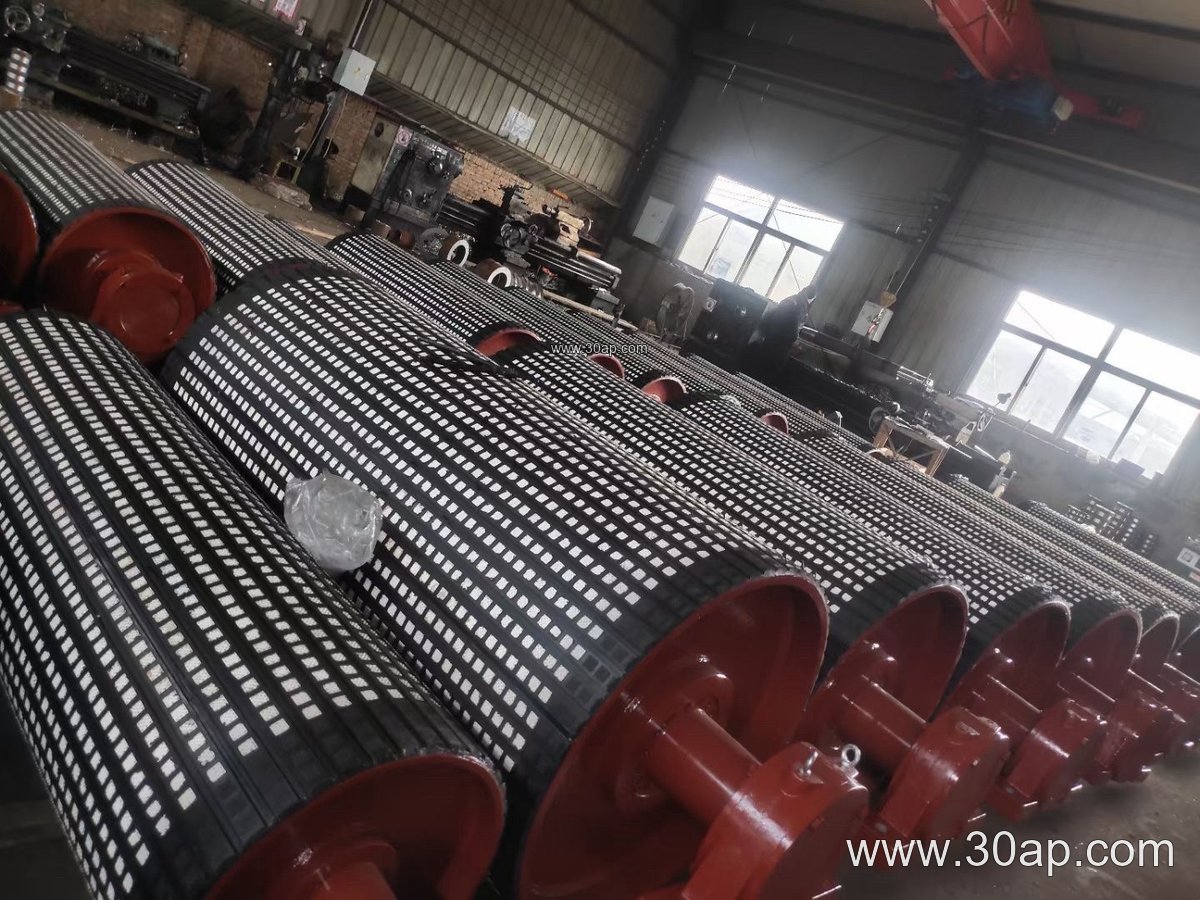
A ceramic rubber lagged pulley is a conveyor pulley whose shell is covered with a rubber layer embedded with ceramic tiles. The rubber provides flexibility and grip, while the ceramic studs stand slightly proud of the surface and bite into the belt. This combination is chosen where a plain rubber lagging would wear too fast or lose traction. In many plants the same component is simply called a ceramic lagged drum or ceramic lagging pulley, and those names refer to the same product.
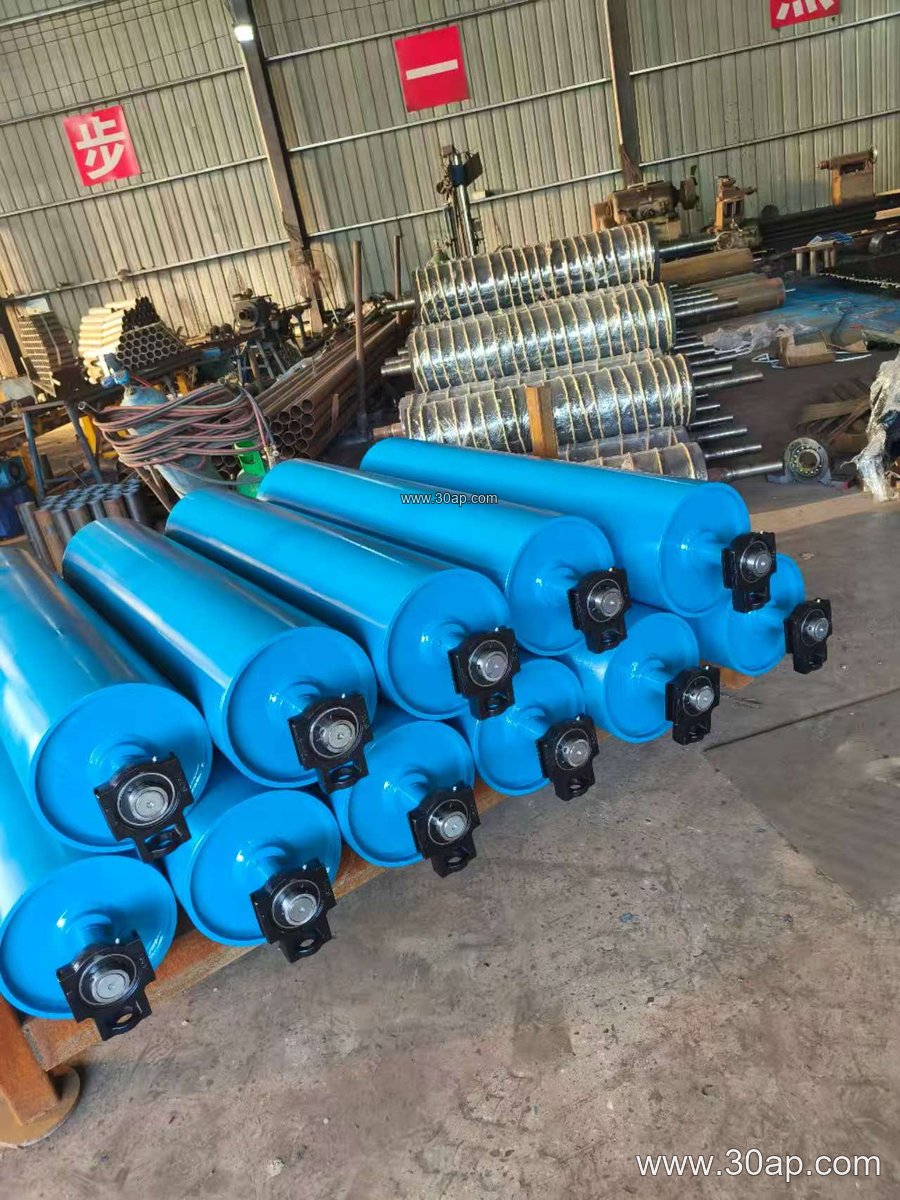
The pulley itself is a welded steel shell with end discs and a shaft, fitted with bearings and bearing housings. Lagging is applied to the shell face, usually as tiles bonded with a cold-vulcanized or hot-vulcanized rubber sheet, and finished with edge strips to protect the bond line. Diamond or herringbone patterns can be molded into the rubber between the ceramic elements, but the ceramic studs remain the load-bearing contact points.
How the Ceramic Surface Works
Traction comes from two effects. First, the rubber compresses under belt tension and fills small gaps. Second, the ceramic tiles create a high-friction, wear-resistant surface that resists polishing and glazing. In wet or dusty conditions, the raised pattern gives water and fines somewhere to escape, which helps keep the coefficient of friction more stable than a smooth rubber face.
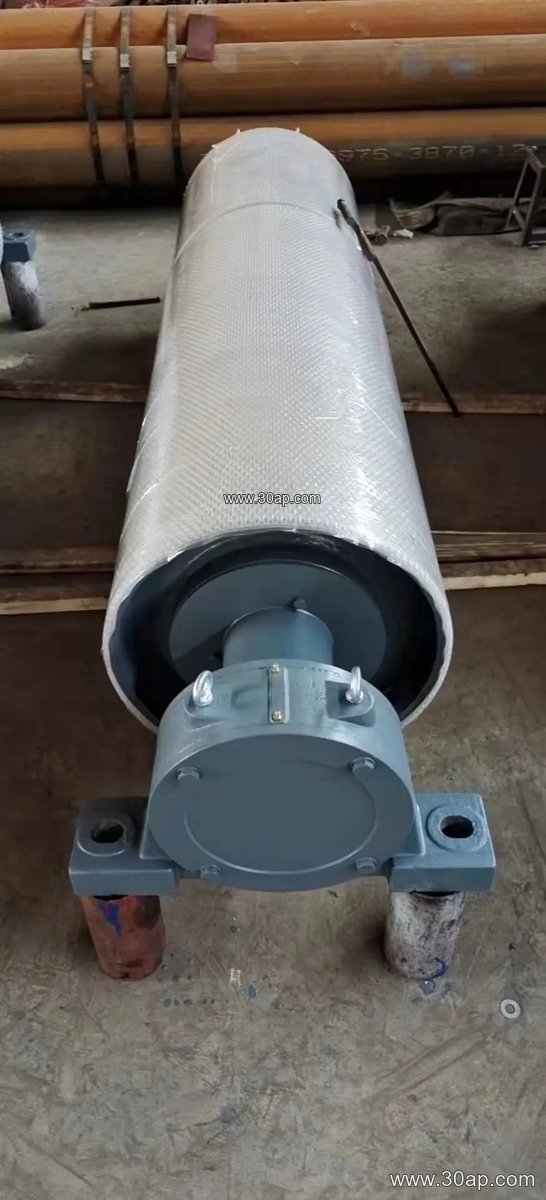
Ceramic lagging is harder than rubber, so it is not the right choice for every position. On a drive pulley handling a heavily contaminated belt, the grip advantage is real; on a small bend pulley with a light load, a plain rubber or bare steel face may be enough. The decision should follow belt tension, wrap angle, environmental conditions and expected service life.
Where It Fits in a Conveyor
Ceramic lagged pulleys are most often specified for drive positions and for other high-traction locations. A typical arrangement in a quarry or aggregate line uses a ceramic lagged drive pulley at the head, a rubber lagged tail pulley and several bend pulleys along the return run. In a coal handling plant or power plant coal yard, the same logic applies where dust and moisture reduce grip.
They are also found in cement plants handling clinker, in iron ore and copper ore concentrators, and in port bulk terminals. A conveyor pulley with ceramic lagging is not a substitute for correct belt selection: an abrasion resistant conveyor belt or a heavy-duty mining conveyor belt may be needed at the same time, because lagging protects the pulley while the belt cover protects the carcass.
Common Build Options and Reference Sizes
The table below lists typical reference values. They are not fixed combinations, and final dimensions depend on conveyor design, torque and belt width.
| Item | Common reference values |
|---|---|
| Belt width | B500, B650, B800, B1000, B1200, B1400, B1600, B1800, B2000 |
| Pulley diameter | Ø250, Ø315, Ø400, Ø500, Ø630, Ø800, Ø1000, Ø1250, Ø1400 |
| Lagging thickness | 8, 10, 12, 15, 20 mm |
| Shaft diameter | Ø60, Ø80, Ø100, Ø120, Ø140, Ø160, Ø180, selected by torque and load |
| Face width | Usually wider than belt width, e.g. B800 with about 950 mm face, B1200 with about 1400 mm face |
Combinations such as B800 × Ø500 or B1200 × Ø1000 appear in real projects, but no single belt width locks a pulley to one diameter. Shaft size is always a design result, not a rule taken from belt width.
Buyer Checklist
- Confirm the pulley position: drive, tail, bend or take-up. Each has different traction and wear demands.
- State belt width, belt type and belt tension so the supplier can size the shell and shaft.
- Specify lagging thickness and ceramic tile pattern, and ask how the tiles are bonded.
- Check bearing type, housing fit and whether the pulley is supplied balanced.
- Match the pulley to the belt: a steel cord conveyor belt and an EP conveyor belt transmit tension differently, so the shaft and shell design should follow the actual belt.
- Plan inspection: worn or missing ceramic tiles should be replaced before the rubber underneath is damaged.
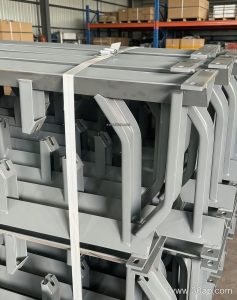
For spare parts planning, keep the pulley drawing, shaft diameter and lagging specification on file. Related items such as the conveyor bracket and idler roller should be reviewed at the same time, since misalignment at the pulley affects the whole conveyor.
Maintenance Notes
Inspect the ceramic face for cracked or lifted tiles, especially at the edges. Keep the belt tracking straight, because edge loading concentrates wear on one side of the lagging. Clean buildup from the return side, and check that scrapers are not pressing too hard on the ceramic surface. When replacement is needed, match the new lagging thickness to the original so belt path and take-up travel stay within design range.