What Is a Trough Idler Bracket?
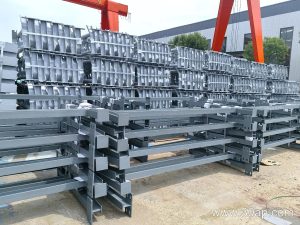
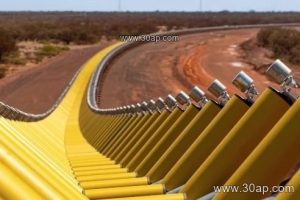
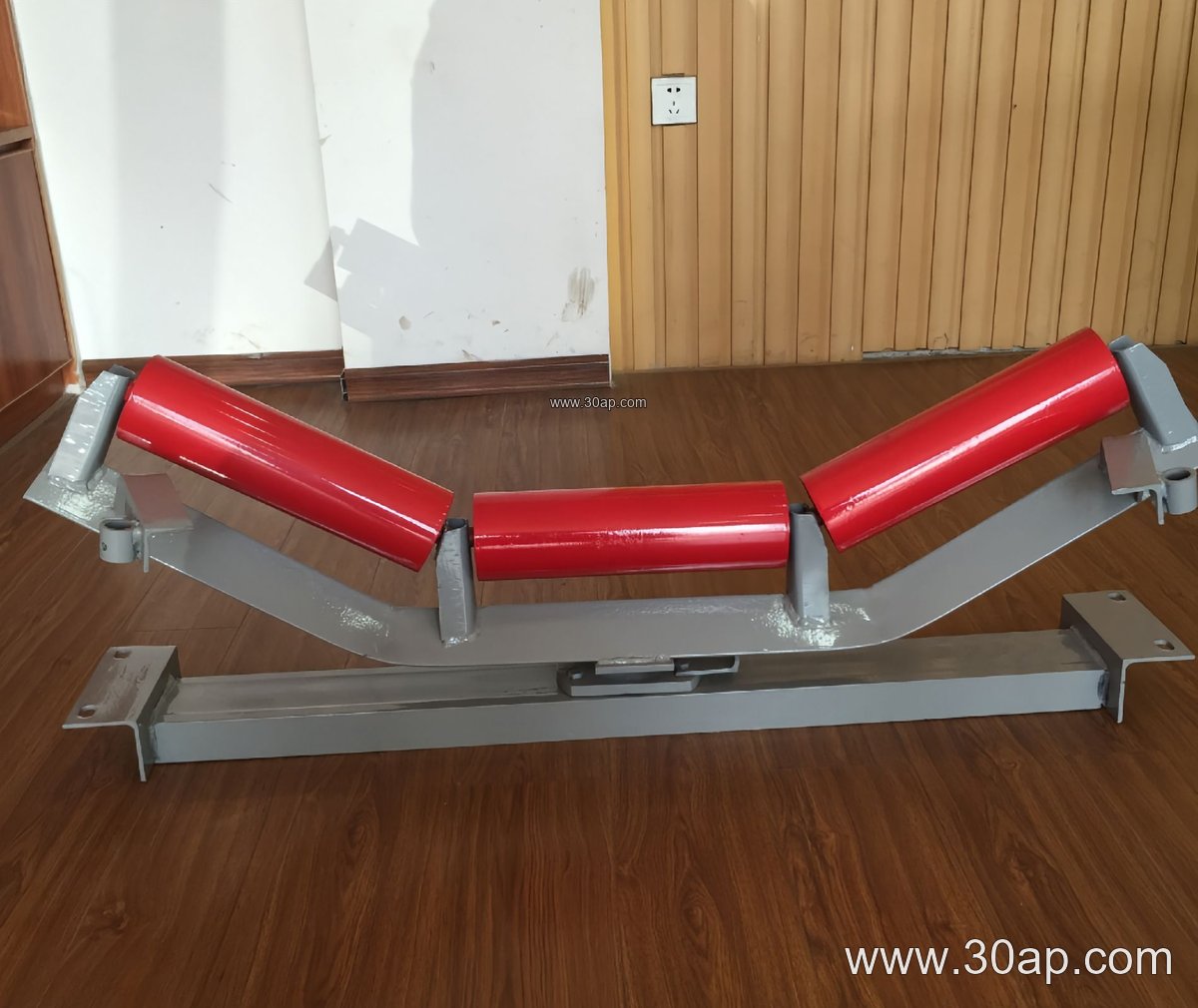
A trough idler bracket is the structural support that holds the angled idler rollers in a trough shape, guiding the conveyor belt as it carries bulk material. Often called a troughing idler support or troughing bracket, it is mounted on the conveyor frame and positions the idlers at a specific trough angle. This component is essential in industries such as mining, coal preparation, cement plants, power plant coal handling, and aggregate quarries, where reliable belt support directly affects material containment and belt life.
Construction and Materials
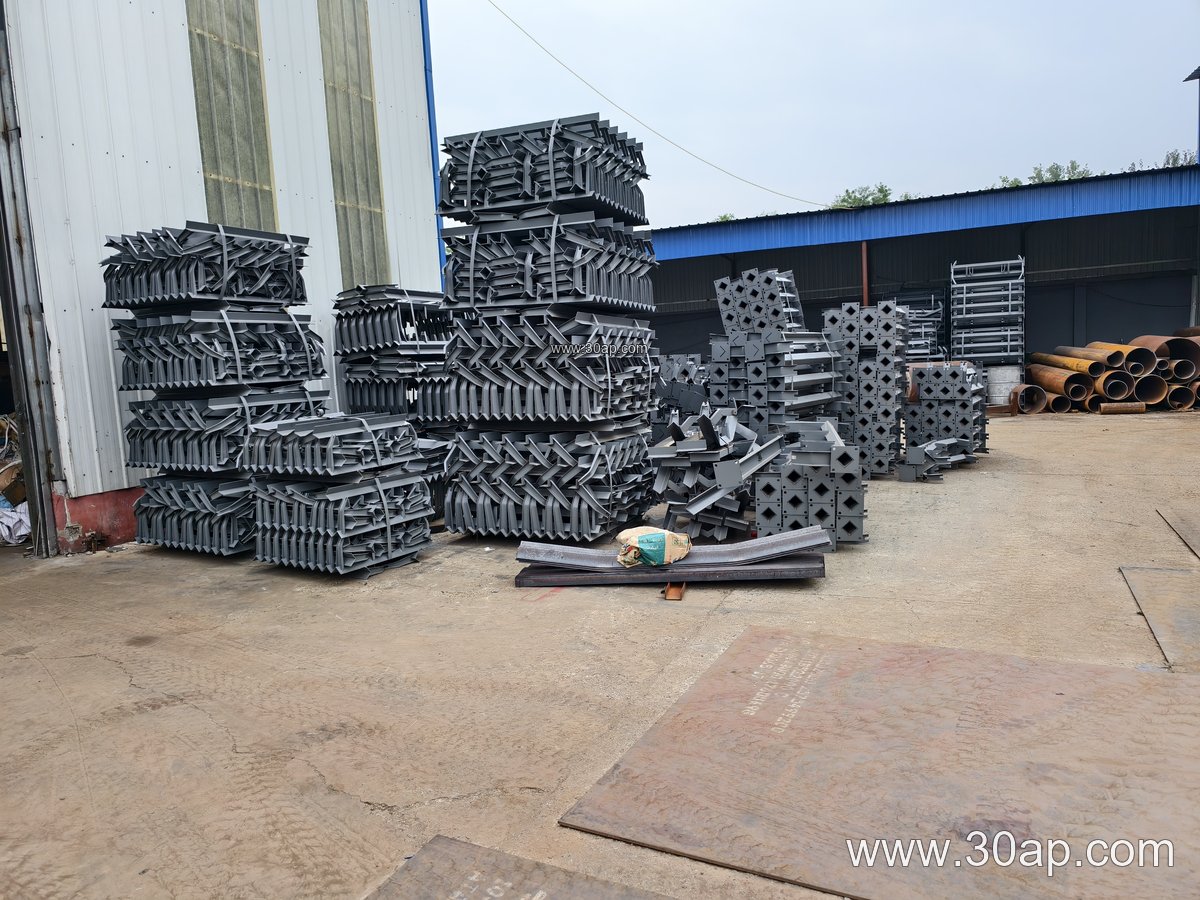
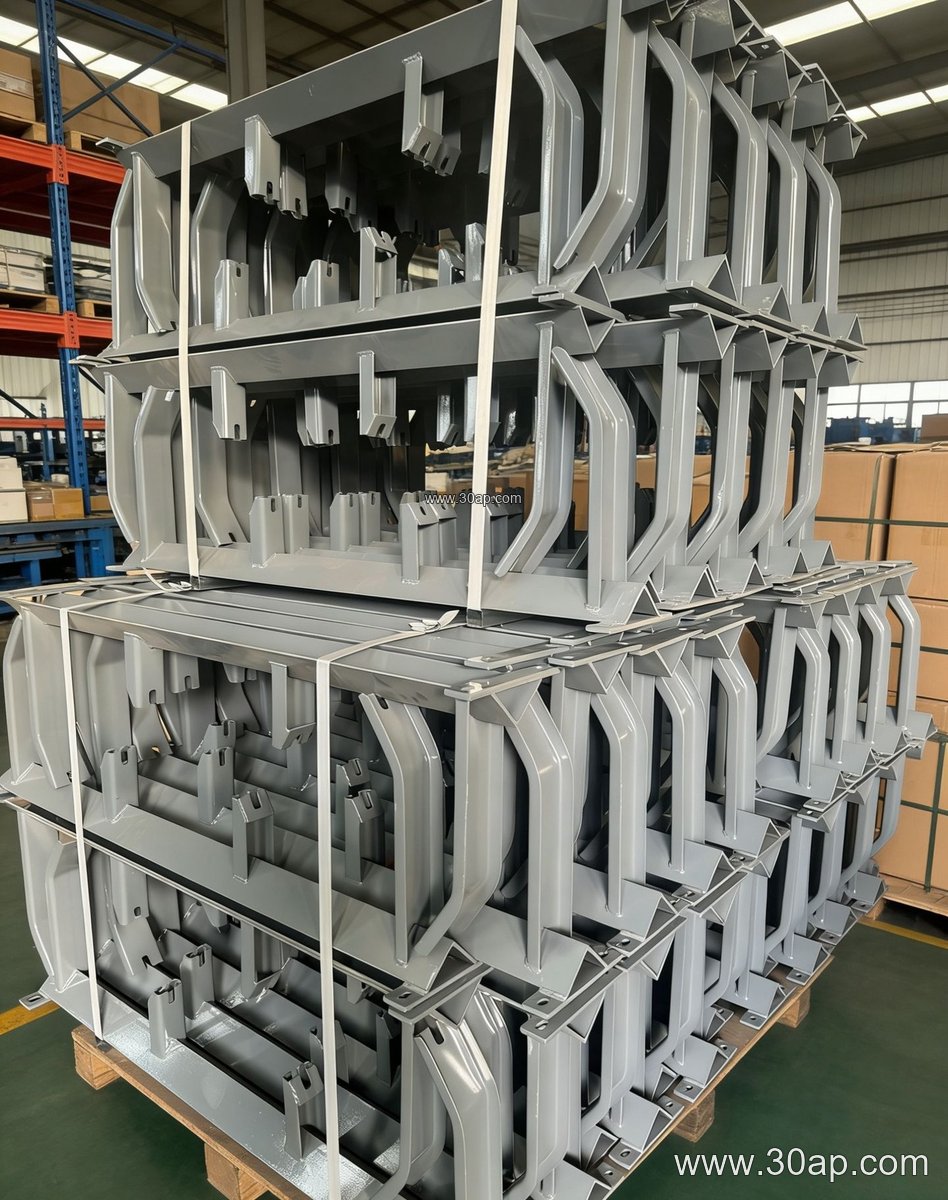
Trough idler brackets are typically fabricated from angle steel, channel steel, or bent steel plate. The choice of material and thickness depends on the load and belt width. Common manufacturing methods include welding and bolting, with slots or holes that allow for idler adjustment. For corrosive or dusty environments, surface treatments such as painting or galvanizing may be applied. The bracket must be rigid enough to resist the forces from the belt and material load without deformation.
Common Types and Parameters
Several bracket designs exist to suit different conveyor profiles. The table below lists typical reference data; actual dimensions depend on the conveyor design and should be confirmed with the manufacturer.
| Type | Typical Belt Width (B) | Common Trough Angle | Idler Diameter (Ø) |
|---|---|---|---|
| Standard troughing bracket | B500–B2200 | 20°, 30°, 35°, 45° | Ø89–Ø194 |
| Transition bracket | B800–B1800 | 20°–35° | Ø108–Ø159 |
| Adjustable bracket | B650–B1600 | 20°–45° (adjustable) | Ø89–Ø133 |
| Impact bracket (for loading points) | B800–B2000 | 30°–45° | Ø133–Ø194 |
Other variations include forward-tilted brackets (about 1.5° to 2° tilt) for belt training, and suspension brackets for special frame designs. The bracket’s mounting hole spacing and beam length vary with belt width and trough angle; they are not fixed values.
Where It Is Used
In a limestone quarry, for example, trough idler brackets support the conveyor belt carrying crushed rock. The brackets keep the belt in a trough shape, preventing spillage and improving capacity. Similarly, in a coal-fired power plant, these brackets are used on coal conveyors where flame retardant conveyor belt and anti-static properties are important. The bracket must match the idler roller diameter and belt width to ensure proper belt support.
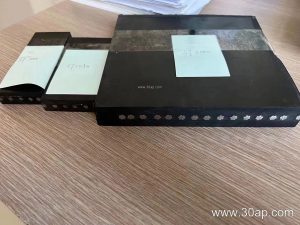
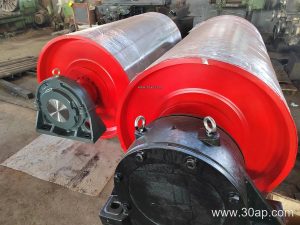
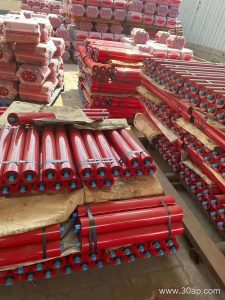
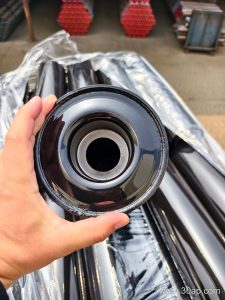
The bracket works together with the conveyor belt, idler roller, and conveyor pulley. Drive, tail, and bend pulleys are not interchangeable with idlers; each has a distinct role. Trough idler brackets are specifically for carrying idlers on the upper side, while return brackets support the belt on the return side.
Selection and Maintenance Tips
When selecting a trough idler bracket, consider the belt width, trough angle, idler diameter, and load conditions. Adjustable brackets allow fine-tuning of the trough angle to optimize material containment. For high-impact areas, impact brackets with reinforced construction are recommended. Regular inspection for wear, corrosion, or loose bolts helps maintain belt alignment and extend component life. Always refer to the conveyor design specifications and consult the bracket supplier for exact dimensions.
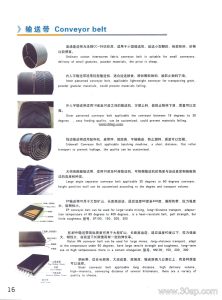
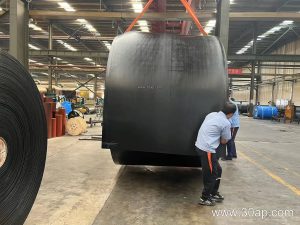
For reliable conveyor performance, pair quality brackets with appropriate conveyor belt products such as EP conveyor belt or steel cord conveyor belt, and ensure compatibility with idler rollers and pulleys.