Understanding the Coal Mine Conveyor Idler
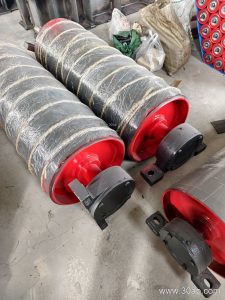
A coal mine conveyor idler is a critical component in any bulk material handling system, serving as the rotating support that carries the conveyor belt and its load along the entire length of the conveyor. In the demanding environment of a coal mine, these idlers must withstand abrasive dust, heavy loads, and often wet or corrosive conditions. Unlike the drive pulley that powers the belt or the tail pulley that provides tension, the idler roller is a passive but essential element that directly influences belt life and energy consumption. At www.bulk-conveyor-parts.com, we understand that selecting the right idler is key to minimizing downtime in coal mining, power plants, and cement plants.
Construction and Key Components
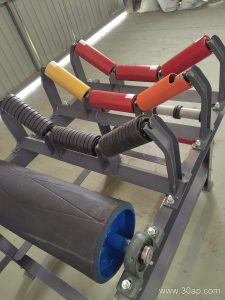
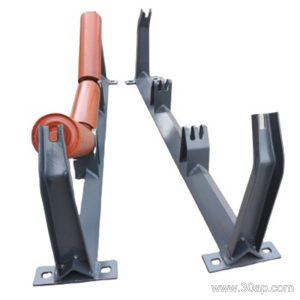
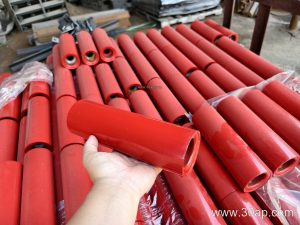
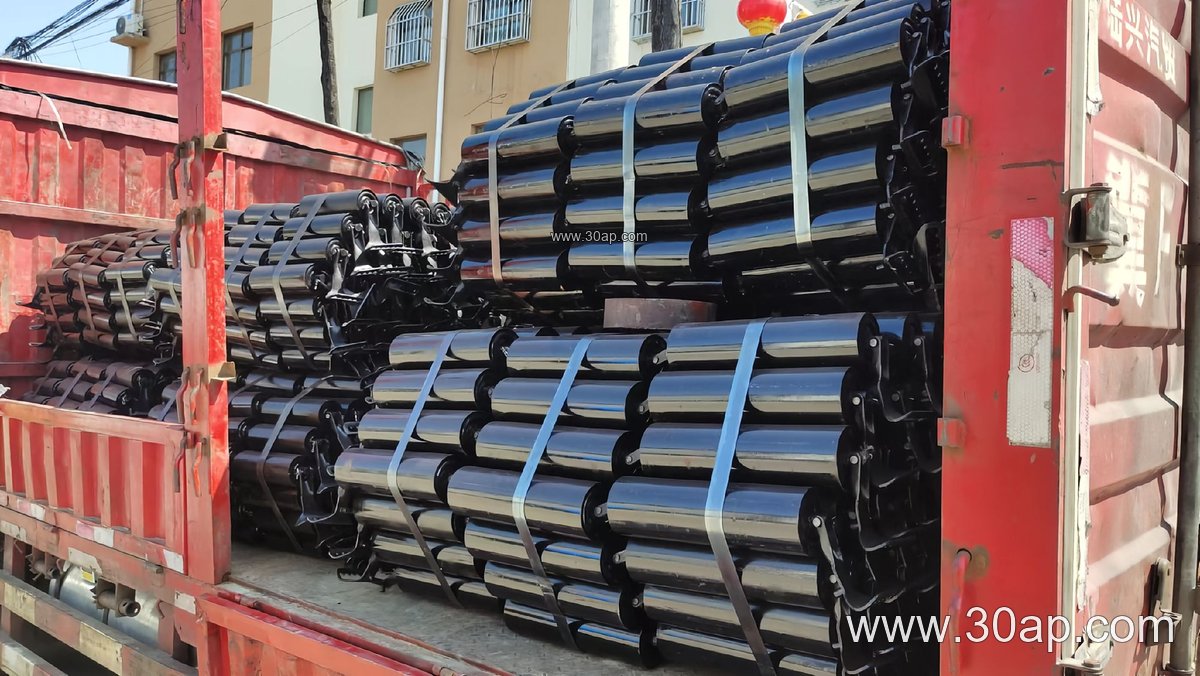
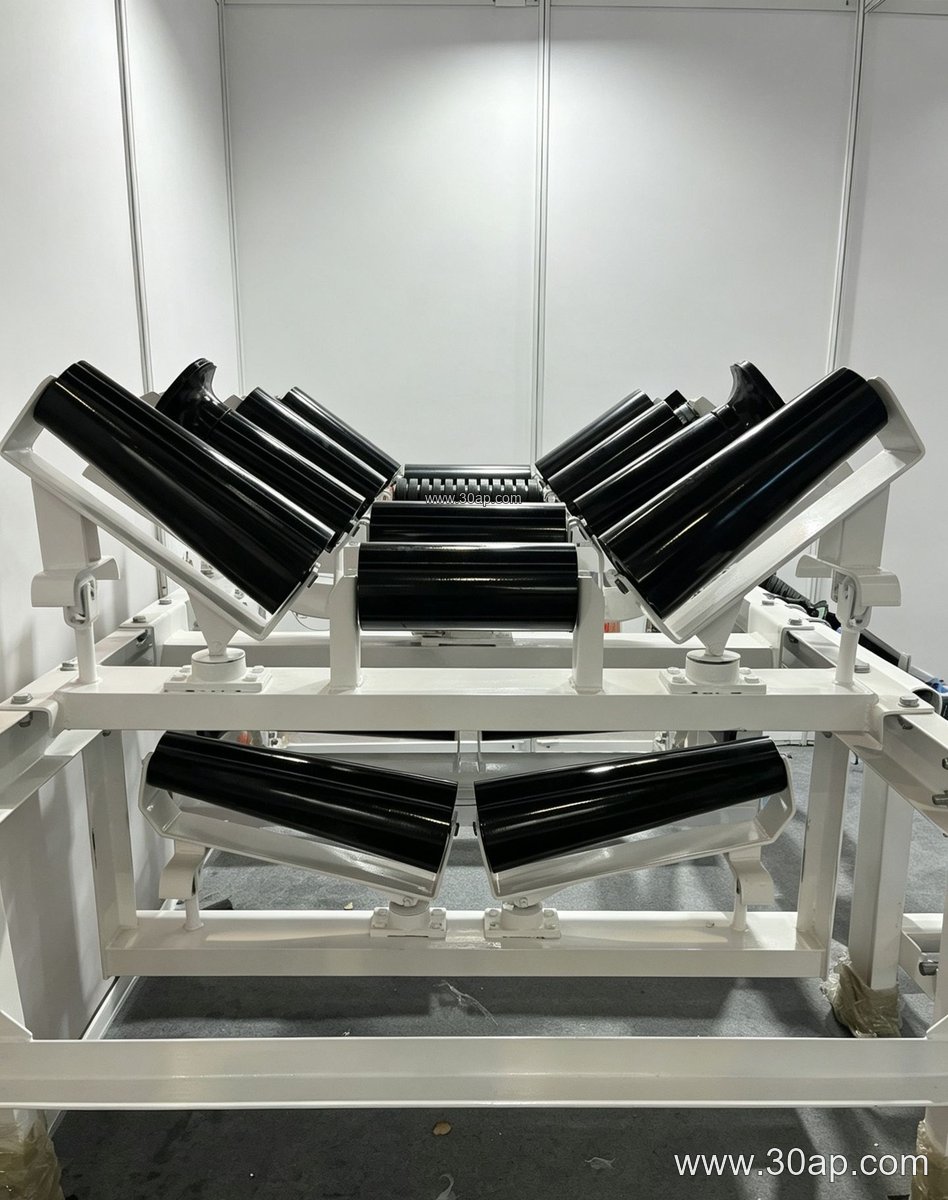
The typical coal mine conveyor idler consists of a steel tube shell, bearing housings, and a shaft, with bearings (such as 6204, 6205, 6305, 6306, 6308, or 6310) sealed to prevent dust and moisture ingress. The roller surface can be plain steel, nylon, ceramic, or rubber rings, depending on the application. For coal mining, abrasion resistance and flame retardancy are often priorities. The idler is mounted on a conveyor bracket or frame, and the complete assembly is known as a idler set. Common configurations include single-roller, two-roller, and three-roller troughing sets, with trough angles typically 20°, 30°, 35°, or 45°. The belt width influences the roller length; for example, a three-roller troughing set for a B1000 belt often uses a roller length of about 380 mm, though this is not a fixed rule. The shaft diameter is determined by the load and design, not solely by belt width.
Types and Applications in Coal Handling
In coal mines, troughing idlers are the most common, supporting the loaded belt. Return idlers, such as flat or V-return, support the empty belt on the return side. Impact idlers with rubber rings are used at transfer points to absorb shock from falling coal. Self-aligning idlers, including friction and tapered types, help keep the belt centered. The choice of idler depends on the conveyor section and the material. For instance, a coal mining conveyor belt (often a flame retardant conveyor belt or fire resistant conveyor belt) requires idlers that can handle the load without generating excessive heat. In a coal preparation plant or a power plant coal yard, the idler roller must resist abrasion from coal dust. Other industries like quarries, cement plants, and ports also rely on similar idler designs, but the coal mine environment places specific demands on sealing and bearing protection.
Specifications and Selection Considerations
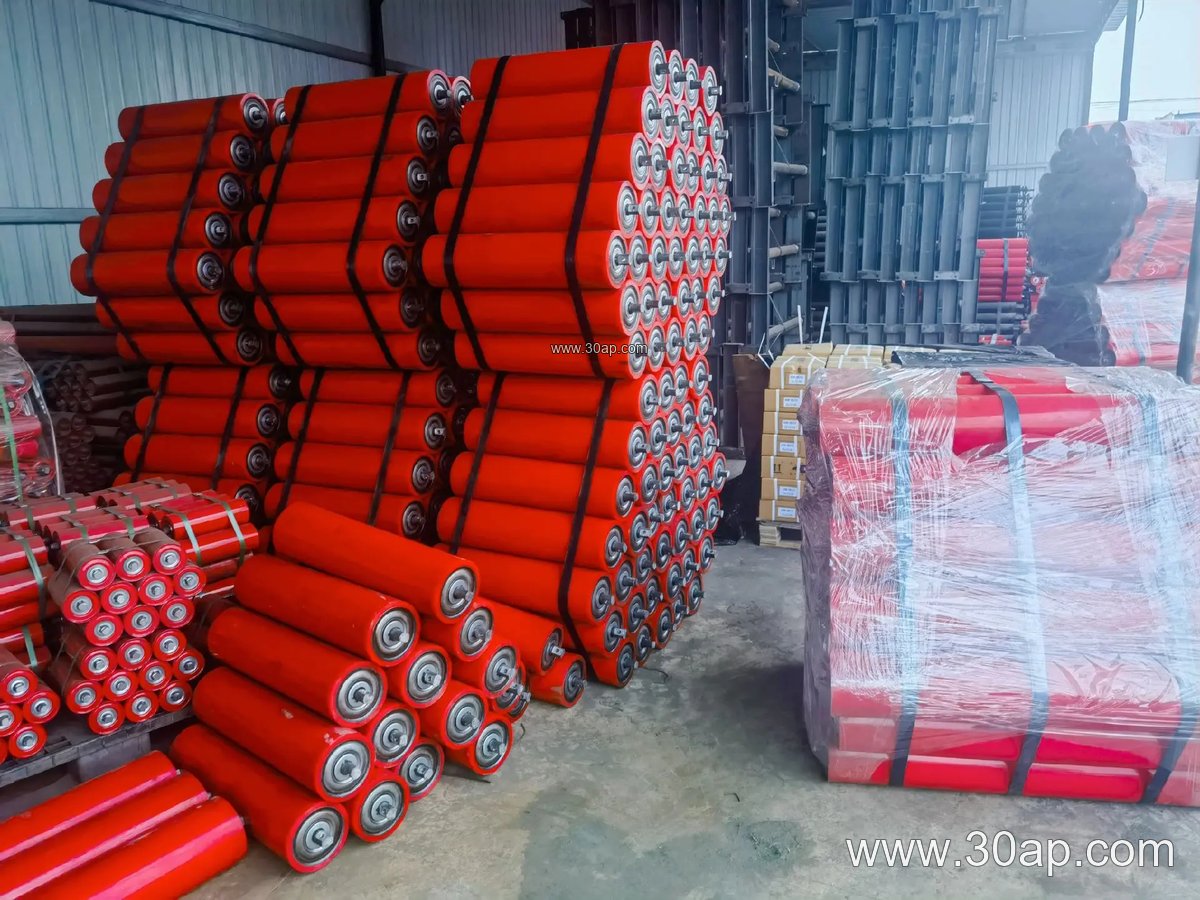
When selecting a coal mine conveyor idler, buyers should consider the belt width, trough angle, roller diameter, and bearing type. Common roller diameters include Ø63, Ø76, Ø89, Ø102, Ø108, Ø127, Ø133, Ø159, Ø178, Ø194, and Ø219 mm. The belt width can range from B400 to B2400, and the idler length should match the belt width and trough configuration. For example, a B800 three-roller set often uses a roller length of about 315 mm, while a B1400 set may use 530 mm. These are typical examples, not mandatory sizes. The table below provides a reference for common roller lengths in three-roller troughing sets, but side and center rollers can differ. Always consult the conveyor design for exact requirements.
| Belt Width (mm) | Typical Roller Length (mm) |
|---|---|
| B500 | 200 |
| B650 | 250 |
| B800 | 315 |
| B1000 | 380 |
| B1200 | 465 |
| B1400 | 530 |
| B1600 | 600 |
| B1800 | 670 |
| B2000 | 750 |
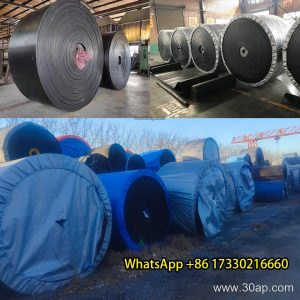
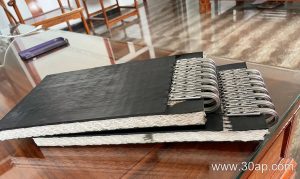
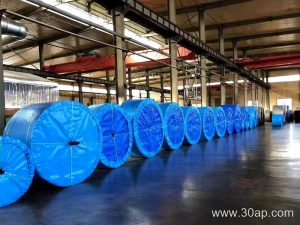
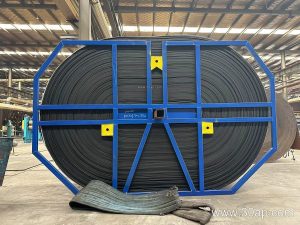
Additionally, consider the conveyor belt type: an EP conveyor belt, steel cord conveyor belt, or fabric core conveyor belt may require different idler spacing and load capacity. In coal mining, a flame retardant conveyor belt (such as PVG conveyor belt) is often used, and the idlers should be compatible with the belt’s surface and tension. At www.bulk-conveyor-parts.com, we recommend reviewing the idler’s dynamic load rating and seal effectiveness. A high abrasion resistant conveyor belt paired with well-sealed idlers will reduce maintenance.
Maintenance and Troubleshooting
Regular inspection of coal mine conveyor idlers is essential to prevent belt damage and costly stoppages. Look for seized rollers, worn shells, or damaged seals. Idlers that no longer rotate freely can cause belt slip and wear. In coal mines, accumulated coal dust around the bearing housing can lead to premature failure; therefore, cleaning and lubrication schedules should be followed. When replacing idlers, ensure the new units match the original specifications for roller diameter, length, and bearing type. Also check the conveyor pulley alignment and the conveyor bracket condition, as misalignment can accelerate idler wear. For high-temperature applications, such as in a cement plant or steel plant, heat resistant conveyor belts and idlers with high-temperature bearings may be needed. In cold climates, cold resistant conveyor belts and appropriate idlers are necessary. Always refer to the conveyor manufacturer’s guidelines for idler spacing and selection.
Buying Tips for Coal Mine Operators
When purchasing coal mine conveyor idlers, request detailed drawings and material certificates. Verify the bearing brand and seal type, as these affect service life. Consider the environment: for underground coal mining conveyor belts, flame retardant and anti-static properties are often required, and the idlers should not compromise these safety features. Ask for references from similar coal mining applications, but be aware that performance depends on the entire system. Avoid choosing idlers based solely on low price; quality idlers reduce long-term operating costs. Finally, ensure the supplier can provide consistent replacement parts and technical support.