What the Ø63.5 Conveyor Idler Is
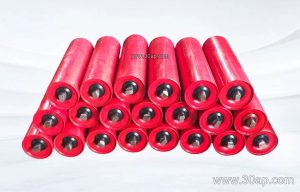
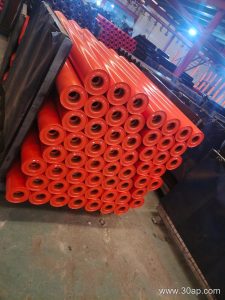
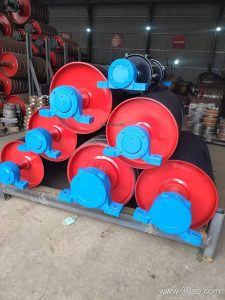
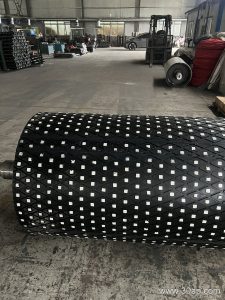
The Ø63.5 conveyor idler is a small-diameter carrying roller used in the load-bearing run of a belt conveyor. With a nominal roller diameter of 63.5 mm, it sits between the lighter Ø63 and the more common Ø76 sizes, which makes it a practical middle option for narrow and medium-width belts where the frame height is limited. In everyday workshop language it may be called a 63.5 mm idler roller or simply a small-diameter troughing idler, but it remains an idler roller, not a pulley. Drive, tail and bend pulleys serve different duties at the ends and corners of the conveyor and are not interchangeable with this component.
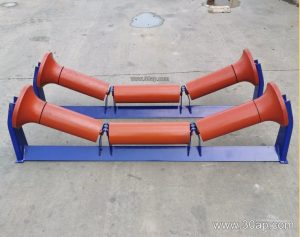
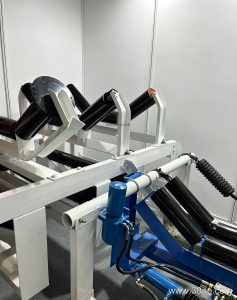
This size is typically built into two-roll or three-roll troughing sets, and sometimes into single-roll or transition arrangements, depending on the belt width and the trough angle chosen by the conveyor designer.
Construction and Common Materials
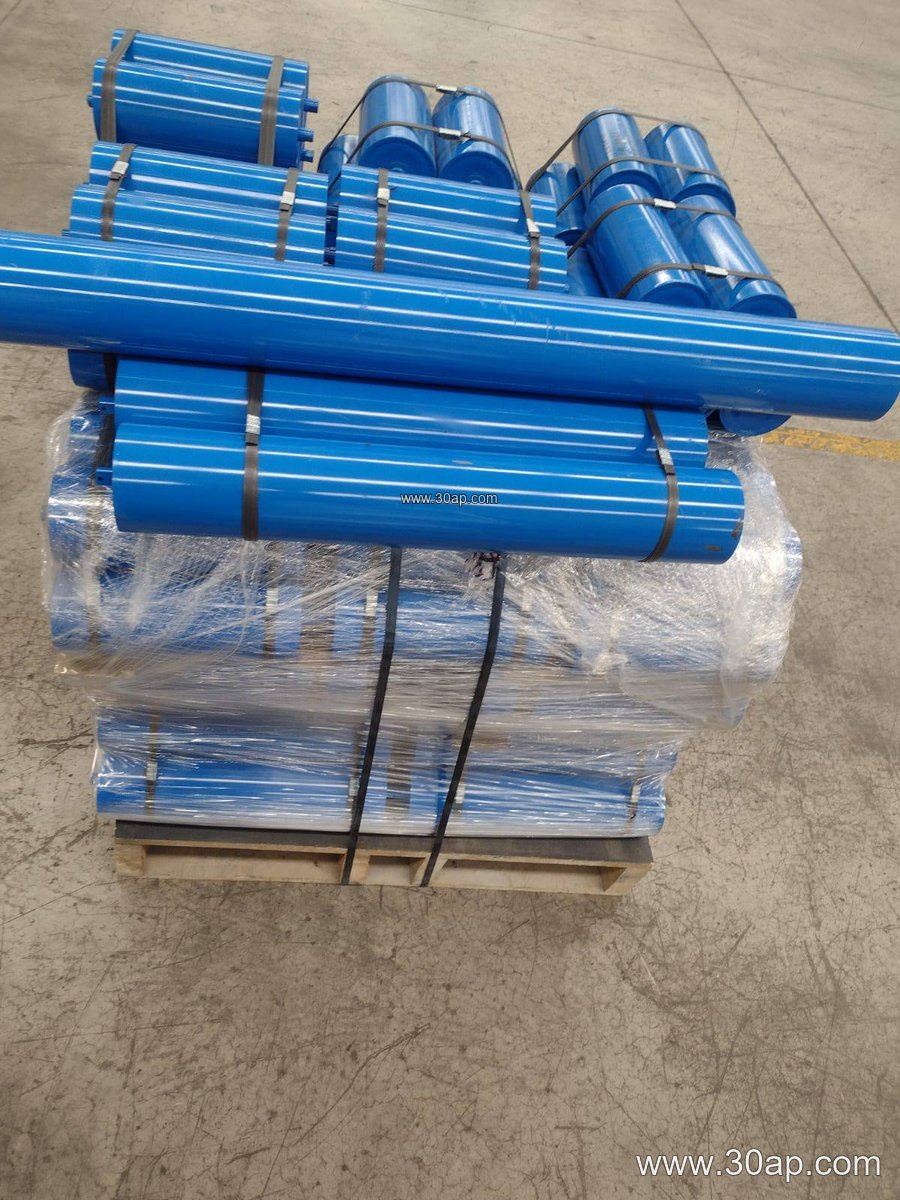
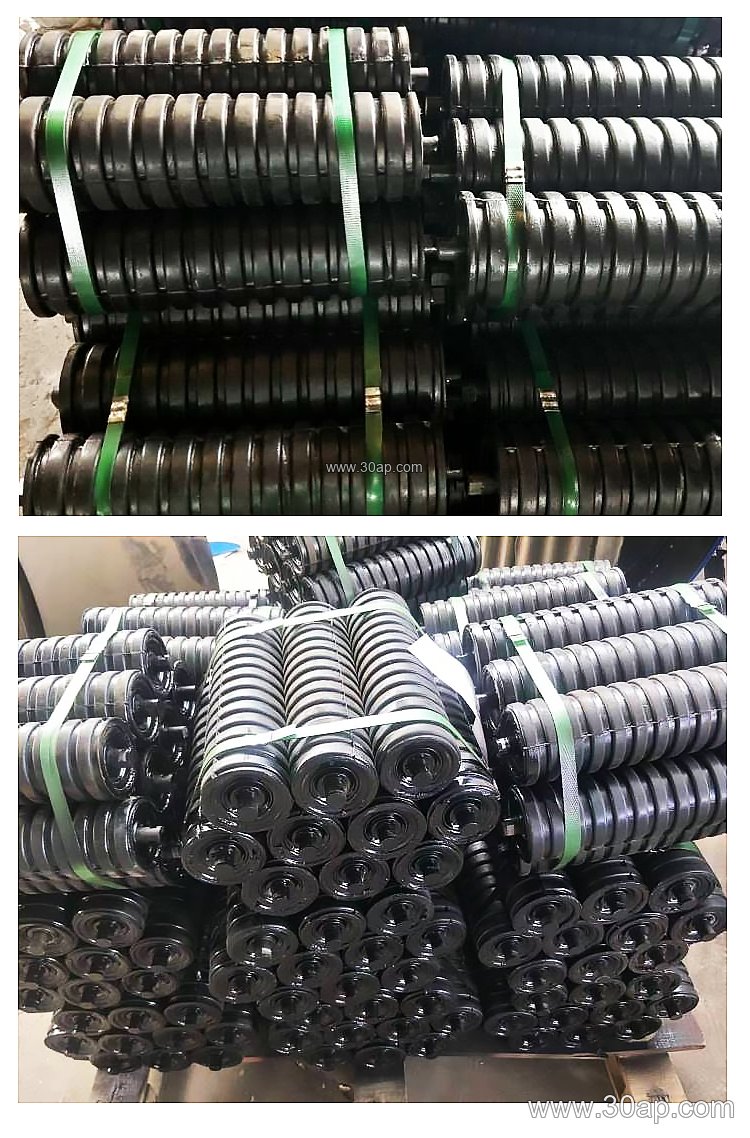
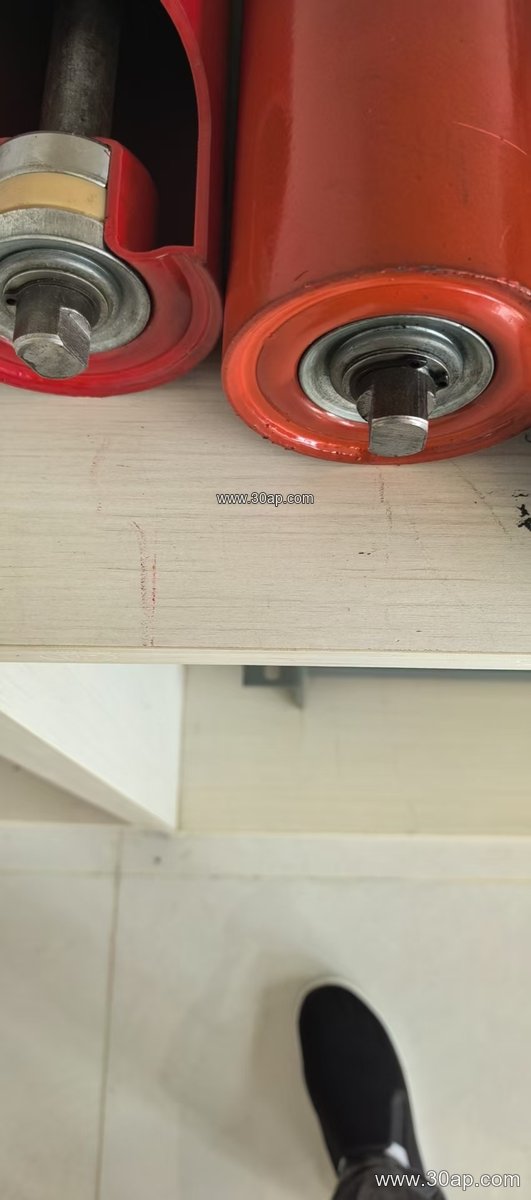
A standard Ø63.5 conveyor idler usually consists of a steel tube shell, pressed end caps, a shaft, and sealed ball bearings. The shell may be plain steel, nylon-coated, ceramic-lined or fitted with rubber rings when impact and noise need to be reduced. Bearing selection is not fixed to the diameter alone; common bearing numbers in this size class include 6204 and 6205, while larger bearings such as 6305 or 6306 appear where heavier loads are expected. The shaft diameter, wall thickness and bearing seat are determined by the load calculation, not by belt width alone.
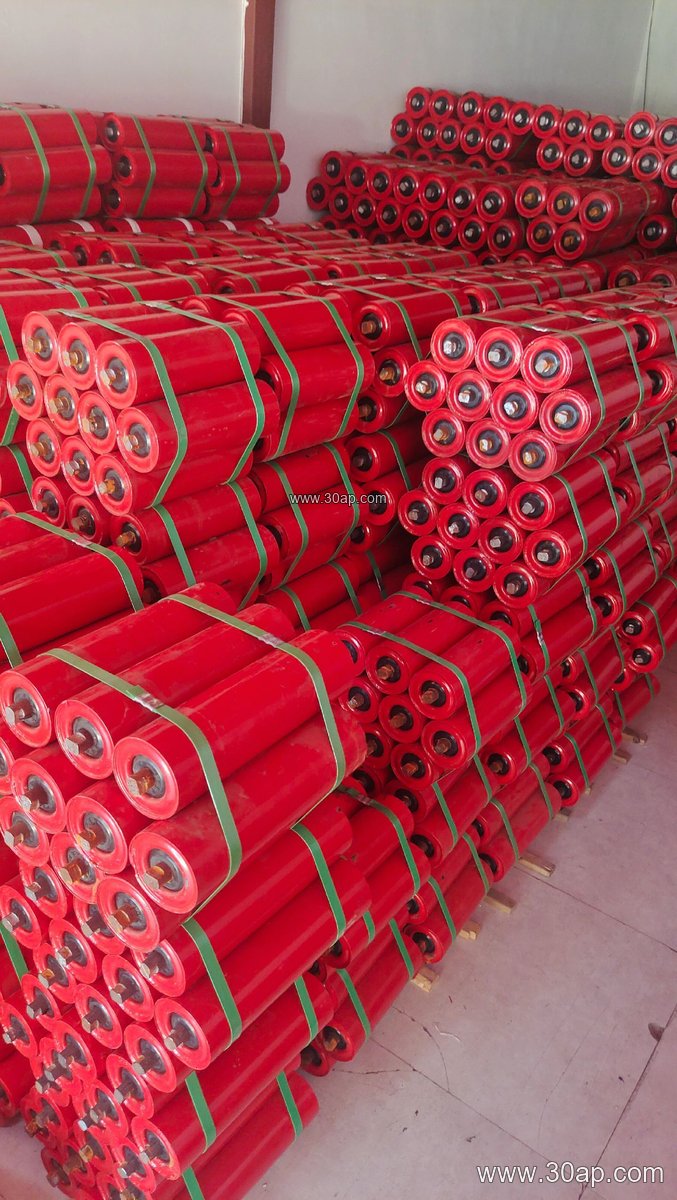
Sealing is a key quality point. Labyrinth seals, contact seals and grease retention features decide how well the roller survives dust in a quarry or fine powder in a cement plant. Buyers should ask for the seal type and the bearing clearance rather than judging the roller by appearance.
Where It Fits on the Conveyor
The Ø63.5 idler is most often found on smaller belt widths such as B500, B650 and B800, and in transition zones where the belt changes trough shape. It can also appear on the return side as a flat or V-return roller in light-duty lines. Typical working environments include:
- Sand and gravel aggregate lines and small crushing and screening plants
- Concrete batching plants and cement packing departments
- Fertilizer and grain handling systems with moderate loads
- Coal washing plants and power plant coal conveying in light sections
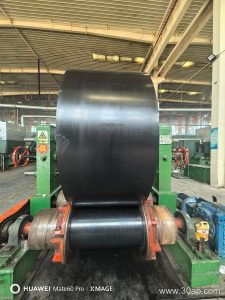
On these lines the idler works together with the conveyor belt, the conveyor pulley at each end, the conveyor bracket that fixes spacing, and the frame. For dusty or abrasive duty, pairing the roller with an abrasion resistant conveyor belt or a rubber conveyor belt helps reduce wear on both parts.
Size Reference and Related Belt Widths
The table below shows typical reference values for small idlers and belt widths. These are common examples, not fixed matches, and the final roller length depends on belt width, trough angle and roll configuration.
| Item | Common Reference Values |
|---|---|
| Roller diameter | Ø63.5 mm (also Ø63, Ø76, Ø89 in this class) |
| Belt width | B500, B650, B800, B1000 |
| Trough angle | 20°, 30°, 35° |
| Roll length, three-roll troughing | About 200 mm for B500, 250 mm for B650, 315 mm for B800, 380 mm for B1000 |
| Bearing options | 6204, 6205, 6305, 6306 |
| Shell surface | Steel, nylon, ceramic, rubber ring |
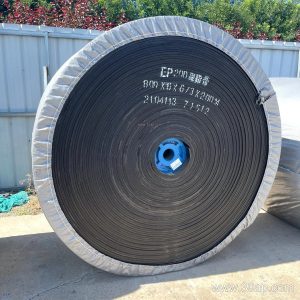
Side rollers and center rollers can differ in length within the same set, so the values above should be treated as design guidance only. A conveyor carrying an EP conveyor belt or a multi-ply fabric core belt at moderate tension may use this diameter, while heavier lines with steel cord conveyor belt usually call for larger rollers.
Selection Advice for Buyers
Before ordering, confirm the belt width, the trough angle, the number of rolls per set, the roller length and the shaft end fixing. Check whether the duty is carrying or return, and whether impact rings are needed at the loading point. Ask for the bearing brand or grade, the seal design, and the surface finish. For hot material, a heat resistant conveyor belt may be used, but the idler itself should also be checked for temperature limits. In cold climates, cold resistant conveyor belt grades are common, and the roller grease should match the ambient temperature.
Spacing matters as much as the roller itself. Idlers set too far apart cause belt sag and spillage; too close adds cost and drag. Follow the conveyor designer’s spacing plan and keep spare rollers of the same Ø63.5 size on site for quick replacement.
For matching belts and components, review the abrasion resistant conveyor belt and flame retardant conveyor belt options alongside the roller order at gsr-conveyorbelt.com, and confirm idler and bracket details at gsr-conveyorbelt.com before finalizing the purchase.
Maintenance Notes
Inspect the Ø63.5 conveyor idler for seizure, shell wear and seal leakage during routine shutdowns. A roller that stops turning will flat-spot the belt and damage the cover. Replace failed units in complete sets where possible, and recheck alignment so the belt tracks centrally. Keeping the frame clean and the brackets tight extends roller life in quarry, cement and coal handling service.