What a Self-Aligning Idler Bracket Does
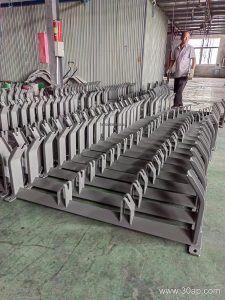
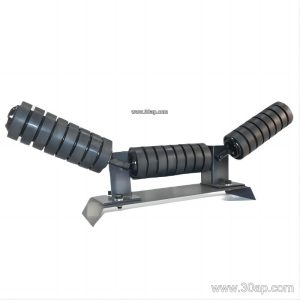
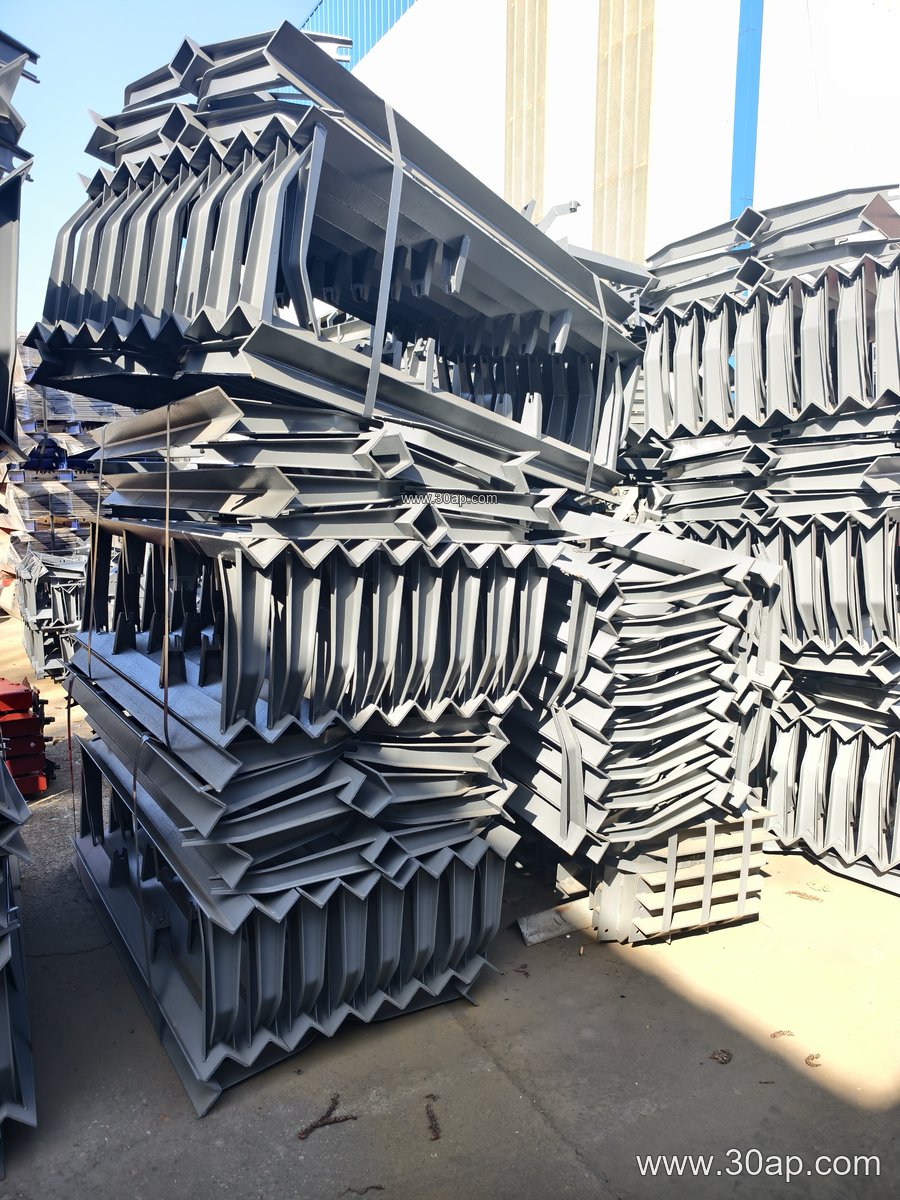
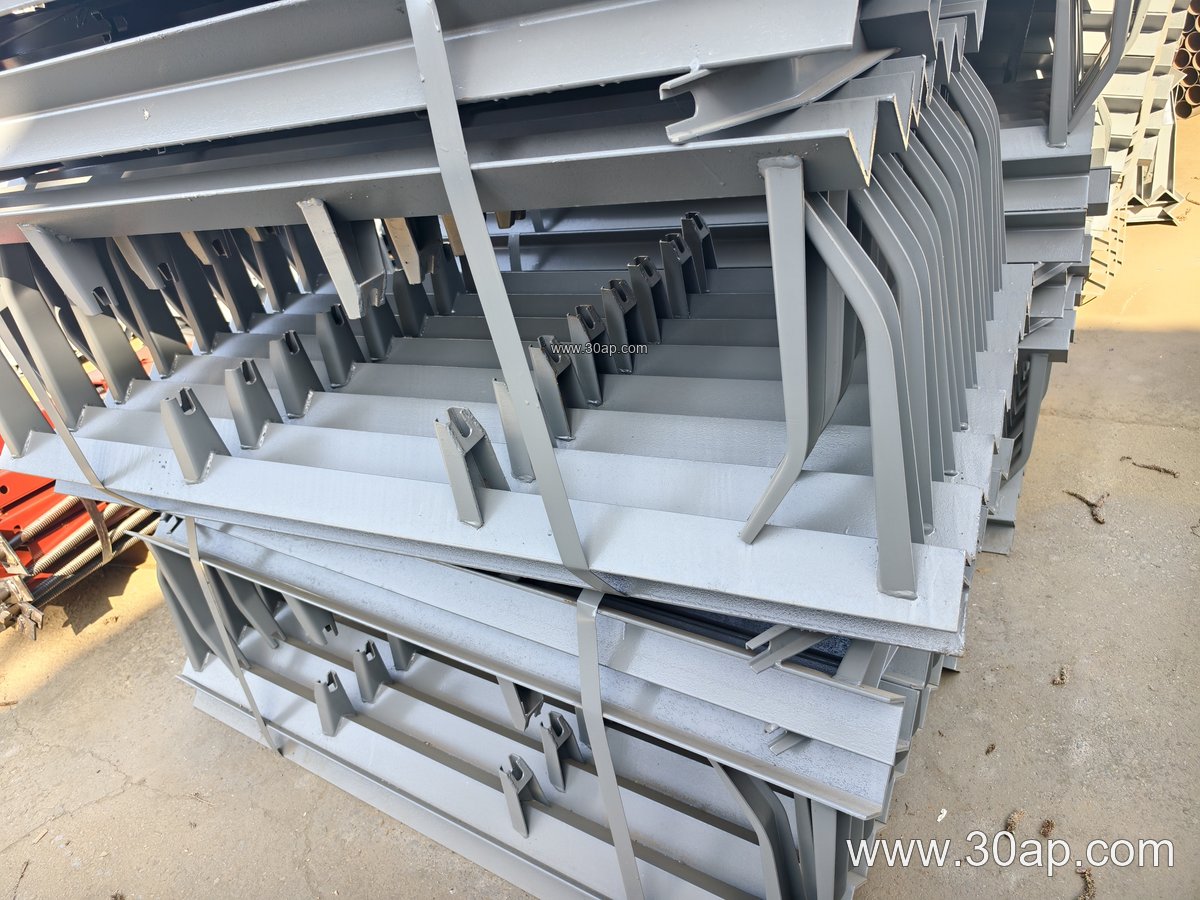
A self-aligning idler bracket is the mounting component that holds the idler roller and allows it to pivot slightly so the conveyor belt stays centered. Unlike a fixed bracket, this bracket is designed with a pivot point or linkage that lets the idler assembly rotate a few degrees when the belt drifts. The result is continuous, automatic correction of belt misalignment without manual intervention. In quarry, coal mining, and cement plant operations, this small but critical part helps reduce edge damage and material spillage.
Construction and Key Features
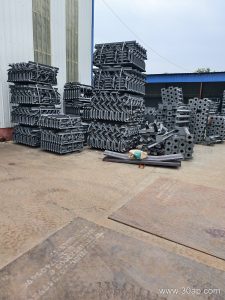
Most self-aligning brackets are fabricated from angle steel, channel steel, or bent steel plate. The pivot mechanism may use a vertical shaft, a hinge pin, or a linkage that returns the idler to its neutral position. Common designs include a forward-tilted (about 1.5 to 2 degrees) idler mounting that encourages the belt to center itself. The bracket is typically bolted to the conveyor frame and carries the idler roller through standard shaft ends. Adjustable versions allow the trough angle to be set between 20, 30, 35, or 45 degrees, which helps match the belt width and material load. For example, a B800 belt with a 35-degree trough and Ø108 idler may use a self-aligning bracket that fits the frame hole spacing. Larger belts such as B1200 or B1400 often pair with Ø133 or Ø159 idlers, but the bracket selection depends on the frame design, not just belt width.
Where It Is Used
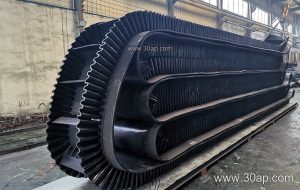
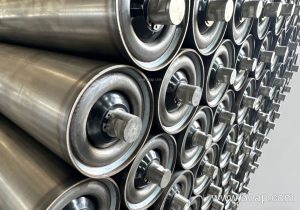
These brackets are common in bulk material handling systems where belt tracking is challenging. In a limestone quarry or sand and gravel line, a self-aligning idler bracket is often placed on the carrying side near the head pulley and on the return side before the tail pulley. In coal mining and underground mining, they help keep the belt centered under uneven loading. Cement plants use them on clinker and raw material conveyors, while power plant coal handling systems rely on them to prevent belt wander on long runs. The bracket works together with the conveyor belt, idler roller, and conveyor pulley to maintain a stable path. It is not a substitute for a drive pulley or a bend pulley; those components serve different functions in the conveyor drive and redirection system.
Selection and Sizing Notes
When choosing a self-aligning idler bracket, consider the belt width, trough angle, idler diameter, and frame mounting dimensions. The table below shows common reference combinations, but these are examples only. Actual installation hole spacing and beam length vary with the conveyor design.
| Belt Width | Trough Angle | Idler Diameter | Typical Bracket Type |
|---|---|---|---|
| B500 | 20° / 30° | Ø89 | Self-aligning, adjustable |
| B650 | 30° / 35° | Ø89 / Ø108 | Self-aligning, fixed or adjustable |
| B800 | 35° / 45° | Ø108 / Ø133 | Self-aligning, forward-tilt |
| B1000 | 35° / 45° | Ø133 / Ø159 | Self-aligning, heavy-duty |
| B1200 | 35° / 45° | Ø133 / Ø159 | Self-aligning, adjustable |
| B1400 | 35° / 45° | Ø159 / Ø194 | Self-aligning, reinforced |
| B1600 | 35° / 45° | Ø159 / Ø194 | Self-aligning, heavy-duty |
For wider belts such as B1800 or B2000, the bracket must be sized to handle the increased load and may require additional support. Always confirm the mounting hole pattern and pivot clearance with the conveyor frame supplier. The bracket should allow the idler to move freely without binding, and the return mechanism should be checked for wear during maintenance.
Buyer Checklist
- Verify the belt width and trough angle required for your conveyor.
- Match the idler shaft diameter to the bracket mounting slots.
- Confirm whether a fixed or adjustable bracket is needed for future angle changes.
- Check the material and finish for the environment (e.g., dust, moisture, or corrosive atmosphere).
- Ensure the bracket design includes a reliable self-centering mechanism that suits the belt speed and load.
In summary, a self-aligning idler bracket is a practical solution for keeping a conveyor belt on track in industries ranging from aggregate processing to underground coal mining. By understanding the bracket’s construction, placement, and sizing options, buyers can select a component that supports the conveyor belt, idler roller, and conveyor pulley system effectively.