What an Impact Idler Does
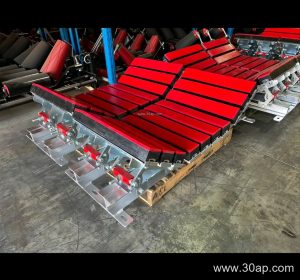
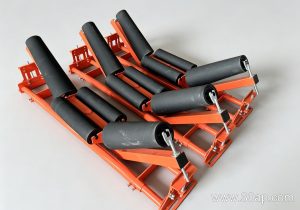
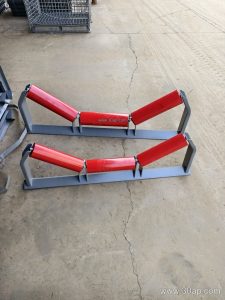
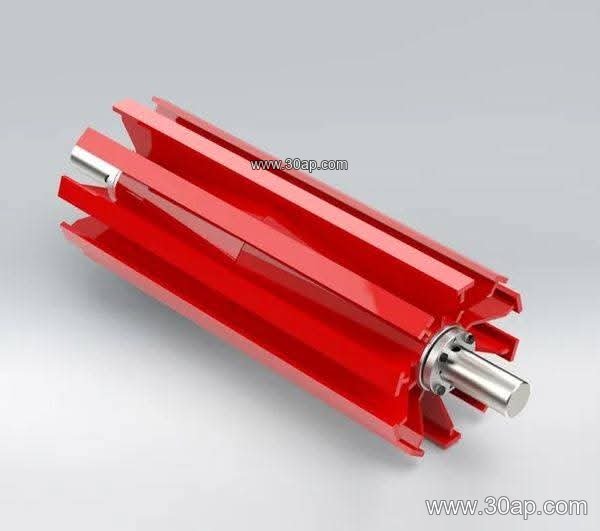
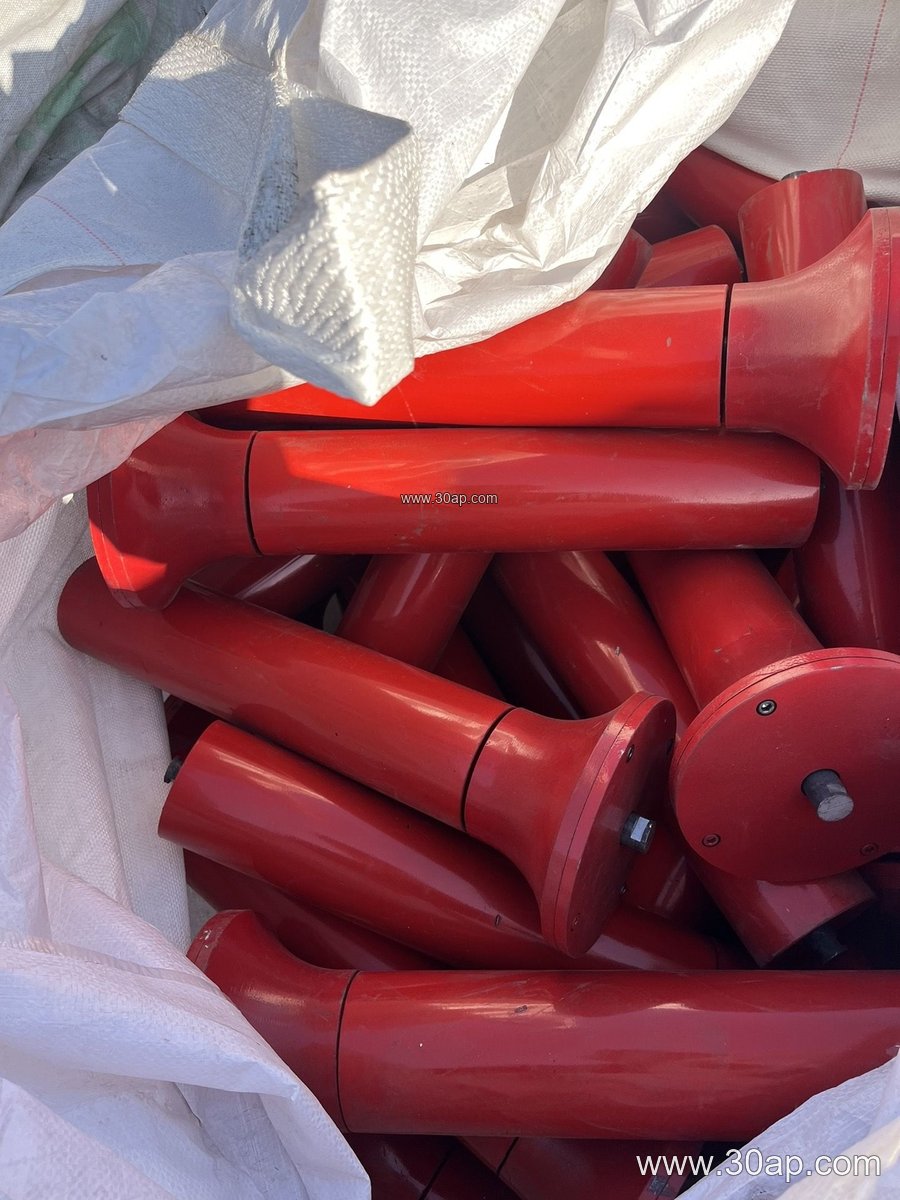
An impact idler is a heavy-duty conveyor idler roller installed at the load zone of a belt conveyor, where mined rock, crushed stone, or other bulk material first lands on the conveyor belt. Its job is to absorb the kinetic energy of falling material and protect the belt from gouging, cutting, and premature wear. Unlike a standard carrying idler, an impact idler usually features rubber rings or a rubber-covered shell that cushion the impact and reduce bounce. The product is also called a buffer idler or shock-absorbing idler, and these terms refer to the same item.
Construction and Components
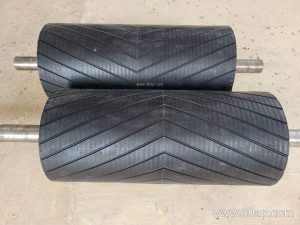
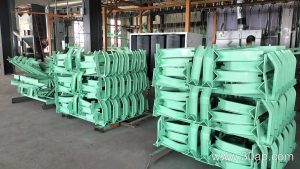
A typical impact idler consists of a steel tube or shaft fitted with a series of rubber discs or a continuous rubber sleeve. The rubber rings are spaced to allow some deflection under load, which spreads the impact force over a larger belt area. Inside, the bearing assembly is selected for the duty cycle; common bearing sizes include 6205, 6305, and 6308, though the exact bearing depends on the roller diameter and load rating. The roller surface may be plain steel, nylon, ceramic, or rubber. For impact service, rubber rings are the most common because they combine elasticity with abrasion resistance. The idler is mounted in a conveyor bracket or frame, and the complete assembly may be a single roller or a multi-roller set.
Where Impact Idlers Are Used
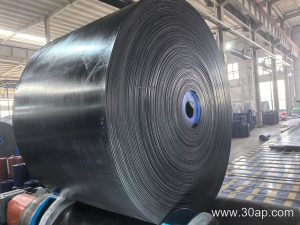
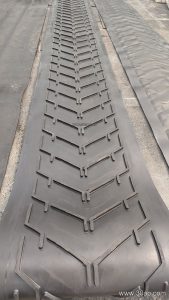
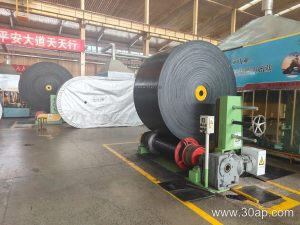
These idlers are found in quarry conveyor belts, aggregate conveyor belts, and crusher conveyor belts where material drop height is significant. In a coal mining conveyor belt system, impact idlers are placed under the transfer chute to protect the belt from lump coal. Cement plants use them at clinker discharge points, and power plant conveyor belts rely on them at coal yard transfer stations. Iron ore and copper ore operations also specify impact idlers at primary crushing stations. The idler works together with the conveyor belt, conveyor pulley, and conveyor bracket to maintain a stable belt path.
Key Parameters and Selection
When selecting an impact idler, buyers should consider belt width, roller diameter, and the expected lump size and drop height. Common roller diameters for impact duty include Ø89, Ø108, Ø127, Ø133, Ø159, and Ø178 mm. Belt widths from B500 to B2000 are typical, but the idler length must match the belt width and trough angle. The table below shows common reference values; these are examples, not fixed combinations.
| Belt Width | Common Roller Length (three-roll trough) | Typical Roller Diameter |
|---|---|---|
| B500 | 200 mm | Ø89–Ø108 |
| B650 | 250 mm | Ø89–Ø127 |
| B800 | 315 mm | Ø108–Ø133 |
| B1000 | 380 mm | Ø108–Ø159 |
| B1200 | 465 mm | Ø127–Ø159 |
| B1400 | 530 mm | Ø133–Ø178 |
| B1600 | 600 mm | Ø133–Ø178 |
| B1800 | 670 mm | Ø159–Ø194 |
| B2000 | 750 mm | Ø159–Ø219 |
Trough angles of 20, 30, 35, or 45 degrees are available, and the impact idler should match the trough angle of the adjacent carrying idlers. For transition zones, a slightly larger diameter may be used to ease the belt into the trough. The rubber ring hardness and thickness also affect cushioning; softer rubber absorbs more energy but wears faster in high-abrasion service. A buyer should confirm the load zone conditions with the supplier rather than assume a single size fits every conveyor.
Maintenance and Buyer Tips
Impact idlers are wear items. Inspect the rubber rings for cuts, glazing, or missing chunks, and check that the roller turns freely. Seized bearings increase belt drag and can damage the conveyor belt. Keep the load zone centered so material does not pile on one side of the idler. When replacing an impact idler, verify the shaft diameter and mounting dimensions against the conveyor bracket. Do not substitute a standard carrying idler at the load point; the impact energy will quickly destroy it and may damage the belt. For high-abrasion materials such as iron ore or cement clinker, consider impact idlers with thick rubber rings and sealed bearings. For coal mining applications, flame retardant and anti-static properties of the belt are critical, and the impact idler should be compatible with the belt construction, whether it is an EP conveyor belt, steel cord conveyor belt, or multi-ply fabric core conveyor belt.
Finally, match the impact idler to the actual duty, not just the belt width. A 1200mm wide conveyor belt may use Ø127 mm or Ø159 mm impact rollers depending on lump size and drop height. Consult the conveyor design and the idler manufacturer’s data for the final selection.