What a Carbon Steel Pulley Is
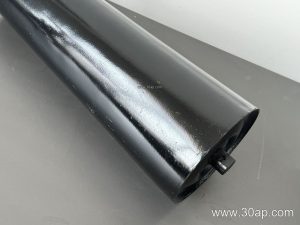
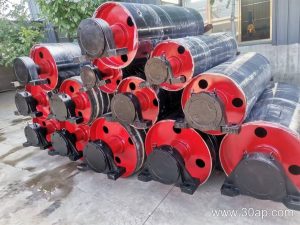
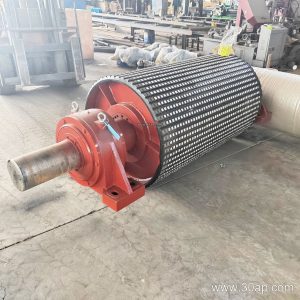
A carbon steel pulley is the rotating cylindrical component that carries and guides the conveyor belt in a bulk material handling system. The barrel, end discs, and hub are typically fabricated from carbon steel, a material chosen for its strength, weldability, and predictable cost. Because the pulley transfers torque to the belt and maintains tension along the run, its construction quality directly affects belt tracking, splice life, and overall system uptime. In a quarry, a cement plant, or a power station coal yard, this component is one of the first items examined when belt misalignment or premature cover wear appears.
How the Pulley Is Built
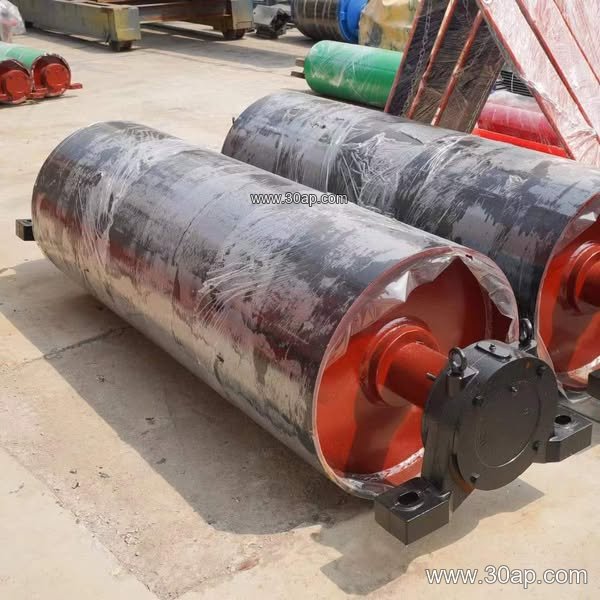
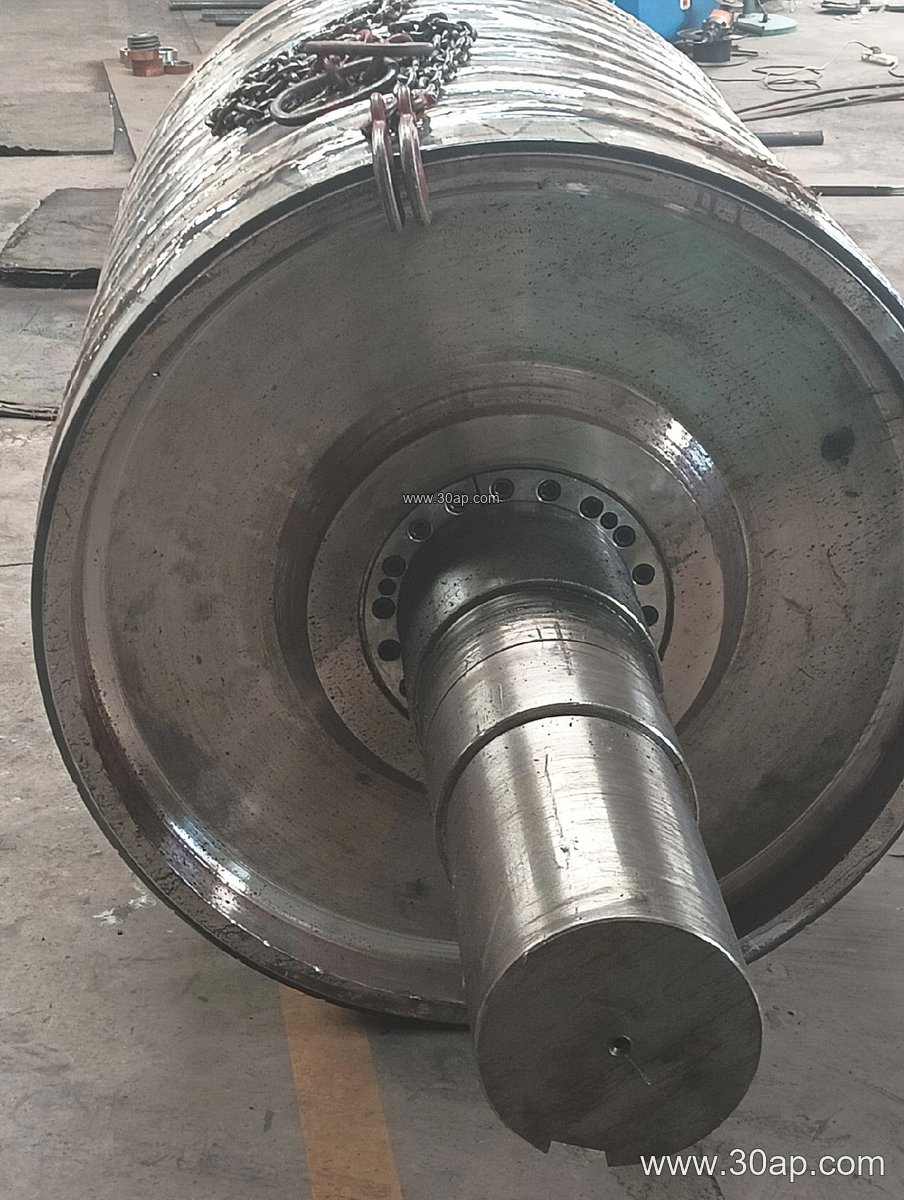
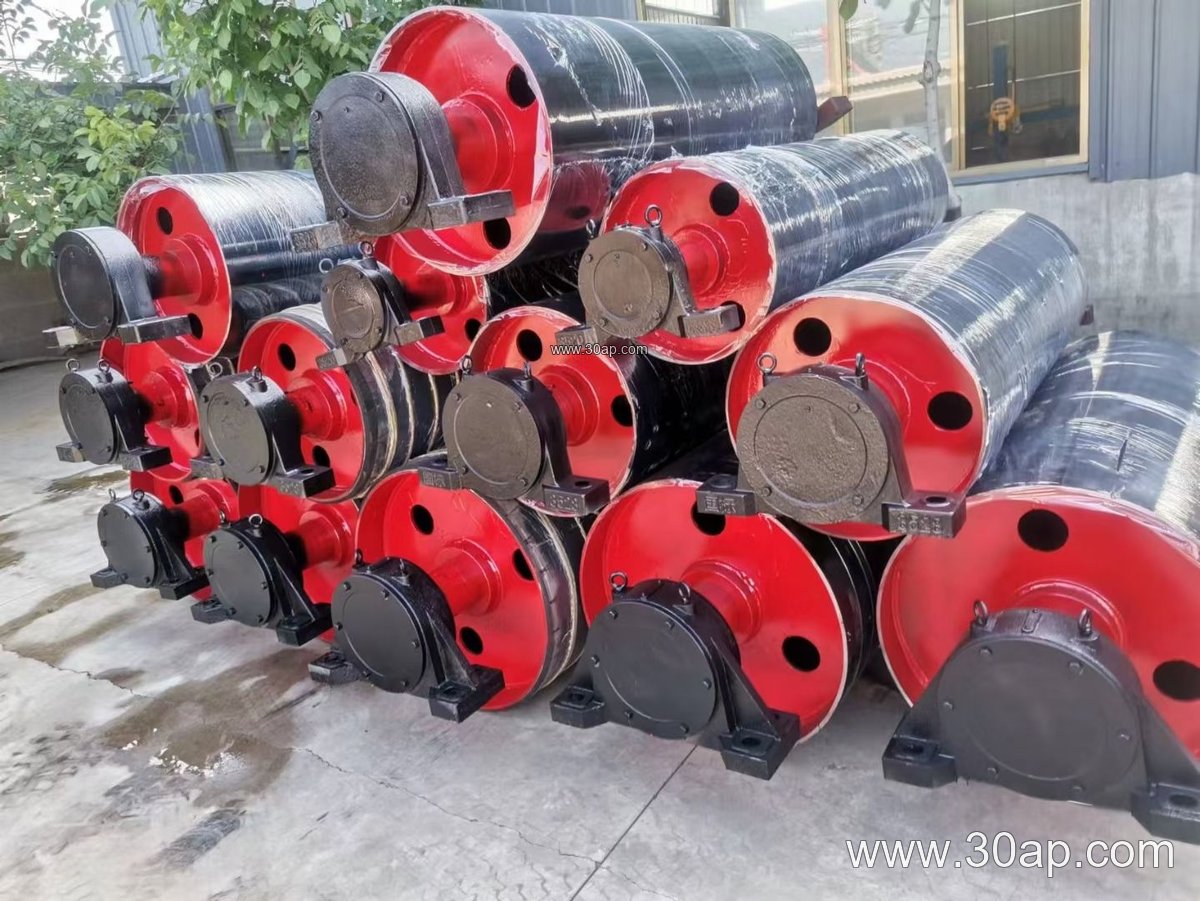
Most units are assembled from a rolled and welded steel shell, two end discs, and a shaft that is either keyed or shrink-fitted to the hub. The shaft is machined to accept bearings in a pillow block or flange housing, and the whole assembly sits on a conveyor bracket or frame. Surface preparation matters as much as the steel itself, since rust and scale can shorten service life in wet or dusty conditions.
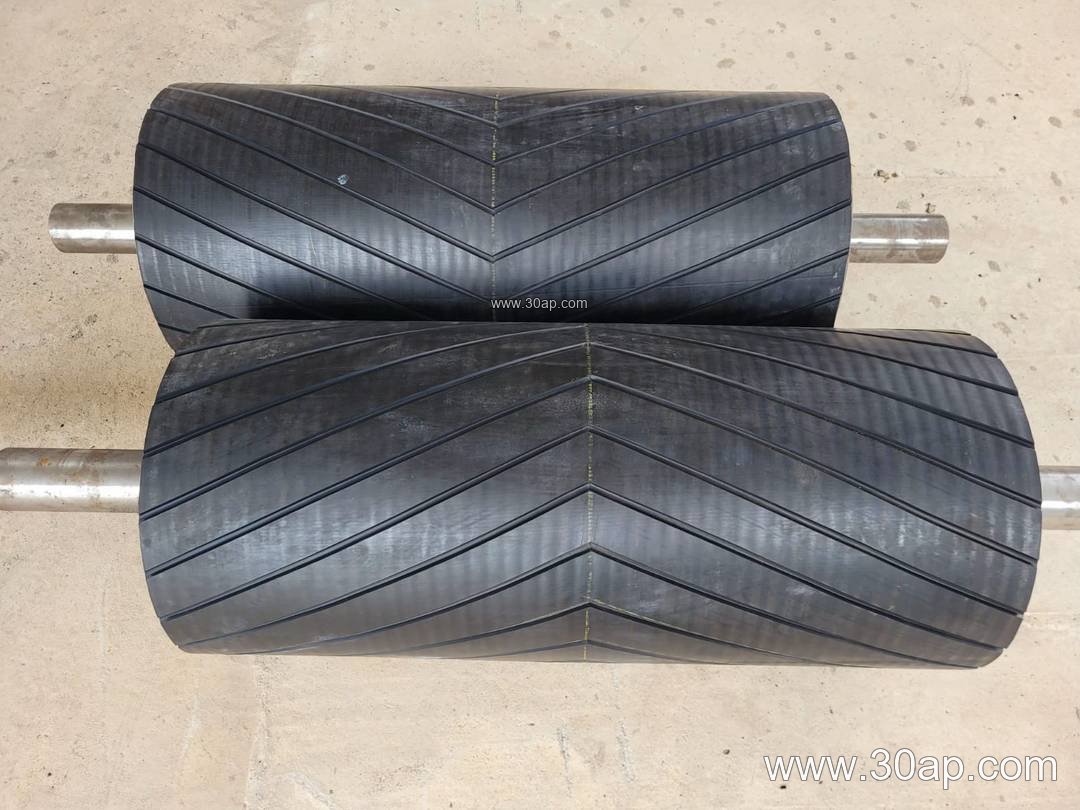
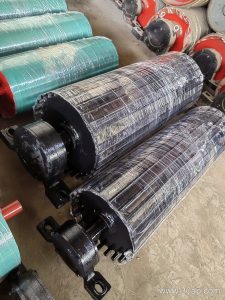
Common surface options include plain finish, cast rubber, cold-bonded rubber, hot-vulcanized rubber, diamond grooving, herringbone grooving, and ceramic lagging. Lagging thickness is frequently quoted in 8, 10, 12, 15, or 20 mm, depending on the grip and wear resistance required. A drive pulley usually receives a grooved or ceramic lagging for torque transmission, while a bend pulley may run with a plain or lightly lagged face.
Reference Dimensions
The table below shows typical reference data. These are indicative values, not fixed combinations; final dimensions depend on belt tension, shaft torque, and the design of the conveyor.
- Belt width B400 with pulley face around 500 mm
- Belt width B500 with pulley face around 600 mm
- Belt width B650 with pulley face around 750 mm
- Belt width B800 with pulley face around 950 mm
- Belt width B1000 with pulley face around 1150 mm
- Belt width B1200 with pulley face around 1400 mm
- Belt width B1400 with pulley face around 1600 mm
- Belt width B1600 with pulley face around 1800 mm
- Belt width B1800 with pulley face around 2000 mm
Diameter ranges commonly run from Ø200 up to Ø1800, and shaft diameters from Ø50 to Ø200 are often seen. A B800 × Ø500 unit and a B1200 × Ø1000 unit are both plausible, but no single belt width locks the buyer into one diameter. Shaft size is determined by torque and load, not by belt width alone.
Where the Carbon Steel Pulley Sits in the Line
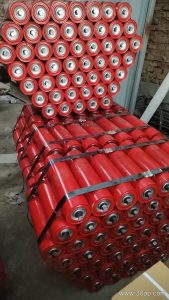
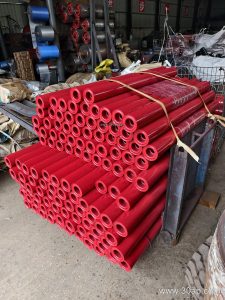
The role of the pulley changes with its position. A drive pulley at the head transmits power; a tail pulley at the loading end sets belt tension and returns the belt; a bend pulley redirects the belt around a curve in the structure. These are distinct duties, and the lagging, bearing selection, and shell thickness should follow the duty rather than a generic template. In a crushing and screening circuit, a heavy head pulley works alongside conveyor idlers and a conveyor belt that may be an abrasion resistant conveyor belt or a heat resistant conveyor belt, depending on the material temperature.
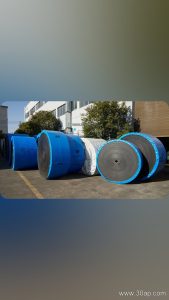
In a coal handling plant, flame retardant conveyor belt grades and anti-static conveyor belt constructions are common, and the pulley lagging must be compatible with the same fire-safety expectations. In an iron ore or copper ore terminal, a steel cord conveyor belt often runs over large-diameter pulleys to keep bending stress within limits. The same logic applies to a pipe conveyor belt or a corrugated sidewall conveyor belt, where the pulley face and the belt profile must be checked together.
What Buyers Should Check Before Ordering
Start with the belt specification and the duty point. Confirm the belt width, the required diameter, the shaft size, and the bearing type. Ask whether the surface should be plain, rubber lagged, or ceramic lagged, and confirm the lagging thickness in millimeters. For a drive pulley, grooving pattern and friction coefficient matter; for a tail pulley, self-cleaning behavior and protection against material build-up matter more.
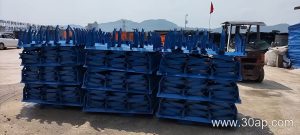
Check the interface with the conveyor bracket and the take-up arrangement. A tension pulley in a screw take-up behaves differently from one in a gravity tower, and the bearing housing must match the frame. Buyers should also request the shell thickness, welding standard, and balancing grade, since an unbalanced carbon steel pulley can cause vibration and belt wander at speed.
Maintenance Notes
Inspect lagging for glazing, chunking, or embedded stone, especially in aggregate and quarry duty. Check bearing temperature and grease condition on a schedule, and verify that the pulley remains square to the belt centerline. A small tracking error at the pulley often shows up first as edge wear on the conveyor belt, long before a bearing fails. Keeping the pulley face clean and the lagging intact is a low-cost way to protect the belt and the idler roller set downstream.