What the PVG800 Conveyor Belt Is
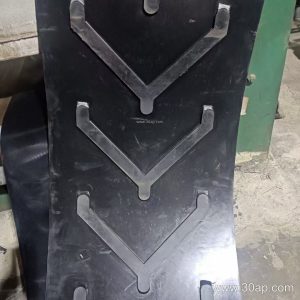
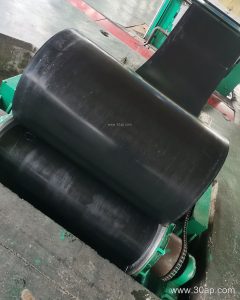
The PVG800 Conveyor Belt is a solid-woven, PVC-impregnated belt grade used in underground coal mining and other bulk material handling duties where flame resistance and anti-static behaviour matter. The “800” refers to the belt’s longitudinal tensile strength class, commonly expressed as 800 N/mm, while PVG identifies the cover construction: polyvinyl chloride covers bonded to a solid-woven fabric carcass. In many mining operations this belt is simply called a PVG Conveyor Belt, and a variant such as the PVG800S Conveyor Belt appears where a different cover or surface finish is specified for the same strength class.
How the Belt Is Built
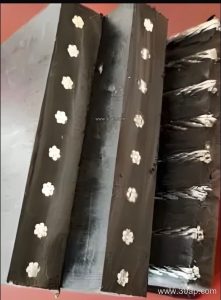
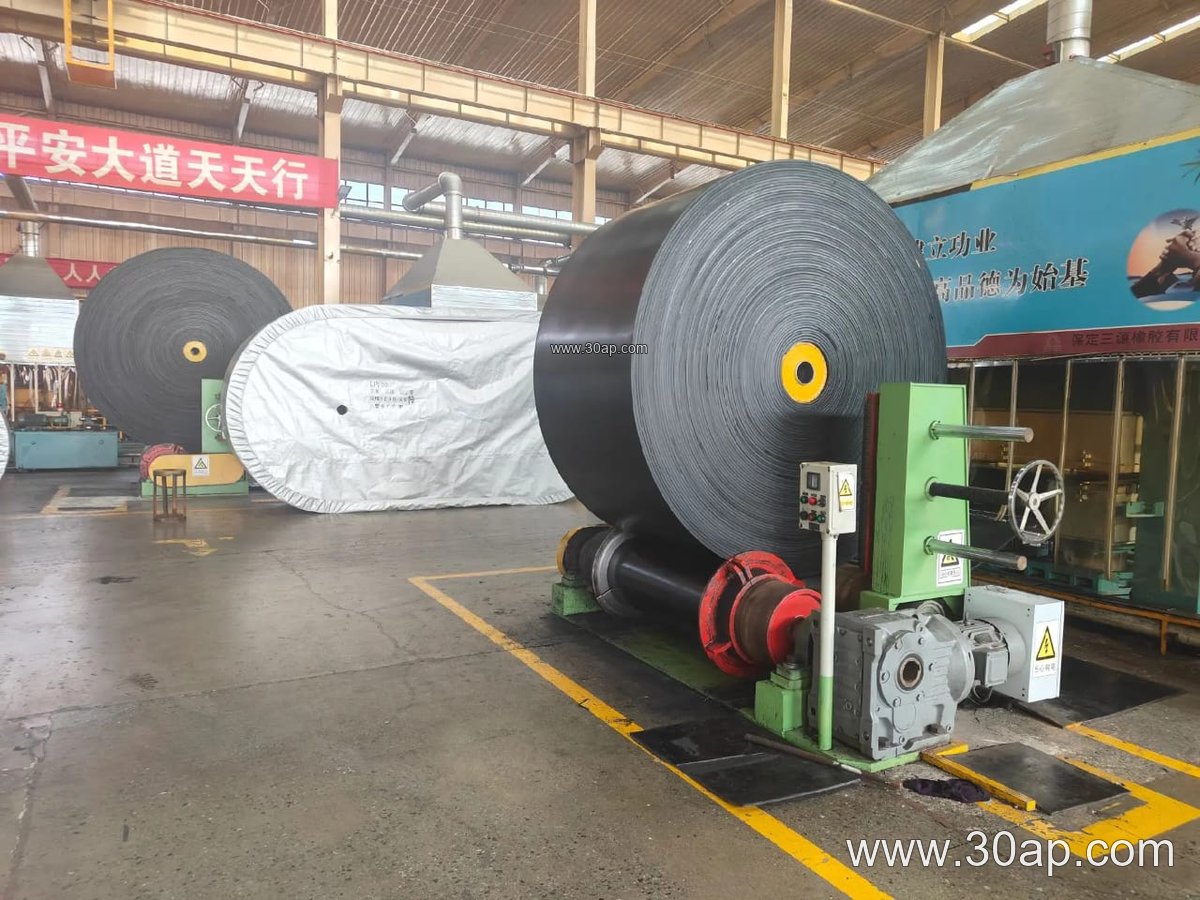
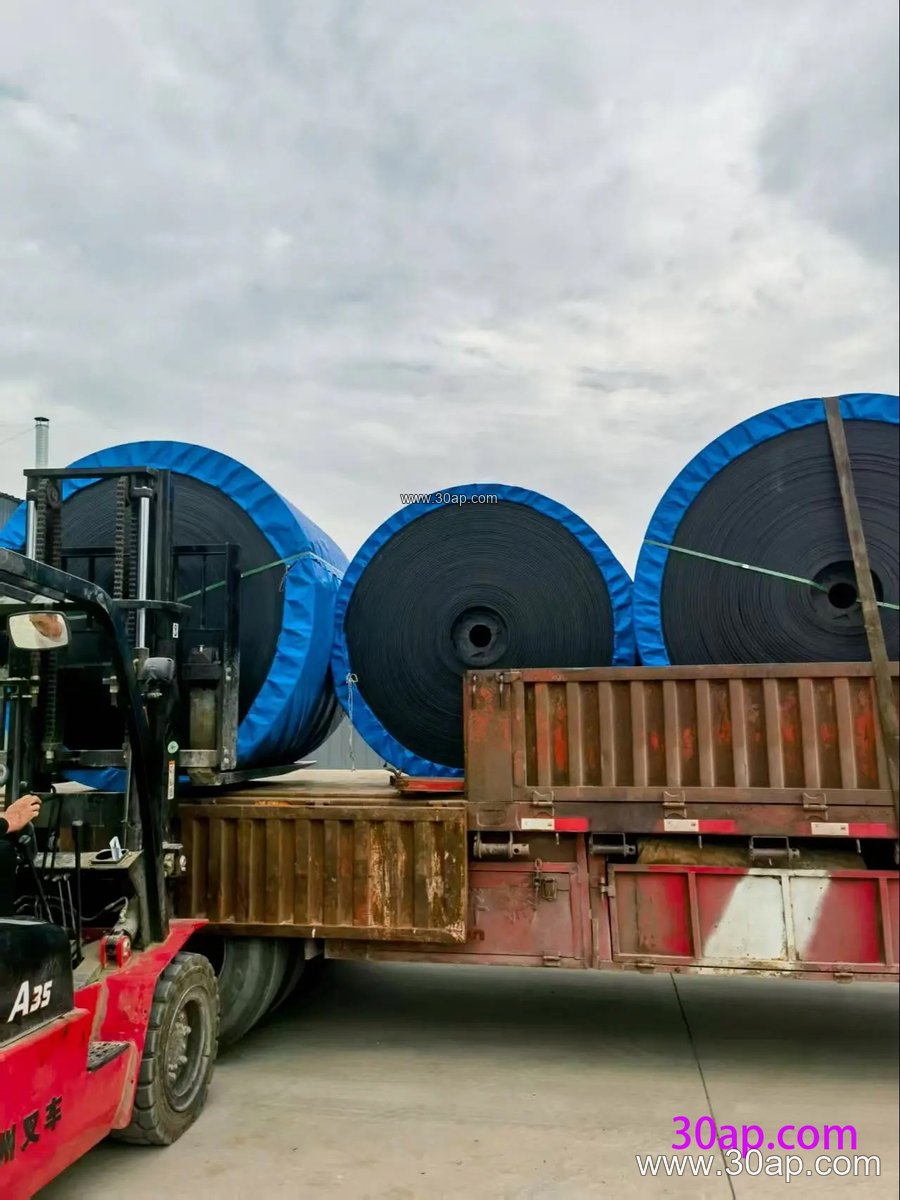
Unlike a Multi-Ply Fabric Core Conveyor Belt with discrete fabric plies, the PVG800 uses a solid-woven carcass fully impregnated with PVC. This gives a belt that resists delamination and water ingress, both useful in wet underground conditions. The construction usually includes:
- A solid-woven fabric carcass carrying the 800 N/mm strength class
- PVC impregnation through the full carcass thickness
- PVC covers on both faces, with thickness selected by the user
- Optional anti-static and flame-retardant additives in the compound
Cover thickness for this class is commonly quoted as 4+2 mm or 5+2 mm, though the right figure depends on impact severity and abrasion duty. Buyers should treat these as reference values and confirm with the manufacturer.
Where It Fits in the Plant
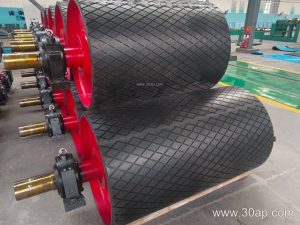
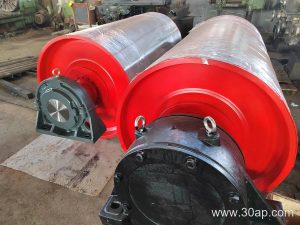
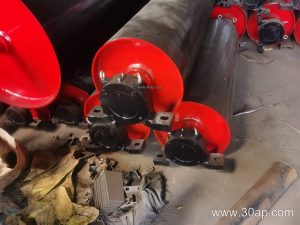
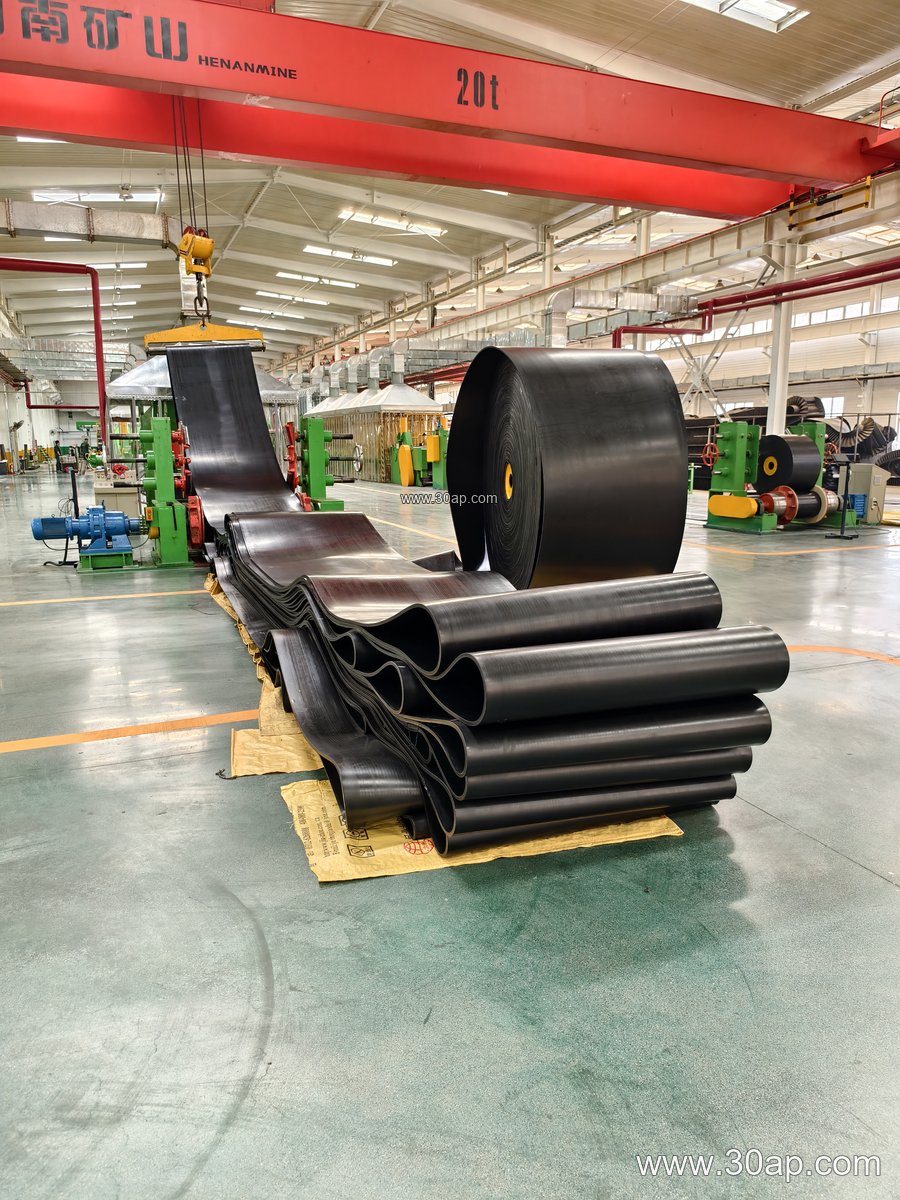
PVG800 belts are widely used in coal mining conveyors, underground mining conveyors and surface coal handling systems. They also appear in cement plants, power plant coal yards and some quarry or aggregate lines where a Flame Retardant Conveyor Belt is required by the site’s fire safety rules. The belt runs over conveyor pulleys and idler rollers, and its flexibility suits relatively small pulley diameters in confined roadways. It is not a substitute for a Steel Cord Conveyor Belt on very long, high-tension trunk conveyors, nor for a heavy-duty Abrasion Resistant Conveyor Belt on sharp, hot or highly abrasive ore duty; those are different products for different jobs.
Typical Reference Data
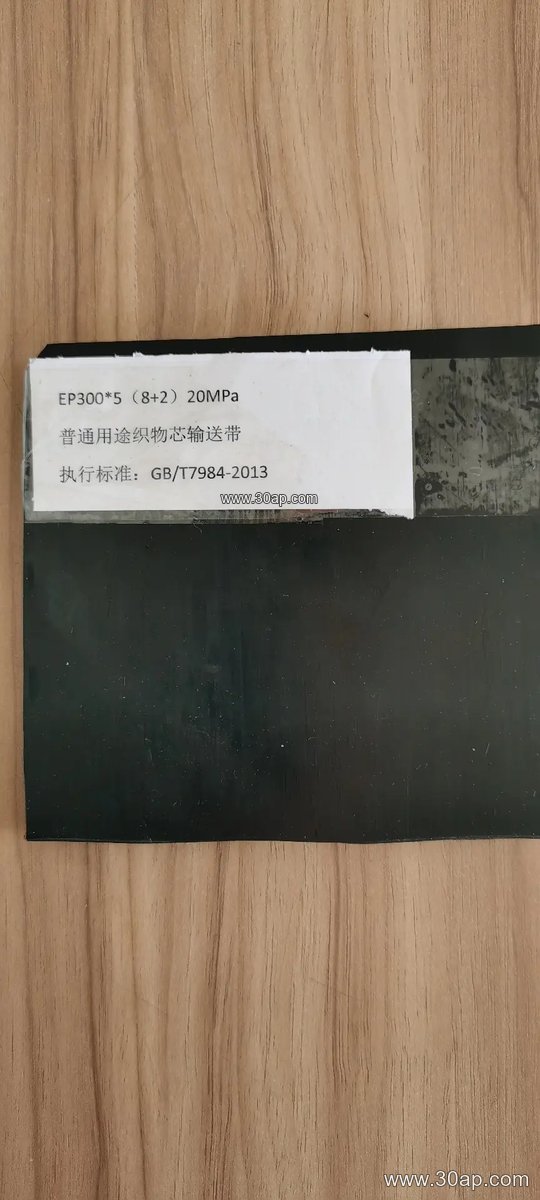
The table below lists common reference values for this belt class. Actual supply depends on the manufacturer and the site’s design requirements.
Strength and Construction
| Parameter | Common Reference |
|---|---|
| Strength class | 800 N/mm (PVG800) |
| Carcass type | Solid-woven, PVC impregnated |
| Cover material | PVC |
| Cover thickness | 4+2 mm, 5+2 mm (typical) |
| Flame resistance | Available with flame-retardant compound |
| Anti-static | Available with anti-static compound |
Width Options
Belt width is chosen to match the conveyor’s troughing idlers and the required capacity, not fixed by the strength class. Common widths in this grade include:
| Width | Typical Use |
|---|---|
| 650 mm | Gate roads, small transfer belts |
| 800 mm | Underground panel belts |
| 1000 mm | Main haulage, surface coal handling |
| 1200 mm | High-capacity trunk conveyors |
| 1400 mm | Large underground and surface systems |
Buyer Checklist
- Confirm the required strength class and whether PVG800 or PVG800S is specified
- State cover thickness and whether abrasion or impact protection is a priority
- Check flame-retardant and anti-static requirements with the site’s safety engineer
- Match belt width to the existing conveyor pulleys, idler rollers and brackets
- Ask about splice method and whether an Endless Conveyor Belt is preferred
- Confirm the belt suits the pulley diameters on the drive, tail and bend positions
For more information on compatible conveyor components and belt options, visit mysite.com/conveyor-belt or mysite.com/pvg-conveyor-belt. A correctly specified PVG800 belt, matched to its pulleys and idlers, gives reliable service in coal and other demanding bulk handling environments.