What a Q235 Conveyor Bracket Does
A Q235 conveyor bracket is the steel support that holds the idler roller in place under or over the conveyor belt. It is not a small accessory. The bracket sets the trough angle, keeps the rollers at the right spacing and transfers the load of the belt and material into the conveyor frame. When the bracket is weak or badly aligned, the belt wears unevenly and the rollers fail early. When it is right, the whole line runs smoother.
The name comes from the steel grade. Q235 is a common structural carbon steel with a yield strength around 235 MPa. It is easy to weld, easy to drill and widely available, which is why it is a practical choice for conveyor support work in a quarry, a cement plant or a power plant coal yard.
How the Bracket Is Built
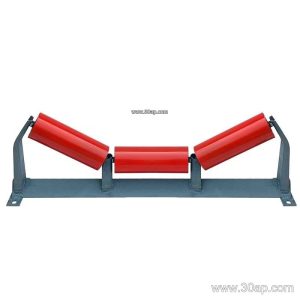
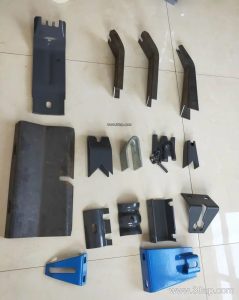
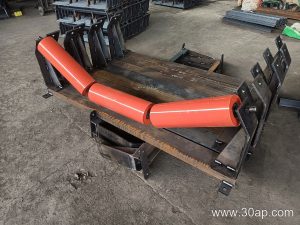
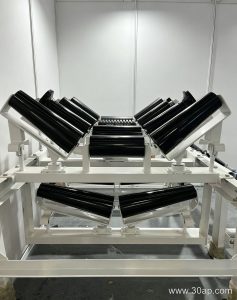
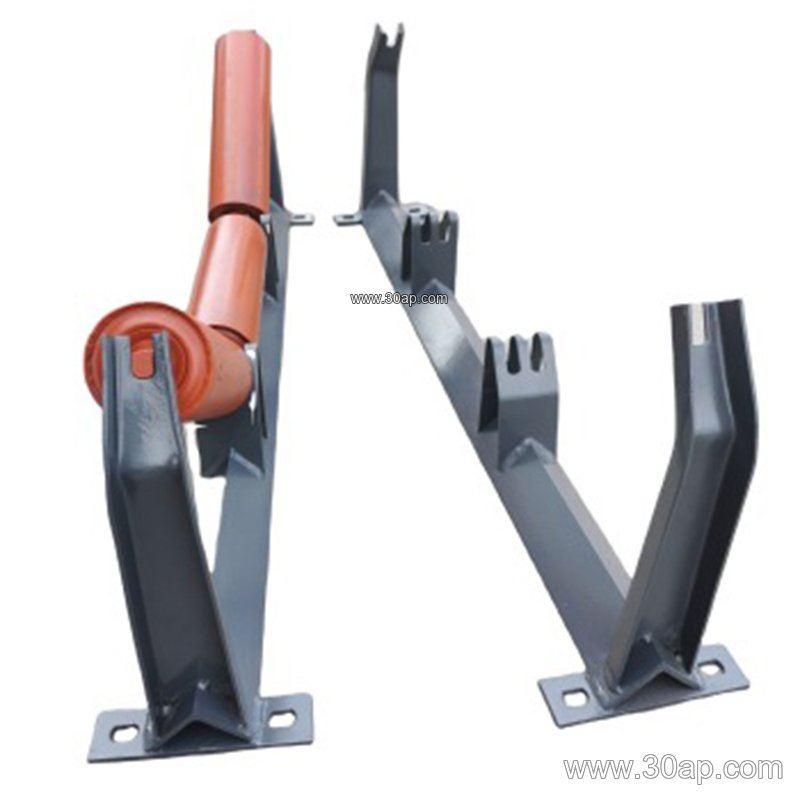
Most Q235 conveyor brackets are made from angle steel, channel steel or folded steel plate. The frame is cut, drilled for the roller shaft and then welded or bolted. A trough bracket usually has two or three roller seats and a pair of mounting feet. Some designs are adjustable, so the same bracket can be set at 20, 30, 35 or 45 degrees. Others are fixed at one trough angle.
Common build points include:
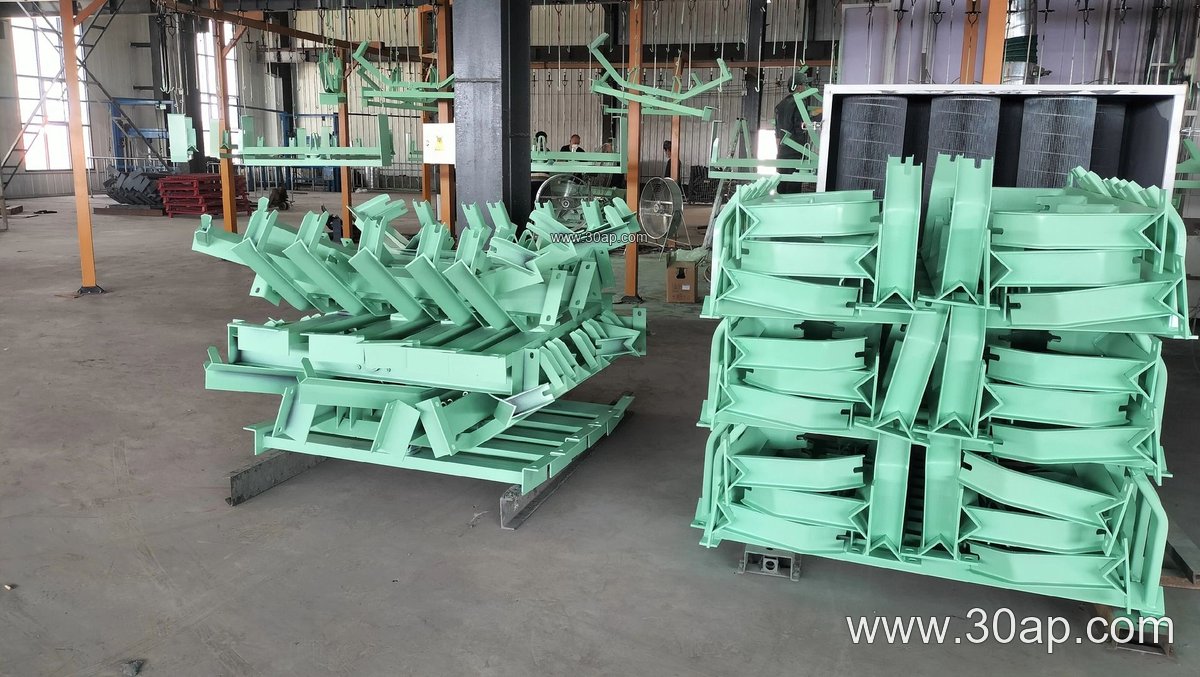
- Material grade marked as Q235, with welded joints cleaned and often painted.
- Mounting holes sized for the roller shaft, not for a guessed value.
- Cross beam length and hole spacing set by belt width and trough angle, confirmed on the drawing.
- Return brackets, V-return brackets and impact brackets built on the same steel base but with different roller positions.
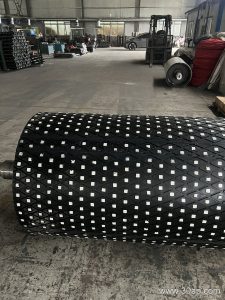
The bracket is only one part of the support group. It works with the conveyor belt, the idler roller and the conveyor pulley, and it must match the frame on site.
Common Types and Where They Sit
Trough brackets carry the loaded side of the belt. Transition brackets sit between the tail pulley and the first full trough set, easing the belt from flat to troughed. Return brackets hold the belt on the way back, and V-return brackets help center it. Impact brackets sit under the loading point where stone or ore drops onto the belt.
Belt width and roller diameter usually decide the bracket size. A few practical combinations are listed below as examples, not as fixed rules.
| Belt width | Trough angle | Roller diameter | Typical bracket use |
|---|---|---|---|
| B650 | 30 degrees | Ø89 | Small aggregate line, return side |
| B800 | 35 degrees | Ø108 | Cement plant transfer, trough side |
| B1000 | 35 degrees | Ø108 or Ø133 | Power plant coal conveyor |
| B1200 | 45 degrees | Ø133 | Iron ore or heavy bulk line |
| B1400 | 35 degrees | Ø159 | Port and stockyard conveyor |
These values are reference points. A wide belt does not lock the bracket to one trough angle or one roller size. The design load, belt speed and material lump size all matter.
Where It Fits in the Field
In a stone crushing and screening line, Q235 conveyor brackets hold the troughing rollers on the crusher discharge belt. In a coal washing plant, they support the belt that carries wet coal, so drainage and corrosion protection matter. In a cement plant, the same bracket type appears on clinker and limestone belts, where dust and heat are part of daily work.
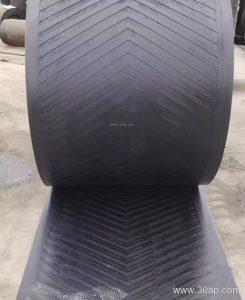
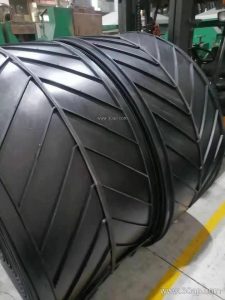
The bracket should be chosen with the belt in mind. A heavy-duty mining conveyor belt with a thick cover needs firm roller support. A chevron conveyor belt or a corrugated sidewall conveyor belt may need different clearance around the bracket. On a long overland line, a steel cord conveyor belt is common, and the bracket spacing should follow the belt and roller design.
Buyer Checklist
Before ordering, confirm the belt width, the trough angle, the roller diameter and the mounting hole pattern. Ask for the drawing, not just a model name. Check whether the bracket is fixed or adjustable, and whether it is for the carry side or the return side. State the environment: washdown, dust, heat or cold. A powder-coated or galvanized finish may be worth asking about in a wet coal plant.
Also check that the bracket fits the existing frame. A bracket that is 10 mm off can tilt the roller and wear the belt edge. Keep spare brackets for the loading zone, where impact damage is most likely. For more conveyor support options, visit www.example.com/conveyor-bracket and compare bracket types with roller and belt choices. A well-matched Q235 conveyor bracket is a low-cost part that protects the belt, the roller and the pulley, and keeps the line running.