Understanding the Side Guide Idler
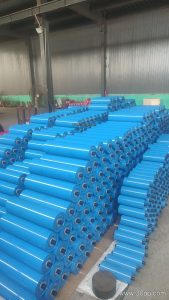
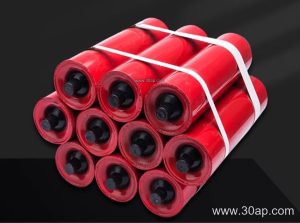
The side guide idler, also known as a side guide roller, is a specialized component in a conveyor system that helps keep the conveyor belt centered and supported along its path. Unlike standard carrying idlers that primarily support the belt and material load, this idler is positioned at the edges of the belt to prevent lateral movement and reduce the risk of belt misalignment. It is commonly used in industries such as mining, coal preparation, cement plants, and aggregate operations where reliable belt tracking is critical.
Construction and Key Components
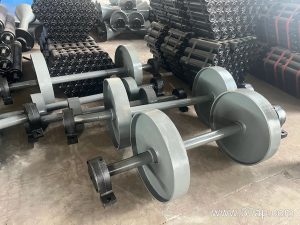
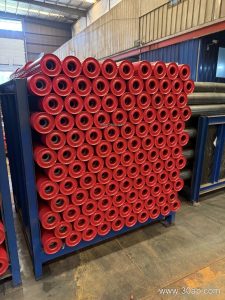
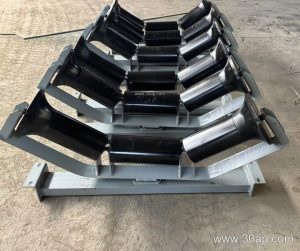
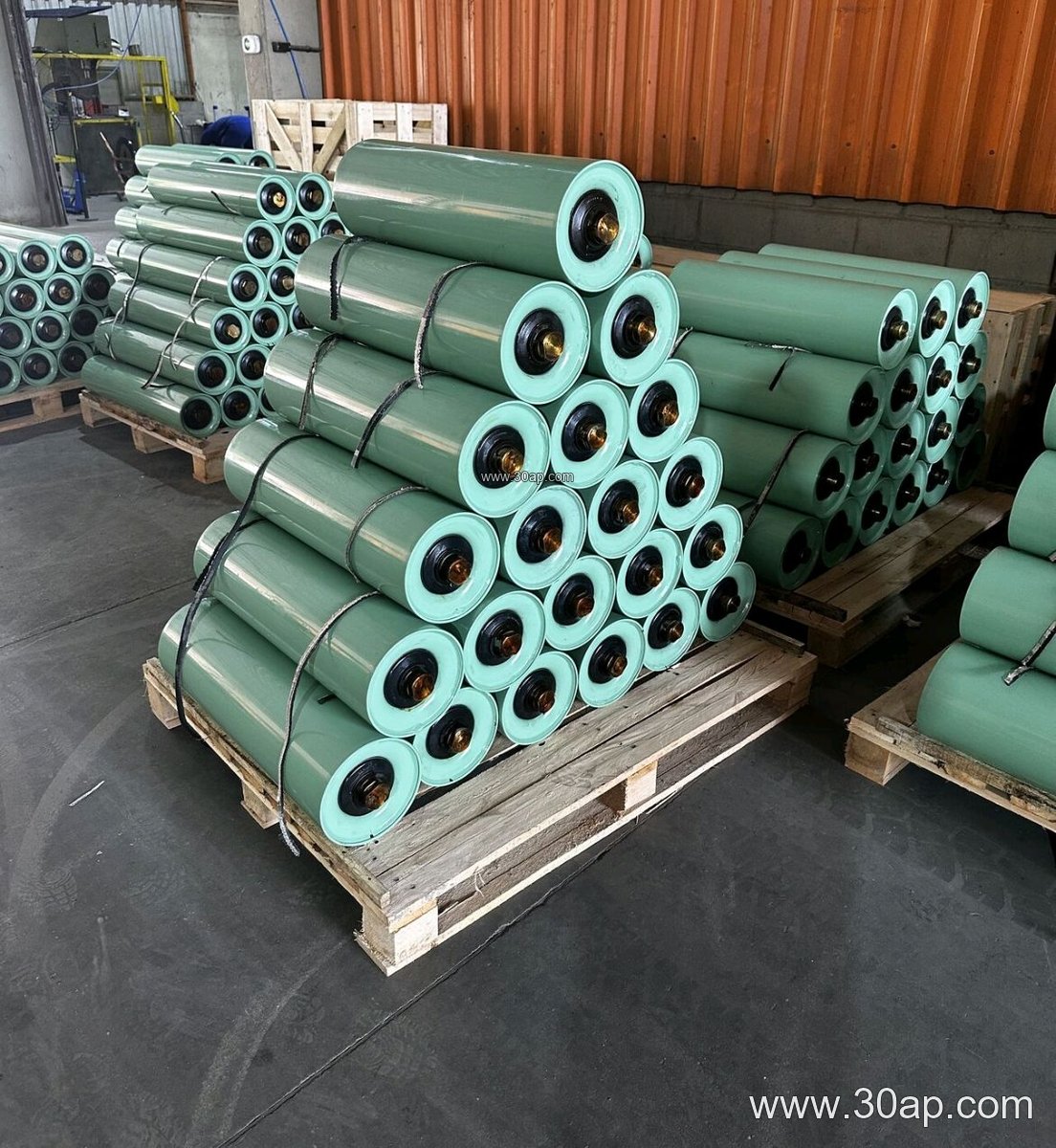
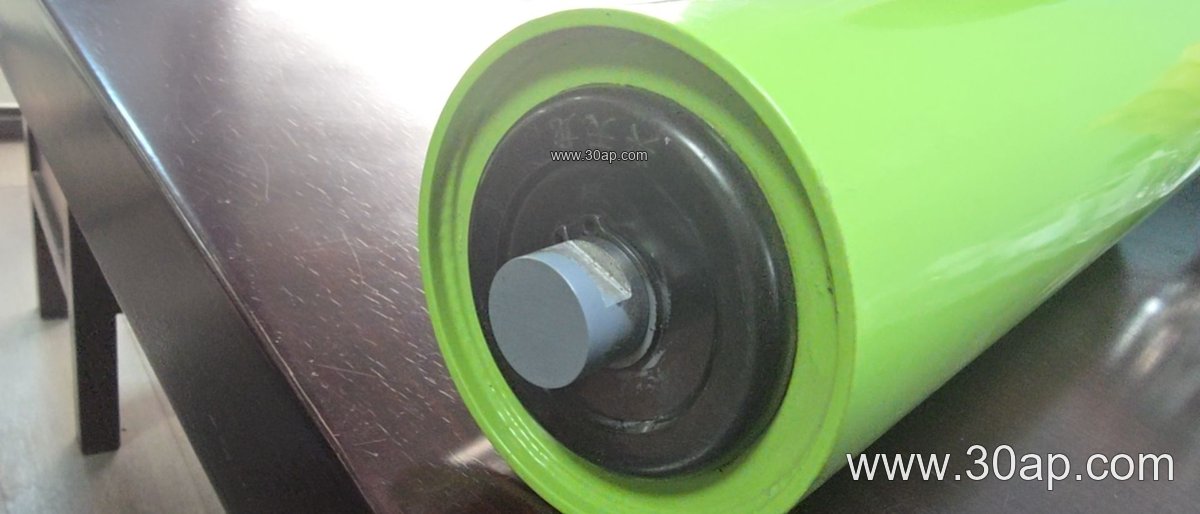
A typical side guide idler consists of a sturdy roller shell, often made of steel, nylon, or rubber, mounted on a shaft with sealed bearings. The roller surface may be smooth or covered with rubber rings to provide additional grip and protect the belt edge. Common bearing sizes include 6204, 6205, 6305, and 6306, selected based on load and speed requirements. The idler is usually installed on a conveyor bracket at the sides of the belt, either vertically or at a slight angle, to guide the belt without causing excessive friction. The roller diameter can vary, with common sizes such as Ø63 mm, Ø76 mm, Ø89 mm, and Ø108 mm, depending on the belt width and application.
Where It Is Used
Side guide idlers are essential in bulk material handling systems where belt wander can lead to spillage, edge damage, or structural stress. In a quarry or sand and gravel plant, they help maintain belt alignment on long overland conveyors. In coal mining operations, including underground coal mining, they contribute to the safe and efficient transport of coal on flame retardant conveyor belts. Cement plants also rely on these idlers to keep clinker and raw material belts on track, especially in dusty environments. The idler works in conjunction with other components like the conveyor pulley, idler roller, and conveyor bracket to ensure smooth operation.
Selection and Sizing Considerations
When choosing a side guide idler, several factors must be considered to match the conveyor design. Belt width is a primary parameter; for instance, a 800mm conveyor belt may require a different idler size than a 1200mm wide conveyor belt. The roller diameter should be selected to handle the belt speed and load without excessive wear. The table below provides common examples of roller lengths for three-roll troughing idlers, which can help in estimating side guide idler dimensions, though actual side guide rollers may differ.
| Belt Width | Typical Roller Length (mm) | Common Roller Diameter (mm) |
|---|---|---|
| B500 | 200 | Ø63, Ø76 |
| B650 | 250 | Ø76, Ø89 |
| B800 | 315 | Ø89, Ø108 |
| B1000 | 380 | Ø108, Ø127 |
| B1200 | 465 | Ø108, Ø133 |
| B1400 | 530 | Ø133, Ø159 |
| B1600 | 600 | Ø159, Ø178 |
| B1800 | 670 | Ø178, Ø194 |
| B2000 | 750 | Ø194, Ø219 |
These values are indicative and should be confirmed with the conveyor designer. The idler must also be compatible with the conveyor belt type, whether it is an EP conveyor belt, steel cord conveyor belt, or a specialty belt like heat resistant conveyor belt or oil resistant conveyor belt. In mining applications, heavy-duty mining conveyor belt often requires robust side guide idlers with sealed bearings to withstand harsh conditions.
Maintenance and Best Practices
Regular inspection of side guide idlers is important to ensure they rotate freely and do not cause belt edge wear. Bearings should be checked for contamination, and worn rollers should be replaced promptly. Proper alignment of the idler with the belt path reduces unnecessary load and extends service life. In dusty environments such as coal mining or cement plants, sealed bearings and protective covers can help maintain performance. Always refer to the conveyor manufacturer’s guidelines for installation and maintenance intervals.
For reliable belt tracking in demanding industries, selecting the right side guide idler is a key step. Whether you are operating a quarry conveyor belt or a power plant coal conveyor, these components contribute to the overall efficiency of the material handling system. For more information on conveyor idlers and related products like conveyor pulleys and brackets, please visit our website at www.example.com/side-guide-idler.